
Jaman Mural Village (자만벽화마을)
665.0M 2024-04-07
1-10, Jamandong 1-gil, Wansan-gu, Jeonju-si, Jeonbuk-do
Jaman Mural Village is located in the ridge between Omokdae and Imokdae along the foot of Seungamsan Mountain’s Jungbawi Rock. Jeonju Hanok Village is also visible from the wide street. Although it is a fairly steep walk up to Jaman Village, visitors will be able to enjoy colorful murals painted on the buildings and walls along the way.

Hanok Garden in Jeonju / 전주한옥마당
678.6M 2025-03-05
80-13 , Jeonjucheondong-ro, Wansan-gu, Jeonju-si, Jeonbuk-do
Jeonju Hanok Garden in Jeonju Hanok Village, Jeollabuk-do, is a guesthouse combining traditional hanok charm with modern comfort. All guestrooms have a modern bathroom and toilet and a toenmaru wooden porch, while two rooms (Hope and Faith) have an additional inner floors attached to it. The room interiors have exposed wooden beams and hanji-covered walls and doors. From any room, guests enjoy a view of the beautiful yard with its jangdokdae jar store, flower pots and young pine trees.
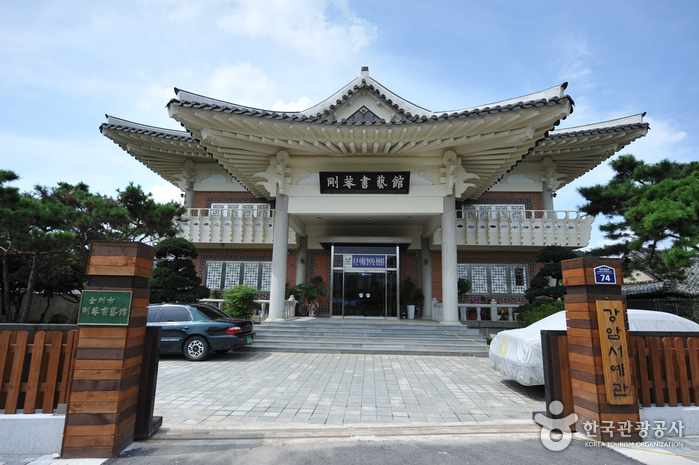
Gangam Calligraphy Museum (강암서예관)
690.7M 2024-04-07
74, Jeonjucheondong-ro, Wansan-gu, Jeonju-si, Jeonbuk-do
The Gangam Calligraphy Museum (est. 1995) in Jeonju Hanok Village has on display over 1,000 works from famous artists such as Kim Jeong-hee (1786-1856, calligrapher, painter, & scholar), Lee Sam-man (1770-1847, calligrapher), Kim Hong-do (1745-?, artist), and Jeong Yak-yong (1762-1836, scholar). This museum also houses a seminar room for calligraphy-related events and educational programs.
Jeonjuhyanggyo Local Confucian School (전주향교)
696.3M 2025-07-22
139 Hyanggyo-gil, Wansan-gu, Jeonju-si, Jeonbuk-do
Jeonjuhyanggyo is a local Confucian school that was established during the Joseon dynasty (1392-1910) and is a designated Historic Treasure. This was a national education center during the Joseon period. The school was originally located at the Gyeonggijeon Shrine site, but was relocated in 1603. The mortuary tablets of seven Chinese Confucian scholars and 18 Korean scholars are enshrined in the main building of Daeseongjeon Hall. The site is popular for its 400-year-old ginkgo tree in the front yard, and is the most beautiful in fall.
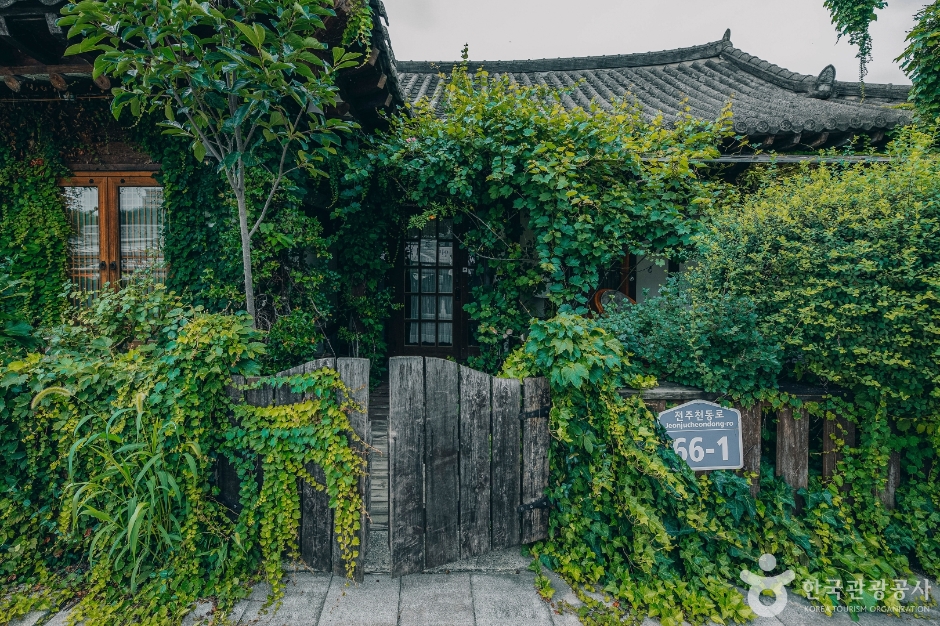
Gyo Dong Sal Rae (교동살래)
708.2M 2024-12-23
66-1 , Jeonjucheondong-ro, Wansan-gu, Jeonju-si, Jeonbuk-do
Gyodongsallae Hanok stands close to the Namcheongyo Bridge over the Jeonjucheon Stream in Wansan-gu, Jeonju, Jeollabuk-do. The sarangchae (men’s house), anchae (women’s house) and an outbuilding provide a total of 10 guestrooms - some traditional ondol-heated rooms, some rooms with beds and one attic room. There are flower beds in the yard, and the cozy interiors are decorated with elegant fabrics and paintings. Two of the sarangchae rooms have terraces offering fine views.
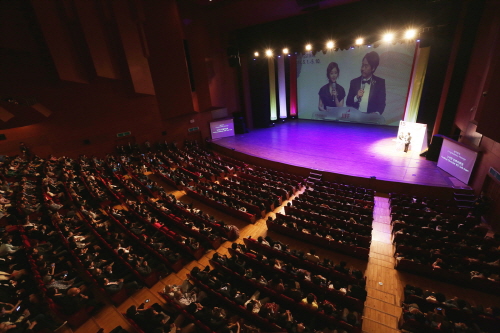
Jeonju International Film Festival (전주국제영화제)
744.4M 2025-07-11
22 Jeonjugaeksa 3-gil, Wansan-gu, Jeonju-si, Jeonbuk-do
+82-63-288-5433
Jeonju International Film Festival features an exciting combination of fun and films for people to enjoy.
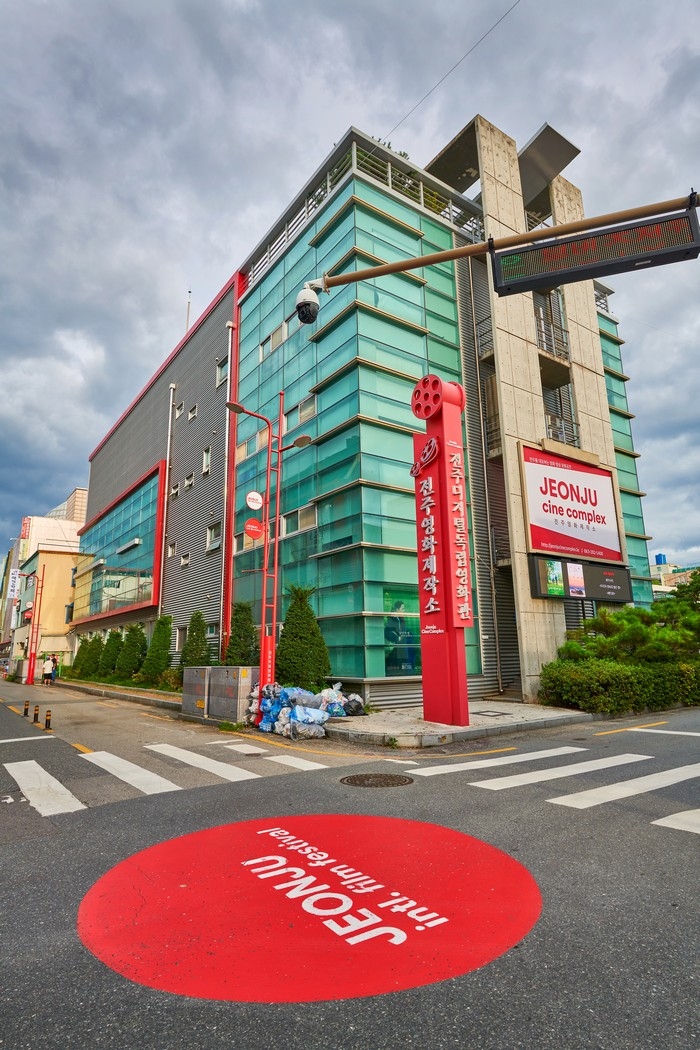
Jeonju Digital Independent Movie Cinema (전주디지털독립영화관)
744.4M 2025-10-29
22 Jeonjugaeksa 3-gil, Wansan-gu, Jeonju-si, Jeonbuk-do
This is a digital film and video integrated solution technology center equipped with post-production facilities for films. It also has the only independent art film screening room in the Jeonju area. With 98 seats, it serves as a hideout for maniacs who love independent films. In the data reading room on the 1st floor, visitors can watch Blu-ray and DVD of independent and art films from domestic and abroad, and one can enjoy Korean classic movies to their heart's content through the VOD service of the Korean Federation of Film Archives.
Jeonju Movie Street (전주 영화의 거리)
745.9M 2025-11-05
Gosa-dong, Wansan-gu, Jeonju-si, Jeonbuk-do
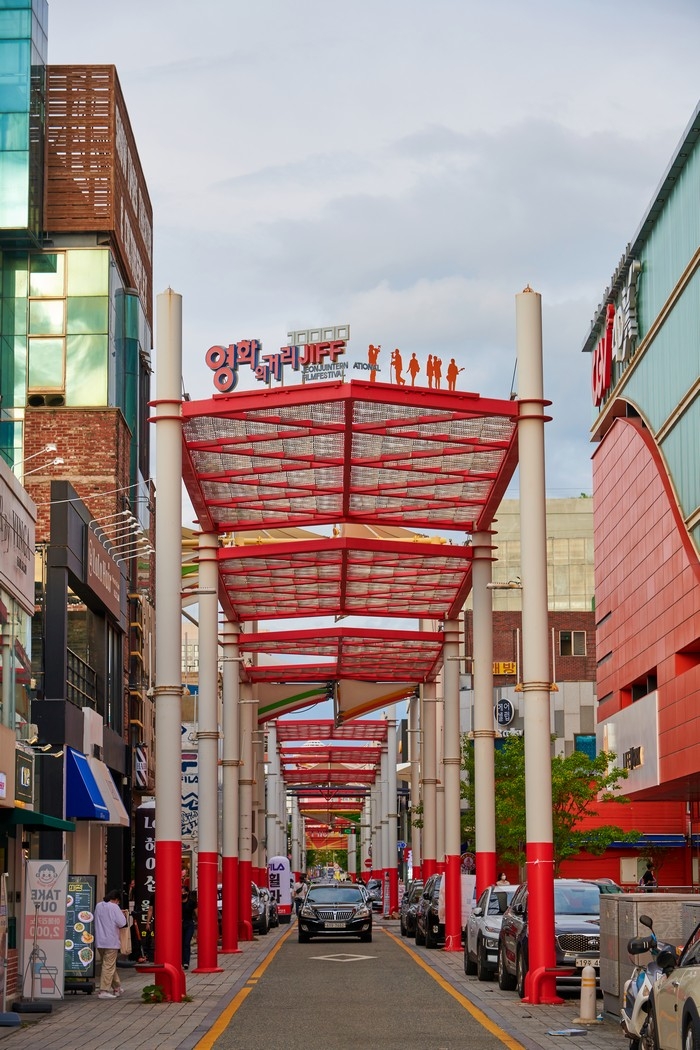
Jeonju Movie Street is the venue of Jeonju International Film Festival that is connected to Gaeksa Street, a representative shopping street in the original downtown of Jeonju. Gaeksa Street has a unique atmosphere where various shops and cute cafes are combined with buildings showing traces of time. When the Jeonju International Film Festival is held, the red-colored streets become more dynamic with crowds from all over the country to watch movies.
Saranggadeuk (사랑가득)
828.6M 2024-12-13
149-8 , Hyanggyo-gil, Wansan-gu, Jeonju-si, Jeonbuk-do
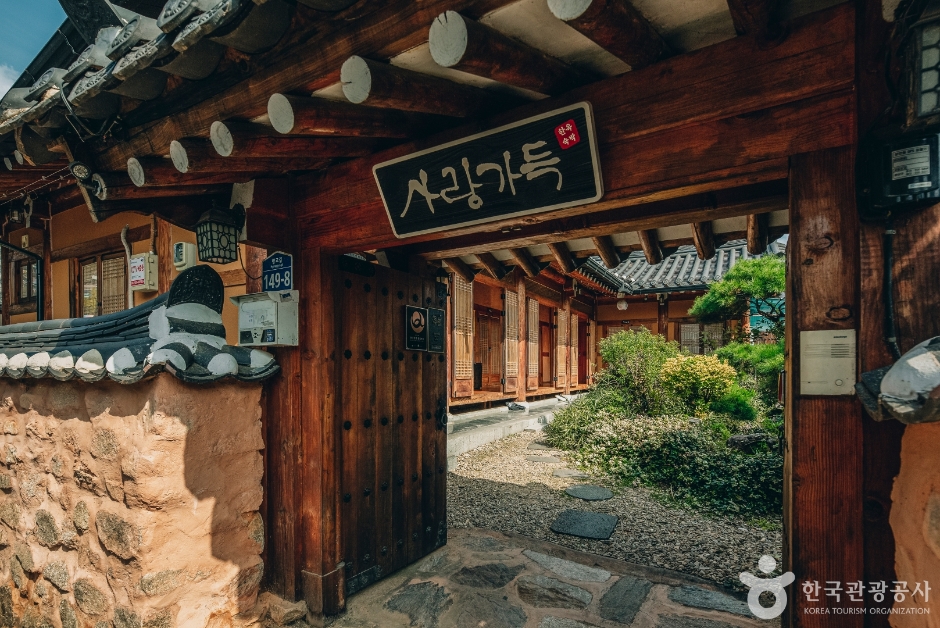
Located in Jeonju Hanok Village, Saranggadeuk is a traditional hanok that was renovated from a traditional hanok built in 1900, which retains the elegance of hanok architecture in its toenmaru (narrow wooden porch), rafters, and eaves. The hotel has six guest rooms, including a spacious ondol (underfloor heated) room with an interior finished in cypress wood that emits a subtle scent. Each of the rooms has a bathroom with a shower, and the Cherry and Rose rooms are recommended for couples, while the Azalea rooms are recommended for groups. Breakfast is served with freshly baked toast, seasonal fruits, and coffee in the room, and cooking is not permitted.
Bu Yong Heon / 부용헌
832.1M 2025-03-04
149-3 , Hyanggyo-gil, Wansan-gu, Jeonju-si, Jeonbuk-do
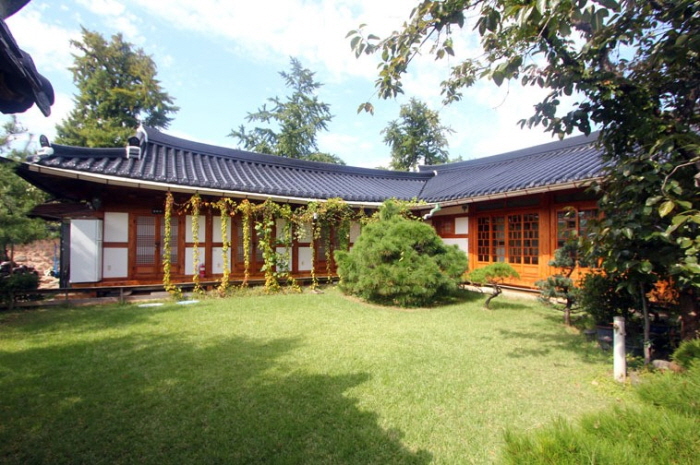
Buyongheon is a Hanok stay in Jeonju Hanok Village, Jeollabuk-do, right next to the Jeonju Hyanggyo Confucian School. Accomodation is comprised of Toenmaru Bang, Daecheong Maru Bang, Large Daecheong Maru Bang and Big Sarangchae. The room is neat and feels the beauty of blank space. A culture experience program includes traditional etiquette and hanji making, while the Jeonju Hanbyeok Cultural Center and the Confucian school are reachable on foot. Jeonju Station and Jeonju Express Bus Terminal are 10 to 15 minutes away by car.
 English
 한국어
한국어 日本語
日本語 中文(简体)
 Deutsch
 Français
 Español
 Русский


