
Jeonju Traditional Liquor Museum (전주 전통술박물관)
394.3M 2024-05-28
74 Hanji-gil, Wansan-gu, Jeonju-si, Jeonbuk-do
Jeonju Traditional Liquor Museum offers visitors the unique chance to explore the world of traditional Korean liquor and engage in related hands-on experience programs. At the museum, visitors can see the tools, machines, and the process used in the making of home-made traditional liquor and even taste them. Guests can also try their hand at making homemade wine and rice wine after making a reservation.
GaEunChae (가은채)
400.5M 2024-12-23
68-13 , Hanji-gil, Wansan-gu, Jeonju-si, Jeonbuk-do
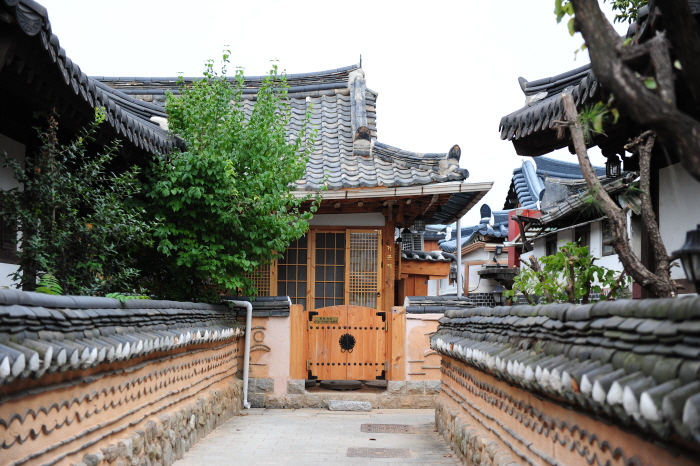
Gaeunchae is a hanok stay in Jeonju Hanok Village, Jeollabuk-do, constructed of wood in the traditional way without using nails. The location is ideal for local sightseeing as it’s close to Jeonju Craft Masters Hall, the Traditional Wine Museum, Seunggwangjae (home of the last Joseon prince Yi Seok), and Dakjong Hanji Doll Workshop. The exceptionally scenic alleyways around Gaeunchae are part of a Village tour. In the yard visitors will see different types of stone used as paving or decoration: granite, mica, and other local stones, all hand-trimmed by our ancestors.

Lahan Hotel Jeonju (라한호텔 전주)
406.4M 2025-10-29
85 Girin-daero, Wansan-gu, Jeonju-si, Jeollabuk-do
Convenient location in Jeonju Hanok Village
The hotel has a total of 195 rooms. There are also ondol rooms and kids-concept rooms with car beds, so you have a wide range of choices. Located in Jeonju Hanok Village, you can walk to the filming locations of the drama as well as tourist attractions such as Gyeonggijeon Shrine, Omokdae, and Jeondong Catholic Church
Ducksugung (전주 한옥마을 덕수궁)
424.6M 2024-12-13
10 , Gannap-ro, Wansan-gu, Jeonju-si, Jeonbuk-do
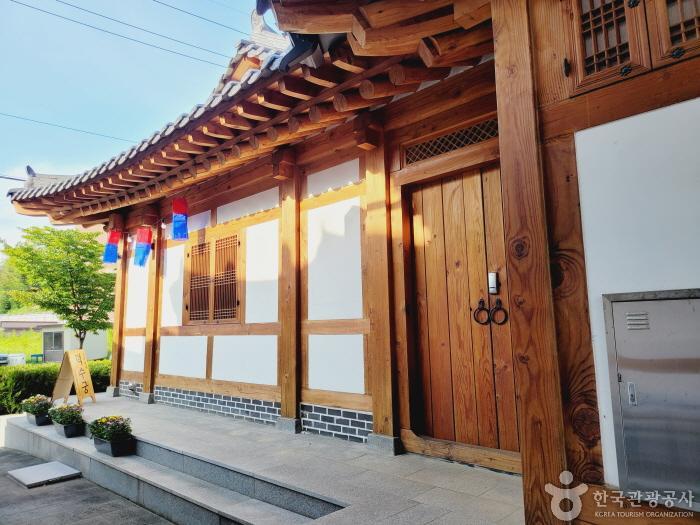
Deoksugung is a traditional hanok stay situated in a residential area across from the entrance to Jeonju Hanok Village. It has seven rooms for couples and one room for four people, all of which are ondol rooms. Rooms are equipped with a bathroom, a mini-refrigerator, television, and a private parking lot. There is no cooking allowed in the rooms, but you are welcome to prepare simple meals in the shared kitchen. Rentals of hanboks and rail bikes are available at a discount at the hotel.
Royal Portrait Museum (어진박물관)
445.6M 2024-04-07
44, Taejo-ro, Wansan-gu, Jeonju-si, Jeonbuk-do
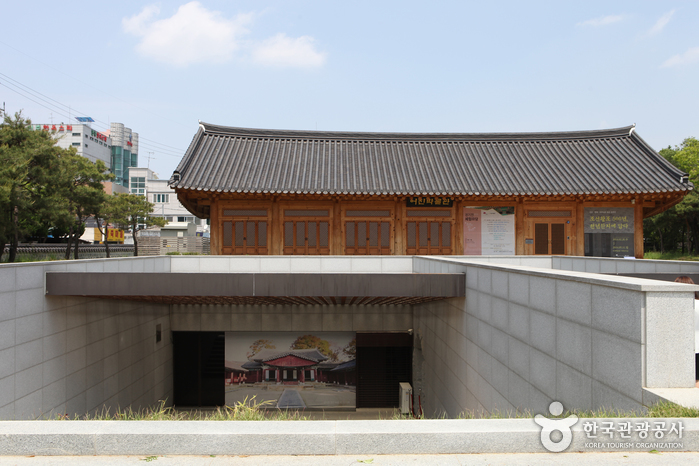
Opened on November 6, 2010, the Royal Portrait Museum is one of the newest attractions of Jeonju, located within the Gyeonggijeon Shrine. Royal Portrait Museum is a valuable museum as a new tourism resource of Jeonju as well as Gyeonggijeon Shrine and the Portrait of King Taejo, as well as other various high-class exhibitions to preserve, manage, and enhance the glorious cultural assets of Joseon royal family. The museum is comprised of one above-ground level and one underground level with an area of 1,193.71 square meters. The Portrait of King Taejo and six other king’s portraits (Portrait of King Sejong, King Yeongjo, King Jeongjo, King Cheoljong, King Gojong, and King Sunjong) are exhibited on the first floor. The portraits are preserved in temperature- and humidity-controlled cases. In addition, the museum houses History Hall, Palanquin Hall, a planned exhibition hall, resting area, management office and storage room for relics. Palanquin Hall exhibits Hyangjeong (Palanquin for Incense Burner and Case), Sinyeon (Palanquin for Royal Portrait and Palanquin for Mortuary Tablet), Chaeyeo (Palanquin for High Officials), Gagyo (Palanquin for Ritual Items) featuring Korea’s sole preserved palanquin. History Hall houses approximately 80 relices related to Gyeonggijeon Shrine and Jogyeong Shrine, ancestral ritual ceremony, building, and others relics. Since the museum's opening, it makes continual efforts to become a central place for Jeonju residents to fulfill their cultural feelings. The museum operates various program like exploring famous historic sites in Gyeonggijeon Shrine, hands-on programs such as a guard experience to protect the shrine, and duplicating Gyeonggijeon Shrine’s relics using traditional portrait-making techniques.
Bu Yong Heon / 부용헌
447.1M 2025-03-04
149-3 , Hyanggyo-gil, Wansan-gu, Jeonju-si, Jeonbuk-do
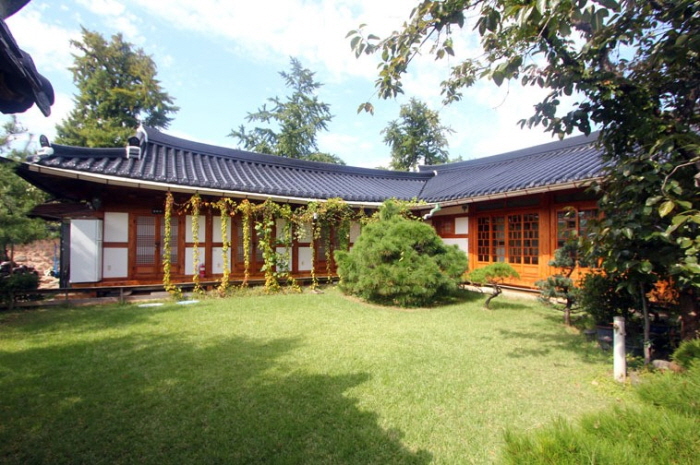
Buyongheon is a Hanok stay in Jeonju Hanok Village, Jeollabuk-do, right next to the Jeonju Hyanggyo Confucian School. Accomodation is comprised of Toenmaru Bang, Daecheong Maru Bang, Large Daecheong Maru Bang and Big Sarangchae. The room is neat and feels the beauty of blank space. A culture experience program includes traditional etiquette and hanji making, while the Jeonju Hanbyeok Cultural Center and the Confucian school are reachable on foot. Jeonju Station and Jeonju Express Bus Terminal are 10 to 15 minutes away by car.
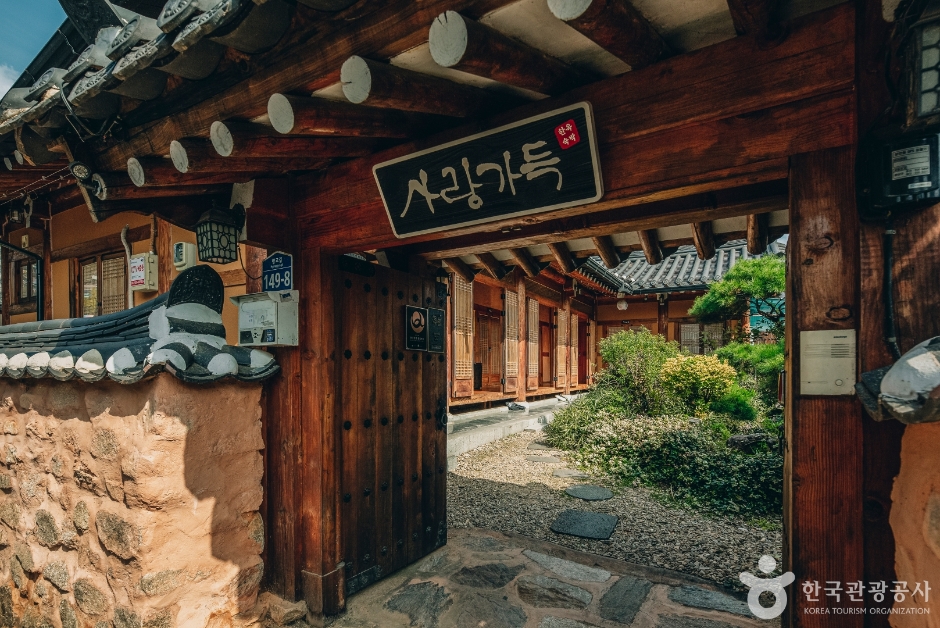
Saranggadeuk (사랑가득)
456.2M 2024-12-13
149-8 , Hyanggyo-gil, Wansan-gu, Jeonju-si, Jeonbuk-do
Located in Jeonju Hanok Village, Saranggadeuk is a traditional hanok that was renovated from a traditional hanok built in 1900, which retains the elegance of hanok architecture in its toenmaru (narrow wooden porch), rafters, and eaves. The hotel has six guest rooms, including a spacious ondol (underfloor heated) room with an interior finished in cypress wood that emits a subtle scent. Each of the rooms has a bathroom with a shower, and the Cherry and Rose rooms are recommended for couples, while the Azalea rooms are recommended for groups. Breakfast is served with freshly baked toast, seasonal fruits, and coffee in the room, and cooking is not permitted.
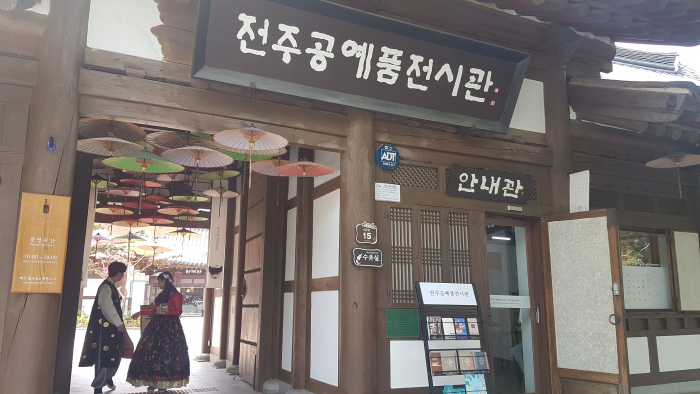
Jeonju Crafts Exhibition Hall (전주공예품전시관)
467.4M 2024-05-28
15 Taejo-ro, Wansan-gu, Jeonju-si, Jeonbuk-do
Jeonju Crafts Exhibition Hall promotes the beauty of traditional Korean crafts, and is made up of a Craft Hall, Special Exhibition Hall, and Experience Hall, Visitors can see traditional art works from master artisans as well as creative works from up-and-coming artists and designers. Visitors can also create their own handcrafted items in one of their many programs.
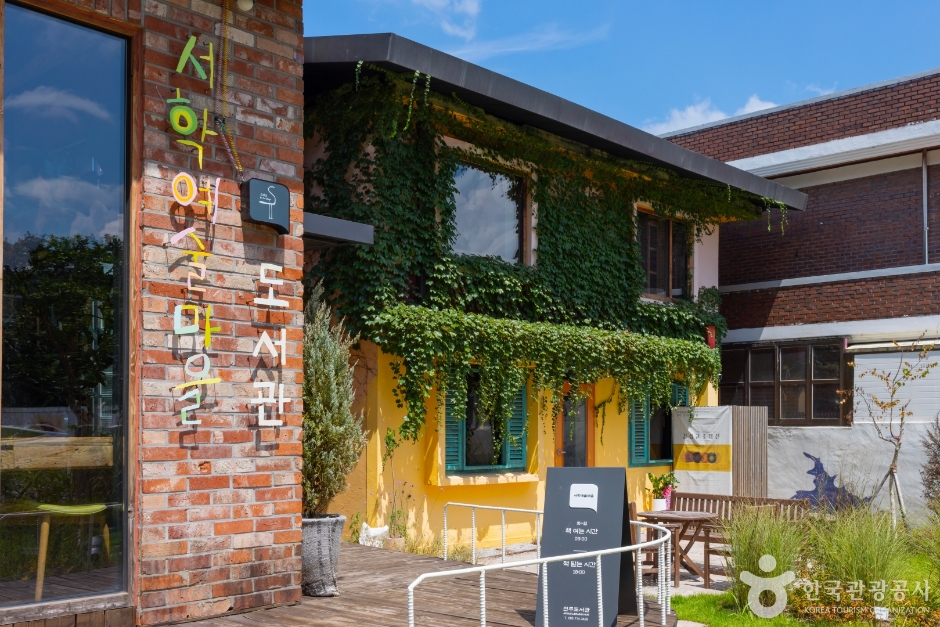
Seohak Art Village Library (서학예술마을도서관)
481.8M 2024-04-06
12-1 Seohak-ro, Wansan-gu, Jeonju-si, Jeonbuk-do
Seohak Art Village Library opened June 2022 in Jeonju, Jeollabuk-do. The library consists of nearly 1,000 books, making it rather small. However, the library makes up for its size with pretty decorations, making visitors want to stay longer. The library is located in an old building that was previously a cafe and gallery, so the library feels more like a book cafe.
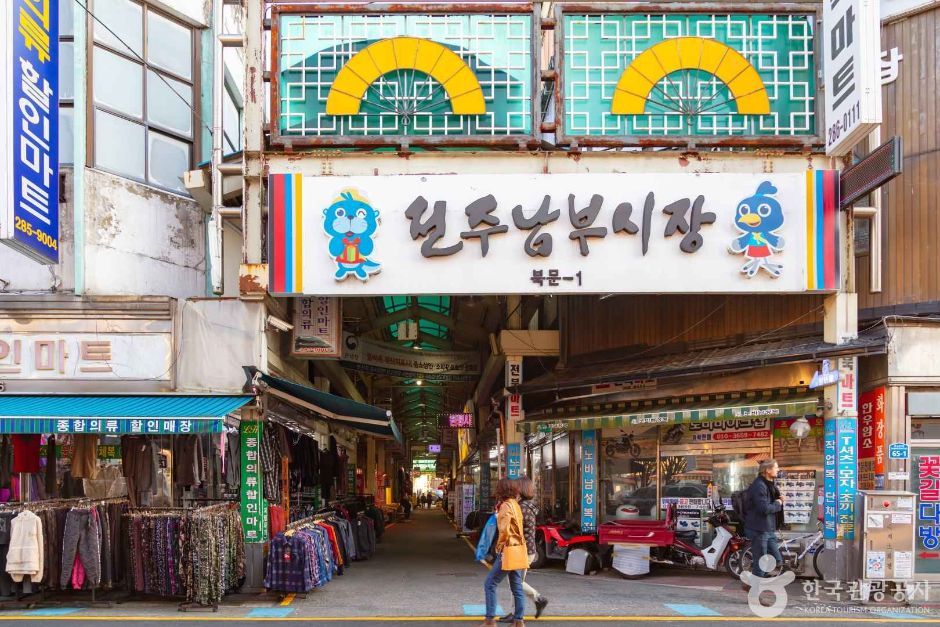
Jeonju Nambu Traditional Market (전주 남부시장)
494.5M 2025-07-22
19-3 Pungnammun 1-gil, Wansan-gu, Jeonju-si, Jeonbuk-do
Jeonju Nambu Traditional Market opened as a regular public market in 1905 at the site of the Joseon-era Nammunbakk Market, located just outside the Southern gate to the city. Currently the market is comprised of about 800 stores with 1,200 workers selling vegetables, fruits, food, dried fish, furniture, silk goods, and general goods.
The market was revitalized with the creation of the Youth Market, located in the previously empty shops on the second floor of 6-dong. An influx of young shopkeepers and entrepreneurs has given the marketplace an exciting vibe like that found in Hongdae or Samcheong-dong.
The night market held on Fridays and Saturdays also draws in many visitors with a multitude of delicious treats, ranging from traditional dishes such as nokdujeon (mung bean pancake) to fusion treats like bibimbap served in rice paper like a spring roll.
 English
 한국어
한국어 日本語
日本語 中文(简体)
 Deutsch
 Français
 Español
 Русский


