
Jeonju Traditional Liquor Museum (전주 전통술박물관)
774.8M 2024-05-28
74 Hanji-gil, Wansan-gu, Jeonju-si, Jeonbuk-do
Jeonju Traditional Liquor Museum offers visitors the unique chance to explore the world of traditional Korean liquor and engage in related hands-on experience programs. At the museum, visitors can see the tools, machines, and the process used in the making of home-made traditional liquor and even taste them. Guests can also try their hand at making homemade wine and rice wine after making a reservation.
Royal Portrait Museum (어진박물관)
777.9M 2024-04-07
44, Taejo-ro, Wansan-gu, Jeonju-si, Jeonbuk-do
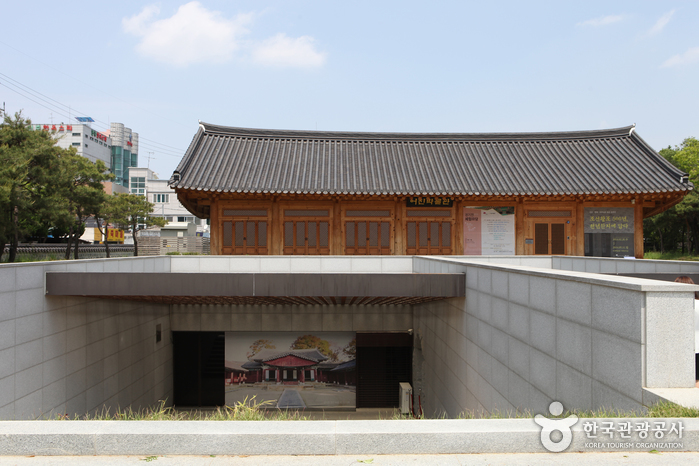
Opened on November 6, 2010, the Royal Portrait Museum is one of the newest attractions of Jeonju, located within the Gyeonggijeon Shrine. Royal Portrait Museum is a valuable museum as a new tourism resource of Jeonju as well as Gyeonggijeon Shrine and the Portrait of King Taejo, as well as other various high-class exhibitions to preserve, manage, and enhance the glorious cultural assets of Joseon royal family. The museum is comprised of one above-ground level and one underground level with an area of 1,193.71 square meters. The Portrait of King Taejo and six other king’s portraits (Portrait of King Sejong, King Yeongjo, King Jeongjo, King Cheoljong, King Gojong, and King Sunjong) are exhibited on the first floor. The portraits are preserved in temperature- and humidity-controlled cases. In addition, the museum houses History Hall, Palanquin Hall, a planned exhibition hall, resting area, management office and storage room for relics. Palanquin Hall exhibits Hyangjeong (Palanquin for Incense Burner and Case), Sinyeon (Palanquin for Royal Portrait and Palanquin for Mortuary Tablet), Chaeyeo (Palanquin for High Officials), Gagyo (Palanquin for Ritual Items) featuring Korea’s sole preserved palanquin. History Hall houses approximately 80 relices related to Gyeonggijeon Shrine and Jogyeong Shrine, ancestral ritual ceremony, building, and others relics. Since the museum's opening, it makes continual efforts to become a central place for Jeonju residents to fulfill their cultural feelings. The museum operates various program like exploring famous historic sites in Gyeonggijeon Shrine, hands-on programs such as a guard experience to protect the shrine, and duplicating Gyeonggijeon Shrine’s relics using traditional portrait-making techniques.

Lahan Hotel Jeonju (라한호텔 전주)
780.4M 2025-10-29
85 Girin-daero, Wansan-gu, Jeonju-si, Jeollabuk-do
Convenient location in Jeonju Hanok Village
The hotel has a total of 195 rooms. There are also ondol rooms and kids-concept rooms with car beds, so you have a wide range of choices. Located in Jeonju Hanok Village, you can walk to the filming locations of the drama as well as tourist attractions such as Gyeonggijeon Shrine, Omokdae, and Jeondong Catholic Church
GaEunChae (가은채)
783.0M 2024-12-23
68-13 , Hanji-gil, Wansan-gu, Jeonju-si, Jeonbuk-do
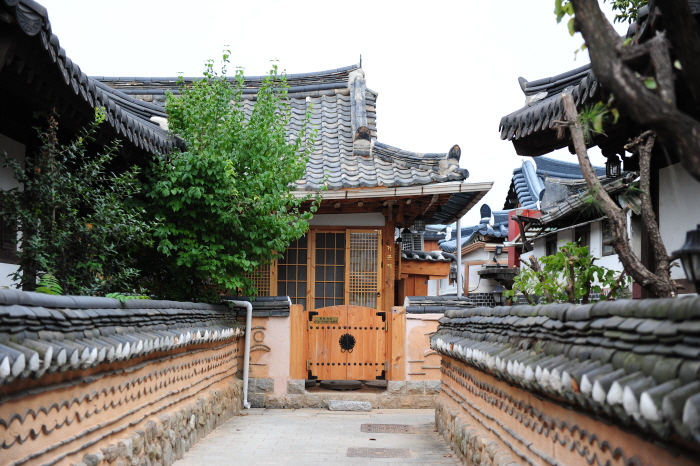
Gaeunchae is a hanok stay in Jeonju Hanok Village, Jeollabuk-do, constructed of wood in the traditional way without using nails. The location is ideal for local sightseeing as it’s close to Jeonju Craft Masters Hall, the Traditional Wine Museum, Seunggwangjae (home of the last Joseon prince Yi Seok), and Dakjong Hanji Doll Workshop. The exceptionally scenic alleyways around Gaeunchae are part of a Village tour. In the yard visitors will see different types of stone used as paving or decoration: granite, mica, and other local stones, all hand-trimmed by our ancestors.
Jaman Mural Village (자만마을 벽화갤러리)
799.2M 2025-07-22
Gyo-dong, Wansan-gu, Jeonju-si, Jeonbuk-do
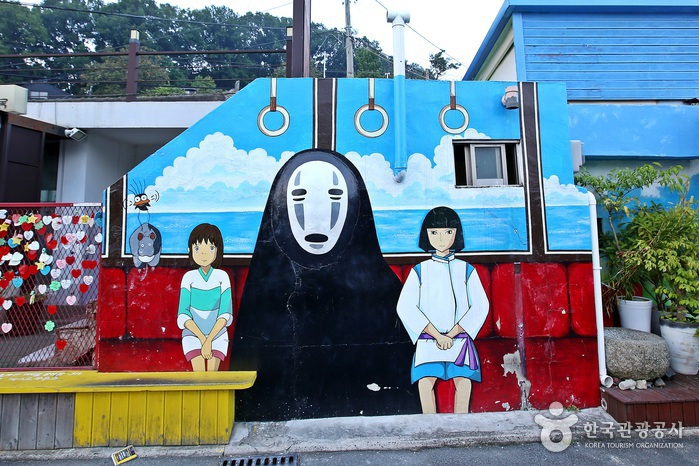
Jaman Mural Village is located on a hillside across the road from Jeonju Hanok Village. The village was formed by Korean war refugees resettling where they could, and remained as a small village interlaced by narrow pathways. In 2012, over 40 murals were created as a part of a city project and became popular for photographs. Many of the houses have been converted into cafes, guesthouses, and restaurants.
Wansan Park (완산공원)
819.1M 2025-07-22
19-4 Gongsunae 1-gil, Wansan-gu, Jeonju-si, Jeonbuk-do
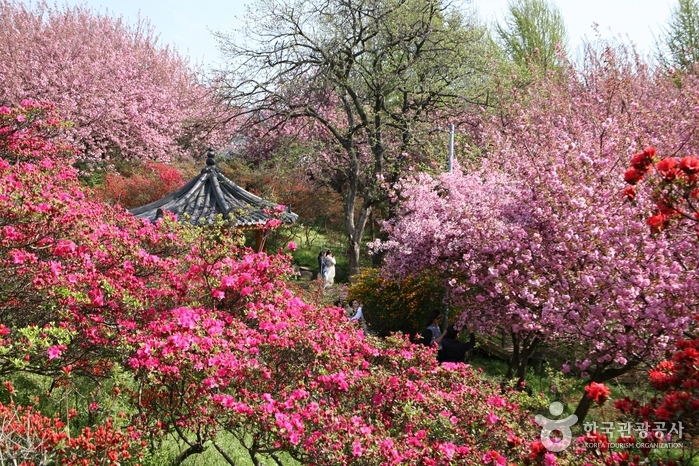
Wansan Park, also known as Wansanchilbong Peak, is located on the southern outskirts of downtown Jeonju. The mountain is known to be the origin of Iksan and Gunsan's birthplace and the mountain's fame had spread across the southern region along with Jeonju. In addition to the historically significant Chilseongsa Temple, there is a pavilion located at the top where people can look out over the surrounding area. The mountain is also a place where a fierce battle took place from the Donghak Peasant Revolution. Today, the mountain is made into a park and serves as a popular retreat for locals.
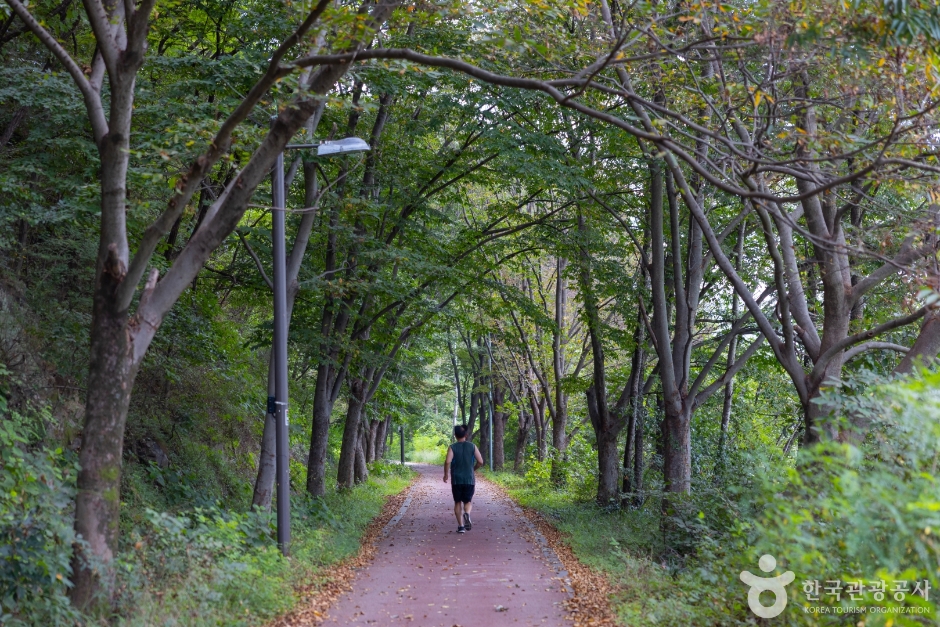
Baramssoeneun-gil Road (바람쐬는길)
826.4M 2024-04-07
21 Baramssoeneun-gil, Wansan-gu, Jeonju-si, Jeonbuk-do
Baramssoeneun-gil Road is the name of the path leading from Jeonju Eco Museum to Hanbyeok Tunnel. The pathway's name comes from the breeze that blows along the way, making it great for taking a walk. The road was also selected by the Korea Tourism Organization as one of the locations great for traveling with pets. There is also a bicycle rental station located along the road. Hanbyeok Tunnel at the end of the path is famous as a filming site for the drama "Twenty-five Twenty-one (2022)," with many people taking photos here as the main characters.
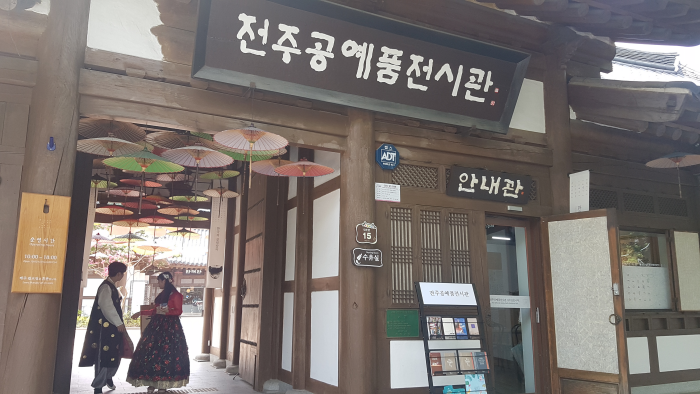
Jeonju Crafts Exhibition Hall (전주공예품전시관)
843.6M 2024-05-28
15 Taejo-ro, Wansan-gu, Jeonju-si, Jeonbuk-do
Jeonju Crafts Exhibition Hall promotes the beauty of traditional Korean crafts, and is made up of a Craft Hall, Special Exhibition Hall, and Experience Hall, Visitors can see traditional art works from master artisans as well as creative works from up-and-coming artists and designers. Visitors can also create their own handcrafted items in one of their many programs.
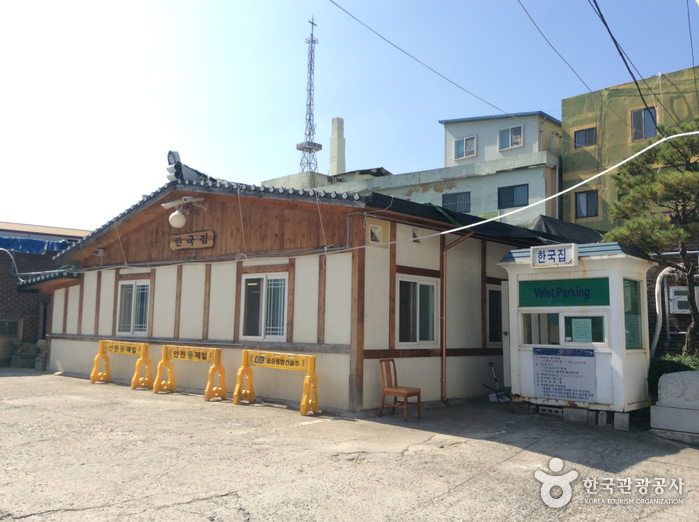
Han Kook Jib (한국집)
857.6M 2024-12-26
119, Eojin-gil, Wansan-gu, Jeonju-si, Jeonbuk-do
Opened in 1952, Han Kook Jib has upheld its tradition for three generations. It is housed in a renovated hanok with a beautiful courtyard. Han Kook Jib is conveniently located near major tourist sites in Jeonju, such as Jeonju Hanok Village and Gyeonggijeon Shrine.
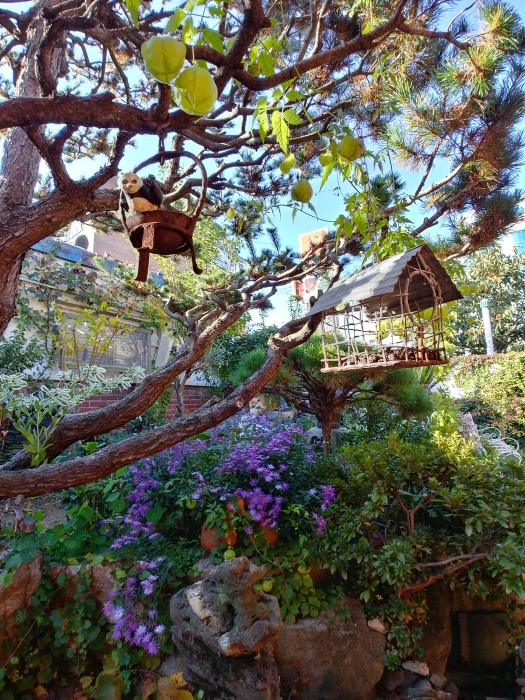
Fine day (좋은날)
885.5M 2024-12-23
37-7 , Jeondongseongdang-gil, Wansan-gu, Jeonju-si, Jeonbuk-do
A Fine Day is a hanok stay on Jeondong Cathedral Street, Jeonju, Jeollabuk-do, which combines hanok tradition with modern convenience. The wood floor and red clay-lined walls and ceilings are a pleasure to wake up to. The rooms are well heated and have toilets, shower booths and bidets. From the wooden porch guests can enjoy a beautiful sunny garden planted with wildflowers and trees. Nearby attractions include Gyeonggijeon, Omokdae, Jeondong Cathedral and Nambu Market (great for food!).
 English
 한국어
한국어 日本語
日本語 中文(简体)
 Deutsch
 Français
 Español
 Русский


