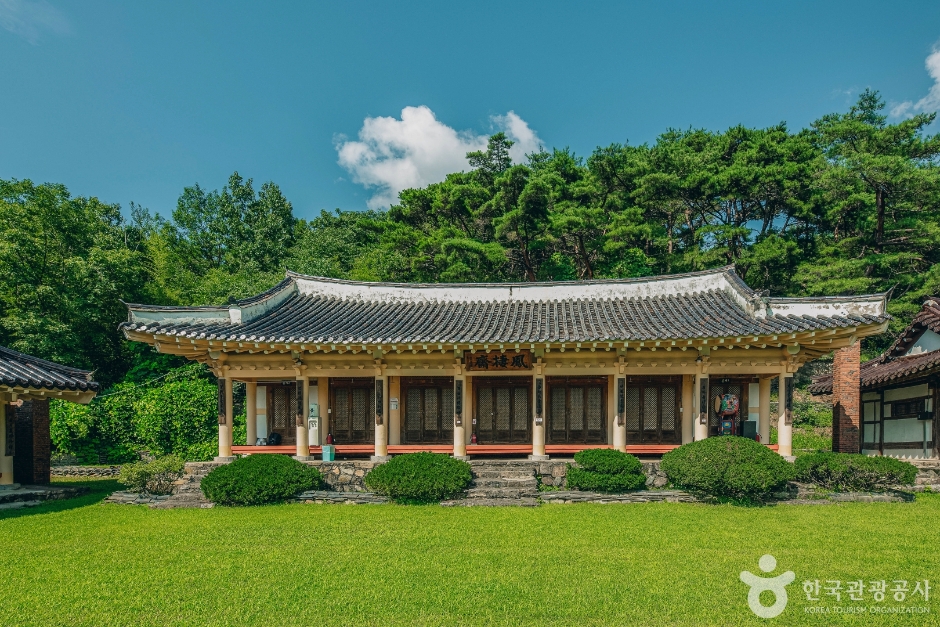
Happydream (행복드림한옥)
11.3Km 2024-08-05
181-21 , Bongseoan-gil, Wanju-gun, Jeonbuk-do
Dueok Happydream Village is located in Bongseo-gol, Wanju-gun, Jeollabuk-do - a location said to be one of the most propitious in Korea, owing to the surrounding mountains’ resemblance to the Bonghwang mythical bird. The guesthouse’s tile-roofed buildings are set in a wide grassy yard against a background of green mountains. As well as accomodation the village operates various nature and traditional culture experience programs, some of which take place at the guesthouse. The rooms are small but clean and comfy, and with the doors open offer scenic views.

Korea Expressway Corporation Arboretum (한국도로공사 전주수목원)
11.6Km 2025-07-22
462-45 Beonyeong-ro, Deokjin-gu, Jeonju-si, Jeonbuk-do
The Korea Expressway Corporation Arboretum is located in Jeonju and operated by Korea Expressway Corporation. The arboretum was opened to counterbalance the environmental damage caused by the construction of expressways. As such, the arboretum maintains and promotes the conservation of many beautiful flora from across the country.
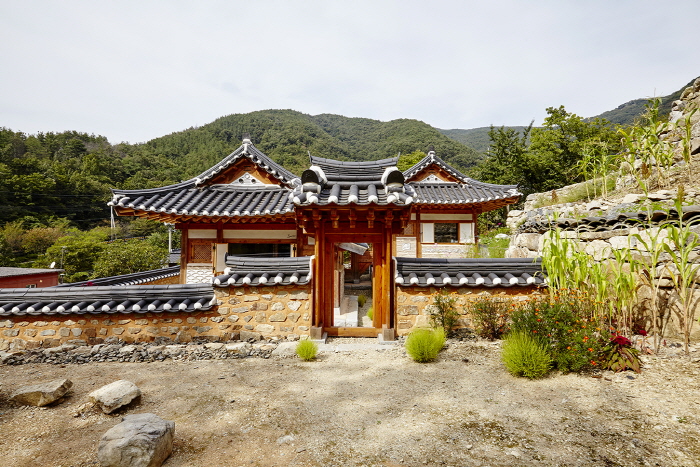
NocWoonJae (녹운재)
12.5Km 2024-12-23
472-18 , Songgwangsuman-ro, Wanju-gun, Jeonbuk-do
Nokwoonjae is a guest hanok in Oseong Hanok Village, Wanju-gun, Jeollabuk-do. It comprises two houses built on sloping land - Naunchae above and Unahchae below - with a corridor connecting the two. All rooms are built of timber and red clay - beneficial to both mind and body - and have large windows to let you enjoy natural views and breezes.Toast, jam, and milk are provided for breakfast, and self-catering is possible. Sagunja painting and tea ceremony experiences are offered, while local visitor destinations include Songgwangsa Temple, Wibongsa Temple, the 60m Wibong Falls (one of Wanseon’s ‘Eight Splended Views’) and Jeonju Hanok Village.
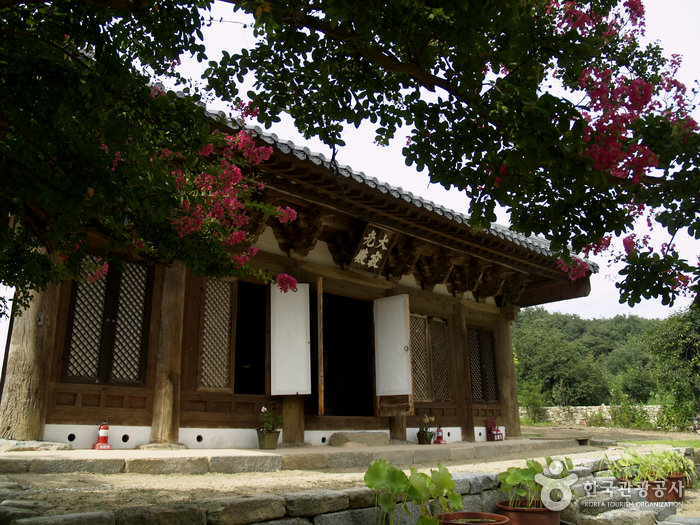
Gwisinsa Temple - Gimje (귀신사 - 김제)
12.5Km 2024-04-07
40, Cheongdo 6-gil, Gimje-si, Jeonbuk-do
Gwisinsa, located in Cheongdo Village, Geumsan-myeon, Gimje-si, is now a temple of the Jogye Order, but once belonged to the Haweom Order. The temple is widely believed to have been established by the great monk Uisang Daesa during the 16th year of King Munmu (676). However, some experts site the existence of the Namgeunseok stone animal sculpture as proof that the temple was originally the private temple of King Beop of the Baekje Kingdom.
Throughout history, the temple has had many names—Guksinsa, Gwisinsa, Gusunsa, and Gwisinsa (same English spelling, different meaning)—but not much is known about when the temple was called by which name. On the temple grounds are a 3-story stone pagoda and some stone sculptures including seoksu (animal statues) and budo (a stupa in honor of a great master). Inside the temple are Daejeokgwangjeon Hall (Treasure No.826), Myeongbujeon Hall, and Gongyangjib Chamber (a chamber for Buddhist offerings).
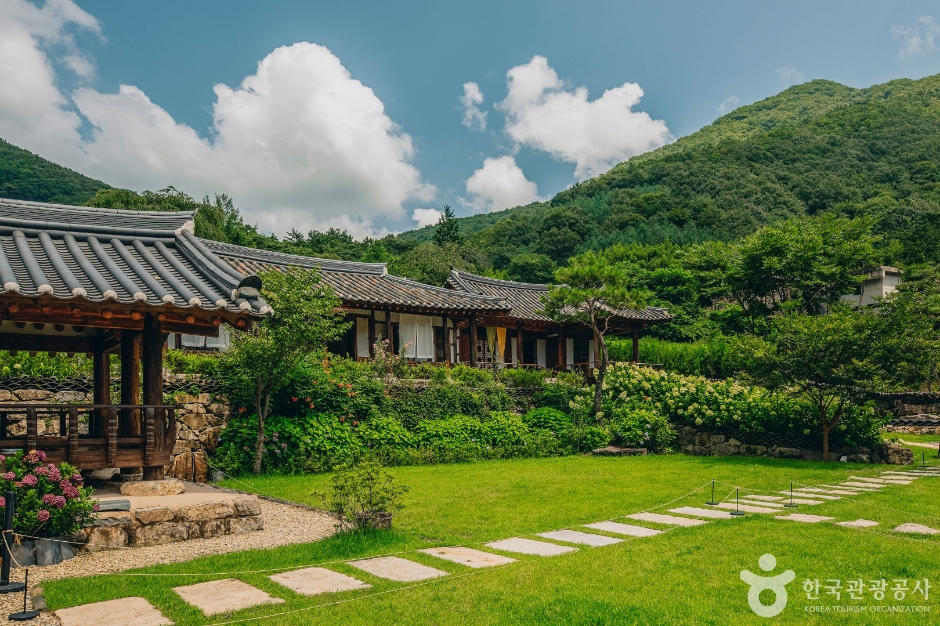
Soyang Hanok Stay (소양고택 한옥스테이)
12.5Km 2024-12-13
472-23 , Songgwangsuman-ro, Wanju-gun, Jeonbuk-do
Located in Wanju, Jeollabuk-do, Soyang House was renovated as a hanok stay in 2010 following the relocation of three 180-year-old hanok houses in danger of demolition. Seohyeondang is furnished with a red clay ondol room equipped with a bathroom and a space for a tea ceremony, and Gahuidang has a cypress bathtub in the bathroom. In Jewoldang, the daecheong (wooden-floored hall) offers an excellent view of the mountain in front of the hanok, while in Hyeondang, the numaru (balcony-like raised veranda) provides a panoramic view of the entire premises. Breakfast and welcome tea are provided as a complimentary service, but cooking is prohibited. Nearby tourist attractions include Songgwangsa Temple and Oseong Reservoir.
O Sung Hanok Village (오성한옥마을)
12.5Km 2024-04-07
Daeheung-ri, Wangju-gun, Jeonbuk-do
Nestled between Jongnamsan Mountain and Wibongsan Mountain, O Sung Hanok Village has hanok mansion and approximately 20 hanok buildings consisting of cafes, galleries and more. The village also has various experience programs including forest walking trail that provides tradtional and cultural insights. The attraction is also known to visitors for its peaceful setting, bringing in visitors wanting to relax and meditate. Many artists who resides in the village offers gallery views, cafe, bookstore and more. In 2019, BTS stayed in the village for one week to shoot "BTS 2019 SUMMER PACKAGE" music videos and magazine photos. The village consistantly attracts ARMY and regular visitors.
Bibinakan (비비낙안)
12.6Km 2025-11-06
26 Bibijeong-gil, Samnye-eup, Wanju-gun, Jeonbuk-do
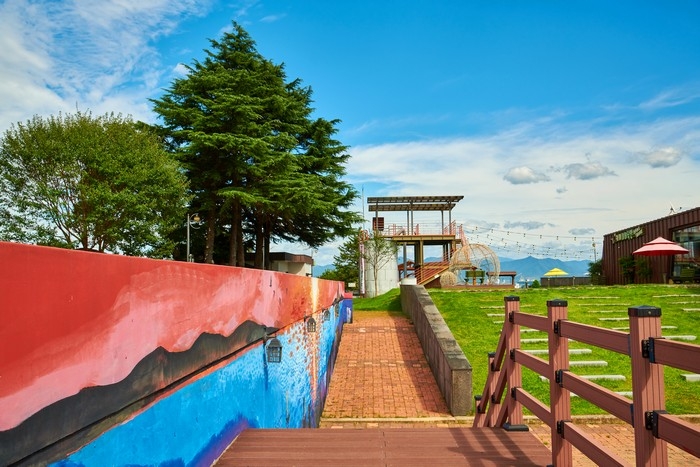
Climbing the steep stairs leading to Bibinakan affords one a view of the open lawn and view of the cafe where BTS members sat comfortably. The scenery of Wanju and the leisurely flow of the Mangyeonggang River as well as downtown Jeonju can be seen in a panoramic view without obstruction. Especially when the sun goes down, the sunset over the river is spectacular scenery.
◎ Travel information to meet Hallyu’s charm
Bibinakan, along with Oseongje Reservoir and Awon Museum and Hotel, is considered one of the refreshing spots in Wanju favored by BTS members. While you enjoy healthy organic drinks and take in the panoramic views, you can understand why BTS chose this location.
Daeseung Hanji Village & Hanok Traditional Culture Experience Center (대승한지마을한옥전통문화체험관)
12.7Km 2024-08-05
18-4 , Bogeom-gil, Wanju-gun, Jeonbuk-do
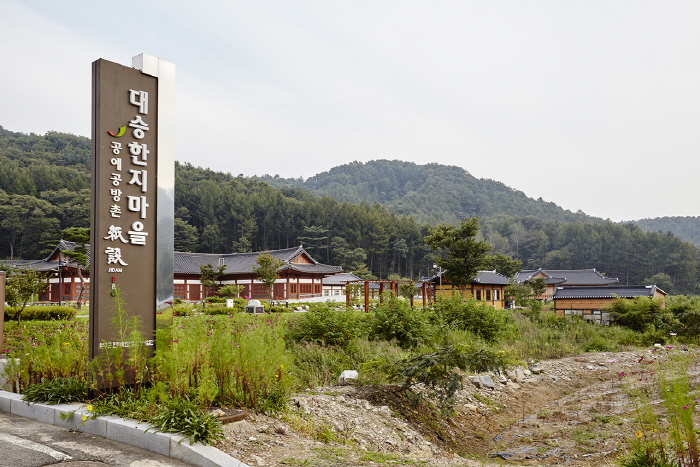
Daeseung Hanji Village in Wanju-gun, Jeollabuk-do, is where the famous Goryeoji (‘Goryeo Paper’) was first made in Goryeo 1,000 years ago. All guestrooms in the village are equipped with toilets, AC and water purifiers, plus pillows made of Korean paper and comfortable blankets. The dining hall kitchen can be used by guests, there is a large (60 sq metre) seminar room, and a yard where traditional games such as Geunae (swing) and Tuho (arrows) are played. The village runs a Hanji Experience Center, where you can learn about hanji history, manufacture and calligraphy.
Wanju Samrye Culture & Arts Village (완주 삼례문화예술촌)
13.4Km 2024-04-07
81-13, Samnyeyeok-ro, Wanju-gun, Jeonbuk-do
Samrye Culture & Arts Village is an art village also referred to as "Samsamyeyemimi." Once used as a granary and an official residence during the Japanese administration, it has now become a village of art. The village consists of Design Museum, Visual Media Art Gallery, Kim Sang-rym Carpentry Shop (Wood Works), and Book Museum and offers a variety of programs during exhibition events and art festivals.
Moaksan Provincial Park (모악산 도립공원)
13.6Km 2024-04-07
Moak 15-gil, Geumsan-myeon, Gimje-si, Jeonbuk-do
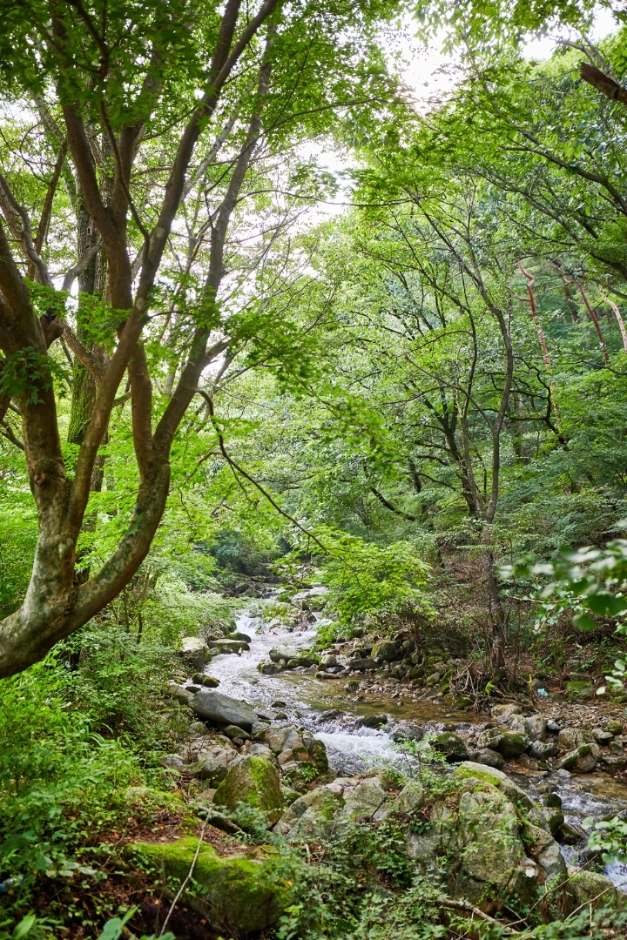
Moaksan Mountain, embracing Geumsansa Temple, Gwisinsa Temple, Suwangsa Temple, and Daewonsa Temple, is 795.2 meters high and stands tall on the east side of the Gimje Plains, offering a panoramic view of the Honam Plains. It was designated as a provincial park in 1971 and is one of the four scenic views in the southern region, with outstanding scenery and many cultural properties, including national treasures. In particular, Geumsansa Temple, built in the first year of King Beop of Baekje (599) and with about ten major cultural properties, is located here, where you can see splendid Buddhist art. If you cross Moaksan Mountain, there are temples such as Daewonsa Temple and Suwangsa Temple on the southeastern slope. Gwisinsa Temple is on the west side. Geumpyeong Reservoir, located near the Geumsansa Temple entrance, is also a suitable fishing spot.
Moaksan Mountain has been considered the home of the Maitreya beliefs since ancient times, and along with the headquarters of Jeungsangyo, it also attracted attention as a gathering place for various new religions in the 30s and 40s. According to records, as many as 80 temples are at the foot of Moaksan Mountain. To hike, leave Geumsansa Temple and climb along the ridge behind Simwonam Hermitage. In spring, azaleas are in full bloom all the way to the top. From the summit, the Gimje Plains and the Mangyeonggang River come into view, as well as Jeonju and Unjangsan Mountain. The cherry blossom tunnel from the parking lot to Iljumun Gate is also spectacular.
 English
 한국어
한국어 日本語
日本語 中文(简体)
 Deutsch
 Français
 Español
 Русский


