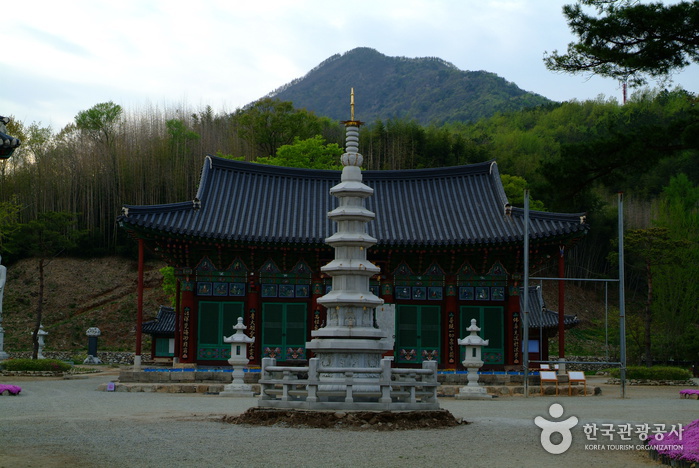
Wanju Songgwangsa Temple (송광사(완주))
6.8Km 2024-04-07
255-16, Songgwangsuman-ro, Wanju-gun, Jeonbuk-do
Songgwangsa Temple in Wanju-gun, Jeollabuk-do has a unique history that spans a period of over a thousand years. For many years the temple lay incomplete until Monk Bojo Chejing began reconstruction in the 7th year of King Gyeongmun of Silla (AD 867). The temple was destroyed at one point in time, but Master Monk Jinul prayed that it be rebuilt. In accordance with his fervent hopes, in the 1600s the monk’s followers rebuilt a number of the temple’s halls and buildings, many of which can still be seen today. The temple is also remembered as the temple that King Injo helped rebuild with the hope that his two sons, who had been taken hostage by the Qing dynasty during the Byeongjahoran War (Chinese invasion of Korea in 1636), would be returned safely and that Buddha would heal the nation.
One of the Korea’s four major temples, Songgwangsa is home to Jijangbosal and Siwangsang statues (found in Jijangjeon Hall), a Seokgayeorae statue, and 500 Nahansang statues (found in Nahanjeon Hall). The temple is also home to eight Tangible Cultural Assets and four Treasured Cultural Assets: Daeungjeon Hall, the Samsebulsang statues, the bell-tower, and the Sacheonwangsang statue.
Beloved for its historical significance as well as its beauty, the temple draws throngs of worshipers throughout the year. In spring, many tourists flock to the area to explore the temple and walk through the nearby cherry blossom tunnels. A worthwhile attraction for visitors of all ages, the temple is particularly well-suited for those with mobility problems since it is located on ground level.
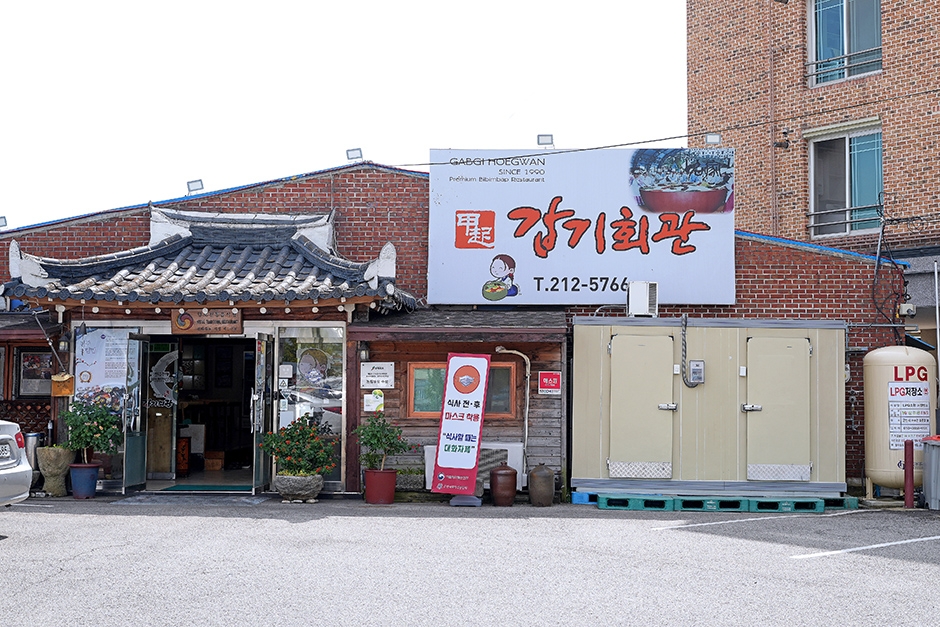
Gapgi Hoegwan Main Branch (갑기회관 본점)
7.2Km 2024-12-03
전북특별자치도 전주시 덕진구 상리로 50
The signature menu of this restaurant is yagyong bibimbap (medicinal bibimbap), which has rice cooked in water boiled with seven to eight medicinal herbs. The yagyong bibimbap features not only traditional bibimbap ingredients but also medicinal ingredients, such as chestnuts and jujube, which add flavor and health benefits. The restaurant also makes its own red chili paste, which gains a mild sweetness from apples, pear, and onions used in fermentation.
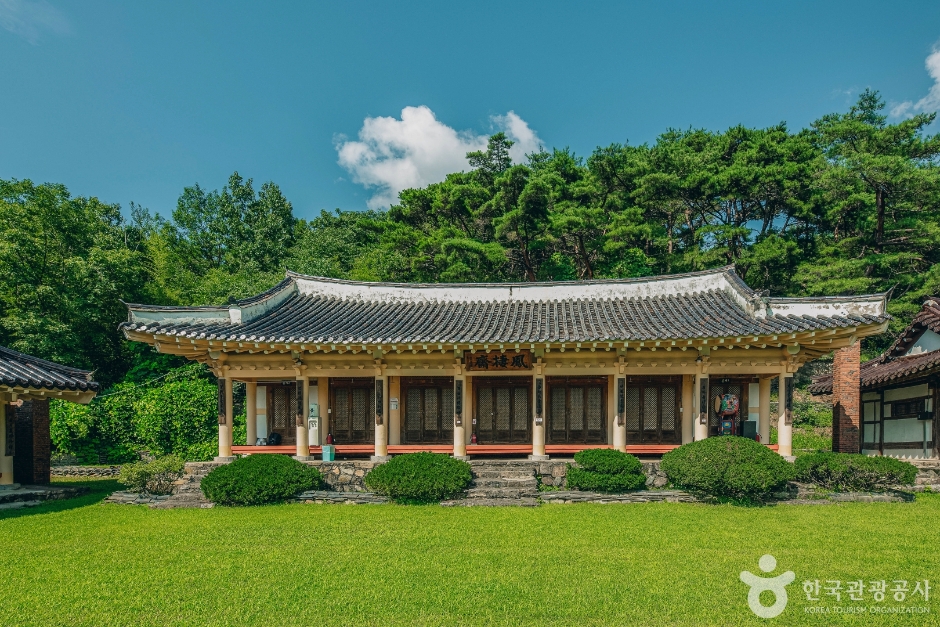
Happydream (행복드림한옥)
7.3Km 2024-08-05
181-21 , Bongseoan-gil, Wanju-gun, Jeonbuk-do
Dueok Happydream Village is located in Bongseo-gol, Wanju-gun, Jeollabuk-do - a location said to be one of the most propitious in Korea, owing to the surrounding mountains’ resemblance to the Bonghwang mythical bird. The guesthouse’s tile-roofed buildings are set in a wide grassy yard against a background of green mountains. As well as accomodation the village operates various nature and traditional culture experience programs, some of which take place at the guesthouse. The rooms are small but clean and comfy, and with the doors open offer scenic views.

Open Space Nu-e (복합문화지구 누에)
7.4Km 2024-04-06
462-9 , Wanju-ro, Wanju-gun, Jeonbuk-do
Nu-e, a complex cultural district located in Wanju-gun, Jeollabuk-do, opened with the goal of "a living space where everyone communicates through art." As part of the cultural regeneration project, it was built in the Jeollabuk-do Jameop (silkworm business) testing center complex and is carrying out projects such as cultural and artistic education, exhibition planning, and the creation of creative spaces. Facilities include Nu-e Art Hall, where various art exhibitions and performances are held, guesthouse 'Sum' for local residents, a camping ground and lounge, a pottery room, a kiln room, etc. There is a children's space called "Dreaming Nu-e Playground" where adults are not permitted, making it a good place for family trips. It is also recommended to visit the Jeonbuk Provincial Museum of Art and Samnye Culture and Art Village, representative tourist facilities in Wanju-gun.
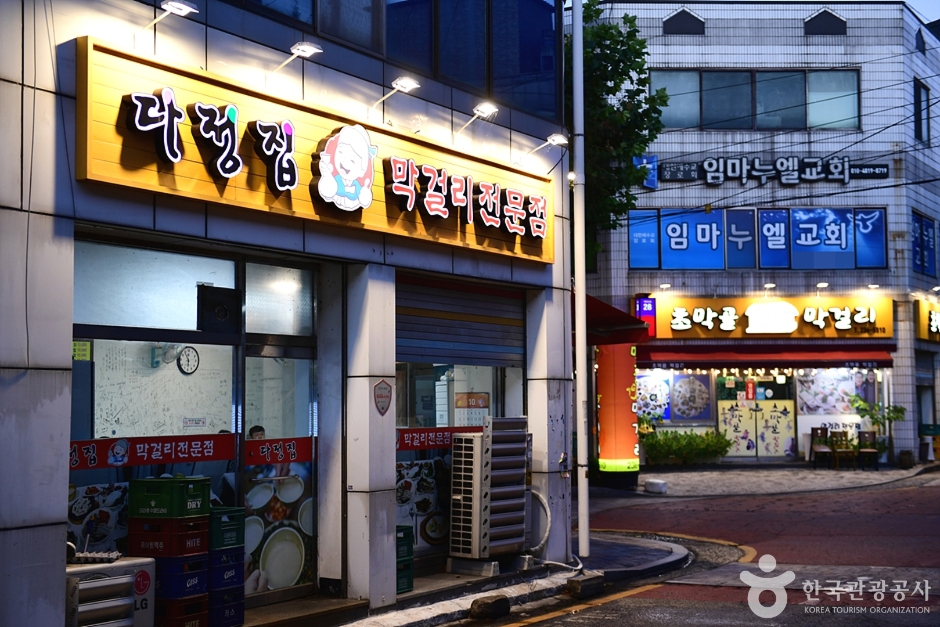
Samcheon 2(i)-dong Makgeolli Street (삼천 2동 막걸리골목)
7.5Km 2025-07-22
Samcheon-dong 1(il)-ga, Wansan-gu, Jeonju-si, Jeonbuk-do
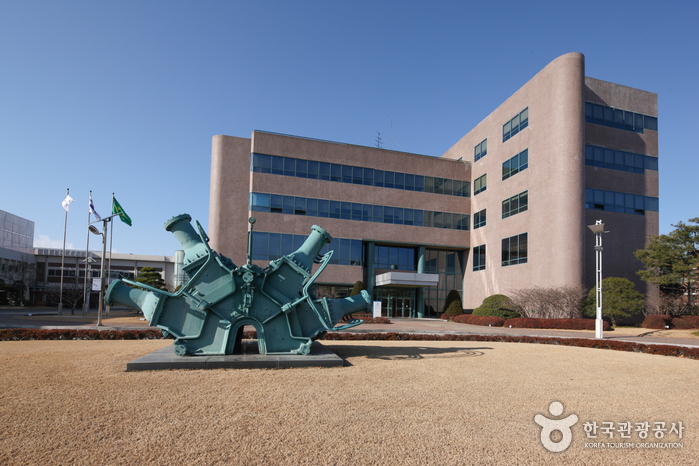
Samcheon-dong Makgeolli Street is the 200-meter-long line of makgeolli (Korean rice wine) bars clustered together along Geomasan-ro Street in Wansan-gu, Jeonju. Once known as the city for producing the best makgeolli in the nation, Jeonju is home to many makgeolli breweries and bars, which are concentrated in Samcheon-dong. Many of these locations formed in the ‘90s, when makgeolli rose as the country’s most favorite alcohol at the time. The makgeolli breweries and bars in Samcheon-dong are renowned for withstanding the test of time, and the area is now a designated Jeonju Future Heritage. Many of the bars in Samcheong-dong provide authentic Korean side dish that pair well with makgeolli, and the neighborhood is considered a must-visit for experiencing the authentic local vibe.
eonju Hanji Museum (전주한지박물관)
7.5Km 2024-04-06
59, Palbok-ro, Deokjin-gu, Jeonju-si, Jeonbuk-do
Jeonju Hanji Museum was founded to promote the excellence of hanji (traditional Korean paper) and present how it has impacted the lifestyle of Koreans in the past and the present. Hanji crafts, tools for making Hanji, ancient manuscripts and books are on display, and there is a museum shop where visitors can buy souvenirs to take home with them. Activities such as hanji making and woodblock printing are also part of the experience.
Sophia Women's Clinic (소피아여성의원)
7.7Km 2025-10-23
(3rd Floor), 245 Hongsan-ro, Wansan-gu, Jeonju-si, Jeonbuk-do
Sophia Women's Clinic is dedicated to continuously researching ways to enhance women's happiness.
Rediscover your beautiful happiness at Sophia Women's Clinic, a trusted and specialized women's clinic known for its safe and extensive experience.
With its advanced medical knowledge and cutting-edge medical equipment, Sophia Women's Clinic is a specialized medical institution that provides treatments such as incontinence therapy and vaginal surgery, which address issues that can affect a woman's self-esteem. We strive to be the best in the field of gynecology worldwide.
True to the meaning of 'Sophia' (wisdom), we are committed to delivering 'wise medical care' to improve the quality of life and happiness for women.
Palbok Art Factory (팔복예술공장)
7.7Km 2024-05-02
46 Guretdeul 1-gil, Deokjin-gu, Jeonju-si, Jeonbuk-do
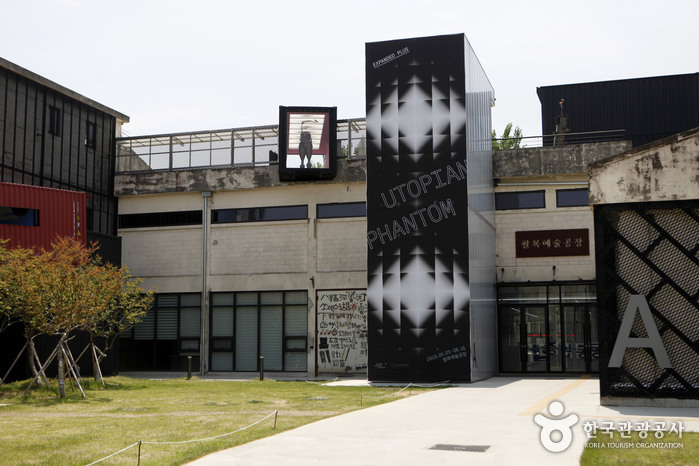
Palbok Art Factory was founded in an old cassette tape factory twenty-five years after it went out of business with the advent of the CD. The factory aims to spread art and artistic creativity to the world, much like the previous cassette tape company did at their peak in the '80s.
NocWoonJae (녹운재)
8.4Km 2024-12-23
472-18 , Songgwangsuman-ro, Wanju-gun, Jeonbuk-do
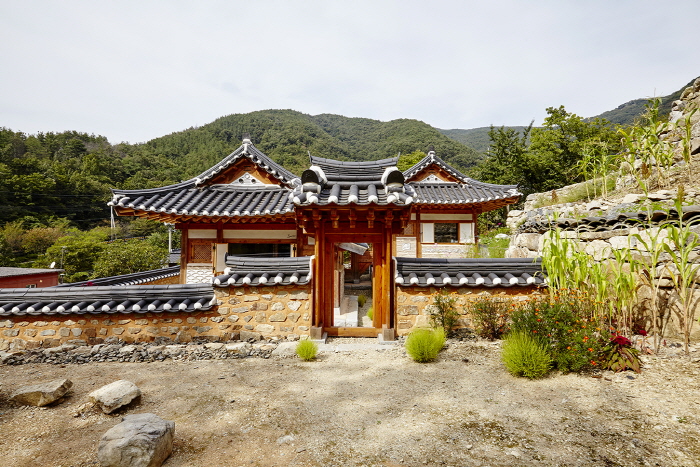
Nokwoonjae is a guest hanok in Oseong Hanok Village, Wanju-gun, Jeollabuk-do. It comprises two houses built on sloping land - Naunchae above and Unahchae below - with a corridor connecting the two. All rooms are built of timber and red clay - beneficial to both mind and body - and have large windows to let you enjoy natural views and breezes.Toast, jam, and milk are provided for breakfast, and self-catering is possible. Sagunja painting and tea ceremony experiences are offered, while local visitor destinations include Songgwangsa Temple, Wibongsa Temple, the 60m Wibong Falls (one of Wanseon’s ‘Eight Splended Views’) and Jeonju Hanok Village.
Soyang Hanok Stay (소양고택 한옥스테이)
8.5Km 2024-12-13
472-23 , Songgwangsuman-ro, Wanju-gun, Jeonbuk-do
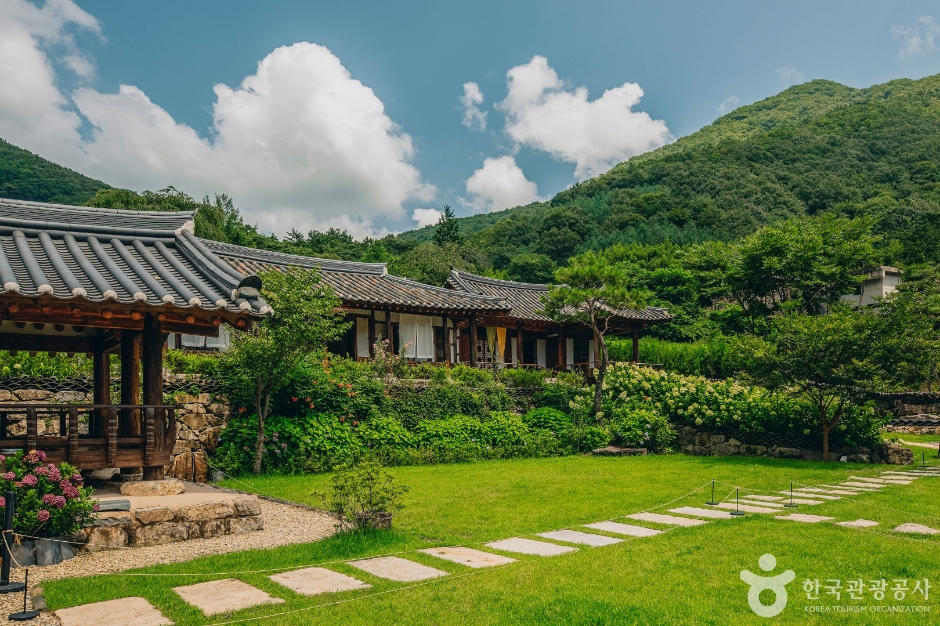
Located in Wanju, Jeollabuk-do, Soyang House was renovated as a hanok stay in 2010 following the relocation of three 180-year-old hanok houses in danger of demolition. Seohyeondang is furnished with a red clay ondol room equipped with a bathroom and a space for a tea ceremony, and Gahuidang has a cypress bathtub in the bathroom. In Jewoldang, the daecheong (wooden-floored hall) offers an excellent view of the mountain in front of the hanok, while in Hyeondang, the numaru (balcony-like raised veranda) provides a panoramic view of the entire premises. Breakfast and welcome tea are provided as a complimentary service, but cooking is prohibited. Nearby tourist attractions include Songgwangsa Temple and Oseong Reservoir.
 English
 한국어
한국어 日本語
日本語 中文(简体)
 Deutsch
 Français
 Español
 Русский


