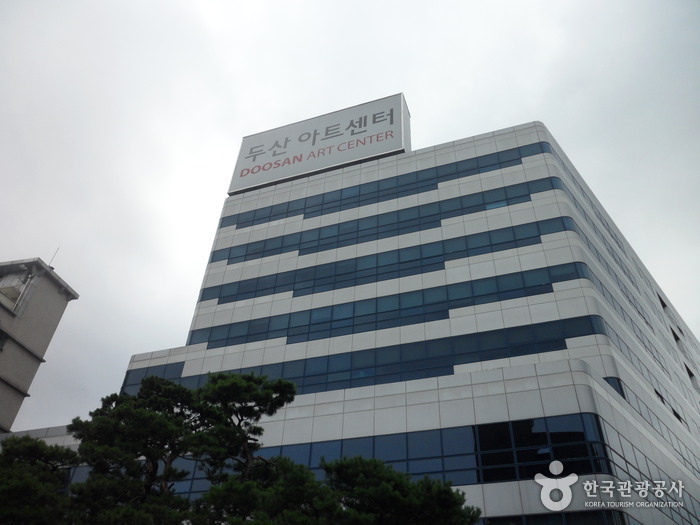
Doosan Art Center (두산아트센터)
17.2Km 2021-11-01
15, Jong-ro 33-gil, Jongno-gu, Seoul
+82-2-708-5001
Doosan Art Center, which opened on October 1, 2007, is structured around three different spaces: The Yonkang Hall, exclusively designed for musical performances, Space 111, a “space for art incubation,” and the Doosan Gallery, built for installations.
The Yongang Hall, a theater with 620-person seating capacity, has specially designed lightings and a world-class audio-visual system to provide a second-to-none sensory experience.
Space 111 can accommodate a broad range of performing arts, from theater and dance to film and music concerts. The Doosan Gallery is open to the public, and art exhibitions and performances here can be enjoyed free of charge.
All three theaters include spacious lobbies with handicapped access, designated seating for parents with infants, and meeting areas. Rest rooms are also available nearby, in order to avoid long queues and long walks during intermission.
![Merrell - Dobongsan Branch [Tax Refund Shop] (머렐 도봉산)](http://tong.visitkorea.or.kr/cms/resource/10/2889510_image2_1.jpg)
Merrell - Dobongsan Branch [Tax Refund Shop] (머렐 도봉산)
17.3Km 2024-04-18
73, Dobongsan-gil, Dobong-gu, Seoul
-
![Champion International Company MOK & COO [Tax Refund Shop] (챔피온인터내셔널MOK & COO)](http://tong.visitkorea.or.kr/cms/resource/29/2879729_image2_1.jpg)
Champion International Company MOK & COO [Tax Refund Shop] (챔피온인터내셔널MOK & COO)
17.3Km 2024-04-22
16, Dosan-daero 11-gil, Gangnam-gu, Seoul
-
![PVH CK Underwear - Garosu Branch [Tax Refund Shop] (PVH CK언더웨어 가로수)](http://tong.visitkorea.or.kr/cms/resource/39/2879739_image2_1.jpg)
PVH CK Underwear - Garosu Branch [Tax Refund Shop] (PVH CK언더웨어 가로수)
17.3Km 2024-04-18
Store #516-11, 43, Gangnam-daero 154-gil, Gangnam-gu, Seoul
-
![Innisfree - Daehangno Branch [Tax Refund Shop] (이니스프리 대학로)](http://tong.visitkorea.or.kr/cms/resource/84/2878184_image2_1.jpg)
Innisfree - Daehangno Branch [Tax Refund Shop] (이니스프리 대학로)
17.3Km 2024-04-19
51, Daehak-ro 11-gil, Jongno-gu, Seoul
-
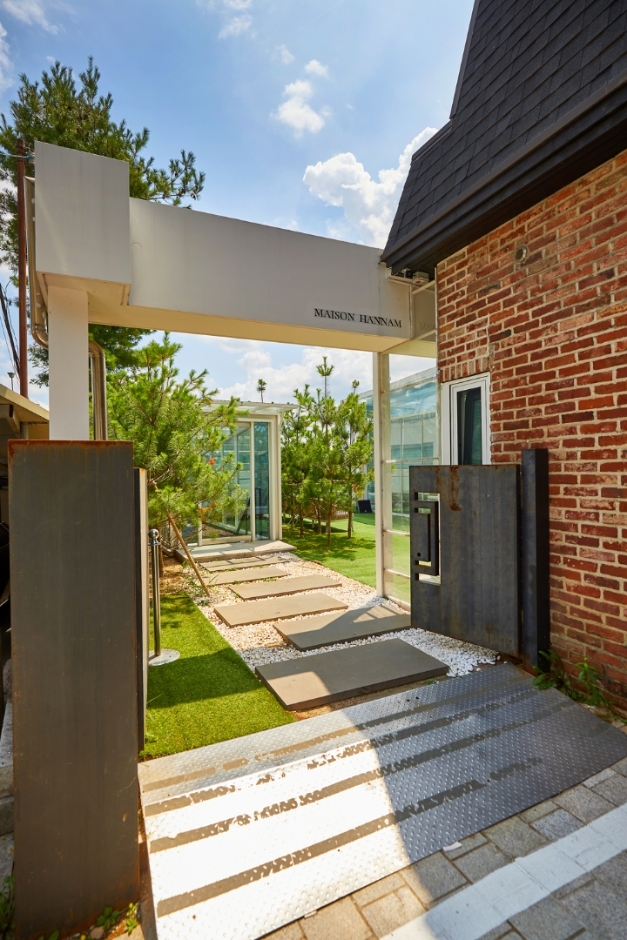
Maison Hannam (메종 한남)
17.3Km 2024-12-27
24 UN village 3-gil, Yongsan-gu, Seoul
Remodeled from the prevoius Italian Embassy, this restaurant boasts an excellent view of the Hangang River and Lotte World Tower. It is a popular place for dates or birthday parties, requiring a reservation at least a month in advance to sit on the terrace with a view of the Hangang River. Among the recommended menus is the Maison Lunch Set, which offers three courses, including appetizers (such as grilled scallops), pasta, and Korean beef steak. The food is served warm, and the utensils are changed frequently for a pleasant meal. There is a glass greenhouse on the outdoor terrace, so guests can enjoy the Hangang River view regardless of the weather.

Himedi, Inc. (하이메디)
17.3Km 2025-11-21
4th Floor, 6-9 Teheran-ro 25-gil, Gangnam-gu, Seoul
Your Health, Your Journey. World-class medical tourism in South Korea, on your terms.
We only work with best clinics in Korea.
Our curated check up packages use Korea's most advanced diagnostic to give you answer beyond a typical exam, from full body check up to hormon test. Every packages comes with Himedi's concierge support.
We also provide a complete range of wellness and aesthetic services—including advanced skin care, hair restoration, dental treatments, vision correction, stem cell therapy, plastic surgery, and body sculpting—to help you look and feel your best.
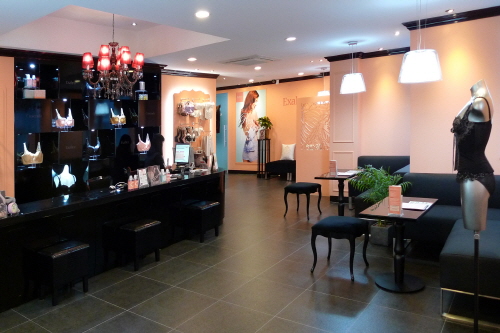
Exabra (엑사브라)
17.3Km 2024-05-16
132, Dosan-daero, Gangnam-gu, Seoul
+82-2-6085-9017
Exabras are handmade under garments specialized for functional bridal wear. Exbaras’ product “Grow Night,” an industry first, is a line of sleeping bras to help the reshaping process for breast implant patients.
The store located in Nonhyeon-dong provides consultations, fitting services, as well as refreshments. Reservation is advised since the store has been drawing lots of visitors after featured in the cable TV show “Get it Beauty.”
![Casamia - Apgujeong Branch [Tax Refund Shop] (까사미아 압구정)](http://tong.visitkorea.or.kr/cms/resource/16/2879616_image2_1.jpg)
Casamia - Apgujeong Branch [Tax Refund Shop] (까사미아 압구정)
17.3Km 2024-04-22
102, Apgujeong-ro, Gangnam-gu, Seoul
-
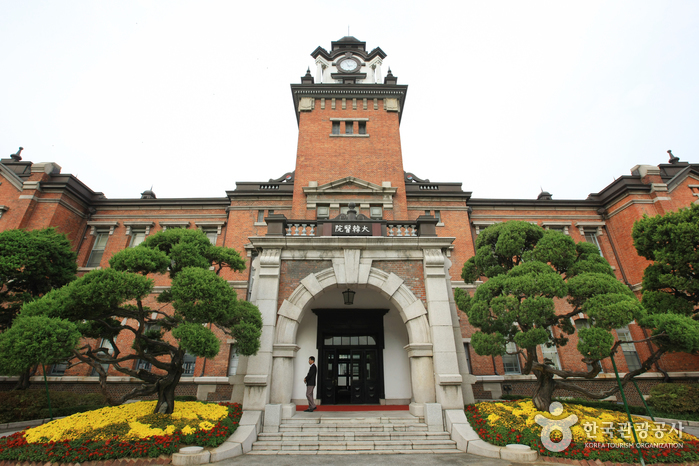
Seoul Daehan Hospital (서울 대한의원)
17.3Km 2021-12-23
101, Daehak-ro, Jongno-gu, Seoul
+82-2-2148-1842
Daehanuiwon (Daehan Medical Center) is an antique two-story brick building within the grounds of Seoul National University Hospital. It was established under the direct administration of the Uijeongbu (State Council), combining the Gwangjewon (under the Home Ministry), Gyeongseong Medical School and the Korean Red Cross Hospital (under the Royal Household).
Built in the Madubong Hill area, this location where Hamchunwon, the outer garden of Changgyeonggung Palace, once stood in 1484 (15th year of King Seongjong), was also once the site of Gyeongmogung Palace, where King Jeongjo enshrined the mortuary tablet of his birth father Crown Prince Sado Seja in 1776 (the year King Jeongjo ascended to the throne).
These places that held importance for the royal family were destroyed as the Japanese built Gyeongseong Empire University in its place. In 1907, with the announcement of the plan to establish Daehan Medical Center, construction began on the main building, seven wards and affiliated buildings. Construction was completed in November 1908.
The Daehan Medical Center opened in Gwangjewon, but upon Japanese colonization in 1910, its name was changed to the Japanese Viceroyalty Hospital. In 1926, it was included as a part of Gyeongseongjeguk University to become a university hospital. Since the liberation of Korea in 1945, it has been a hospital affiliated with Seoul National University.
 English
 한국어
한국어 日本語
日本語 中文(简体)
 Deutsch
 Français
 Español
 Русский


