
Seoul Forest (서울숲)
17.9Km 2024-10-29
273 Ttukseom-ro, Seongdong-gu, Seoul
+82-2-460-2905
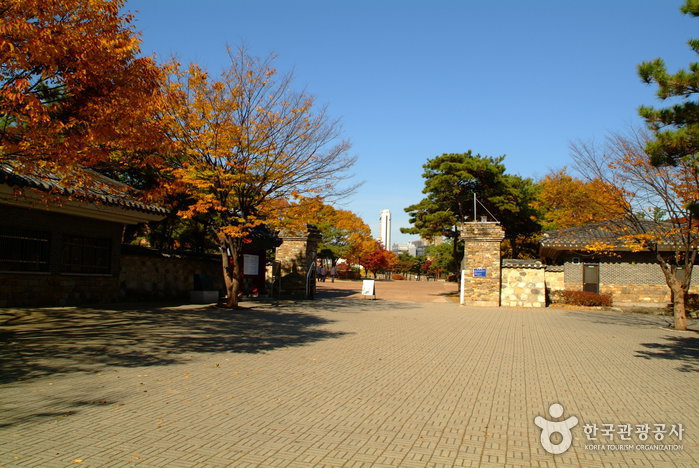
Seoul Forest is a city park opened on June 18, 2005 in what was originally a water treatment facility. Consisting of four themed parks spread over approximately 595,000 ㎡ of land, Seoul Forest is an eco-friendly zone appreciated not only by the people of the city but also those visiting Seoul.
![KGC - Dongmyo Branch [Tax Refund Shop] (KGC 동묘점)](http://tong.visitkorea.or.kr/cms/resource/91/2878191_image2_1.jpg)
Seoul Seokchon-dong Ancient Tombs (서울 석촌동 고분군)
18.0Km 2021-02-26
21, Garak-ro 7-gil, Songpa-gu, Seoul
+82-2-421-0970
The Ancient Tombs in Seokchon-dong were found and investigated as part of the city development project in Jamsil district. It was impossible to determine the full scale of the ancient tombs in this area due to the severity of destruction. The largest tomb, the third tomb, measures 49.6 meters from east to west, 43.7 meters from south to north, and 4 meters in x_height. The tomb features three layers of stones topped by a smooth mound, which is a tomb style originating from the Goguryeo dynasty (37 BC-AD 668). The tombs are presumed to belong to one of the earliest leaders of the Baekje dynasty (18 BC-AD 660), which was founded by the people of Goguryeo who had come down southwards to establish a new kingdom around the Hangang River basin.
The square-shaped fourth tomb features a structure similar to the third tomb. Many pieces of earthenware from the early Baekje era were found in the fourth tomb. Also excavated around this site was a gold spangle earring. The third and fourth tombs have been registered as Historic Site No. 243. The tomb site offers valuable information concerning the culture and customs of the Baekje dynasty in its golden age around the 4th century, as well as the relations between the three ancient kingdoms (Goguryeo, Baekje, and Silla) around that time.
Olive Young - Sincheon Jungang Branch [Tax Refund Shop] (올리브영 신천중앙점)
18.0Km 2024-06-27
2F, 114, Olympic-ro, Songpa-gu, Seoul
-
Alleys of Changsin-dong (창신동골목길)
18.0Km 2025-11-05
38, Jibong-ro 11-gil, Jongno-gu, Seoul
K-movie <PARASITE> - A town full of nostalgia
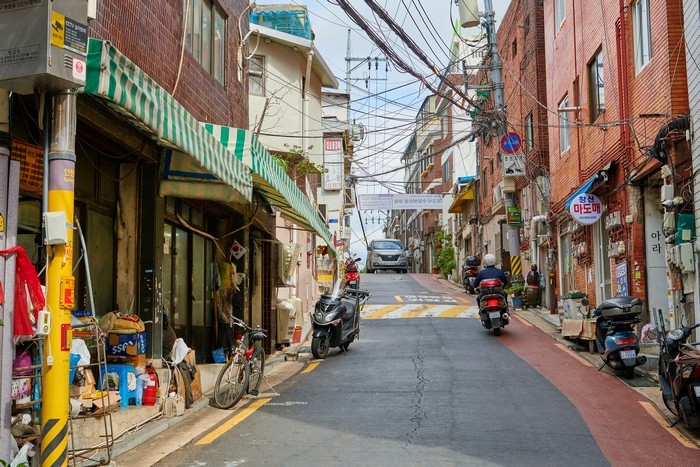
On the day Kitaek's family returned home, the torrential rain flowed ferociously in streams. The alleys of Changsin-dong, with its narrow and steep stairs, were a good backdrop for visually representing the condition of the Kitaek’s family, who were about to fall. Changsin-dong is a warm and charming neighborhood where traces of the 70s and 80s can be felt.
Hwanghak-dong Flea Market (Dokkaebi Market / Manmul Market) (황학동 벼룩시장 (도깨비시장/만물시장))
18.1Km 2025-04-11
11-7 Majang-ro 5-gil, Jung-gu, Seoul
Hwanghak-dong Flea Market was named after the way how merchants travel from one place to another all over the country, as if like fleas hopping around from one spot to another, to collect rare and valuable items. This market was once a haven of antiques and collectibles, but with the formation of old-fashioned art street in 1983 in Janganpyeong, many classic art shops had moved out, leaving only used item and general goods stores. Now, visitors can find stores selling antiques, used furniture, electronics, clocks, jewelry, musical instruments, camera, and machinery – pretty much anything one can name. Hwanghak-dong Flea Market is also referred to as Dokkaebbi Market, to describe how even the most rundown items become just like new, as if like the work of a dokkaebi (Korean folk goblin).
![Olive Young - Dongmyo Station Branch [Tax Refund Shop] (올리브영 동묘앞역)](http://tong.visitkorea.or.kr/cms/resource/87/2878187_image2_1.jpg)
Olive Young - Dongmyo Station Branch [Tax Refund Shop] (올리브영 동묘앞역)
18.1Km 2024-04-17
37-1, Jibong-ro, Jongno-gu, Seoul
-
Lotte Mart - Haengdang Station Branch [Tax Refund Shop] (롯데마트 행당역점)
18.1Km 2024-04-22
76, Haengdang-ro, Seongdong-gu, Seoul
-
Waterworks Museum (수도박물관)
18.1Km 2025-01-17
27, Wangsimni-ro, Seongdong-gu, Seoul
+82-2-3146-5936
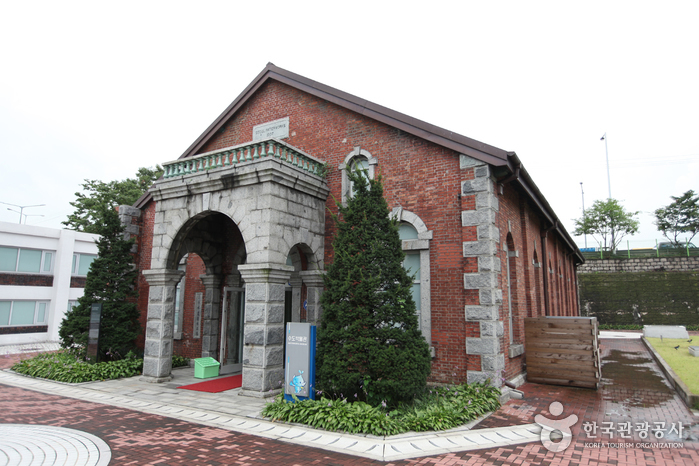
The Ttukseom Water Purification Plant (Waterworks Museum and Slow Sand Filtration Basin) was completed in August 1908 as the first water purification plant ever built in Korea. In 2008, it celebrated 100 years of history with the opening of the Waterworks Museum, which showcases the history and value of Seoul's public waterworks. The museum was recognized for its modern architectural design and designated Tangible Cultural Asset of Seoul No.72.
![Artbox - Jamsilsaenae Branch [Tax Refund Shop] (아트박스 잠실새내점)](http://tong.visitkorea.or.kr/cms/resource/21/3314521_image2_1.jpg)
Artbox - Jamsilsaenae Branch [Tax Refund Shop] (아트박스 잠실새내점)
18.1Km 2024-06-27
88, Seokchonhosu-ro, Songpa-gu, Seoul
-
 English
 한국어
한국어 日本語
日本語 中文(简体)
 Deutsch
 Français
 Español
 Русский


