
KwangDong Hospital (광동병원)
16.6Km 2025-10-23
612 Bongeunsa-ro, Gangnam-gu, Seoul
Kwangdong Hospital, located in the heart of Samseong-dong, Gangnam, is a premium secondary hospital combining university-level expertise with the convenience of a private clinic. We offer diverse departments, including Allergy, Neurology, Orthopedics, Rehabilitation, Family Medicine, and Korean Medicine, along with specialized centers such as Dementia Prevention, Asthma & Allergy, and Anti-Aging & Immunity. With state-of-the-art equipment and experienced medical staff, we provide premium health screening program and patient-tailored integrative care, including regenerative and functional medicine, delivering trusted total healthcare services to both domestic and international patients.

Seongsu Museum (성수미술관)
16.6Km 2025-10-30
39 Seongsuil-ro 8-gil, Seongdong-gu, Seoul
rom drawing to coloring
This is a canvas drawing cafe where Yuna of ITZY visited and experienced art. It is decorated as a cultural living space where you can draw and color. Drawing tools such as sketches, acrylic paints, and brushes are provided. It is also interesting that there is a mobile phone holder so that you can capture your drawing as a time-lapse.

Seongsu-dong Handmade Shoes Street (성수동 수제화거리)
16.6Km 2025-03-15
15, Yeonmujang 7-gil, Seongdong-gu, Seoul
Handmade shoe manufacturers began to gather in the 1970s to form a street and make history. Today, there are some 350 handmade shoe manufacturers, 100 intermediate processing and raw materials companies, and new cafes with unique vibes opening up one after another. Thanks to its vintage appeal, many people visit on dates and to take cool photos.
Seongsu Stage 35 (스테이지35 성수)
16.7Km 2025-07-17
35 Yeonmujang-gil, Seongdong-gu, Seoul
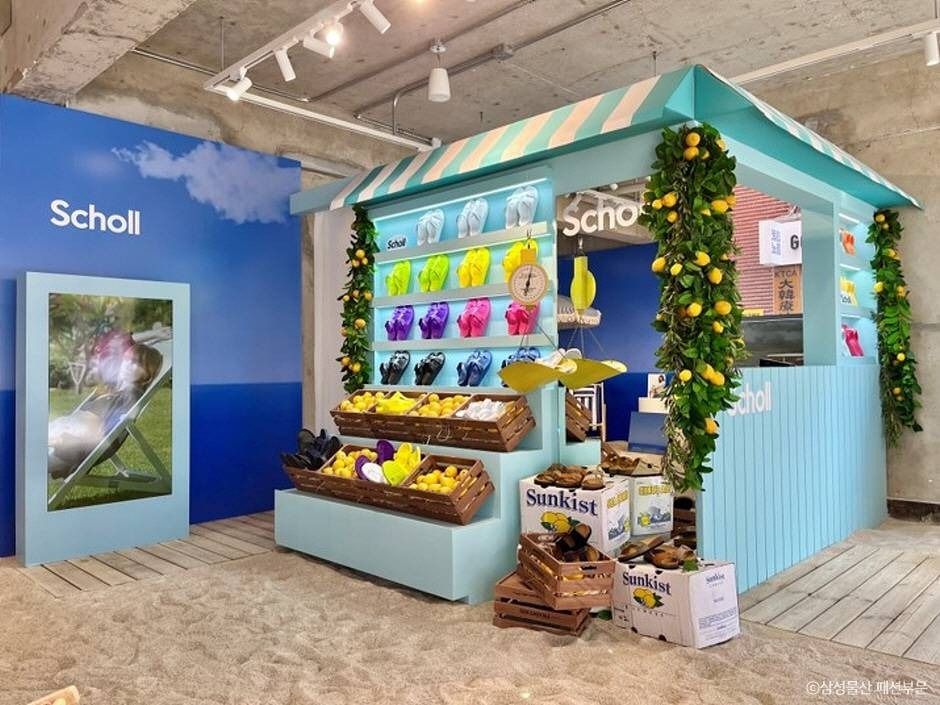
Located in Seongsu-dong, a popular neighborhood in Seoul, Stage 35 is a cultural complex spread across four floors. Capturing the unique vibes of Seongsu-dong and keeping up with trends, Stage 35 hosts pop-up stores, art exhibitions, showcase launches, and offers a space for content filming. It is considered a must-visit place for visitors who want to keep up with trends and experience brands' new season items. It has hosted collaborations with popular brands, including Levi's, Comme des Garçons, Thom Browne, and Bao Bao.
Ongeundal (옹근달)
16.8Km 2025-10-29
41-1, Seongsui-ro 7-gil, Seongdong-gu, Seoul
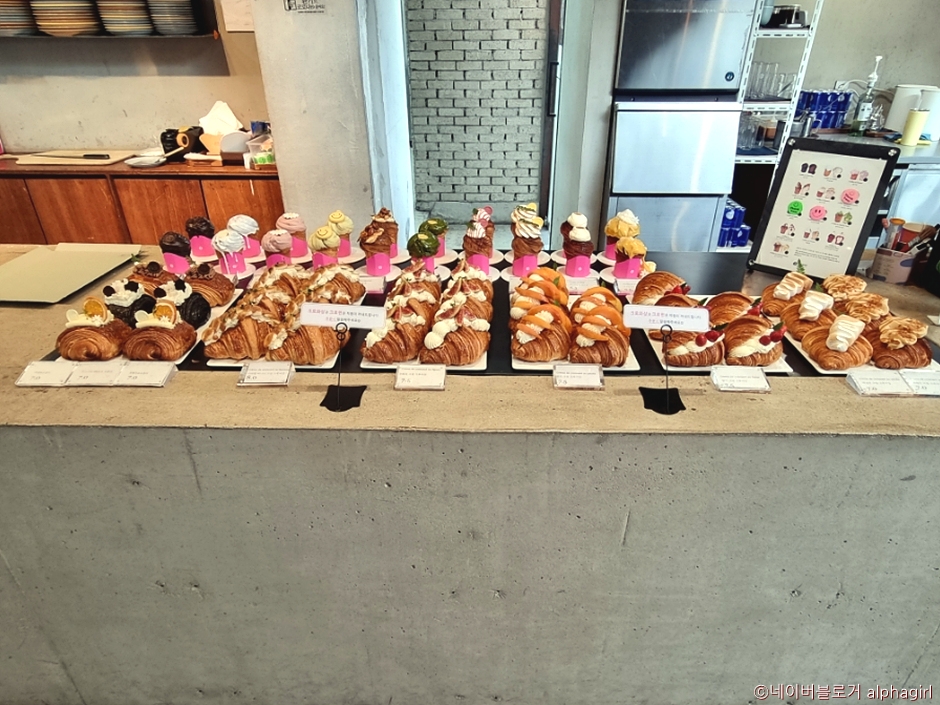
This bakery in Seongsu-dong boasts a colorful and unique visual, and is gaining popularity for its “cruffin,” a hybrid of a croissant and muffin. The menu includes a variety of breads and desserts, such as canelé, pound cake, crumble, and mille-feuille, making it a paradise for bread-lovers. The courtyard of the building, which was remodeled from an old factory, has thick bushes and a small square pond, offering a unique view. The floor-to-ceiling windows in this two-story building create the feeling of a wide, open space, making it full of photo opportunities.
Grand InterContinental Seoul Parnas (그랜드 인터컨티넨탈 서울 파르나스)
16.8Km 2024-08-20
521, Teheran-ro, Gangnam-gu, Seoul
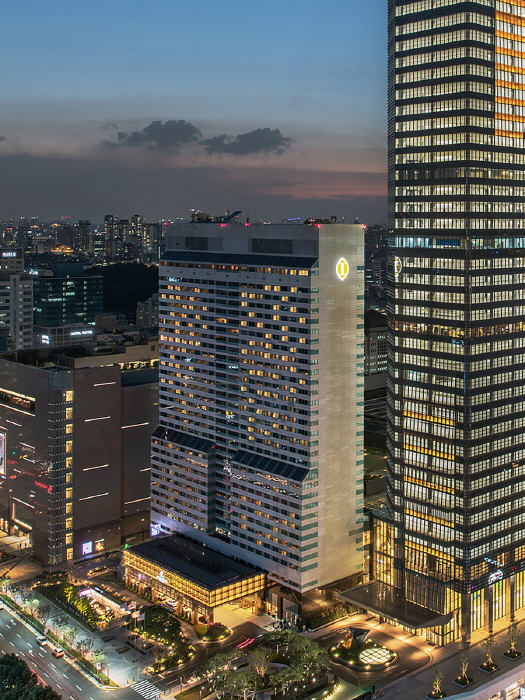
The Grand InterContinental Seoul Parnas is conveniently located in the heart of southern Seoul’s business district, featuring COEX convention and exhibition center, and City Airport. THe nearby COEX Mall offers duty free shops, a casino, cinema and over 200 shops.
The hotel is the largest 5-star hotel in Korea, featuring state-of-the-art amenities, including a grand ballroom and 15 banquet halls, perfect for hosting conventions and gathers of all sizes. Each of the 516 guestrooms is large and decorated comfortably for the perfect stay. Also, the hotel offers various restaurants from French, Italian, Asian, Japanese, to Chinese with top of the line chefs that cook up a delicious meal.
Parnas Mall (파르나스몰)
16.8Km 2025-01-06
521, Teheran-ro, Gangnam-gu, Seoul
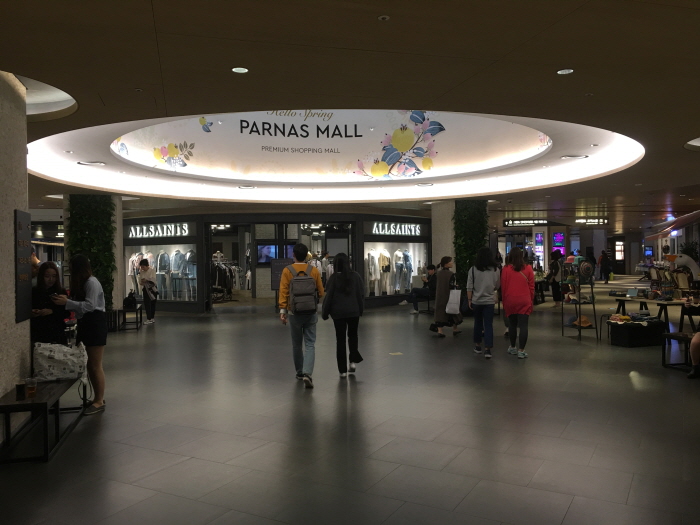
Parnas Mall is the first premium casual shopping mall opened by a hotel chain. Grand Intercontinental Seoul's Parnas Mall is located on the first underground level and features shopping, food, beverages, and cultural activities all in one place.
Seohuri Forest (서후리숲)
16.8Km 2025-10-27
200 Geobukbawi 1-gil, Seojong-myeon, Yangpyeong-gun, Gyeonggi-do
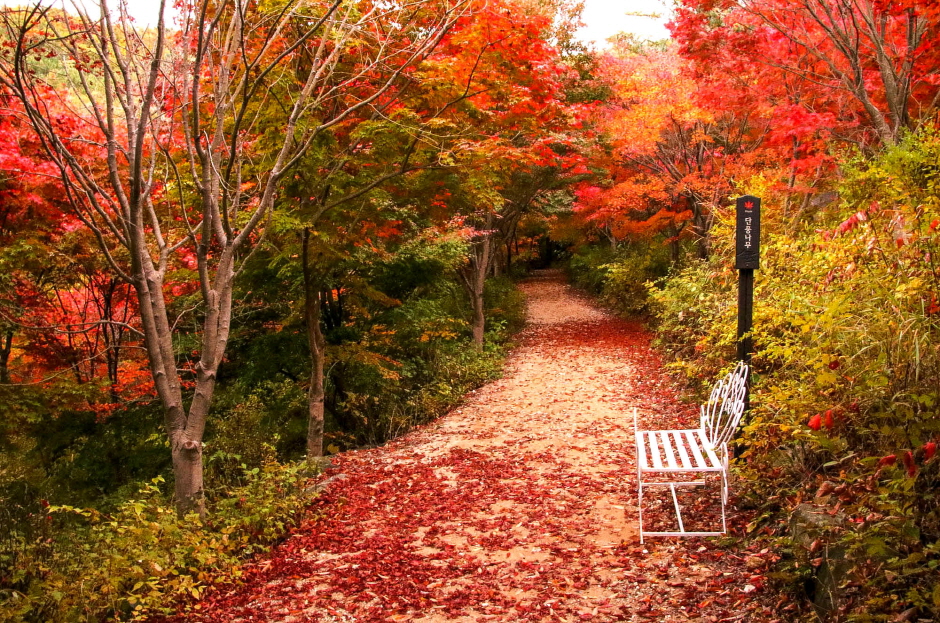
Seohuri Forest opened in 2014 with beautiful nature. The forest is comprised of a variety of tree species in different clusters, including pine nut, maple, metasequia, ginkgo, birch, and more. The forest features two walking paths, each taking around 30 minutes to complete.
Starfield COEX Mall (스타필드 코엑스몰)
16.9Km 2025-12-08
513 Yeongdong-daero, Gangnam-gu, Seoul
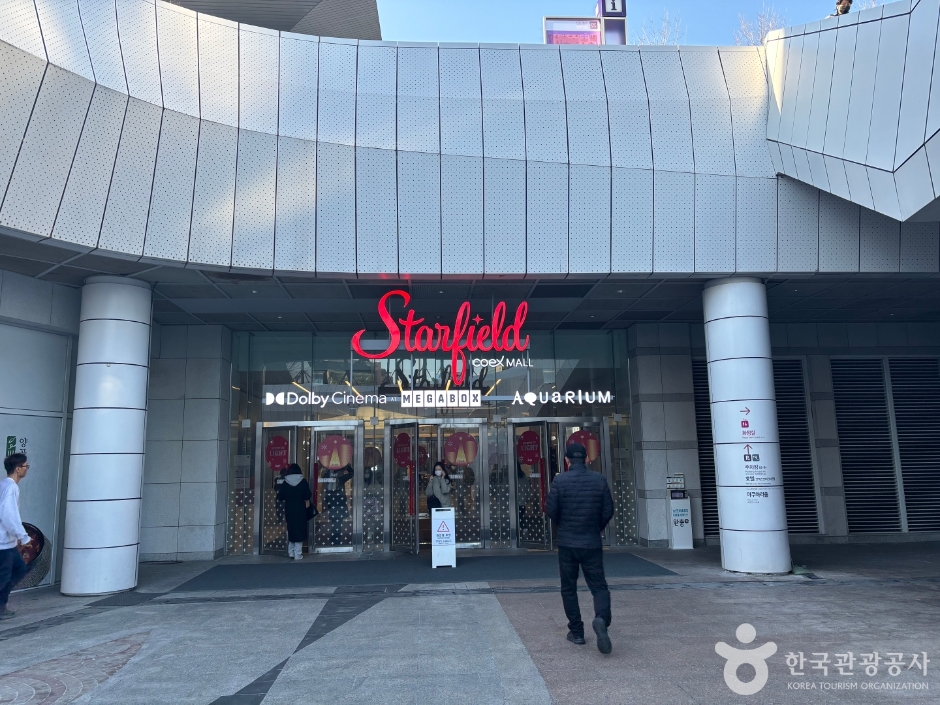
Starfield COEX Mall, located at the center of Seoul, leads in trend and culture. Combining fashion, food, culture and entertainment, the mall provides everything the visitors need. The Starfield Library offers a space to rest and entertainment with books.
Dogo Dental Clinic (도고치과의원)
16.9Km 2025-10-23
(4th Floor, Yungok Building), 533 Bongeunsa-ro, Gangnam-gu, Seoul
‘Dogo’ is an ancient Korean word used to describe the groundwork that had to be done before placing the foundation stone to build traditional Korean houses and buildings. Dogo Dental Clinic pursues only the best treatment based on fundamentals, principles, and hygiene. We share all processes with our patients and do not overtreat.
Dr. Rumi Lee from New Zealand provides the best treatment in English with diverse experience practicing in both New Zealand and Korea for several years.
We are very close to COEX and Bongeunsa Temple and in close proximity to transportation options, convenience facilities, and tourist attractions. Thus, you can enjoy many other experiences before and after receiving dental treatment.
Our clinic boasts an elegant interior and treatment space but the treatment fee is reasonable, so many patients like to visit. With Dr. Lee's delicacy and gentleness, even those who are afraid of dental treatment can feel comfortable.
 English
 한국어
한국어 日本語
日本語 中文(简体)
 Deutsch
 Français
 Español
 Русский


