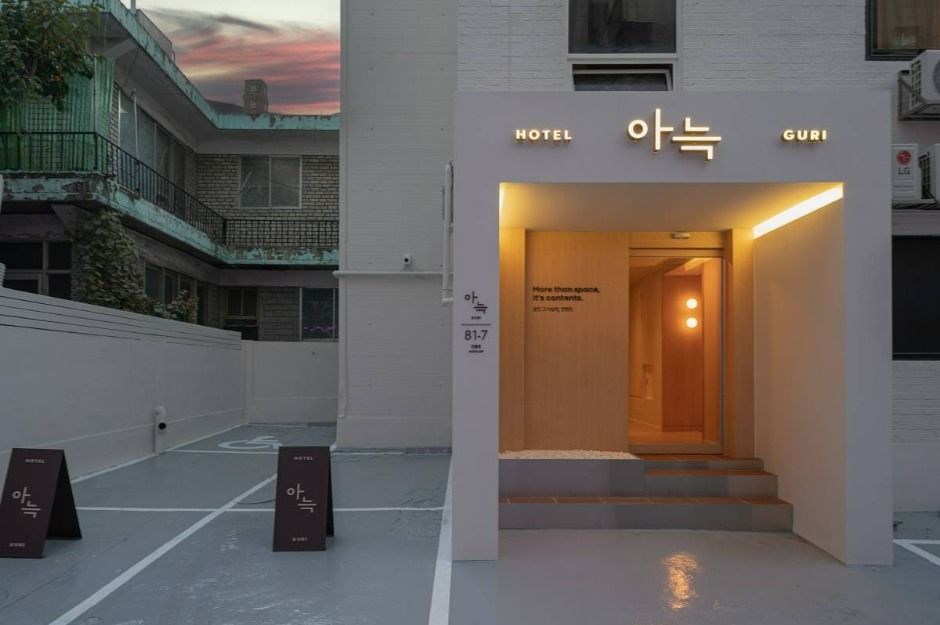
The Hyooshik Aank Hotel Guri (더휴식 아늑호텔 구리점)
10.2Km 2025-04-24
81-7 Angol-ro, Guri-si, Gyeonggi-do
The hotel offers a variety of themed rooms, such as a standard room for a comfortable stay, a cartoon room with comic books, a music room with a Geneva speaker, a wine room with a wine fridge and wine glasses, a 2PC room equipped with gaming computers, a movie beam room with a beam projector, a play room with a PlayStation 4, a golf room with golf equipment, and a deep sleep room with a massage chair. The hotel also offers parking facilities and a guest lounge.

Seoul Miz Hospital (서울미즈병원)
10.3Km 2025-10-23
1041 Cheonho-daero, Gangdong-gu, Seoul
Seoul Miz Hospital is a women’s specialized hospital located in Gangdong-gu, Seoul. It provides medical services in obstetrics and gynecology, breast and thyroid surgery, internal medicine, dermatology and plastic surgery, and pediatrics, while also operating a health promotion center. With its newly expanded building, the hospital has established an International Medical Center to support the treatment of foreign patients.
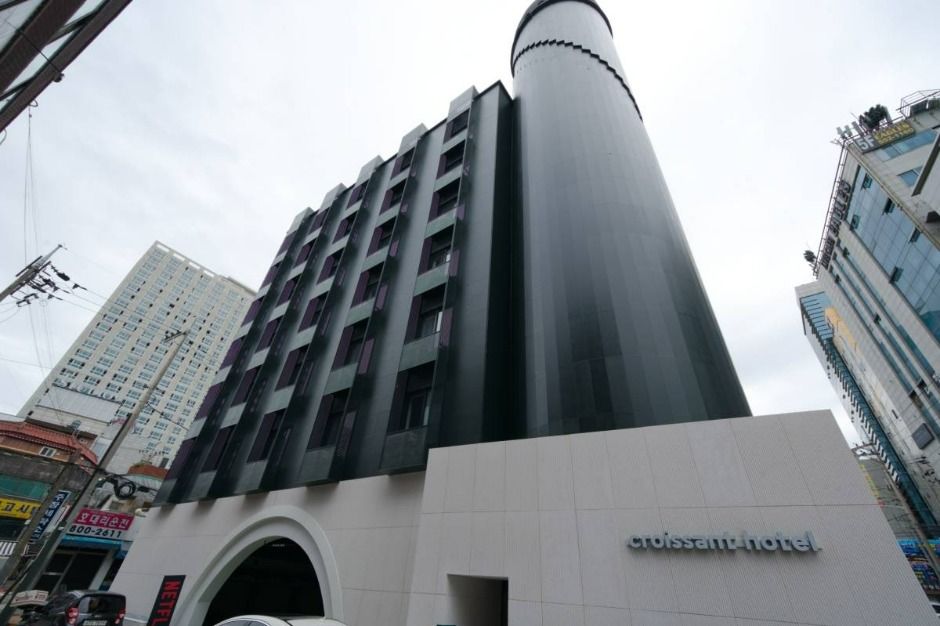
The Hyoosik Croissant Hotel Guri (더휴식 크로와상호텔 구리점)
10.4Km 2025-04-08
148 Cheyukgwan-ro, Guri-si, Gyeonggi-do
The Hyoosik Croissant Hotel Guri offers a variety of theme-based room types for both leisure and relaxation, such as a standard music room with blutooth speakers, a deluxe home-training room with yoga equipment, a deluxe couple room with high-end gaming PC, a deluxe healing room with a lounge chair, a twin bedroom, a game suite room with Playstation 4 Pro, a movie suite room with a beam projector, a sing suite room with noraebang equipment and soundproof walls, and a party suite room with a kitchenette. The hotel also has a parking lot, guest lounge, rooftop area, and coin laundry.
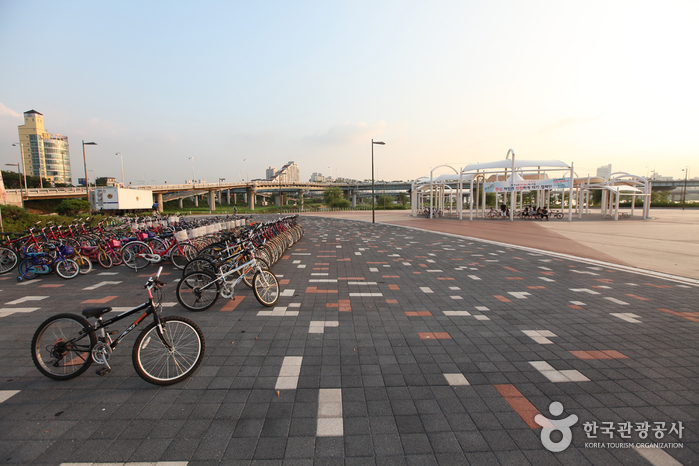
Gwangnaru Hangang Park (광나루한강공원)
10.6Km 2021-12-25
83-66, Seonsa-ro, Gangdong-gu, Seoul
Hangang Citizen's Park, composed of 12 areas including Jamsil, Ttukseom and Jamwon, is an eco-friendly park providing areas for sports and leisure. The park is equipped with various cultural and recreational facilities and also has an ecological park. Gwangnaru Hangang Park formed naturally through rich silt that flowed in from the upper Hangang River that was then filled with reeds, creating an ideal habitat for groups of migratory birds.
![Namyangju Sareung Royal Tomb [UNESCO World Heritage] (남양주 사릉(정순왕후) [유네스코 세계문화유산])](http://tong.visitkorea.or.kr/cms/resource/44/2480844_image2_1.jpg)
Namyangju Sareung Royal Tomb [UNESCO World Heritage] (남양주 사릉(정순왕후) [유네스코 세계문화유산])
10.8Km 2023-06-22
180, Sareung-ro, Namyangju-si, Gyeonggi-do
Sareung Royal Tomb is the tomb of Queen Jeongsun (1440-1521), a consort to King Danjong. She was perhaps the most tragic royal woman of the Joseon dynasty.
In 1453, she was selected to be queen out of many candidates and actually became the queen two years later. However, when King Danjong was forced to abdicate from the throne in 1457 and was exiled to Yeongwol in Gangwon-do, Queen Jeongsun was deprived of her title as well.
After King Danjong died, she built a thatched-roof house outside Seoul’s Dongdaemun Gate and lived there for the rest of her life, continuing to mourn her husband. The tomb’s name, Sareung, came from the fact that she had missed her dead husband so much.
Unlike other royal tombs, Sareung looks very simple. Its size is relatively small.
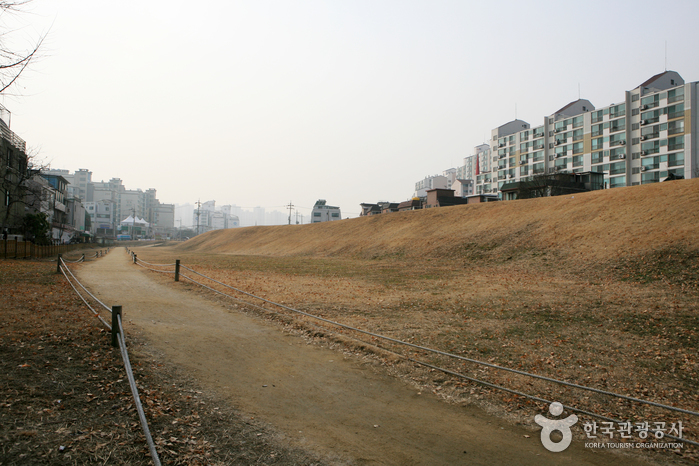
Pungnap-dong Toseong Fortress (서울 풍납동 토성)
10.9Km 2025-01-10
Pungnap-dong, Songpa-gu, Seoul
Onjo, the progenitor of Kingdom Baekje, first settled in Wiryeseong Hanam. But exact location is still unknown. One thing for sure, however, is that Pungnaptoseong Fortress, Mongchontoseong Fortress, Bangidong Ancient Tombs of Baekje, Seokchondong Stone Mound Tomb of Early Baekje are the remains of Baekje. Pungnaptoseong Fortress faces Hangang River to its west and connects to Mongchontoseong Fortress to the south. To the northwest faces Achasanseong Fortress over Hangang River and far to the southeast is Namhansanseong Fortress.
Pungnaptoseong Fortress, located at the south end of Cheonhodaegyo Bridge over Hangang River, is one of the remains of Early Baekje. Originally, the fortress was 4km in circumference, but due to massive overflowing of Hangang River during flood season in 1925, most of the fortress was lost and only 2.7km of it remains. To the east of the fortress are 4 vestiges of the fortress gates. The remains from the prehistoric era through the Samguk (Three States) era have been unearthed, indicating that this place was a residential area well before the Baekje Era. Through vigorous excavation, some people suggest that there used to be a palace located here during the Baekje Era.
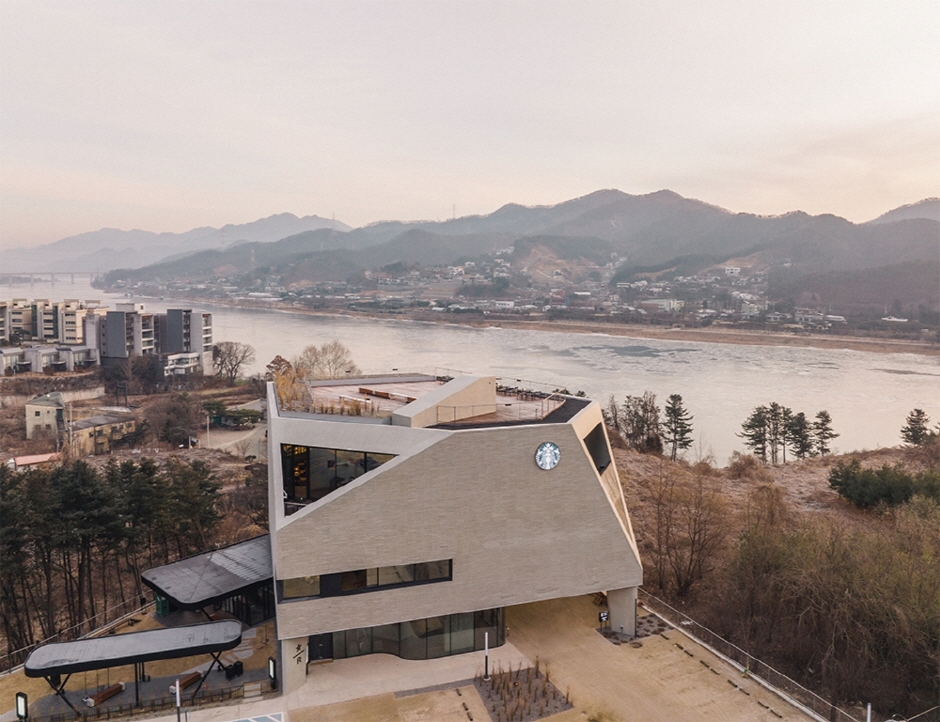
Starbucks The Buckhangang R (스타벅스 더북한강R)
11.0Km 2024-12-27
1098 Bukhangang-ro Hwado-eup, Namyangju-si, Gyeonggi-do
Enjoy Reserve coffee while enjoying the view of Bukhangang River and make special memories with your pet
Starbucks The Bukhan River R is a special store where you can enjoy a view of Bukhangang River with Reserve beverages, various specialty foods and merchandise.
It is Korea’s first pet-friendly store where you can make special memories with your pet in the special pet zone on 1F.
The store offers various customer experiences from natural landscape, to expansive parking spaces, EV charging station, and a rooftop on 3F.
Gaeul Terrace (개울테라스)
11.0Km 2025-01-09
212-5, Namhansanseong-ro, Namhansanseong-myeon, Gwangju-si, Gyeonggi-do
Gaeul terrace is a cozy forest café nestled beside a stream in the valley. Its interior features full-length glass walls, providing panoramic views of the natural scenery throughout all four seasons. A pathway from the café leads directly to the valley. Popular menu items include aromatic Espresso, sweet Ttalgi latte (Strawberry latte), and tender Croffles rich in buttery flavor. The outdoor seating area offers a serene ambiance, complemented by the soothing sound of the flowing water from the nearby stream.
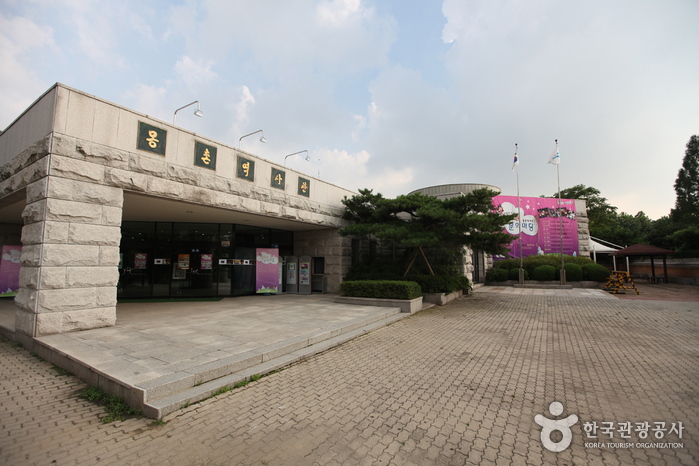
Mongchon Museum of History (몽촌역사관)
11.0Km 2021-08-13
424, Olympic-ro, Songpa-gu, Seoul
The Mongchon Museum of History, located within Olympic Park, displays artifacts from the excavations of Mongchontoseong Fortress, such as earthen fortifications as well as other artifacts of the Baekje Kingdom period, offering a glimpse into Baekje culture. A model of a Baekje dugout hut site reveals ancient dwelling patterns. Also, the facility displays a perfectly preserved model of ancient houses and tombs, giving visitors the feel of traveling back to prehistoric ages.
 English
 한국어
한국어 日本語
日本語 中文(简体)
 Deutsch
 Français
 Español
 Русский


