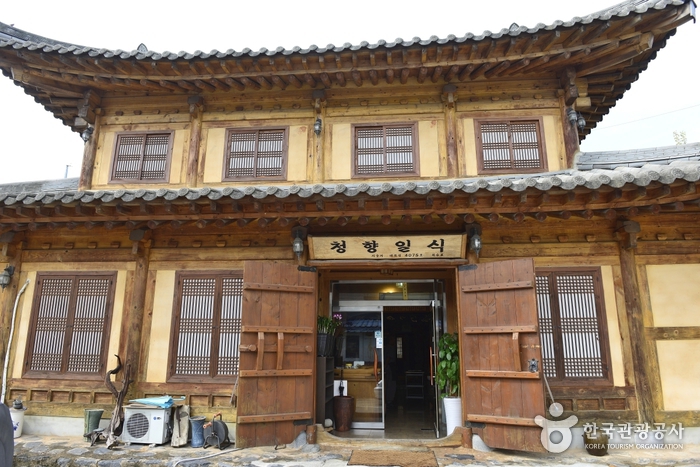
Cheonghyang Ilsik (청향일식)
2.1Km 2025-05-20
97, Jangan 1-gil, Jochiwon-eup, Sejong-si
+82-44-866-7725
Cheonghyang Ilsik is a Japanese restaurant specializing in seafood made with fresh fish and shellfish. In addition to serving delicious dishes, the restaurant also presents a traditional interior design complete with wooden and roof tiles.
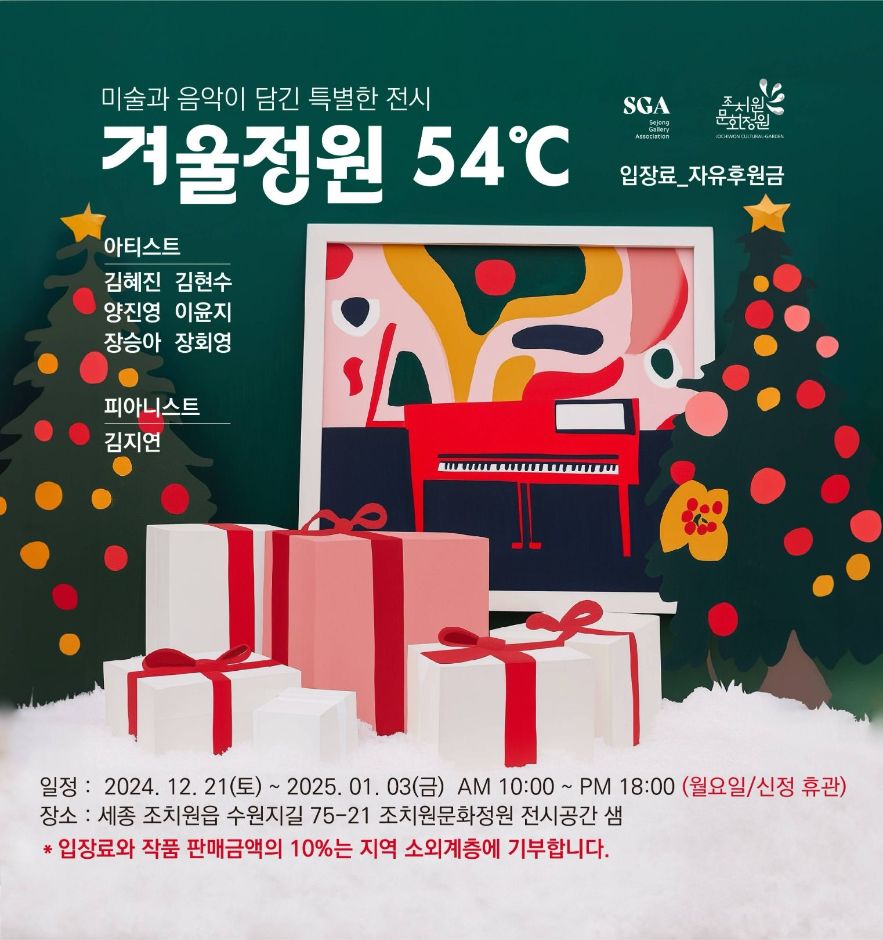
Sejong Gallery Association Art Fair (세종화랑협회 창립기념 아트페어 “프로젝트 FREE” 겨울정원54℃)
2.5Km 2025-05-20
Pyeong-ri, Jochiwon-eup, Sejong-si
+82-44-862-1620
Sejong Gallery Association supports the growth of local art culture by discovering emerging artists and promoting art culture. It hosts an art fair to provide a platform to artists where they can express their creative selves. The art fair also provides visitors with an opportunity to enjoy artworks displayed by emerging artists and purchase them.

Sejong Singwangsa Temple (신광사 (세종))
3.6Km 2025-05-20
24, Togolgogae-gil, Sejong-si
+82-44-865-5601
Singwangsa Temple is located on Nojeoksan Mountain. It is estimated to have been built 160 years ago, and renovated in 1920 by head monk Lee Gyeong-jik. The temple, originally called Togoljeol or Suryangsa, was renamed Singwangsa by monk Hyewon in 1980. Visitors will discover that this temple is filled with youthful energy. Although the temple has a short history, its location near Hongik University Sejong Campus has helped the temple become popular among college students.
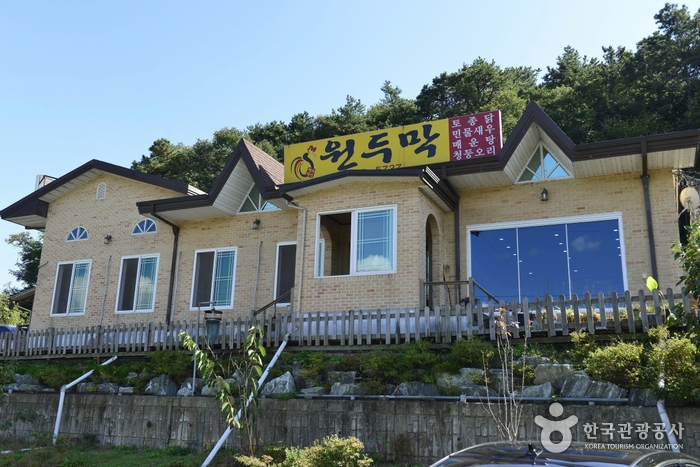
Wondumak (원두막)
3.9Km 2025-08-18
154, Ansan-gil, Yeonseo-myeon, , Sejong-si
+82-41-867-5727
Wondumak is a Korean restaurant specializing in hot soups. Popular menu items include minmul saeutang (spicy fresh water shrimp soup), megi maeuntang (spicy catfish soup), and tojong dakdoritang (chicken hot pot). The restaurant also offers fantastic views of the Gobok Reservoir.
Gobok Natural Park (고복자연공원)
4.7Km 2025-05-20
586, Dosingobok-ro, Sejong-si
+82-44-300-4216
Gobok Natural Park spans an area of 1,840,000 square meters and nearby attractions include a forest, Yonggul Cave, Sinheungsa Temple, and an outdoor sculpture park on Obongsan Mountain. A 3.65-kilometer-long deck circles the reservoir. The neighboring village is home to orchards for growing grapes, peaches, and pears. The park has a large meeting square and the outdoor sculpture park features works by Ewha Woman's University art professor Kang Tae-seong, attracting many visitors. The park is especially popular in summer when the outdoor swimming pool is open. In spring, people flock to Millakjeong Pavilion to view the cherry blossoms. There are many restaurants nearby specializing in galbi (ribs), Hanbang ori (duck with medicinal herbs), and megi maeuntang (spicy catfish stew), as well as cafes overlooking the natural scenery.
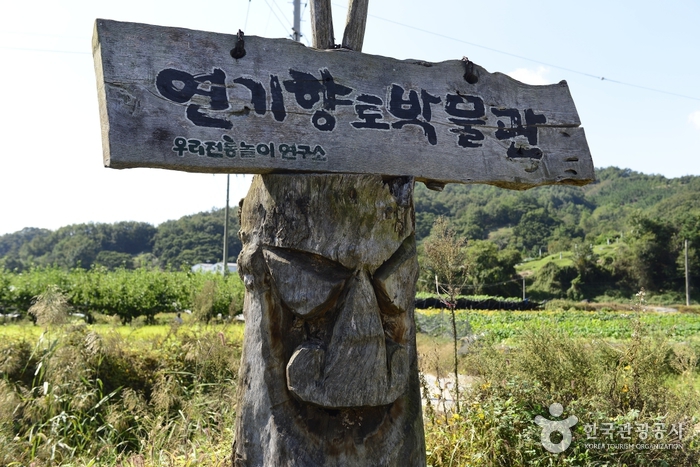
Yeongi Folk Museum (연기향토박물관)
6.4Km 2025-05-20
34-4, Yangdae-gil, Yeonseo-myeon, , Sejong-si
+82-44-862-7449
Opened in August 1966, the Yeongi Folk Museum showcases relics found in the old site of Sejong Special Self-Governing City. Over 1,000 relics, including Buddhist statues, weapons, pagodas, earthenware, porcelain, bronze ware, roof tiles, paintings, letters, houseware, kitchenware, farming tools, and others are arranged by era.
Cheongju Sutbul Galbi (청주숯불갈비)
7.7Km 2024-03-25
422 Taeseongtabyeon-ro, Gangnae-myeon, Heungdeok-gu, Cheongju-si, Chungcheongbuk-do
043-232-2992
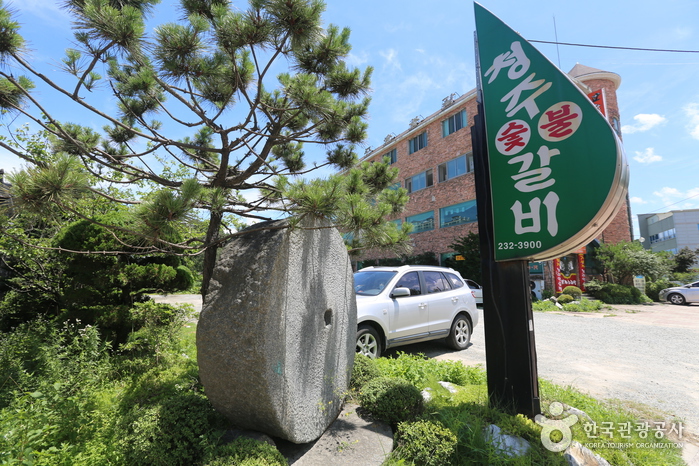
Opened in 1985, the restaurant specializes in charcoal-grilled galbi. Their signature dish, the dwaeji galbijjim set menu, features braised pork galbi, doenjang jjigae (soybean paste stew), and gonggibap (steamed rice). Favorites also include the sutbul bulgogi set menu (charcoal-grilled bulgogi), anchangsal (grilled thin skirt), saeng deungsim (grilled sirloin), and galbisal gui (grilled boneless galbi). Additionally, they offer a seasonal selection of nicely presented side dishes with homegrown vegetables. The in-house made soybean paste, crafted from their own soybeans, is notably flavorful.
Biamsa Temple - Sejong (비암사(세종))
8.1Km 2025-05-20
137, Biamsa-gil, Sejong-si
+82-44-863-0230
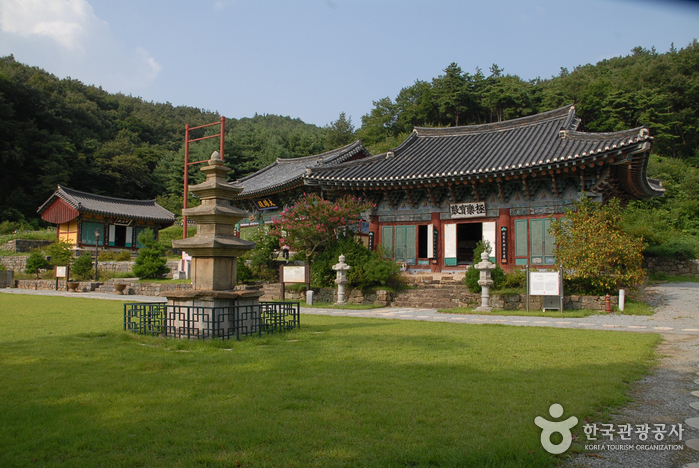
The origin of Biamsa Temple is unknown, but the temple's architectural features suggest that it was built during the mid Goryeo dynasty period (918-1392). The Geungnakbojeon Hall and the three-storied pagoda inside the temple have been designated as Cultural Properties of Chungcheongnam-do Province. The flamboyang and delicately crafted datjip (canopy) inside the Geungnakbojeon Hall was restored in 1657 during the 8th year of King Hyojong's reign.
In the yard in front of the Geungnakbojeon Hall stands the three meter-high Samcheungseoktap (three-storied stone pagoda). With the discovery of Samyeongunsang stone statues near the top of the pagoda, Biamsa Temple became more widely known to the public. Among the stone statues, Gyeyumyeongjeonssi-amitabul-samjonseoksang (three Buddha statues) has been named as National Treasure No. 106, and Gichukmyeong-amitayeorae-jebulbosalseoksang (statue of Amitabha bodhisattva) and Mireukbosal-bangaseoksang (statue of Maitreya bodhisattva) have been designated as National Treasures No. 367 and No. 368, respectively. The stone statues are preserved in National Museum of Korea. Meanwhile, the three-storied stone pagoda was designated as Tangible Cultural Property No. 119 of Chungcheongnam-do Province on July 19, 1985.
Geumisanseong Fortress (금이성)
8.1Km 2025-05-20
Songseong-ri, Sejong-si
+82-44-300-3444
Geumiseong is a mountain fortress built on the summit of Geumseongsan Mountain, which rises 430 meters above sea level. It overlooks Jeonui and Cheonan to the north and Geumgang River to the south. The architecture style of Geumiseong Fortress is a combination of the
styles of the Baekje dynasty and the early Unified Silla. Based on the relics found inside the fortress, it is thought to have been built in the Goryeo period. The robustness of the fortress takes advantage of the rugged topography, so much so that it had been known as ironclad bastion among common people.
The eastern side of the fortress has considerably collapsed, but the southern part is in a relatively good condition. The western and northern walls are also in bad conditions.
Some earthenware pieces were found where there once stood a watchtower. Also, some pieces of roof tiles were found where there was a fortress building in the central part of the fortress on mountain summit. The earthenware pieces are hard porcelain and soft glass wares like bowls and pots. The tile pieces mostly feature fishbone patterns in dark gray color.
Manghyang Bibimguksu Sejong Branch (망향비빔국수 세종)
8.3Km 2025-05-20
4 Bareun 7-gil, Sejong-si
+82-44-864-2042
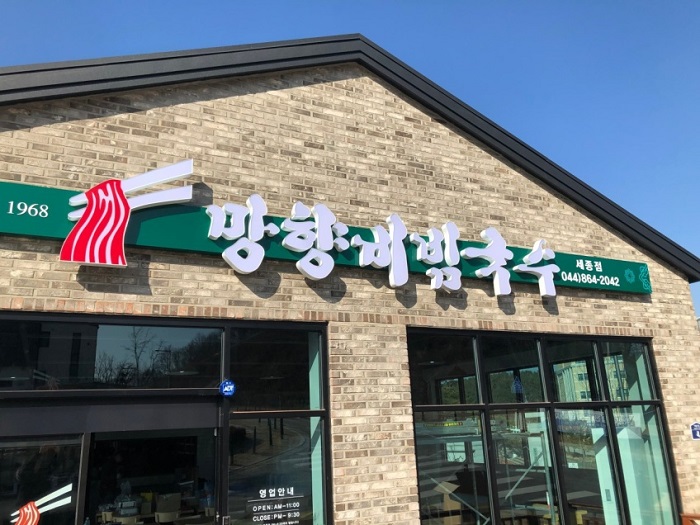
Manghyang Bibimguksu is a Korean noodle specialty restaurant located in Sejong Administrative City. Its signature dish is bibim guksu (spicy noodles), which is spicy noodles mixed with a special sauce. Additionally, they offer other dishes such as janchi guksu (banquet noodles), mandu, kimchi mandutguk (kimchi mandu soup), and dongaseu (pork cutlet). Nearby, there's the Ogarnangtteul Neighborhood Park, providing a pleasant setting for a meal and a stroll.
 English
 한국어
한국어 日本語
日本語 中文(简体)
 Deutsch
 Français
 Español
 Русский


