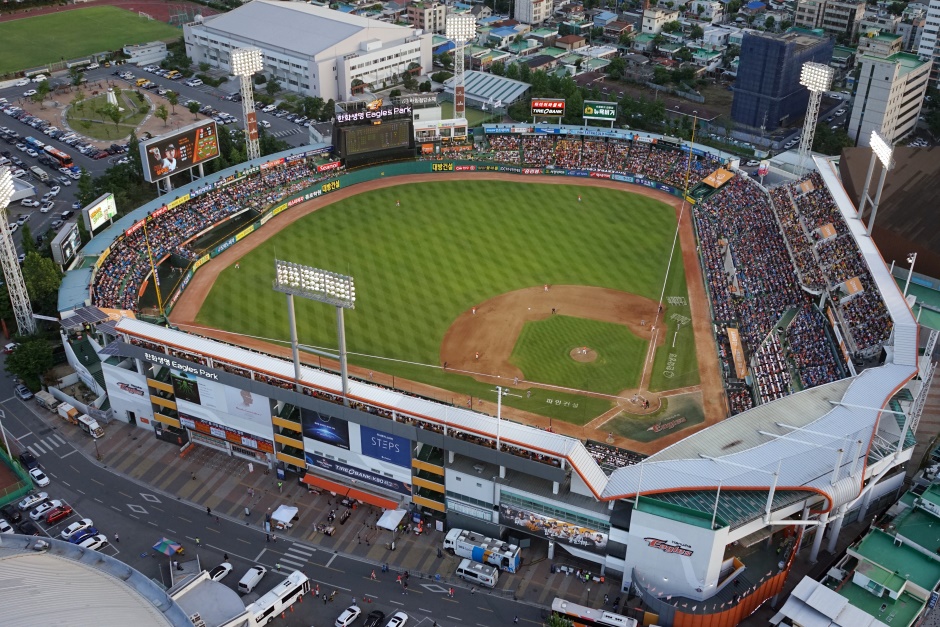
Daejeon Hanhwa Life Ballpark (대전 한화생명 볼파크)
13.0Km 2025-10-23
373 Daejong-ro, Jung-gu, Daejeon
Hanwha Life Ballpark, located in Daejeon, is a KBO League professional baseball stadium. During baseball season, the park attracts a large number of visitors. The stadium's food and beverage outlets are located in the third base and outfield, center field, and first base and outfield.
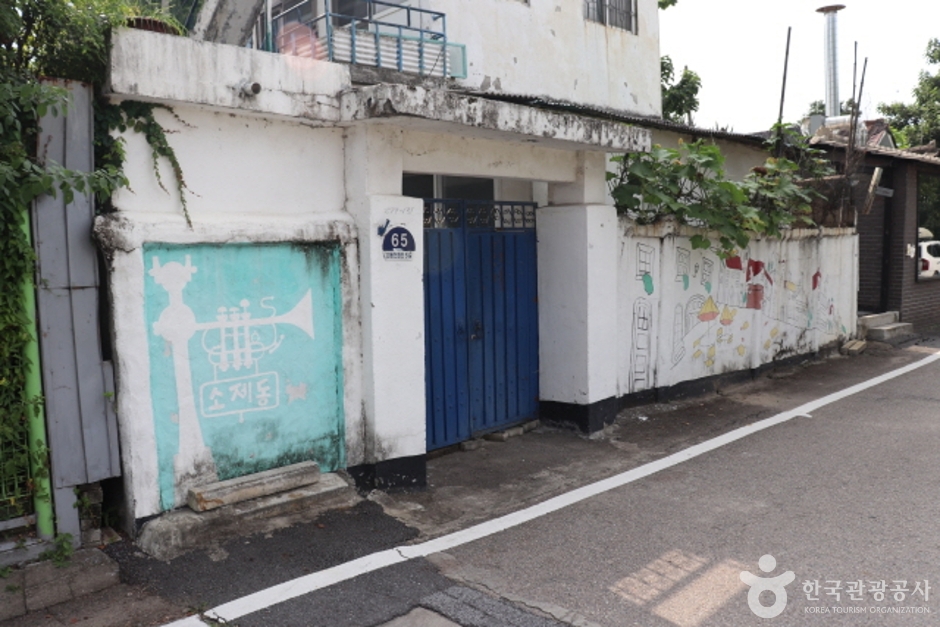
Soje-dong Cafe Street (소제동 카페 거리)
13.2Km 2025-10-23
53 Suhyang-gil, Dong-gu, Daejeon
Soje-dong Cafe Street is a cafe village located in Daejeon. This area has long been neglected and underdeveloped. However, recently, various shops have opened, adding a youthful touch to the old buildings, from Italian restaurants remodeled from old buildings to unique cafes and restaurants converted from over 70-year-old buildings. With a retro sentiment that evokes nostalgia for middle-aged and older generations, it has transformed into a cafe street, attracting diverse visitors. While it's nice to choose a cafe in Soje-dong Cafe Street to enjoy tea or visit a gallery to appreciate artworks, another way to enjoy this place is to take an alley tour in Soje-dong and stroll through the cafe street to admire the murals painted on the walls. Soje-dong Cafe Street is conveniently located near Daejeon Station, making it easy for visitors to reach.
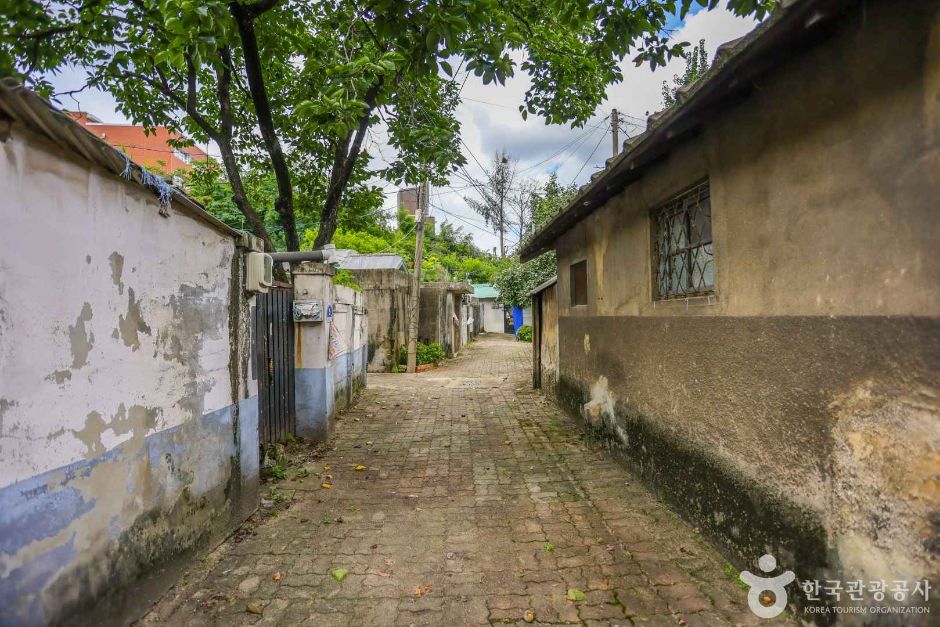
Railway Residency Village (Sollangsiul-gil) (철도관사촌(솔랑시울길))
13.3Km 2025-10-23
Soje-dong, Dong-gu, Daejeon
Railway Residency Village, located near Daejeon Station, retains much of its old charm, offering visitors the feeling of stepping back in time. Daejeon’s modern history is closely tied to the development of its railroads. With the opening of the Gyeongbu Line in 1905 and the Honam Line in 1911, the city emerged as a major transportation hub. As traditional villages began to disappear, people flocked to Daejeon, transforming it into a growing metropolis. During the Japanese occupation in the 1930s, the area housed many Japanese railway engineers, which is why Japanese-style architecture can still be found today. At the time, there were over 100 government buildings, though only about 40 have survived. Several of these have been recognized as Registered Cultural Properties for their historical significance. Among them, Building No. 42 now serves as a cultural space that occasionally hosts exhibitions. A stroll along the quiet Solangseoul-gil offers visitors a chance to admire charming murals adorning the walls, adding to the nostalgic atmosphere of the village.
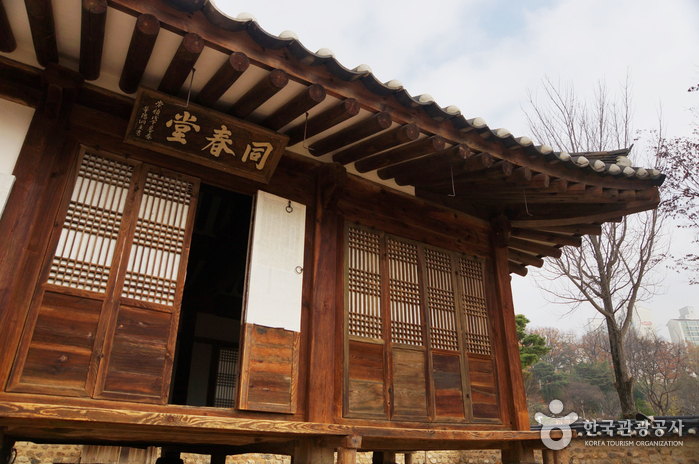
Daejeon Hoedeok Dongchundang Park (대전 회덕 동춘당 공원)
13.8Km 2022-12-26
80, Dongchundang-ro, Daedeok-gu, Daejeon
Dongchundang Park was once the residence of Song Jung-gil, a noted scholar during the Joseon dynasty. Dongchundang Residential Compound (Treasure) has kept some of its original features including its three ponds, pavilions, old swings, and the nameplate written by Uam Song Si-yeol in 1678 in honor of Song Jung-gil. Today, the park is the main venue of the annual Dongchundang Culture Festival along with other local festivals.
Baek il heon Head House (논산 백일헌 종택)
14.2Km 2024-08-05
45, Jugok-gil, Sangwol-myeon, Nonsan-si, Chungcheongnam-do
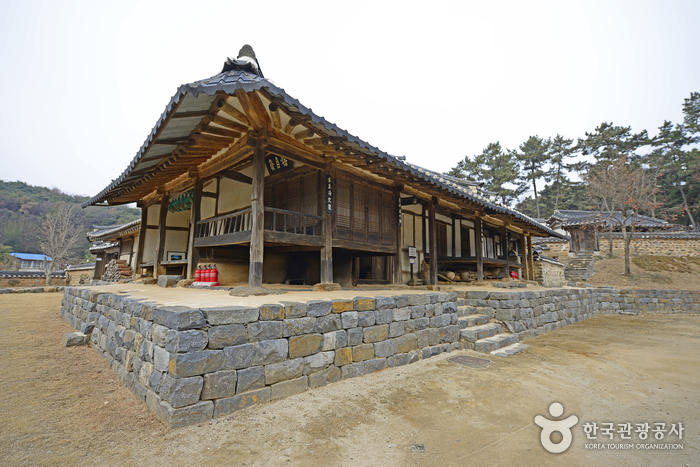
The Baegilheon Head House (National Folklore Cultural Heritage No. 273) is the house that was bestowed upon General Yi Sam by King Yeongjo in recognition of his achievement in suppressing the Yi In-jwa Rebellion in 1728. King Yeongjo also granted Yi Sam the posthumous name ‘Baegilheon’. The house is composed of the munganchae (gate quarters) situated next to a tall gate, the ‘ㄷ’-shaped anchae (women’s quarters), and the ‘ㄱ’-shaped sarangchae (men’s quarters), which are configured in an overall square layout. The accommodation includes the munganchae, the araet sarang with a numaru (upper floor), and the wit sarang and the geonneotbang, each of which has a large toenmaru (a narrow wooden porch running along the outside of the building). Notably, the geonneotbang, which is connected with the daecheong (wooden floor) and has a cozy courtyard surrounded by a mud wall, was the living space for the eldest son of the family and his wife for many generations. As the house has been designated as a National Folklore Cultural Heritage, cooking in the guestrooms is strictly prohibited. However, the house provides breakfast prepared by the daughter-in-law of the head house free of charge. The toilets and shower room are situated in the back yard.
Archaeological Site in Seokjang-ri, Gongju (공주 석장리 유적)
14.4Km 2025-01-14
990, Geumbyeok-ro, Gongju-si, Chungcheongnam-do
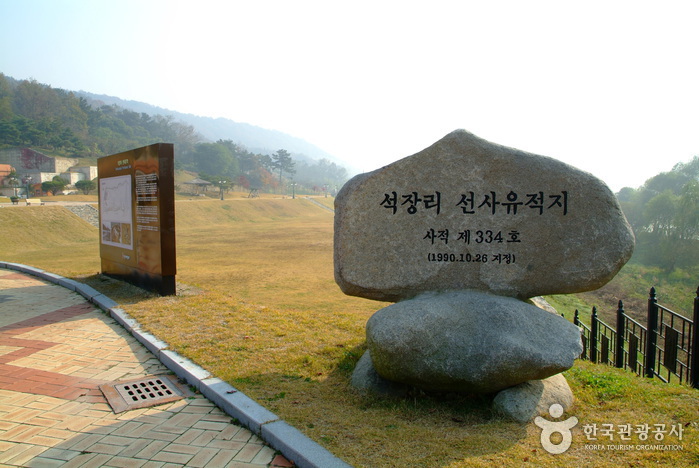
The Archaeological Site in Seokjang-ri, Gongju is located approximately 6 kilometers out of the city of Gongju, on the northern banks of the Geumgang River. The site is one of Korea's representative relic sites of the Old Stone Age, and is designated Historic Site No. 334. The site was excavated 10 times between 1964 and 1974 by teams from Yonsei University Museum. The excavation of 27 layers of stratum produced relics proving people lived in the area through 11 cultural eras. The area was excavated again in 1990 and 1993, producing even more cultural artifacts and helping to create a clearer image of the people living in that time.

Daedong Sky Park (대동하늘공원)
14.6Km 2022-12-26
182, Dongdaejeon-ro 110beon-gil, Dong-gu, Daejeon
Daedong Sky Park was formed as part of the Rainbow Project on December 2009. A giant windmill, which represents the park, is located 127 meters above sea level. Visitors can see an amazing panoramic view of the city as well as relax at one of the many benches and pagodas. A mural village connected to the Sky Park offers themed coffee shops and has become a popular attraction.
Jangtaesan Recreational Forest (장태산자연휴양림)
15.1Km 2024-12-02
461 Jangan-ro, Seo-gu, Daejeon
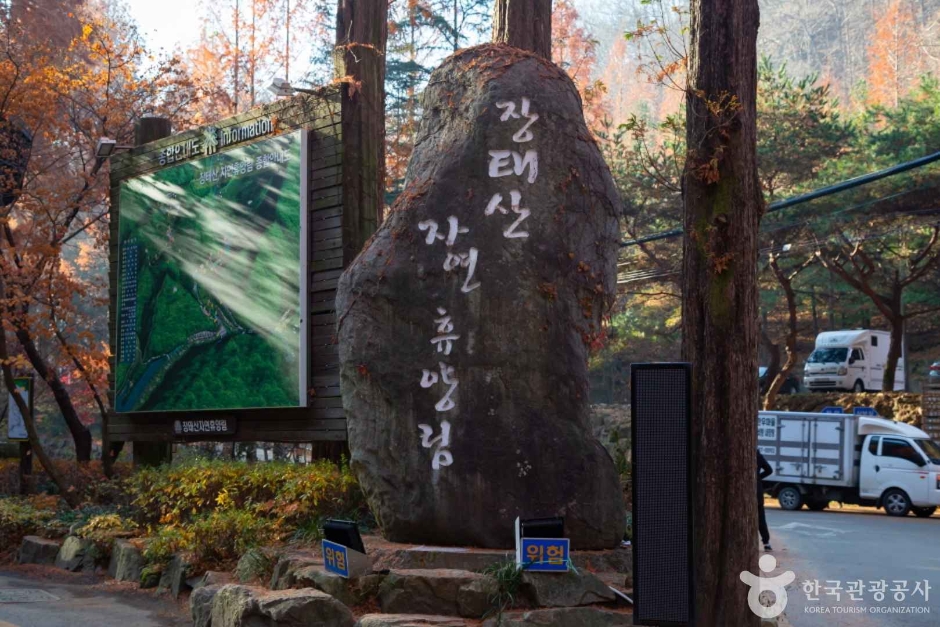
Jangtaesan Recreational Forest consists of a dense forest of ginkgo trees and bald cypress. Lush valleys nearby make for a great getaway during summer vacation. Yongtaeul Reservoir, located at the entrance, gives beautiful views as well. Inside the natural recreation forest, various facilities including walking paths, physical activity facilities, a botanical garden and bare-foot walking paths are available for visitors.
Uam Historical Park (우암사적공원)
15.1Km 2024-02-29
53 Chungjeong-ro, Dong-gu, Daejeon
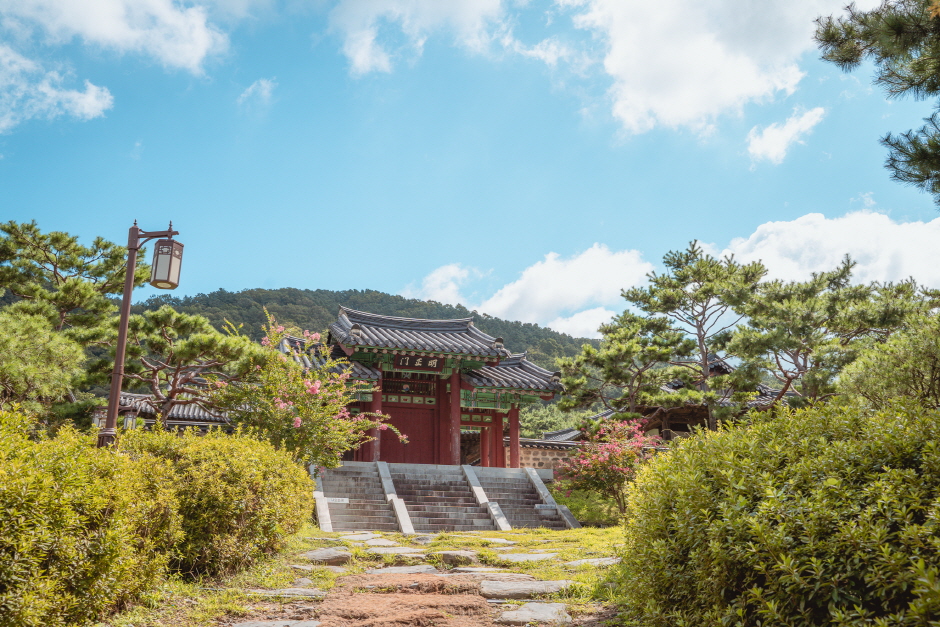
Uam Historical Park, situated in the eastern part of Daejeon, is both a cultural heritage site and a park. It was once the place where Uam Song Siyeol (1607-1689), a scholar and government official during the Joseon dynasty, conducted his research and educational activities. The traditional houses established during his time and the relics left by Song Siyeol are still preserved, and visitors can view these artifacts at the historic museum. The park also features a pond within its premises.
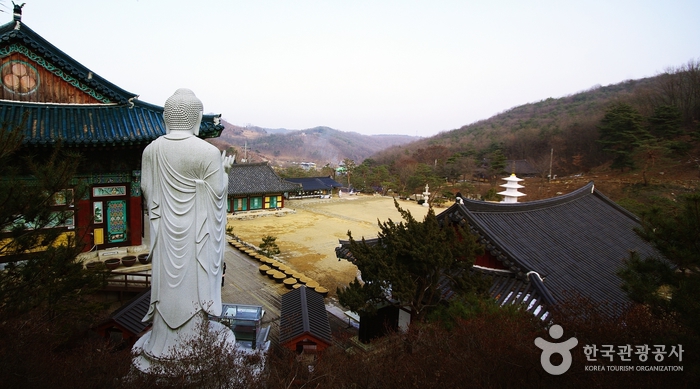
Yeongpyeongsa Temple (영평사)
15.2Km 2021-11-01
124, Yeongpyeongsa-gil, Sejong-si
A branch of Magoksa Temple, which is the 6th local temple of the Jogyejong Order, Yeongpyeongsa Temple has six traditional buildings and three small hermitages. Janggunsan Mountain, where the temple is located, is small but full of energy. According to Feng Shui, the mountain is a perfect location for a temple because it is shaped like a dragon curled along the Geumgang River. Yeongpyeongsa is a tranquil place that captures the purity of the temple’s Buddhist practice, with fresh air and clean water that offer a habitat for fireflies, crawfish, and black snails. On the way in, visitors are greeted by a multitude of wildflowers vying for their attention: the columbines and the prairie crocuses in spring, the white lotuses in summer, and the Siberian chrysanthemums in autumn.
 English
 한국어
한국어 日本語
日本語 中文(简体)
 Deutsch
 Français
 Español
 Русский


