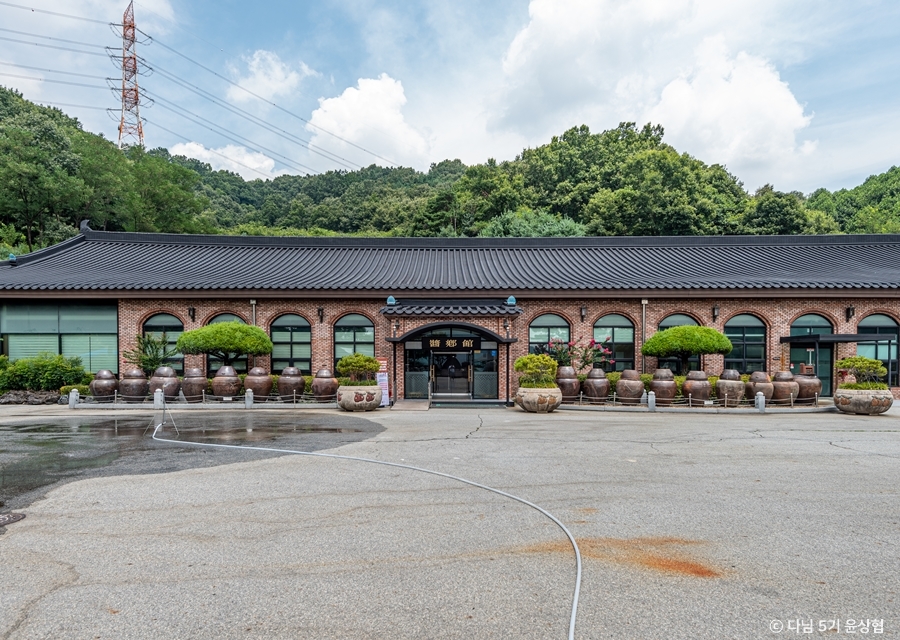
Sejong Traditional Paste Museum (세종전통장류박물관)
9.6Km 2025-05-20
90-43 Baeil-gil, Jeondong-myeon, Sejong-si
The Sejong Traditional Paste Museum highlights Korea’s traditional sauce culture, featuring staples like soybean paste, red chili paste, and soy sauce. Its garden, with over 1,000 pots, is a standout attraction. The museum includes indoor exhibition halls, an outdoor exhibit area, a fermentation experience center, a Korean restaurant specializing in fermented sauces, and a paste shop. Visitors can participate in activities such as making grain soap shaped like meju (fermented soybean blocks) or creating their own fermented pastes. In November, visitors can also observe the process of making soybean paste and red chili paste.
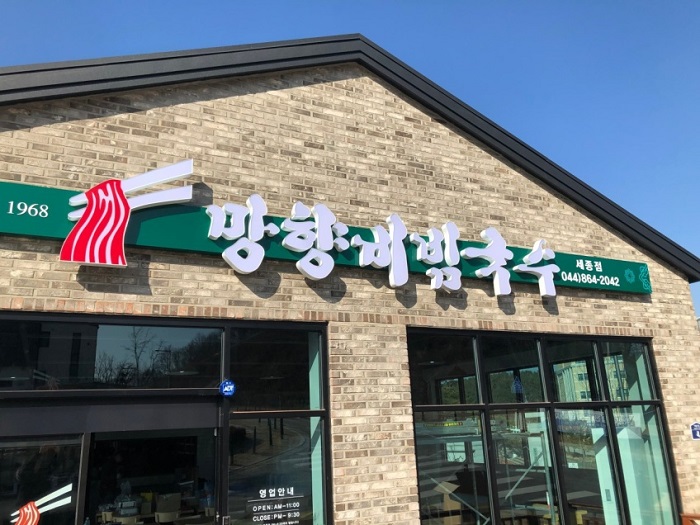
Manghyang Bibimguksu Sejong Branch (망향비빔국수 세종)
9.6Km 2025-05-20
4 Bareun 7-gil, Sejong-si
+82-44-864-2042
Manghyang Bibimguksu is a Korean noodle specialty restaurant located in Sejong Administrative City. Its signature dish is bibim guksu (spicy noodles), which is spicy noodles mixed with a special sauce. Additionally, they offer other dishes such as janchi guksu (banquet noodles), mandu, kimchi mandutguk (kimchi mandu soup), and dongaseu (pork cutlet). Nearby, there's the Ogarnangtteul Neighborhood Park, providing a pleasant setting for a meal and a stroll.

Geumisanseong Fortress (금이성)
9.6Km 2025-05-20
Songseong-ri, Sejong-si
+82-44-300-3444
Geumiseong is a mountain fortress built on the summit of Geumseongsan Mountain, which rises 430 meters above sea level. It overlooks Jeonui and Cheonan to the north and Geumgang River to the south. The architecture style of Geumiseong Fortress is a combination of the
styles of the Baekje dynasty and the early Unified Silla. Based on the relics found inside the fortress, it is thought to have been built in the Goryeo period. The robustness of the fortress takes advantage of the rugged topography, so much so that it had been known as ironclad bastion among common people.
The eastern side of the fortress has considerably collapsed, but the southern part is in a relatively good condition. The western and northern walls are also in bad conditions.
Some earthenware pieces were found where there once stood a watchtower. Also, some pieces of roof tiles were found where there was a fortress building in the central part of the fortress on mountain summit. The earthenware pieces are hard porcelain and soft glass wares like bowls and pots. The tile pieces mostly feature fishbone patterns in dark gray color.
Biamsa Temple - Sejong (비암사(세종))
10.0Km 2025-05-20
137, Biamsa-gil, Sejong-si
+82-44-863-0230
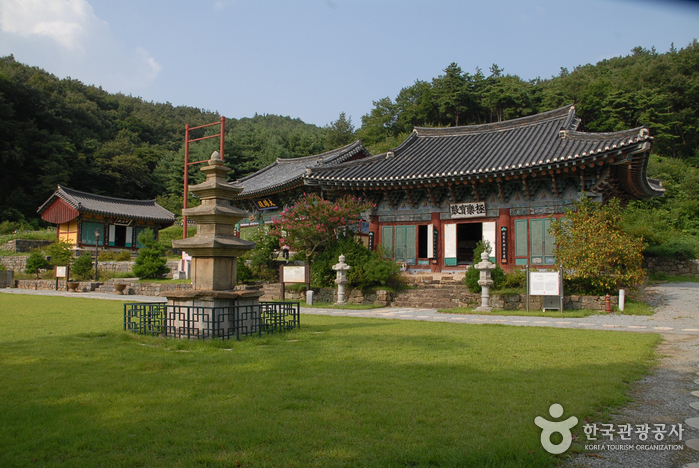
The origin of Biamsa Temple is unknown, but the temple's architectural features suggest that it was built during the mid Goryeo dynasty period (918-1392). The Geungnakbojeon Hall and the three-storied pagoda inside the temple have been designated as Cultural Properties of Chungcheongnam-do Province. The flamboyang and delicately crafted datjip (canopy) inside the Geungnakbojeon Hall was restored in 1657 during the 8th year of King Hyojong's reign.
In the yard in front of the Geungnakbojeon Hall stands the three meter-high Samcheungseoktap (three-storied stone pagoda). With the discovery of Samyeongunsang stone statues near the top of the pagoda, Biamsa Temple became more widely known to the public. Among the stone statues, Gyeyumyeongjeonssi-amitabul-samjonseoksang (three Buddha statues) has been named as National Treasure No. 106, and Gichukmyeong-amitayeorae-jebulbosalseoksang (statue of Amitabha bodhisattva) and Mireukbosal-bangaseoksang (statue of Maitreya bodhisattva) have been designated as National Treasures No. 367 and No. 368, respectively. The stone statues are preserved in National Museum of Korea. Meanwhile, the three-storied stone pagoda was designated as Tangible Cultural Property No. 119 of Chungcheongnam-do Province on July 19, 1985.
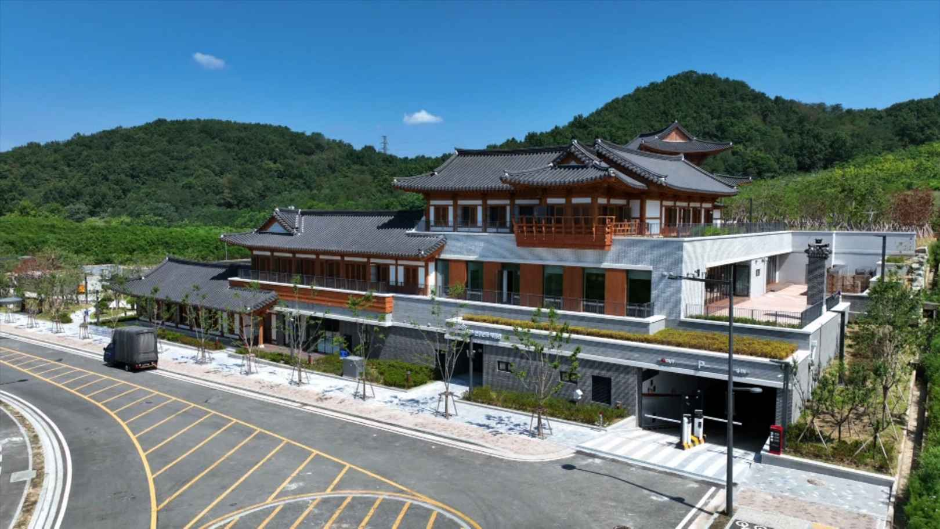
Sejong Cultrual Center of Korean Tradition (세종전통문화체험관)
10.0Km 2025-05-20
94 Morongji-ro, Sejong-si
The Sejong Cultrual Center of Korean Tradition provides visitors with an immersive experience of traditional Korean crafts and culture, capturing the essence of Korea. The exhibition and promotional halls showcase crafts and traditional paintings depicting the daily life and rituals of Buddhist temples, along with an interactive experience room. Visitors can participate in traditional arts activities such as samulnori (percussion performance), mask dancing, decorative painting, folk painting, and calligraphy. Cultural experiences include temple food workshops focusing on vegan and fermented dishes, as well as meditation, yoga, and tea ceremonies.
Bugangok (부강옥)
10.3Km 2025-05-20
103, Bugangoecheon-ro, Sejong-si
+82-10-9577-8953
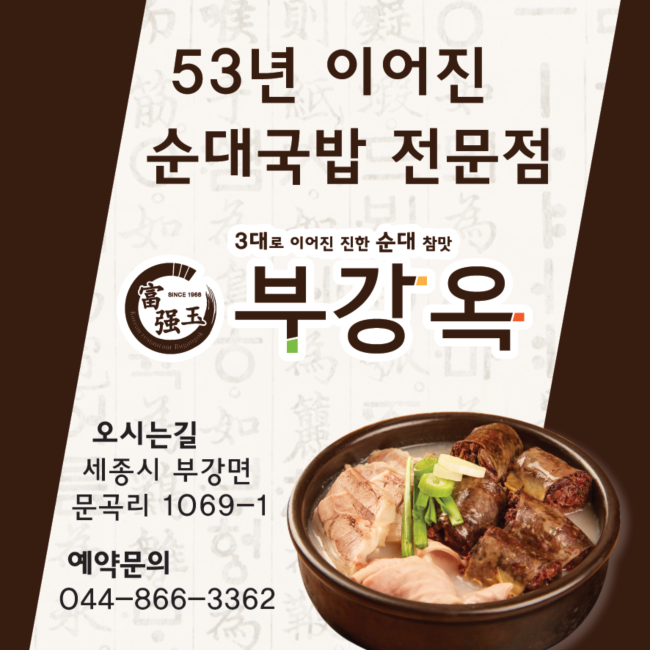
It is a restaurant that’s featured a lot in various media. This Korean restaurant is located in Sejong-si. The representative menu is blood sausage and rice soup.
Yangleem & Café Humanitas (인문 아카이브 양림 & 카페 후마니타스)
10.5Km 2024-02-23
25, Jubong-ro 15beon-gil, Heungdeok-gu, Cheongju-si, Chungcheongbuk-do
Yangleem & Café Humanitas offers a unique blend of culture and relaxation, featuring an archive housed within a traditional hanok and a contemporary café. The establishment is permeated with the comforting scent of wood and books, merging the architectural elegance of hanok with modern design elements. The café's balcony provides breathtaking views of Jubong Reservoir, adorned with lotus flowers, and the surrounding rice paddies. Their signature beverage, the yeonnip spänner (lotus leaf einspänner), along with espresso, lattes, and herbal teas, are among the favored selections.
![Homeplus - Sejong Branch [Tax Refund Shop] (홈플러스 세종)](http://tong.visitkorea.or.kr/cms/resource/74/2883174_image2_1.jpg)
Presidential Archives (대통령기록전시관)
10.9Km 2025-05-20
250 Dasom-ro, Sejong-si
The Presidential Archives offers an immersive journey through modern Korean history with documents, photos, and videos of South Korea's past presidents. It includes an exhibition hall, a children’s experience hall, and a video theater. The president’s office and reception room have been faithfully recreated, and displays include diplomatic gifts, souvenirs, and official vehicles used by past presidents. Children can engage in fun activities like becoming a president, creating election posters and participating in voting simulations.
Unjusanseong Fortress (운주산성)
11.0Km 2021-08-31
Migok-ri, Sejong-si
+82-44-300-3423
Unjusanseong Fortress, also known as Gosansanseong Fortress, is a cultural heritage of the Baekje dynasty. This is a mountain fortress built along the surrounding three mountain peaks in the westernmost and southernmost parts of Unjusan Mountain. The stone fortress wall, which borders three villages in Jeondong-myeon and two villages in Jeonui-myeon, is 3,210 meters long and two meters wide with a x_height that ranges from two to eight meters. The walls follow the natural geographical features of the mountain range, with the southern walls surrounding the mountain's peak.
Remnants of a village can still be observed within the fortress walls, such as the fortress gate and a ritual site. Pieces of earthenware from the Baekje period, porcelain from the Goryeo and Joseon periods, and broken tiles from the Baekje, Goryeo and Joseon periods have been discovered around the site as well.
 English
 한국어
한국어 日本語
日本語 中文(简体)
 Deutsch
 Français
 Español
 Русский


