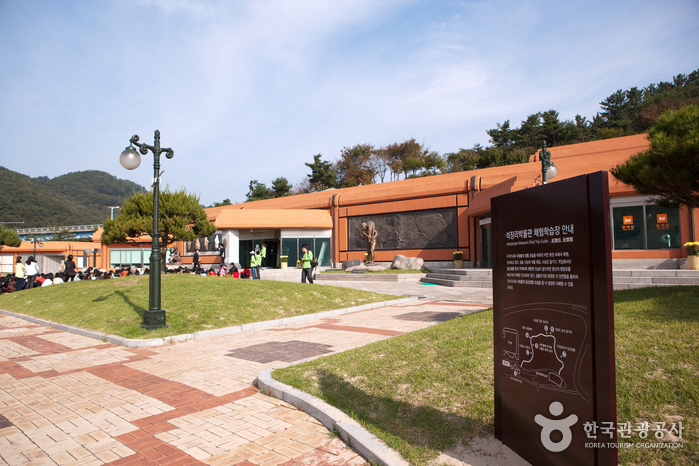
Seokjangni Museum (석장리박물관)
17.8Km 2025-01-14
990, Geumbyeok-ro, Gongju-si, Chungcheongnam-do
+82-41-840-8924
Located in Gongju, Chungcheongnam-do, Seokjangni Museum was established in September 2006 to preserve and introduce the culture of the Old Stone Age. There are a variety of exhibitions of relics excavated from the Seokjeong-ri area as well as educational programs available for visitors to learn more about the Paleolithic Period. The museum is divided into permanent exhibitions, planned exhibitions and outdoor exhibitions. Overall, visitors can understand the history better through the exhibition halls, prehistoric park, and the Archaeological Site in Seokjang-ri, Gongju.
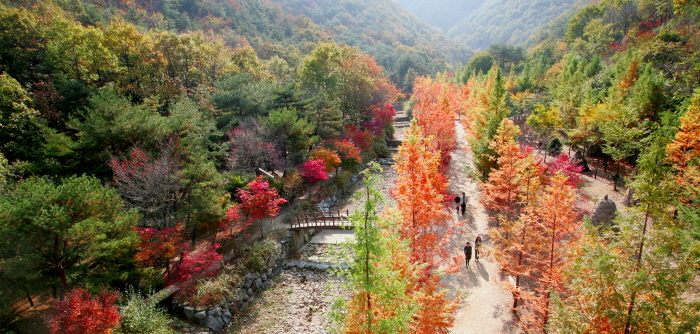
Sangso-dong Forest Park (상소동 산림욕장)
17.8Km 2022-12-26
San 1-1, Sangso-dong, Dong-gu, Daejeon
+82-42-251-4771
Sangso-dong Forest Park is located at the point where the foothills of Maninsan Mountain and Sikjangsan Mountain meet. The road to the park is beautifully lined with sycamore trees. The park offers various facilities for enjoying nature and in particular, the stone pagodas placed throughout the park are a must-see. Visitors can stack their own rocks and make wishes relating to family, health, relationships, and more. The park is great for walks, hikes, or even just to relax as wild flowers bloom all throughout spring to fall.
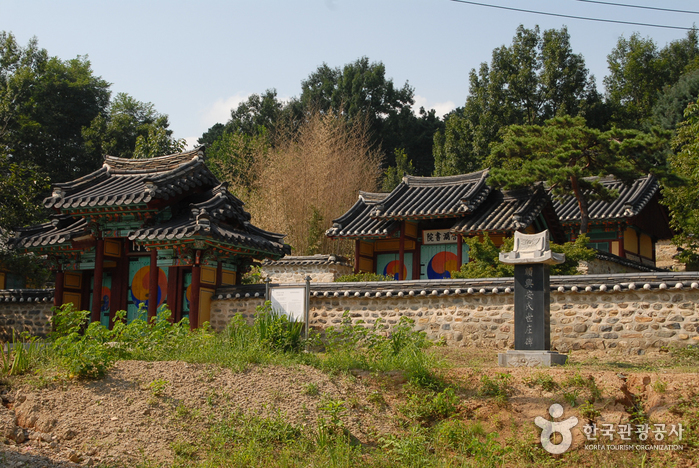
Haposeowon Confucian Academy (합호서원)
17.9Km 2025-05-20
262-6, Wonhapgang 1-gil, Yeondong-myeon, Sejong
+82-44-330-5832
Registered as Cultural Heritage Material, Haposeowon Confucian Academy is where the spiritual tablet of An Hyang, a respected scholar during the Goryeo period, is enshrined. The academy was founded in 1716 by the scholar's descendants, who held regular memorial services until a royal order to close down most seowon institutions was made in the late Joseon dynasty. In 1949, Haposeowon Confucian Academy was rebuilt as an affiliated institution with the consent of 218 local Confucian schools nationwide.

Yetteo Folk Museum (옛터민속박물관)
18.0Km 2025-02-04
321-35 Sannae-ro, Dong-gu, Daejeon
The Yetteo Folk Museum showcases traditional folk artifacts that reflect the daily life of the Daejeon region. Inside the exhibition hall, visitors can view items such as knives, tray tables, water droppers, cups, and oil lamps. The outdoor exhibition area features stone mortars, troughs, and grinding stones. The museum also includes a traditional jar exhibition hall, a Korean restaurant, and a traditional teahouse. Visitors can engage in hands-on experiences like natural dyeing, hanji paper crafts, and knot-making, or relax and enjoy a campfire.
![Homeplus - Sejong Branch [Tax Refund Shop] (홈플러스 세종)](http://tong.visitkorea.or.kr/cms/resource/74/2883174_image2_1.jpg)

Bugangok (부강옥)
18.3Km 2025-05-20
103, Bugangoecheon-ro, Sejong-si
+82-10-9577-8953
It is a restaurant that’s featured a lot in various media. This Korean restaurant is located in Sejong-si. The representative menu is blood sausage and rice soup.
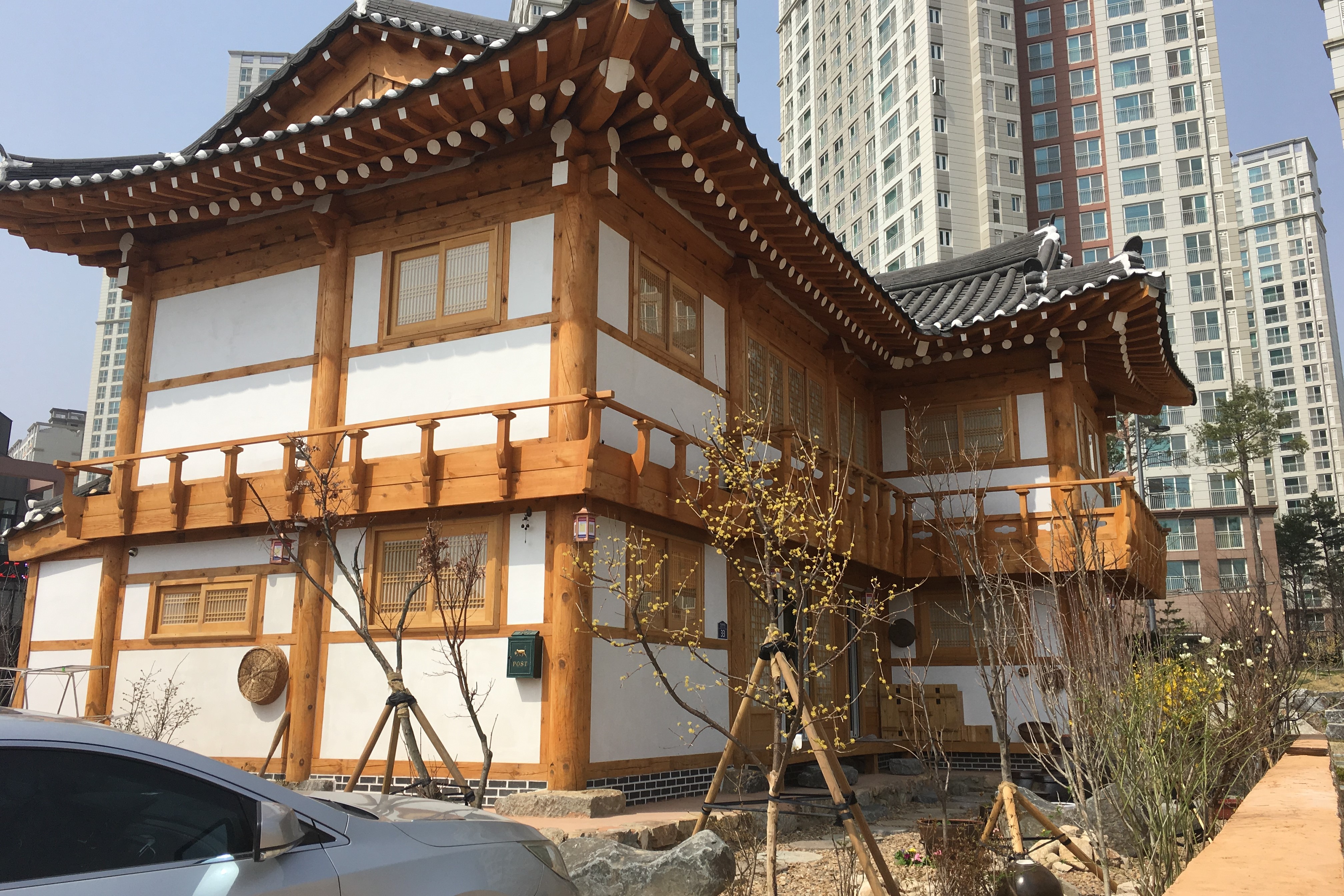
Mok hyang jae / 목향재
18.6Km 2025-05-20
33 , Mannam-ro 6-gil, , Sejong-si
+82-10-8666-1217
Mokhyangjae in Sejong City, Chungcheongnam-do, is a hanok pension built in the style of a palace with beams and pillars of thick red pine. The exposed beam ceilings and hanji-covered sliding doors add to the feel of a grand old house. There’s a choice of rooms: Korean style ondol room (either 1-2 person or family-sized); a standard room with a bed and an attic; or deluxe room with a living room and an attic. The attic, equipped with comics and picture books, is a favorite space for children. There’s also a traditional tea house.
Garden of Sky (하늘물빛정원)
19.2Km 2024-06-03
156 Geomhan 1-gil, Chubu-myeon, Geumsan-gun, Chungcheongnam-do
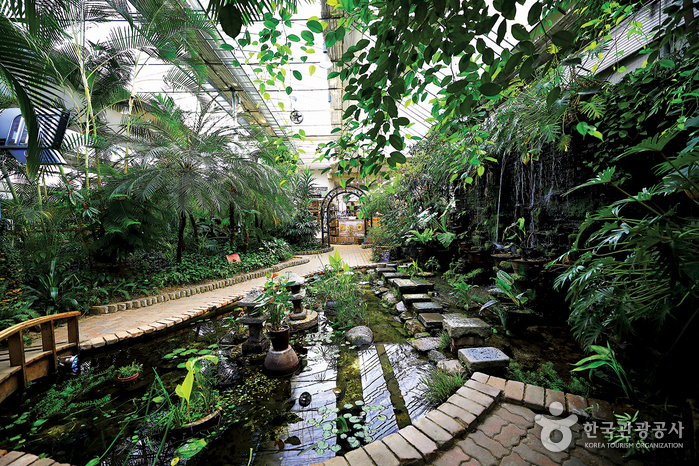
A garden filled with wild flowers, exotic plants, and rare trees, Garden of Sky is nestled by Jangsanhosu Pond located at the foothills of Meodeullyeong Pass. The garden also has a wide variety of facilities that cater to visitors' convenience and needs such as a jjimjilbang (Korean sauna), seminar rooms, restaurants, herbal souvenir shop, cafes local food stores, forests, and photo zones.
Okcheon Hyangsu Baengni (100-ri) Bike Road - Geumgang Course (옥천 향수 100리 자전거길 - 금강코스)
19.9Km 2025-01-06
Okcheon-eup, Okcheon-gun, Chungcheongbuk-do
+82-43-730-3773
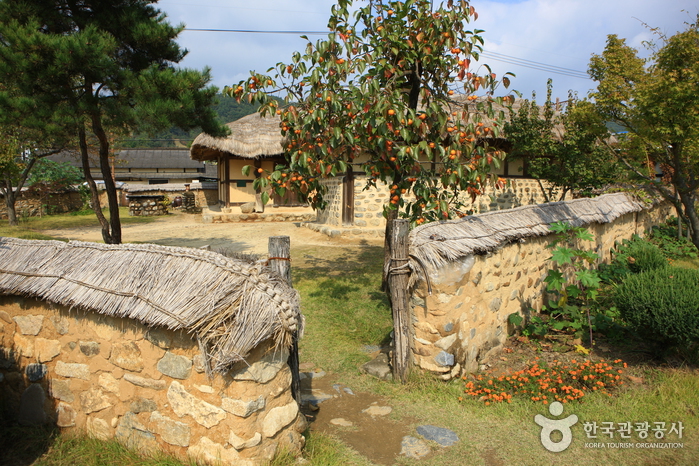
Okcheon Hyangsu Baengni (100-ri) Bike Road is a bicycle path located along the riverside of Geumgang River, where one can enjoy the beauty of Daecheongho Lake and the spirit of poetry in the hometown of Jeong Jiyong, one of Korea's modern poets. Visitors can also stop at Jeong Jiyong Birth House & Literature Library and Janggye Tourist Park by biking along National Highway Route 37, which is famous for cherry blossoms. This bicycle path is relatively easy to travel on and is suitable for beginners. It became even more popular after being featured on the TV show "1 Night 2 Days."
Maninsan Recreational Forest (만인산 자연휴양림)
19.9Km 2023-02-09
106, Sannae-ro, Dong-gu, Daejeon
Maninsan Recreational Forest sits on the border between Daejeon and Geumsan-gun, Chungcheongnam-do, and is located approx. 17 kilometers away from Daejeon Station on National Route 17. It consists of Maninsan, the main peak, as well as Bongsuregol, Keunbaegol, and Jageunbaegol, and, because of its beautiful landscape, it even enshrined the figures of King Taejo and his princes during the Joseon Dynasty. Pure water constantly flows in the valleys and broadleaf trees form a thickly wooded forest. This recreational forest located close to the city has utilized natural ridges and is divided into the family recreation district, youth district, and picnic district to provide a pleasant resting area for citizens. Maninsan Service Area is a convenience facility of the recreational forest built with private capital in 1990 and, at the time of its construction, it utilized the natural valleys as they were without damaging any part of the forest. Decks were installed in the valleys, and the structure itself was built with one semi-underground floor and two ground floors. The main framework was made of reinforced concrete and wood was used as the primary material for construction. Also, a pond was created in front of the rest area to harmonize with the natural landscape. As a result, it is widely praised by experts as the most beautifully constructed rest area in Korea, and it is becoming a place that citizens frequently visit to relax. There are comfortable benches and resting spots situated throughout for visitors to relax while enjoying the views and, in particular, Manillugak is a symbolic recreational facility of Maninsan and a representative pavilion structure. It was built in the architectural style of Segeomjeong Pavilion located on Bugaksan in Seoul while employing reinforced concrete for the main framework. It applies a two-story, wooden tile roof to maintain as much beauty of Korean traditional architecture as possible with the consideration of maintenance.
 English
 한국어
한국어 日本語
日本語 中文(简体)
 Deutsch
 Français
 Español
 Русский


