Nangchugol Learning Park (낭추골 현장체험학습원)
17.6Km 2025-01-17
1890 Danjae-ro, Nangseong-myeon, Sangdang-gu, Cheongju-si, Chungcheongbuk-do
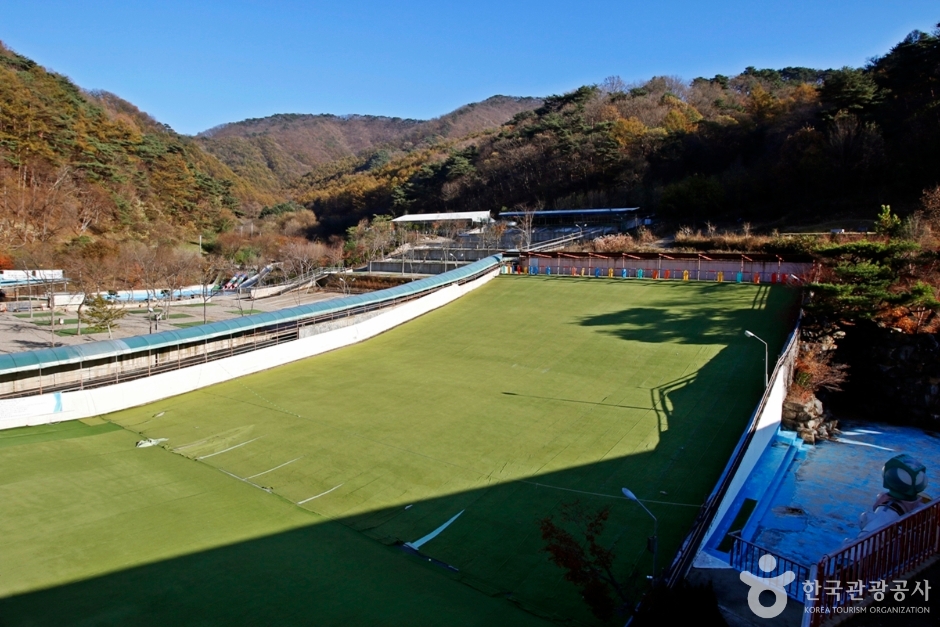
Nangchugol is a mountain village located in the eastern part of Cheongju, offering children the chance to observe and experience nature through play and a variety of activities. It boasts a goblin trail, four-season sledding options (grass sled, water sled, and snow sled), swimming pools, a nature learning center focusing on wild plants, valleys, and animals, a traditional game ground, an adventure playground, an insect experience center, and guided forest tours. Additionally, the village includes a campground for visitors.
Chojeongyaksu Mineral Spring (초정약수)
17.7Km 2022-07-29
Chojeong-ri, Cheongwon-gu, Cheongju-si, Chungcheongbuk-do
+82-43-201-2042
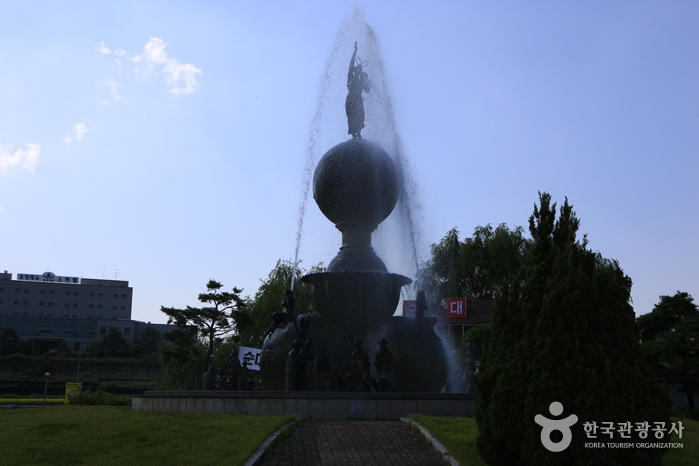
Located approximately 16 kilometers northeast of Cheongju City, Chojeongyaksu Mineral Spring is acknowledged as one of the three major mineral springs in the world. Chojeong Mineral Spring was discovered around 600 years ago and became nationally known ever since as the source of naturally carbonated water that has a piquant and cool taste. It is said that King Sejong (1397-1450, reign 1418-1450) visited the springs in 1444 and stayed here for 60 days to treat an eye infection. The daily yield of carbonated water here is 458 tons, which is used for producing natural soda drinks. There are presently two mineral water plant facilities in the area. The healing effects of Chojeongyaksu Mineral Spring are presumed to come from the abundant radium contained in the water, which is effective in treating eye infections and skin ailments.

Gobok Natural Park (고복자연공원)
18.5Km 2025-05-20
586, Dosingobok-ro, Sejong-si
+82-44-300-4216
Gobok Natural Park spans an area of 1,840,000 square meters and nearby attractions include a forest, Yonggul Cave, Sinheungsa Temple, and an outdoor sculpture park on Obongsan Mountain. A 3.65-kilometer-long deck circles the reservoir. The neighboring village is home to orchards for growing grapes, peaches, and pears. The park has a large meeting square and the outdoor sculpture park features works by Ewha Woman's University art professor Kang Tae-seong, attracting many visitors. The park is especially popular in summer when the outdoor swimming pool is open. In spring, people flock to Millakjeong Pavilion to view the cherry blossoms. There are many restaurants nearby specializing in galbi (ribs), Hanbang ori (duck with medicinal herbs), and megi maeuntang (spicy catfish stew), as well as cafes overlooking the natural scenery.
Daecheong Dam Observatory (대청댐 전망대)
18.9Km 2023-04-04
206 , Daecheonghoban-ro, Sangdang-gu, Cheongju-si, Chungcheongbuk-do
+82-43-201-0911
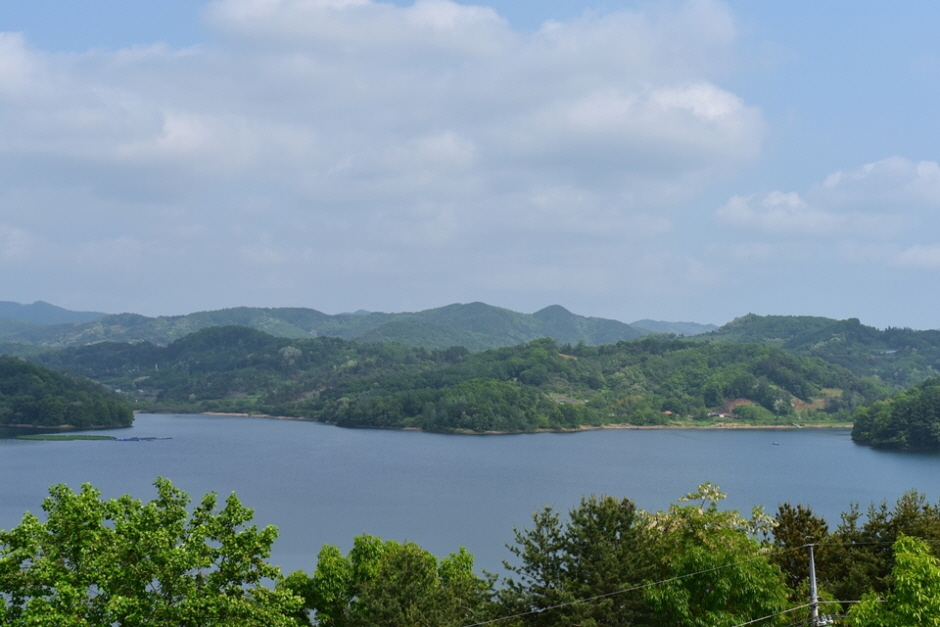
Daecheong Dam Observatory overlooks the clear waters of Daecheongho Lake. At the site is Water Culture Center that offers various things to see relating to the dam as well as informational visual aids related to water. The Dacheonggyo Bridge by the observatory connects to Geumgang Lohas Daecheong Park in Daejeon.
Geumgang Lohas Daecheong Park (금강로하스대청공원)
19.3Km 2024-02-15
607 Daecheong-ro, Daedeok-gu, Daejeon
Geumgang Lohas Daecheong Park is situated near the Geumgang River and Daechung Dam. It borders Daecheongho Lake and the Geumgang River, featuring a waterfront deck where visitors can observe various bird species such as herons and the Red Leaf Willow habitat. The park also includes the Daecheong Culture Exhibition Hall, a lawn area, a Rock Garden, a Metasequoia Forest Park, and a children's forest playground.
Daecheong Dam (대청댐)
19.3Km 2021-06-01
618-136, Daecheong-ro, Daedeok-gu, Daejeon
+82-43-930-7332
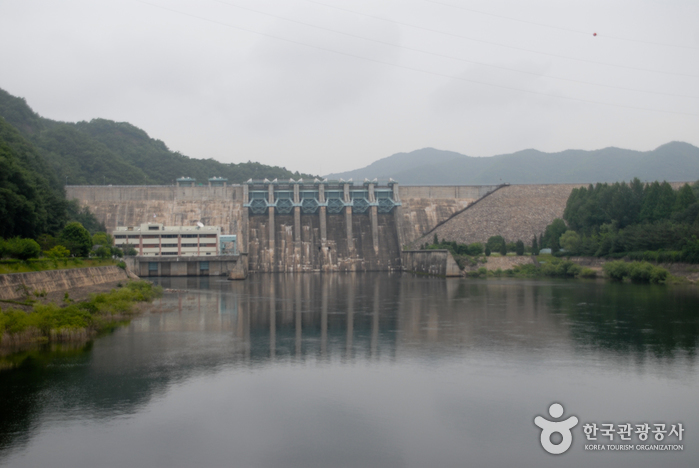
Daecheong Dam is a multi-purpose dam consisting of a 72 meter-tall and 495 meter-long concrete gravity dam and rockfill dam. It is located on the Geumgang River where Daejeon and Chungcheongbuk-do meet. There are three additional support dams in the area of the main dam to help control the river's flow. The dam also serves as a power source for the nearby areas of Daejeon and Cheongju. Construction of the dam took nearly six years, started in March 1975 and completed in 1980.
The observatory, located at Palgakjeong Service Area, offers a great view of Daecheongho Lake. A variety of fascinating items are displayed in the Water Culture Center on the left bank of Daecheong Dam. A nearby grassy meadow promises a relaxing and comfortable rest, while local delicacies such as spicy fish stew using freshwater fish and marinated grilled eel are a delight to taste.
Sejong Cultrual Center of Korean Tradition (세종전통문화체험관)
19.4Km 2025-05-20
94 Morongji-ro, Sejong-si
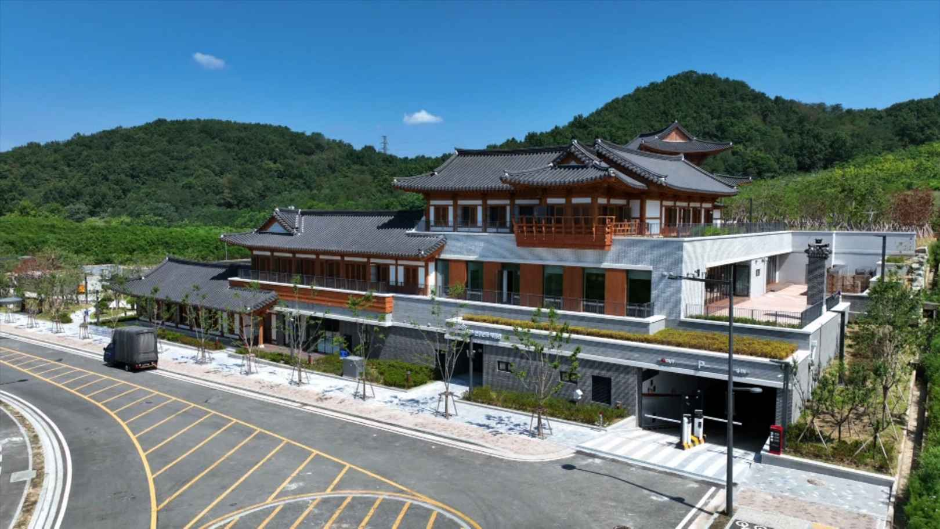
The Sejong Cultrual Center of Korean Tradition provides visitors with an immersive experience of traditional Korean crafts and culture, capturing the essence of Korea. The exhibition and promotional halls showcase crafts and traditional paintings depicting the daily life and rituals of Buddhist temples, along with an interactive experience room. Visitors can participate in traditional arts activities such as samulnori (percussion performance), mask dancing, decorative painting, folk painting, and calligraphy. Cultural experiences include temple food workshops focusing on vegan and fermented dishes, as well as meditation, yoga, and tea ceremonies.
Kong Daebak (콩대박)
19.7Km 2025-05-20
9 Daebak-gil, Geumnam-myeon, Sejong-si
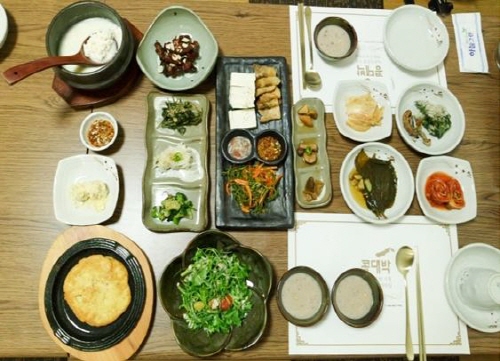
Kong Daebak is a restaurant specializing in soybean-based dishes. There are two menu options: kongseobang bapsang and konggaksi bapsang. Kongseobang bapsang includes dishes like doenjang jjigae (soybean paste jjigae), salad, kong jeon (soybean pancake), suyuk (boiled pork slices), mushroom dishes, jangajji (pickled vegetable), and dessert. Adding dishes like kkaennip jeon (pan-fried battered perilla leaves) and dubu jeongol (bean curd hot pot) turns it into konggaksi bapsang. Since the food is prepared on the same day, advance reservations are essential.
Red Leaf Willow Habitat (왕버드나무군락지)
19.7Km 2024-02-15
Miho-dong, Daedeok-gu, Daejeon
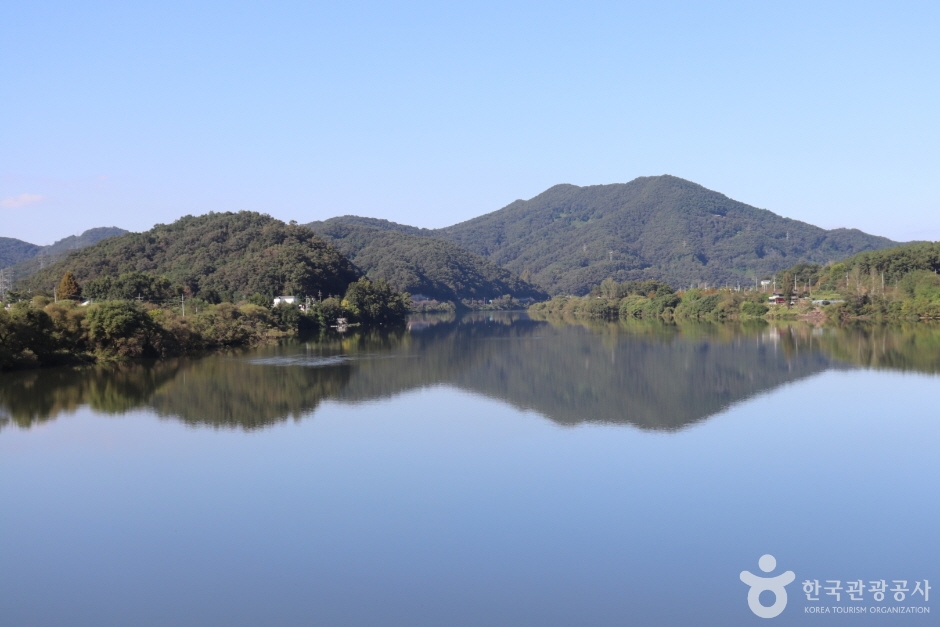
Red Leaf Willow Habitat is located near Daechung Dam and Geumgang Lohas Daecheong Park, along the Geumgang River. This area is ideal for photography, offering stunning views during sunrise and sunset, with sunlight and mist creating a picturesque scene. The decaying wood of the trees in the wetland area can even emit light on its own during the nighttime.
Geumisanseong Fortress (금이성)
19.9Km 2025-05-20
Songseong-ri, Sejong-si
+82-44-300-3444
Geumiseong is a mountain fortress built on the summit of Geumseongsan Mountain, which rises 430 meters above sea level. It overlooks Jeonui and Cheonan to the north and Geumgang River to the south. The architecture style of Geumiseong Fortress is a combination of the
styles of the Baekje dynasty and the early Unified Silla. Based on the relics found inside the fortress, it is thought to have been built in the Goryeo period. The robustness of the fortress takes advantage of the rugged topography, so much so that it had been known as ironclad bastion among common people.
The eastern side of the fortress has considerably collapsed, but the southern part is in a relatively good condition. The western and northern walls are also in bad conditions.
Some earthenware pieces were found where there once stood a watchtower. Also, some pieces of roof tiles were found where there was a fortress building in the central part of the fortress on mountain summit. The earthenware pieces are hard porcelain and soft glass wares like bowls and pots. The tile pieces mostly feature fishbone patterns in dark gray color.
 English
 한국어
한국어 日本語
日本語 中文(简体)
 Deutsch
 Français
 Español
 Русский


