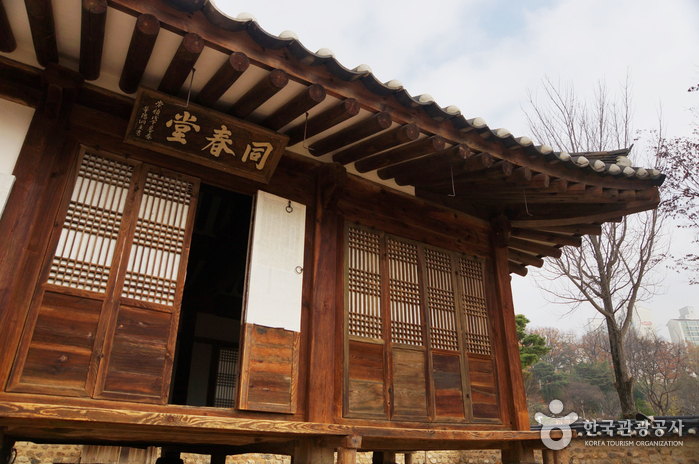
Daejeon Hoedeok Dongchundang Park (대전 회덕 동춘당 공원)
406.4M 2022-12-26
80, Dongchundang-ro, Daedeok-gu, Daejeon
+82-42-608-6574
Dongchundang Park was once the residence of Song Jung-gil, a noted scholar during the Joseon dynasty. Dongchundang Residential Compound (Treasure) has kept some of its original features including its three ponds, pavilions, old swings, and the nameplate written by Uam Song Si-yeol in 1678 in honor of Song Jung-gil. Today, the park is the main venue of the annual Dongchundang Culture Festival along with other local festivals.
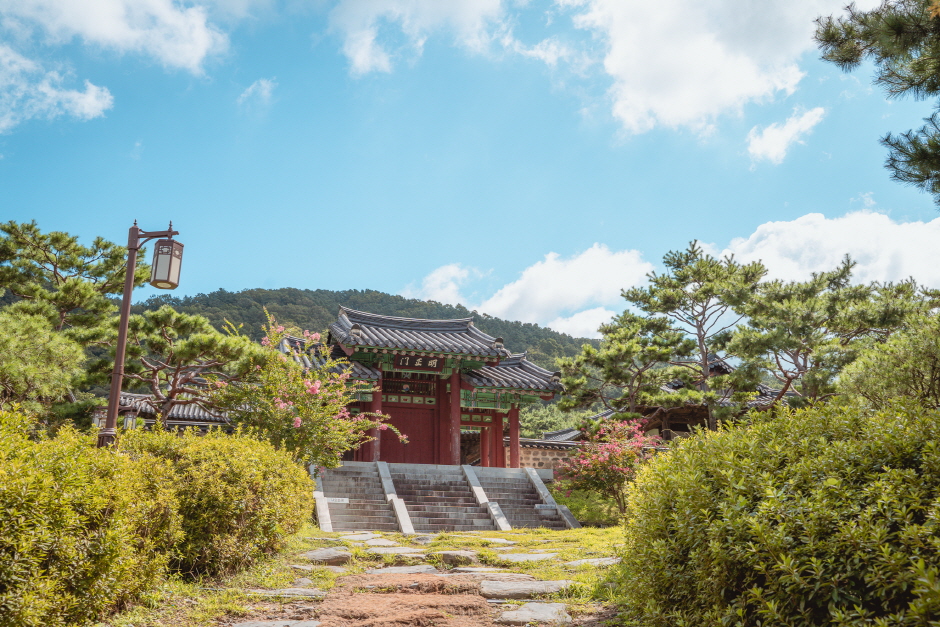
Uam Historical Park (우암사적공원)
2.4Km 2024-02-29
53 Chungjeong-ro, Dong-gu, Daejeon
+82-42-673-9286
Uam Historical Park, situated in the eastern part of Daejeon, is both a cultural heritage site and a park. It was once the place where Uam Song Siyeol (1607-1689), a scholar and government official during the Joseon dynasty, conducted his research and educational activities. The traditional houses established during his time and the relics left by Song Siyeol are still preserved, and visitors can view these artifacts at the historic museum. The park also features a pond within its premises.
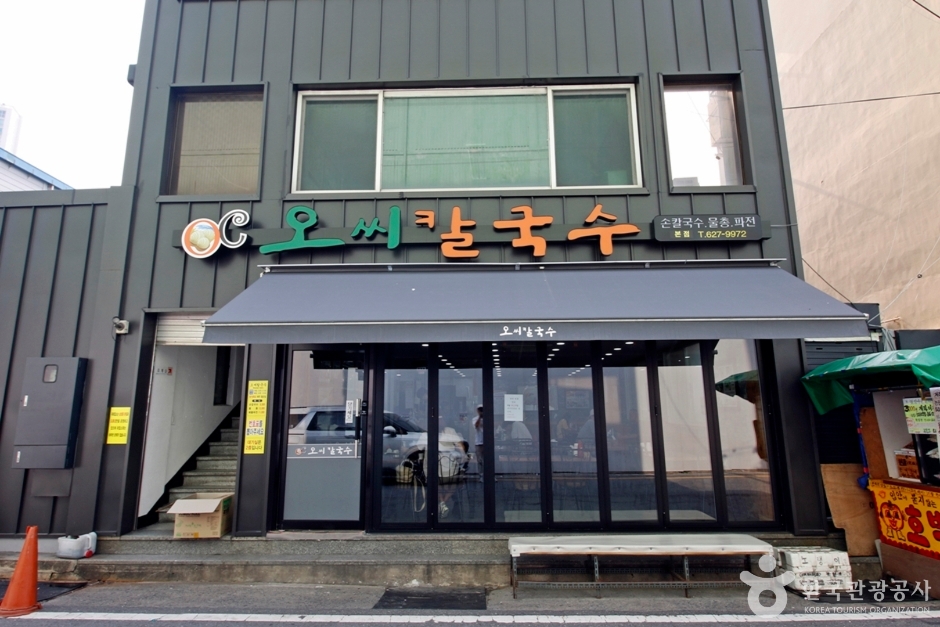
OC Kalguksu (오씨칼국수)
2.6Km 2024-12-02
1F, 13 Yetsintanjin-ro, Dong-gu, Daejeon
This is a specialty kalguksu restaurant known for its broth made with surf clams. When you order the mulchong, or dongjuk jogaetang (surf clam soup), you’ll be surprised by the generous amount of clams piled above the pot. The broth, made with anchovies and surf clams, is spiced to enhance its flavor, making it more flavorful and less plain.
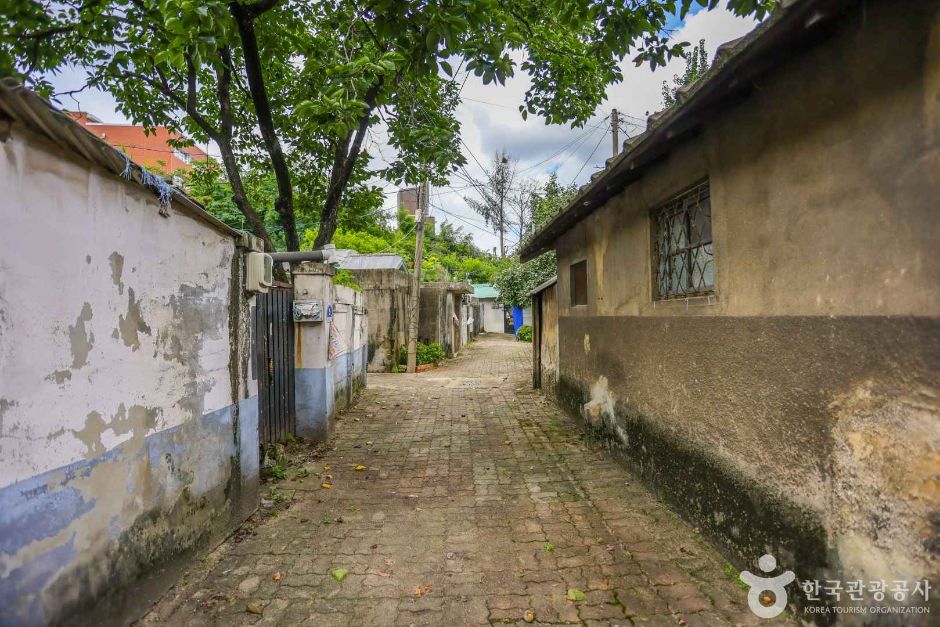
Railway Residency Village (Sollangsiul-gil) (철도관사촌(솔랑시울길))
2.8Km 2025-10-23
Soje-dong, Dong-gu, Daejeon
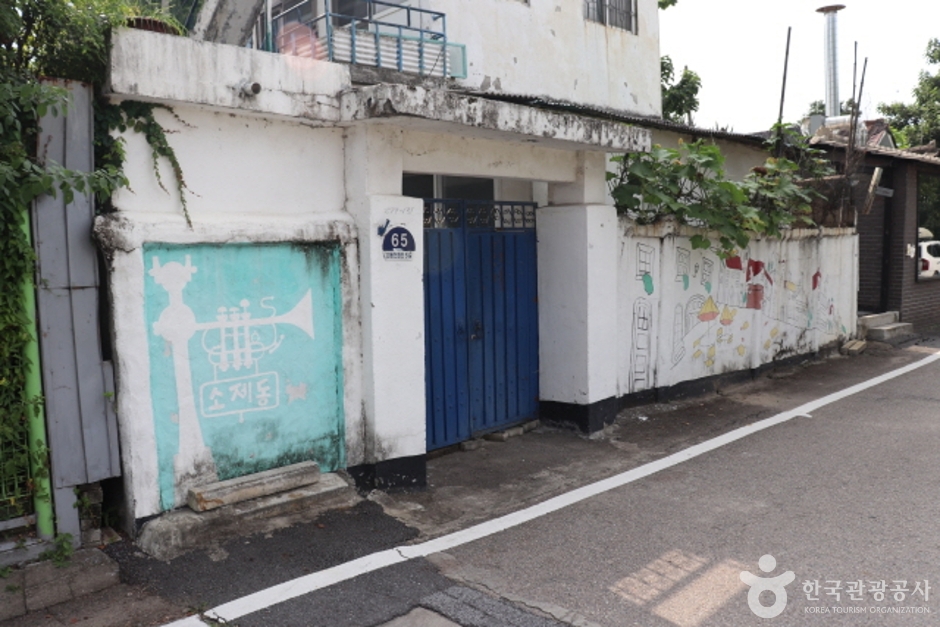
Railway Residency Village, located near Daejeon Station, retains much of its old charm, offering visitors the feeling of stepping back in time. Daejeon’s modern history is closely tied to the development of its railroads. With the opening of the Gyeongbu Line in 1905 and the Honam Line in 1911, the city emerged as a major transportation hub. As traditional villages began to disappear, people flocked to Daejeon, transforming it into a growing metropolis. During the Japanese occupation in the 1930s, the area housed many Japanese railway engineers, which is why Japanese-style architecture can still be found today. At the time, there were over 100 government buildings, though only about 40 have survived. Several of these have been recognized as Registered Cultural Properties for their historical significance. Among them, Building No. 42 now serves as a cultural space that occasionally hosts exhibitions. A stroll along the quiet Solangseoul-gil offers visitors a chance to admire charming murals adorning the walls, adding to the nostalgic atmosphere of the village.

CU - Woosong Center Branch [Tax Refund Shop] (cu우송센터점)
2.8Km 2024-06-27
60-4, Baengnyong-ro 11beon-gil, Dong-gu, Daejeon
-
Soje-dong Cafe Street (소제동 카페 거리)
2.9Km 2025-10-23
53 Suhyang-gil, Dong-gu, Daejeon
Soje-dong Cafe Street is a cafe village located in Daejeon. This area has long been neglected and underdeveloped. However, recently, various shops have opened, adding a youthful touch to the old buildings, from Italian restaurants remodeled from old buildings to unique cafes and restaurants converted from over 70-year-old buildings. With a retro sentiment that evokes nostalgia for middle-aged and older generations, it has transformed into a cafe street, attracting diverse visitors. While it's nice to choose a cafe in Soje-dong Cafe Street to enjoy tea or visit a gallery to appreciate artworks, another way to enjoy this place is to take an alley tour in Soje-dong and stroll through the cafe street to admire the murals painted on the walls. Soje-dong Cafe Street is conveniently located near Daejeon Station, making it easy for visitors to reach.
Hanbat Museum of Education (한밭교육박물관)
2.9Km 2021-04-09
96, Uam-ro, Dong-gu, Daejeon
+82-42-670-2200
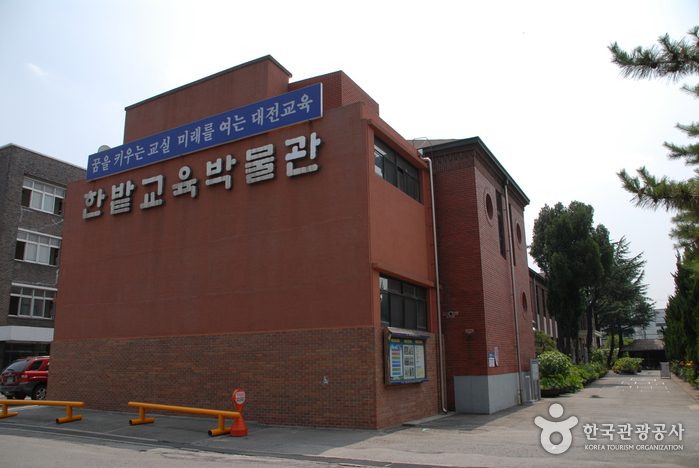
Hanbat Museum of Education, opened on July 10, 1992, is home to 9 exhibition halls, 3 smaller exhibition areas, and outdoor exhibit areas displaying a total of 27,000 education-related items such as old school textbooks, educational books, student files, stationery, and more. The museum is particularly popular as a fieldtrip destination for local students.
Exhibition chambers at the museum house documents and items that bear witness to the history of education from the olden days (i.e. village Confucian schools) to the present. Also on display are folk materials on the ancient educational institutions of the past and the daily lives of students. Thanks to the extent and variety of its documents, the museum is a great educational institution that not only preserves the history of education in Korea, but also sheds light on hundreds of years of life, tradition, and culture.
The museum building, built on June 8, 1938, is the oldest one in the city. Used as a school and later a military base for the U.N. Peace Corps and North Korean soldiers during the Korean War, the building has never been renovated and still bears the bullet holes and other marks of its tumultuous history. In recognition of its historical importance as a local structure, the museum was designated Cultural Property Material No. 50.
Daecheongho Obaengni (500-ri) Road (대청호오백리길)
3.2Km 2021-06-04
34, Cheongaedong-ro, Dong-gu, Daejeon
+82-42-273-5550
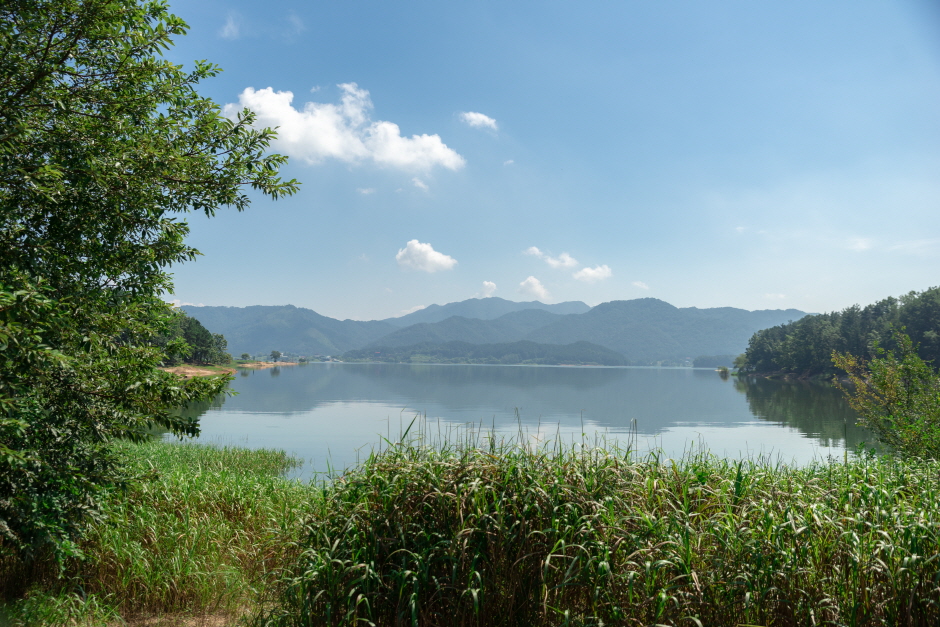
Daecheongho Obaengni (500-ri) Road is a 220 kilometer walking path passing through the Daejeon (Dong-gu, Daedeok-gu) and Chungcheongbuk-do (Cheongwon, Okcheon, Boeun) areas. The road passes Daecheongho Lake, small streams, trekking roads, a forest trail, an old path, and much more. The "obaengni" (500-ri) from the name of the road comes from the distance from Seoul or Busan to Daecheongho Lake, which is 500-ri.
Several mountains at an altitude of 200-300 meters and lots of greenery surround Daecheongho Lake. The area also has a date course, a meditation course, a trekking course, a family trip course to experience rural culture and cultural exploration, a bike course and other themed courses. The road was awarded an Asian Townscape Award by the UN-Habitat Program.
Near the road are tourism attractions like the Daecheong Dam Water Culture Center, Daecheongho Sculpture Park, Daecheongho Art Museum, Daecheongho Natural Ecology Center and others. In addition, there are historic cultural tourism spots like Cheongwon Cheongnamdae, Munui Cultural Properities Site, Boeun Songnisan Mountain, Okcheon Dujunbong Peak, and the birthplace of Jeong Jiyong and Yuk Yeongsu.
Sindo Kalguksu Main Store (신도칼국수 본점)
3.4Km 2024-12-24
대전광역시 동구 대전로825번길 11
042-253-6799
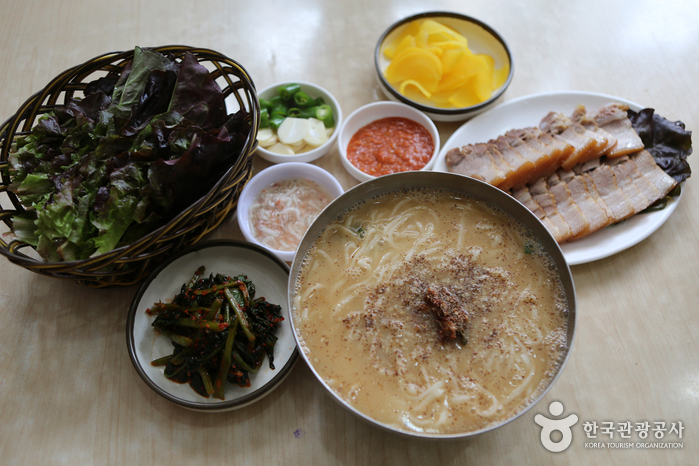
Established in 1961, this restaurant is still regarded as one of the best places for kalguksu in the Daejeon area. The broth, made from beef bones and anchovies, is enriched with perilla seed powder, creating a rich and nutty flavor. For the full experience, try pairing it with suyuk (boiled pork slices) or dubu duruchigi (stir-fried bean crud).
Kkumdori House (꿈돌이 하우스)
3.5Km 2025-10-23
3 Jungang-ro 203beon-gil, Dong-gu, Daejeon
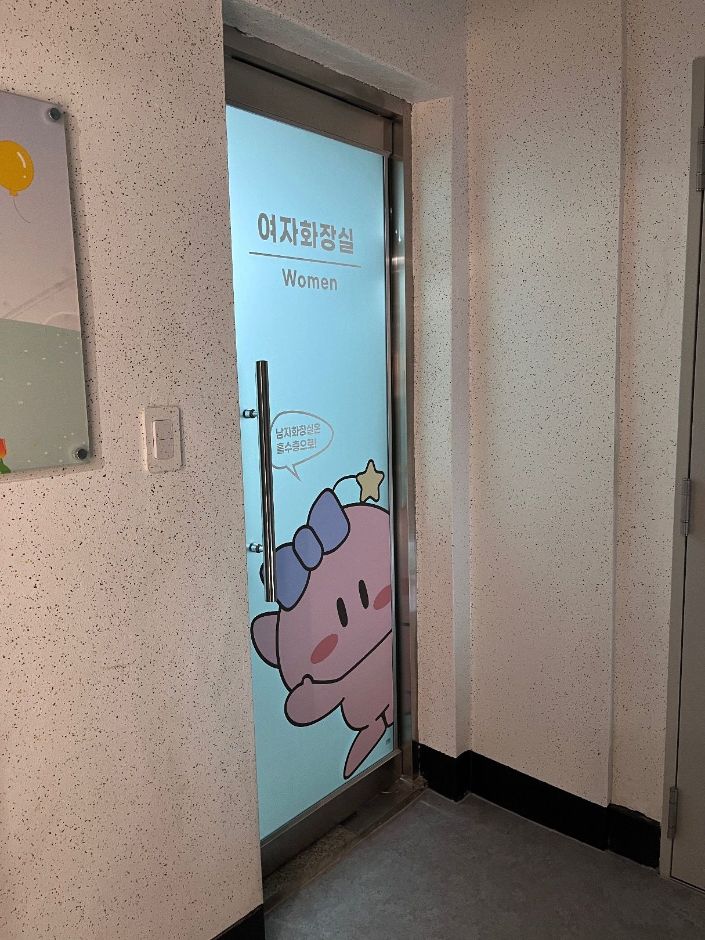
Located near Daejeon Station, Kkumdori House promotes the city's tourist attractions and sells souvenirs. The first floor offers a variety of merchandise featuring "The Kkum Family," the symbol of Daejeon. On the second floor, visitors can enjoy a VR drive through Daejeon. The third floor showcases photos and media art of major attractions, such as the Daejeon Observatory and Sangso-dong Forest Park.
 English
 한국어
한국어 日本語
日本語 中文(简体)
 Deutsch
 Français
 Español
 Русский


