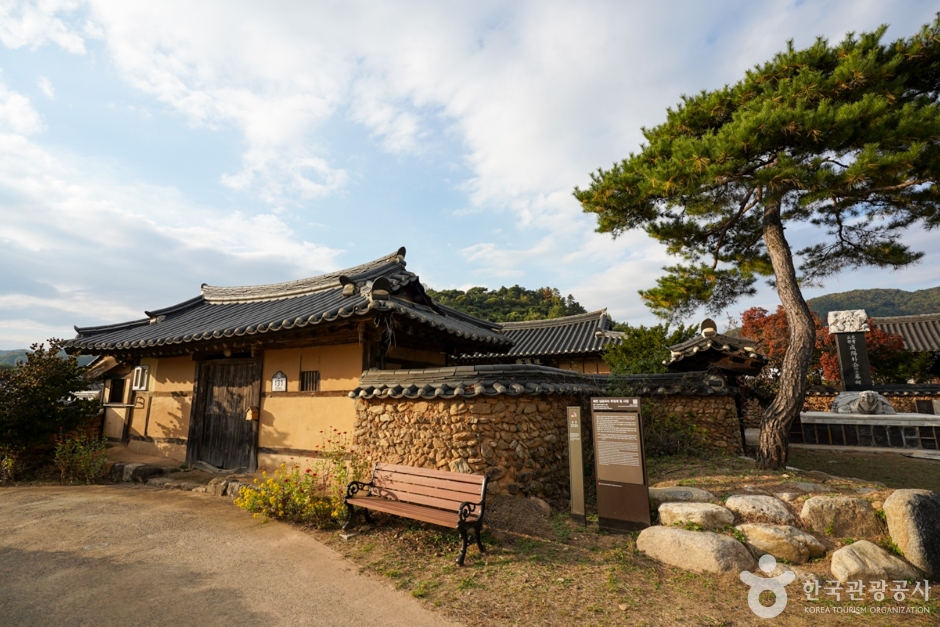
Yecheon Geumdangsil Village (예천 금당실마을)
18.7Km 2024-02-23
54 Geumdangsil-gil, Yongmun-myeon, Yecheon-gun, Gyeongsangbuk-do
Yecheon Geumdangsil Village is celebrated for its cultural relics and traditional houses, earning its name for resembling a lotus flower afloat on water. Visitors can explore the remnants of Yi Yuin's expansive 99-room house, dating back to the late Joseon era. The village is also home to significant cultural landmarks such as Choganjeong Pavilion, Yongmunsa Temple, Geumgokseowon Confucian Academy, and Bansongjae Gotaek (Kim Bin's Old House). A standout feature of the village is the Geumdangsil Pine Forest, recognized as a natural monument. This impressive pine grove, comprising over 900 trees, spans 800 meters, stretching from the base of Omibong Peak in Geumdangsil to the vicinity of Yongmun Elementary School.
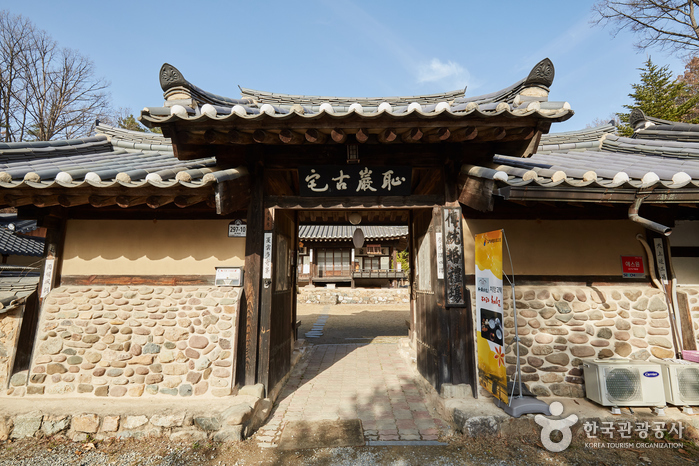
CHIAMGOTAEK (치암고택)
19.0Km 2024-12-20
297-10 , Toegye-ro, Andong-si, Gyeongsangbuk-do
Chiam Old House in Andong, Gyeongsangbuk-do, was the home of Chiam Lee Man-hyeon, a Joseon official in the time of King Gojong, and is now a Gyeongsangbuk-do cultural treasure. Five of the buildings - Anchae, Sarangchae, Daemunchae, Byeoldangchae, and Byeolchae - have guestrooms, and reserving two or three rooms together enables visitors to feel they’re staying in a Joseon yangban’s house. Daemunchae has the best views over the house and surrounding landscape. The flower garden is a nice place to stroll and ponder the beauty of nature.
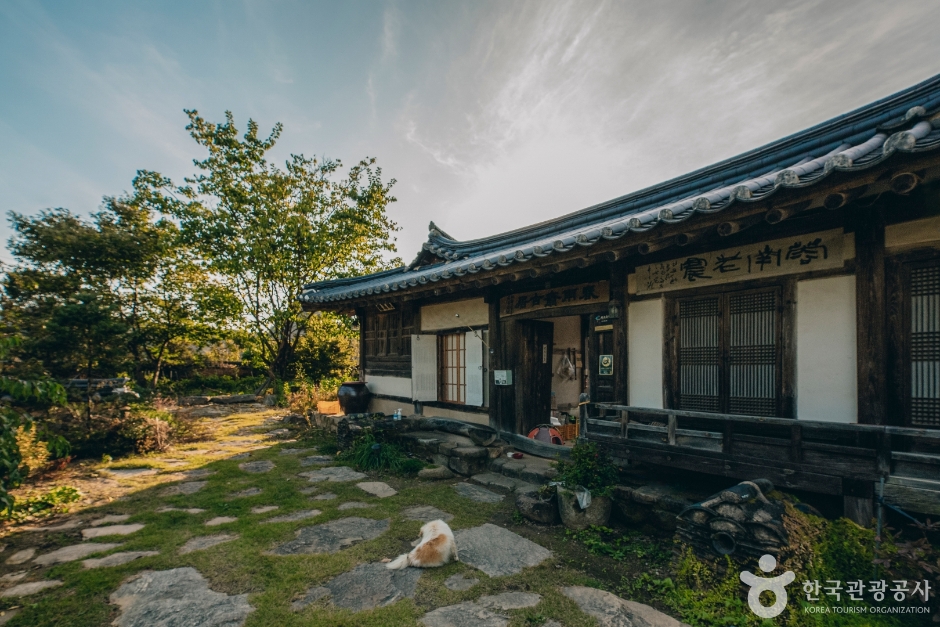
Chunujae House / 춘우재고택
19.0Km 2025-03-05
101 , Matjil-gil, Yecheon-gun, Gyeongsangbuk-do
Chunoojae Old House in Jeogok-ri, Yecheon-gun, Gyeongsangbuk-do, is a late Joseon period hanok built by Kwon Jin, grandson of Kwon Eui. Gingko, peepal trees and chrysanthemums grow in its well-tended yard, and every year the petals are gathered for tea brewing, and the branches trimmed and soaked to make alcohol. There are seven guestrooms, and in the summer group visitors can make a bigger space by renting 2 or 3 together. Various traditional food experiences, such as soybean paste making, are offered. For groups of 10 or more, reservations should be made at least a week in advance.
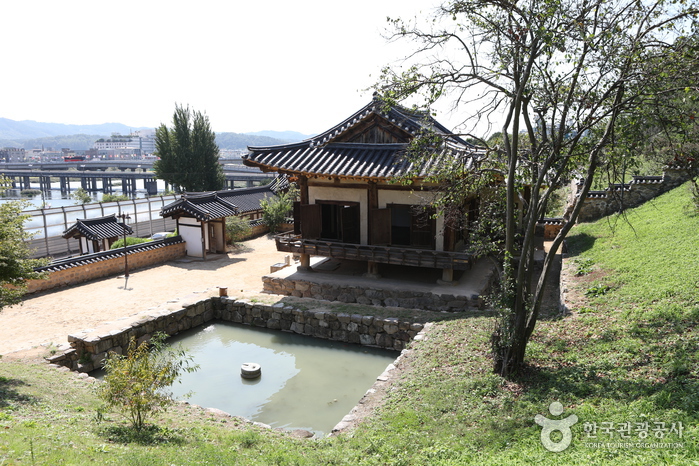
Imcheonggak House (안동 임청각)
19.5Km 2021-11-09
63, Imcheonggak-gil, Andong-si, Gyeongsangbuk-do
Imcheonggak House is the largest remaining household from the Joseon dynasty, holding a history of over 500 years. The house was built for one aristocratic family’s love of the scenic beauty in the surrounding area. It was originally built with a total of 99 kan (traditional measurement of space between pillars) but only 70 remain. The most famous structure on this property is the annexed pavilion, Gunjajeong. An autograph of the famous Confucian scholar Lee Hwang can be found hanging outside the pavilion.
Head House of the Tapdong Branch of the Goseong Yi Clan (법흥동 고성이씨탑동파종택)
19.6Km 2022-12-21
103, Imcheonggak-gil, Andong-si, Gyeongsangbuk-do
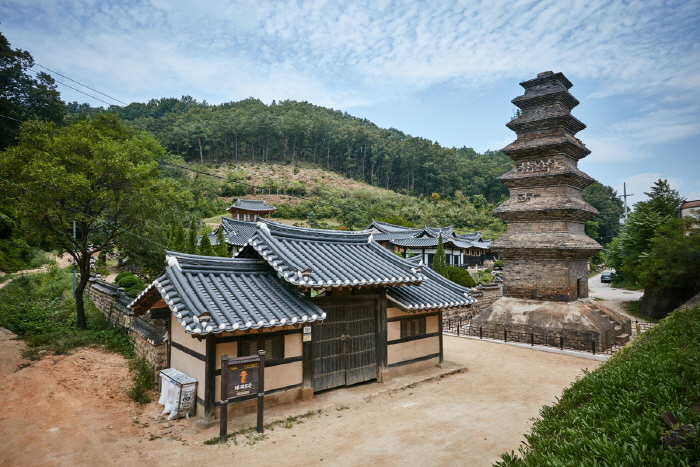
Head House of the Tapdong Branch of the Goseong Yi Clan, located in Andong, serves as a residential house of the Yi descendents even to this day. Constructed in 1685, this house has all of the beautiful features that represent Joseon-style architecture. After this period, additional structures were added periodically. Across from the house is the Seven-story Brick Pagoda at Beopheungsa Temple Site.
 English
 한국어
한국어 日本語
日本語 中文(简体)
 Deutsch
 Français
 Español
 Русский


