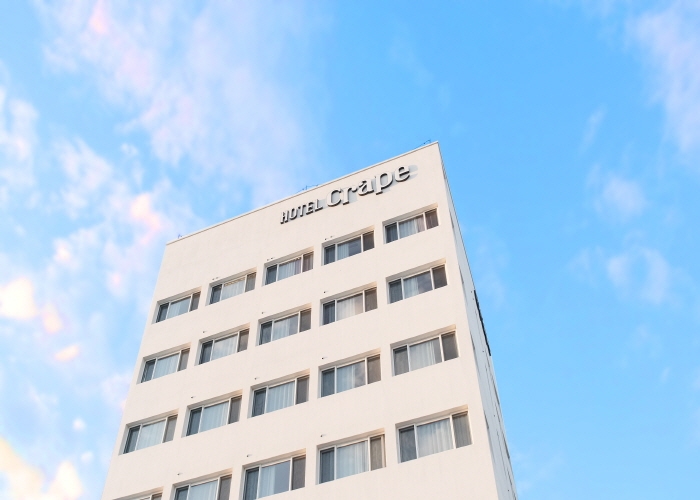
Hotel Crape 호텔크라페 성서점
10.8Km 2025-05-29
6-4, Seongseogongdan-ro 11-gil, Dalseo-gu, Daegu
+82-53-588-3300
Hotel Crape in Seongseo, Daegu, Gyeongsangbuk-do, is a boutique hotel near the Seongseo Industrial Complex. It offers a variety of room types and caters for both business travelers and family customers. The nearby Moda clothing outlet makes this a good base for shopping; Keimyung University Seongseo Campus (often used as a filming location) is 10 minutes away by car, as is the Keimyung Arts Center where visitors can enjoy concert performances. Nearby is Daemyeong Reservoir, whose reed fields are popular in the autumn.

Daemyeong Reservoir (대명유수지)
11.5Km 2024-02-15
816 Daecheon-dong, Dalseo-gu, Daegu
Daemyeong Reservoir, located adjacent to Dalseong Marsh, is at the convergence point of the Nakdonggang River, Geumhogang River, Daemyeongcheon Stream, and Jincheon Stream. This area is a rich ecological reserve, home to a diverse range of wildlife including the narrow-mouthed toad, leopard cat, weasel, common kestrel, and water deer, along with various wild plants. Visitors to the area can explore narrow-mouthed toad habitats, observation decks, ecological exploration trails, and photo zones. There's also a narrow-mouthed toad ecological learning center for educational experiences. The surrounding landscape, with its stretches of silver grass and reeds along the walking decks, offers a picturesque setting, particularly attractive for autumn photography.
Daegu Arboretum (대구수목원)
11.5Km 2023-11-17
342 Hwaam-ro, Dalseo-gu, Daegu
+82-53-803-7270
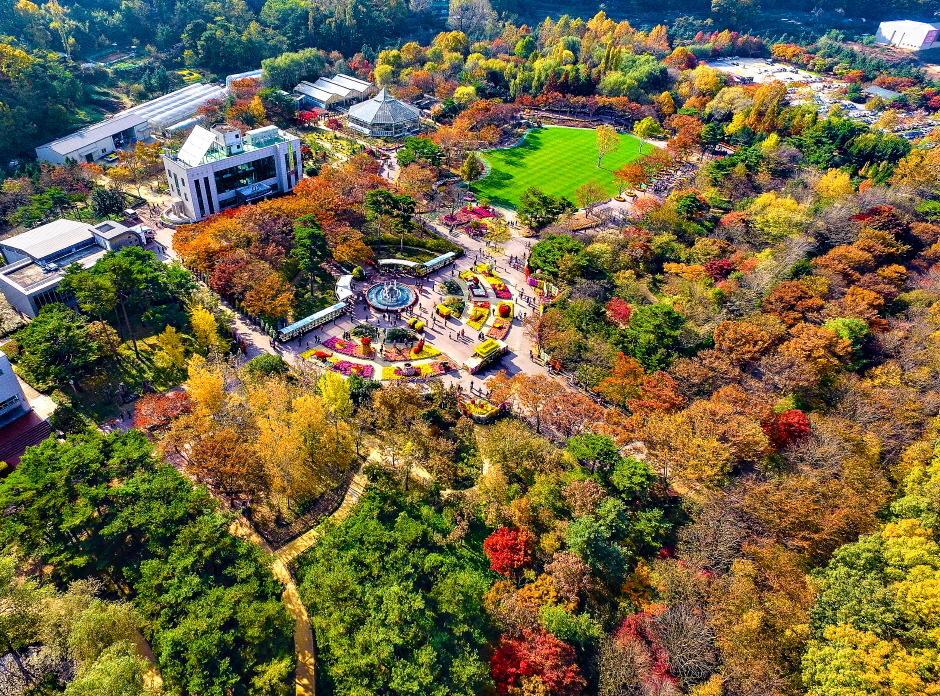
Daegu Arboretum is located at the site of an old sanitary landfill. The restoration of the area passed through many stages from 1996 until the opening in May 2002. It is home to more than thousands of species of plants including giant cacti, flowers, medicinal herbs, and trees in 21 gardens. The arboretum serves as an ecological education center and rest area for Daegu citizens. Ecology experience programs for students and young children are held regularly during summer vacation. Nearby attractions include Apsan and Duryu Parks, as well as Palgongsan and Biseulsan Mountains.
Daegu Spa Valley (대구 스파밸리)
11.7Km 2025-08-12
891 Gachang-ro, Gachang-myeon, Dalseong-gun, Daegu
+82-1688-8511
Daegu Spa Valley is a year-round water park offering various water attractions and hot springs. It features a 250m lazy river pool, Speed Slides, Jungle Aqua, hot spring saunas, Aqua Play, and both indoor and outdoor water playgrounds. There are water park experience programs available for day trips or overnight stays.
Dalseong Marsh (대구 달성습지)
12.2Km 2025-06-10
88 Gura 1-gil, Hwawon-eup, Dalseong-gun, Daegu
Dalseong Marsh is located in the meeting point of Nakdonggang River, Geumghogang River, Jincheoncheon Stream, and Daemyeongcheon Stream. Spanning an area of 2 ㎢, the marsh comprises wetlands and freshwater lake where various seasonal aquatic plants are grown. It is also home to several different species of migratory birds.
The ARC Communication Space (디아크문화관)
12.4Km 2024-02-29
57 Gangjeongbon-gil, Dasa-eup, Dalseong-gun, Daegu
+82-53-585-0916
The ARC Communication Space features exhibition halls and art galleries on the underground floor, and Circle Theater on the first and second floors, all centered around the theme of water. The name "ARC" stands for Architecture of River Culture and Artistry of River Culture, showcasing themes such as the relationship between rivers and people, rivers and music, rivers and literature, the birth of life, and the rise of civilization.
Hwawon Park (화원동산)
12.7Km 2024-04-08
40-14 , Samunjin-ro 1-gil, Dalseong-gun, Daegu
+82-53-659-4465
Hwawon Park, a vast park beside the Nakdonggang River, is steeped in history. The river, once bustling with Samunjin Quay, where ships laden with goods frequented, now features Samunjin Ferries. Visitors can access Dalseong Marsh Ecological Park via a floating walkway across the river. In the vicinity, the Samunjin Jumakchon Village offers traditional beverages and delicacies, including makgeolli (unrefined rice wine) and pajeon (green onion pancake). With well-maintained walking trails, cafés, and picnic spots, the park serves as an ideal destination for family outings.
Samunjin Jumakchon Village (사문진 주막촌)
13.1Km 2023-11-09
40-12 Samunjin-ro 1-gil, Hwawon-eup, Dalseong-gun, Daegu
Samunjin was the location of a ferry dock on the Nakdonggang River in the past. During the Japanese occupation, the area was turned into a recreation ground, which saw many people coming to enjoy leisure strolls. In November 2013, three hanok jumak (traditional dining establishment) were built at the site of the old dock and the current Samunjin Jumakchon Village was opened. The jumak serve a range of foods that were enjoyed in the past, such as makgeolli, gukbap, and buchujeon (chives pancake). The village is well-known as a place to enjoy the sunset.
Palgongsan National Park (Pagyesa Temple District) (팔공산국립공원(파계사지구))
13.8Km 2025-04-08
741 Pagye-ro, Dong-gu, Daegu
+82-53-939-0080
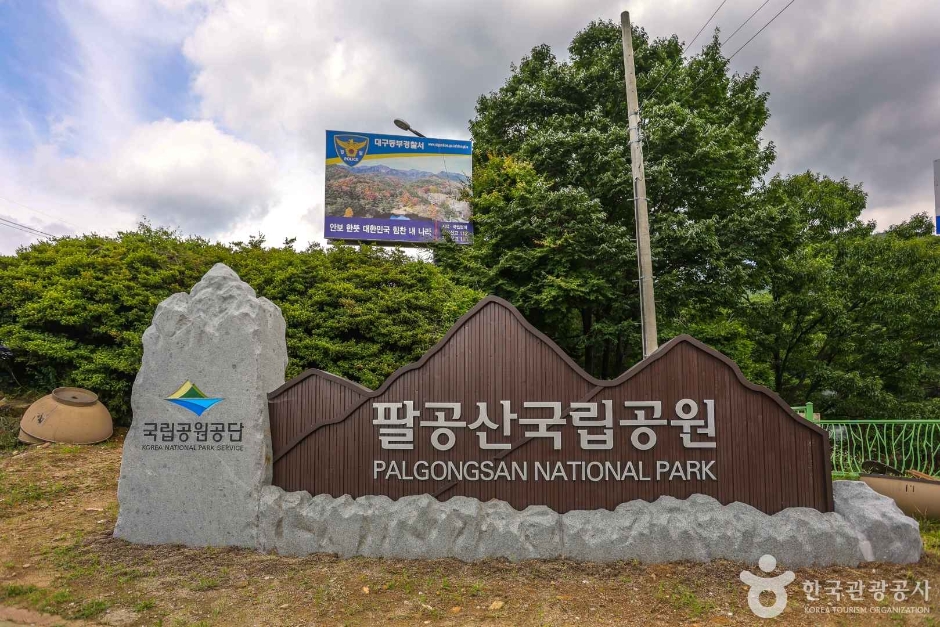
Palgongsan National Park is located close to Palgongsan Mountain, one of the larger mountains in the Taebaek Mountain Range. Palgongsan Mountain is located 20 kilometers northeast from downtown Daegu, where Nakdonggang River and Geumhogang River meet. The mountain has three peaks in a row: Birobong Peak in the center and Dongbong Peak (aka Mitabong, 1,155 m) and Seobong Peak (aka Samseongbong, 1,150 m) on each side.
The park is within the administrative district of Dong-gu, Daegu and has four towns along its border including Yeongcheon-si, Gyeongsan-si, and Chilgok-gun. A number of Buddhist temples including Donghwasa Temple, the headquarters of the 9th Buddhist Parish, are located in the area.
The park has numerous rocks and valleys and is carpeted with azaleas in the spring. In autumn, many visitors flock to the park to admire the fall foliage on the trees lining the 16.3 kilometer-long roadway that runs through the park. With vibrant green leaves in spring and a delicate snowscape in the winter, Palgongsan Mountain is an attractive destination for visitors throughout the year.
Buinsa Temple (Daegu) (부인사(대구))
14.0Km 2024-02-23
967-28 Palgongsan-ro, Dong-gu, Daegu
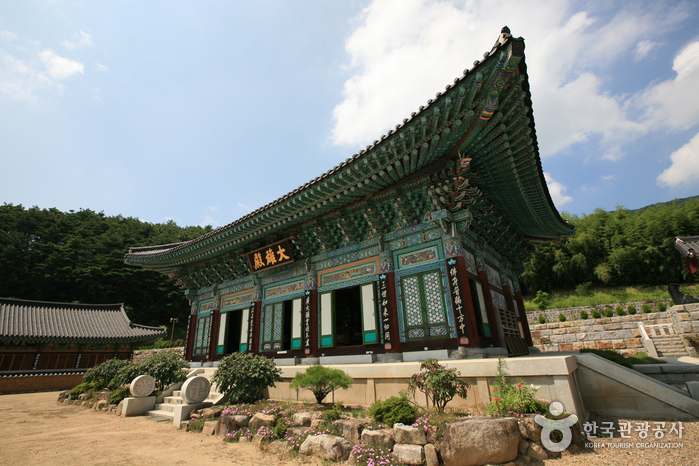
Buinsa Temple is a temple nestled on the southern slopes of Palgongsan Mountain, with a deep historical connection to Queen Seondeok of Silla (580–647). The temple is renowned for preserving the woodblocks of the First Tripitaka Koreana, a collection of Buddhist scriptures carved in the 11th century. The current Buinsa Temple encompasses significant structures, including Daeungjeon Hall, Queen Seondeok's Memorial Hall, and Samseonggak Shrine. Visitors have the opportunity to appreciate the scenic beauty of nature while exploring the cultural and architectural heritage from the Silla and Goryeo periods.
 English
 한국어
한국어 日本語
日本語 中文(简体)
 Deutsch
 Français
 Español
 Русский


