Woryeonggyo Bridge (월영교) - Area information - Korea travel information

Woryeonggyo Bridge (월영교)

Woryeonggyo Bridge (월영교)

16.9Km    2025-10-23

Sanga-dong, Andong-si, Gyeongsangbuk-do
+82-54-852-6800

Woryeonggyo Bridge was named in reference to the submerged Woryeongdae Observatory and the names of nearby areas Wolgok-myeon and Eumdamgol. The view of Woryeonggyo Bridge with the moon's reflection in the Nakdonggang River is a beautiful sight. Woryeonggyo Bridge harbors a tragic yet beautiful legend about a wife who made a pair of mituri (hemp shoes) out of her hair in heartfelt yearning and condolence for her late husband. In commemoration of her pure and noble love, the bridge was designed in the style of mituri.

◎ Travel information to meet Hallyu’s charm - variety show "I Am Solo"
This spot is where Yeong-sik and Hyeon-suk enjoyed their hanbok date. Perhaps because of the romantic lights, the two managed to confirm their feelings for each other once more. You can walk on the bridge like Yeong-sik and Hyeon-suk did or take the Moon Boat on the lake and enjoy the view of the bridge from the water.

Heotjesabap Kkachi Gunmeongjip (헛제사밥까치구멍집 )

Heotjesabap Kkachi Gunmeongjip (헛제사밥까치구멍집 )

17.0Km    2024-11-29

203, Seokju-ro, Andong-si, Gyeongsangbuk-do
+82-54-821-1056

Heotjesabap Kkachi Gumeongjip is a popular restaurant located in Andong, serving yangbansang (yangban table set) fit for the aristocracy. The restaurant interior design features a traditional hanok floor, bringing the aristocratic feeling to life. One of the most popular dishes is hoetjesabap (Andong-style bibimbap). Heotjesabap coloring is not vibrant, but the dish is flavorful, with vegetables and jeon (savory pancakes) piled atop rice. The restaurant, with traditional tiles and designs, producing a feel of gentle harmony and overall traditional beauty coupled with a modern feel.

Andong Folk Museum (안동민속박물관)

Andong Folk Museum (안동민속박물관)

17.1Km    2021-07-01

13, Minsokchon-gil, Andong-si, Gyeongsangbuk-do
+82-54-821-0649

Andong Folk Museum is located within the Andong Dam Folk Village, a collection of houses and items collected before being submerged after the creation of the dam. The museum preserves and educates visitors on folk, Buddhist, and Confucian cultures. The museum is divided into an indoor section and an outdoor section. The indoor section in particular focuses on the unique cultural aspects of Andong through various exhibitions, as well as in the video screening room. The outdoor section features nearly 20 traditional structures, including hanok houses and old ice storage rooms, providing a closer look at the lifestyle of the past.

Andong Folk Village (안동민속촌)

Andong Folk Village (안동민속촌)

17.2Km    2024-05-30

Seonggok-dong, Andong-si, Gyeongsangbuk-do
+82-54-852-6800

On the other side of the subsidiary dam of Andong Dam, thatched houses can be sparsely seen on a hilltop. The area is practically an outdoor museum, displaying traditional houses that were moved to safety prior to the construction of Andong Dam. Two jangseung (traditional Korean totem poles) are raised at the entrance of the outdoor museum, followed by a monument inscribed with the poem of famous Andong poet and democracy activist, Lee Yuk-sa. On the monument, his most noted work “Gwangya” (Wild Plain) is carved.

Nearby attractions include Andong Museum, Lee Yuk-sa Monument, a filming site of “Taejo Wang Geon (2000)," and Andongho Lake.

Andong Dam (안동댐)

Andong Dam (안동댐)

17.7Km    2021-07-21

31, Hoban-ro, Andong-si, Gyeongsangbuk-do
+82-54-850-4267

Andong Dam is a multipurpose dam on the Nakdonggang River. The dam was constructed to prevent flood damage to the downstream region and to procure water for agricultural, industrial, and residential purposes. Construction of the dam completed in 1976 with a length of 612 meters. x_height of 83 meters and holds 1.2 billion tons of water. Andongho Lake formed by the dam is a popular fishing location.

CHIAMGOTAEK (치암고택)

CHIAMGOTAEK (치암고택)

17.8Km    2024-12-20

297-10 , Toegye-ro, Andong-si, Gyeongsangbuk-do
+82-54-858-4411, +82-10-3530-4413

Chiam Old House in Andong, Gyeongsangbuk-do, was the home of Chiam Lee Man-hyeon, a Joseon official in the time of King Gojong, and is now a Gyeongsangbuk-do cultural treasure. Five of the buildings - Anchae, Sarangchae, Daemunchae, Byeoldangchae, and Byeolchae - have guestrooms, and reserving two or three rooms together enables visitors to feel they’re staying in a Joseon yangban’s house. Daemunchae has the best views over the house and surrounding landscape. The flower garden is a nice place to stroll and ponder the beauty of nature.

Nakgangmulgil Park (낙강물길공원)

Nakgangmulgil Park (낙강물길공원)

18.1Km    2024-11-14

423 Sanga-dong, Andong-si, Gyeongsangbuk-do

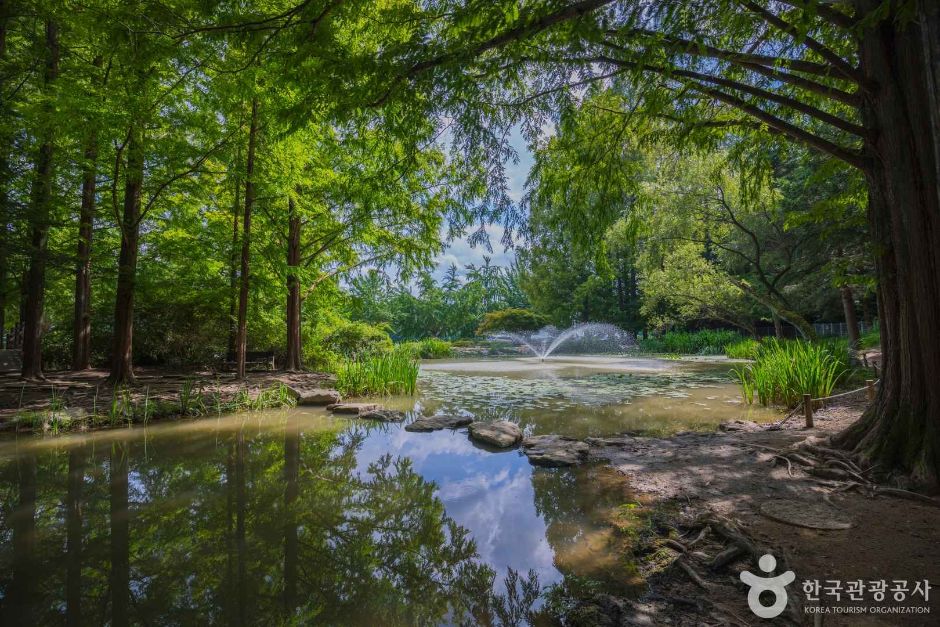
Nakgangmulgil Park, called the Giverny of Korea, is a small waterside park located near Andong Dam. The park is the perfect setting for a relaxing moment, with benches placed under trees and beside walkways throughout the park. The natural environment creates plenty of photo spots. Visitors looking for a longer walk in nature can follow the riverside deck to Wolryeong Park.
Jirye Arts Village (지례예술촌)

Jirye Arts Village (지례예술촌)

19.2Km    2024-05-29

427 Jiryeyesulchon-gil, Andong-si, Gyeongsangbuk-do
+82-54-852-1913

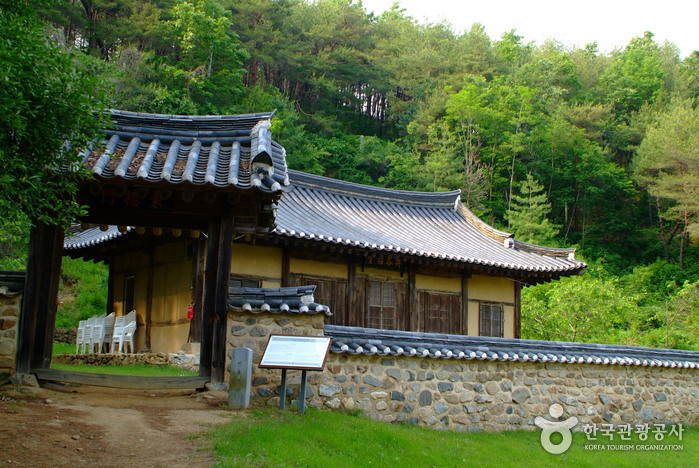
Located in Andong, Jirye Arts Village first formed as a result of the construction of Imha Dam. When a small neighborhood in Jirye-ri, Imdong-myeon was at the risk of flood due to the dam, Kim Won-gil, the village leader at the time, relocated and rebuilt ten houses to the current location in 1986. This neighborhood, now known as Jirye Arts Village, was designated as an art village in 1990 and since then, many artists settled in the neighborhood and formed a community of culture and art. Today, Jirye Arts Village offers a variety of opportunities to experience Korean culture through hands-on arts and crafts as well as diverse cultural activities.