
Peace Park (평화공원)
6.5Km 2021-09-17
10, Sinseon-ro 447beon-gil, Nam-gu, Busan
Peace Park is the representative citizen's rest area in Busan, filled with over 30,000 camellia and pine trees. A fountain in the middle of the park provides a fun water playground for children, and a popular date spot with beautiful lights at night.
Goodwill Dental Hospital (굿윌치과병원)
6.5Km 2025-10-23
4F, 686 Jungang-daero, Busanjin-gu, Busan
Goodwill Dental Hospital opened in 1998 with the aim of becoming the world's best dental clinic, providing high-quality care while fostering sincere relationships with patients. The hospital marked its 27th anniversary and has four clinics with a total of 350 medical staff members.
Its medical staff are recognized at global conferences and are actively engaged in educational activities. They have 11 scientific journal publications indexed in the Science Citation Index (SCI), organized international academic conferences, engaged in educational activities, and received numerous awards at globally renowned academic conferences.
The hospital adheres to its principle of asking, "Would I do the same for my own family?" It strictly follows procedures, complies with the detailed international standard guidelines (JCI standards), and utilizes 3D digital equipment for precision in treatment.
Goodwill Dental Hospital is a care-oriented dental clinic that protects and preserves healthy teeth, going beyond 'cure'.
Gowoonsesang Kim Yang-Che & Jang Bong-Seok Skin Clinic (고운세상 김양제장봉석피부과의원)
6.5Km 2025-10-23
5th Floor, Gyeongnam Building, 686 Jungang-daero, Busanjin-gu, Busan
Founded in 1984 with over 41 years of clinical experience and expertise in dermatology. Equipped with advanced devices such as Thermage FLX and Ulthera Prime to provide precise treatments, using only 100% original devices and certified tips approved by the FDA and KFDA. Strictly adhering to the principle of genuine products and accurate dosage in all procedures including Botox and fillers, and operating a differentiated aftercare system that connects pre-arrival consultation, dedicated one-on-one staff support, and continuous follow-up after returning home. Registered as a medical institution for attracting foreign patients and covered by medical malpractice liability insurance, providing an environment where patients can receive treatment with confidence.
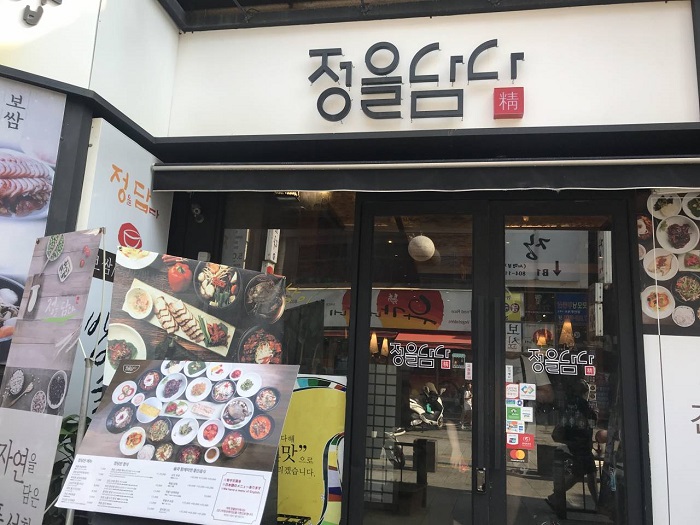
Jeongeul Damda (정을담다)
6.6Km 2024-10-14
38 Jungang-daero 692beon-gil, Busanjin-gu, Busan
It is a restaurant serving delicious Bossam (boiled Korean pork with cabbage or lettuce wraps) in Seomyeon. This restaurant's signature menu is kimchi cabbage wraps with pork. This Korean dishes restaurant is located in Busanjin-gu, Busan.
UN Sculpture Park (UN조각공원)
6.6Km 2023-04-04
Daeyeong-dong, Nam-gu, Busan
UN Sculpture Park is located next to the UN Memorial Cemetery where the souls of UN soldiers who served in the Korean War rest in peace. The sculpture park exhibits 34 pieces of artworks created and donated by sculptors from 21 nations who provided support in the Korean War. These sculptures were created as a part of UN Memorial Park International Sculpture Symposium (September 15-30, 2000) that commemorated the 50th anniversary of the outbreak of the Korean War in honor of those who fought in the war. The UN Sculpture Park had its opening ceremony on October 24, 2001.
Nunevit Eye Clinic (누네빛안과의원)
6.7Km 2025-10-23
(7th-13th Floors, Nune Medi Tower), 77 Bujeon-ro, Busanjin-gu, Busan
Nunevit Eye Clinic is capable of all vision correction surgeries.
We perform all types of intraocular lenses (IOLs), from anterior chamber (AC)/posterior chamber (PC) IOLs to SMILE LASIK, which has garnered global popularity in corneal refractive surgery.
We recommend the best surgery for each patient among the vision correction surgeries that have been proven safe.
Our Nunevit Retina Center, a university-level clinic, carries out over 50 pre-screening and Avellino DNA tests to ensure patients' safety.
The operation waiting room has a special glass window to allow the patient's family to watch the loved one's surgery.
As a leader in Korean medical tourism, we boast zero medical disputes since opening and zero Avellino corneal dystrophy patients.
Nell Clinic (넬의원)
6.7Km 2025-10-23
1st Floor, Centum Medical Tower, 60 Seomyeon-ro, Busanjin-gu, Busan
Nell Clinic is a medical institution specializing in skin and beauty located in the center of Seomyeon, Busanjin-gu. Through customized counseling, a procedure plan suitable for each individual's skin condition and goal is established, and three female directors with abundant experience and know-how directly treat them. It provides systematic management and expertise throughout the procedure, emphasizing skin aging improvement and design balance.
BGN Eye Hospital (밝은눈안과병원)
6.8Km 2025-10-23
729 Gaya-daero, Busanjin-gu, Busan
BGN EYE HOSPITAL is a first-generation ophthalmology hospital that performs vision correction surgery. Since its opening in 2001, it has grown steadily and become a leading ophthalmology hospital in Busan.
In addition to 1:1 personalized surgeries such as presbyopia correction/cataract surgery, SMILE PRO, SMILE/LASIK/LASEK/intraocular lens implantation, we also provide treatment for retinal diseases, glaucoma, and dry eyes through systematic examinations and systems.
With state-of-the-art examination, surgical equipment at the level of university hospitals, and skilled medical staff in each field, we are always making all efforts to provide a bright vision to our customers.
All floors from the basement level to the 8th floor of our hospital building are for ophthalmic treatment, so you can receive more specialized ophthalmic treatment.
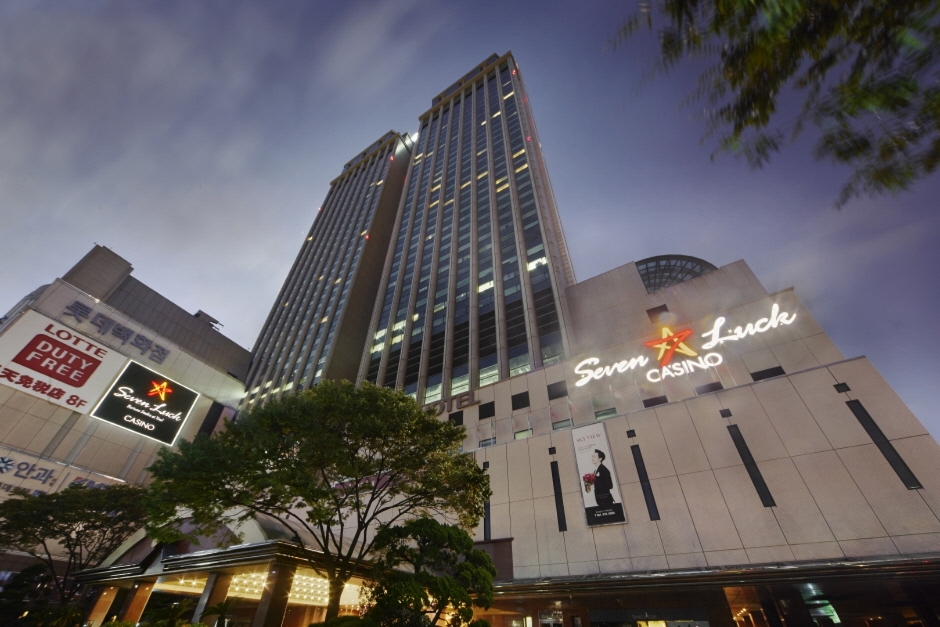
SEVEN LUCK CASINO - Busan Lotte Branch (세븐럭 카지노(부산롯데점))
6.8Km 2023-08-03
772, Gaya-daero, Busanjin-gu, Busan
The Busan Lotte branch of Seven Luck Casino is an authentic European-style casino with an energetic atmosphere. With signature casino games such as Blackjack, Baccarat, Roulette, Tai-sai, slot machines, and video games, there are plenty of challenging games, even for the most experienced players. Visitors can increase the fun of their trip by visiting near attractions such as Haeundae and Gwangalli Beaches.
Galaxy Plastic Surgery (갤럭시성형외과)
6.8Km 2025-10-23
(9th Floor, Noblesse Tower), 1 Seomyeon-ro 68beon-gil, Busanjin-gu, Busan
Our lead plastic surgeon, with 26 years of experience, brings a deep understanding of plastic surgery and extensive clinical expertise to every procedure.
Exceptional teamwork between the surgeon, operating team, and nursing staff ensures outstanding results built on mutual confidence and trust.
We provide a comfortable and secure treatment environment, supported by a systematic approach that covers every stage—from consultation and surgery to post-care.
To ensure patient safety and eliminate any concerns about unauthorized surgeries, we prioritize transparency with CCTV monitoring throughout the facility.
Our hospital offers specialized, intensive care for each treatment by dedicating different floors to the petit procedure and plastic surgery centers, creating a focused and efficient environment.
With four specialized medical staff members in each area, scheduling, consultations, procedures, and surgeries are smooth and tailored to meet each patient's individual needs.
We offer a comprehensive range of treatments, including fillers, Botox, lifting lasers, surgical procedures, and skincare, ensuring a full spectrum of care.
The facility is equipped with the latest mid- to large-sized medical equipment, such as full HD endoscopes and 3D-CT, to enhance the precision and effectiveness of treatments.
For those interested in visualizing their results, we offer virtual plastic surgery simulations (Crisalix), allowing patients to preview potential changes to their face, chest, body, and skin.
 English
 한국어
한국어 日本語
日本語 中文(简体)
 Deutsch
 Français
 Español
 Русский


