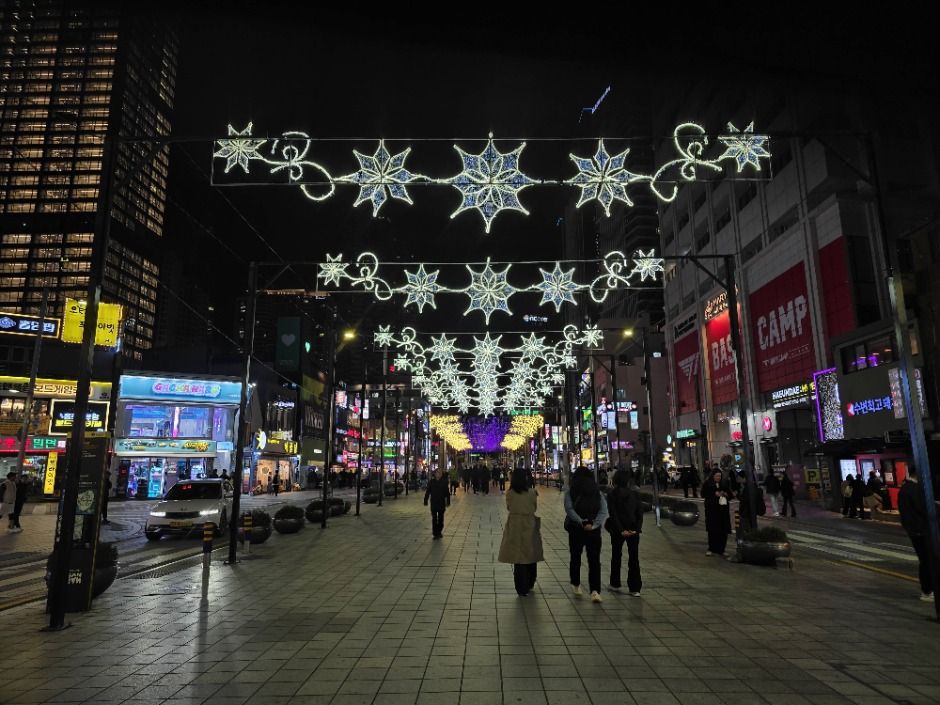
Haeundae Light Festival (해운대 빛축제)
9.0Km 2025-11-25
280 Haeundaehaebyeon-ro, Haeundae-gu, Busan
+82-51-749-4062
The Haeundae Light Festival features light sculptures, media art exhibitions, and various performances, creating healing spaces and urban art spaces in the city center.

Daejeo Eco Park (대저생태공원)
9.1Km 2024-03-05
1246 Gonghang-ro, Gangseo-gu, Busan
Daejeo Eco Park is an ecological park stretching from Gupodaegyo Bridge to the Nakdonggang Estuary Bird Sanctuary. It encompasses various wetlands and waterways, including Sindeokseupji Wetland, along with grasslands, mustard flower fields, and various sports facilities, providing a place for leisure and relaxation. Particularly noteworthy is the Mustard Flower Festival held annually in April at the mustard flower field developed below the Gupodaegyo Bridge.
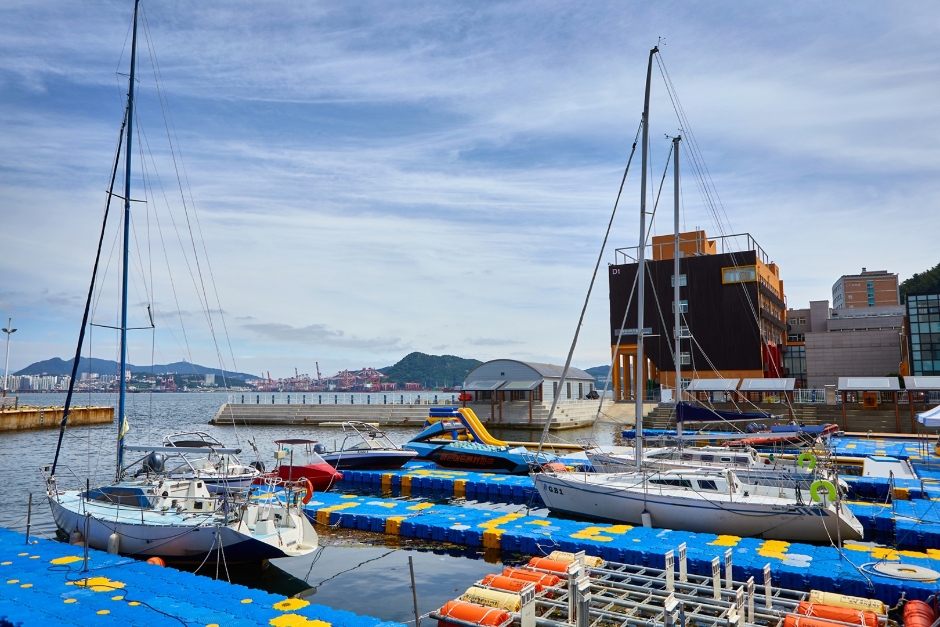
Marine Adventure Park (마린어드벤처파크)
9.1Km 2025-01-06
727 Taejong-ro, Yeongdo-gu, Busan
Marine Adventure Park is a park where visitors can enjoy thrilling marine sports on the blue sea of Busan. The jet boat, which sails the sea with 440 horsepower, is famous for its exhilarating speed and 360-degree turns. Moreover, round boats driven by jet skis and marble boats for four people constantly turn and shake the passengers off balance. Visitors can also enjoy SUP yoga on a stand-up paddle board on the sea. Packages consisting of two or three activities are cheaper than regular prices.
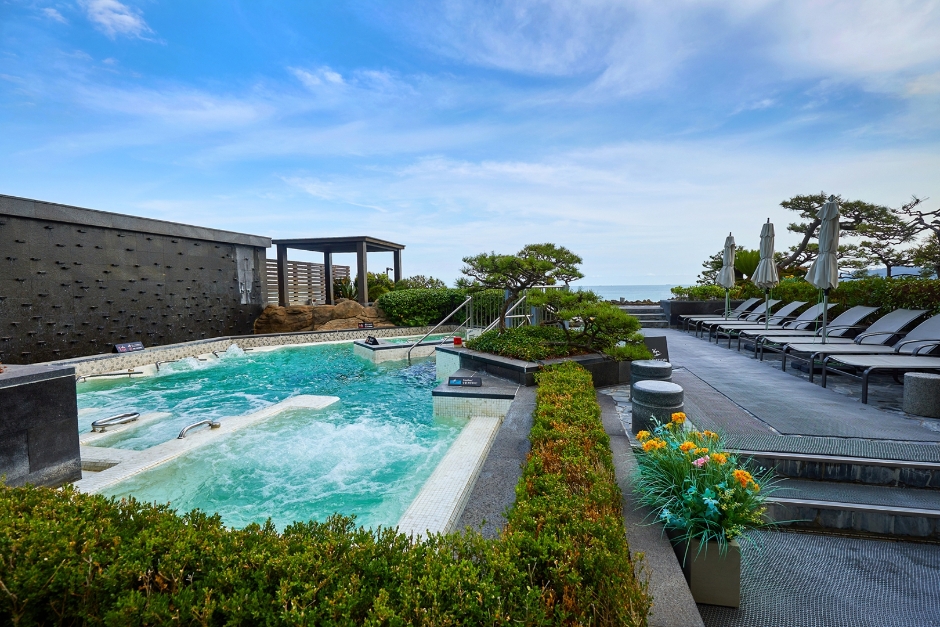
Ocean Spa Cimer (오션스파 씨메르)
9.2Km 2024-01-05
296 Haeundaehaebyeon-ro, Haeundae-gu, Busan
Ocean Spa Cimer is famous for its scenery where the open sky meets the emerald sea, like its name, Cimer, which combines the French words "ciel" meaning sky, and "mer" meaning sea. Cimer’s seawater hot spring, along with the gentle sea breeze and the view over the horizon, offers a relaxing experience that allows one to forget all about their woes. Another secret to this attraction’s popularity is the several unique pools, such as two 40-degree hot pools, a lavender flower theme pool, and an infinity pool, leaving no time to be bored. It also has convenient facilities such as locker rooms, sunbeds, and a snack bar.
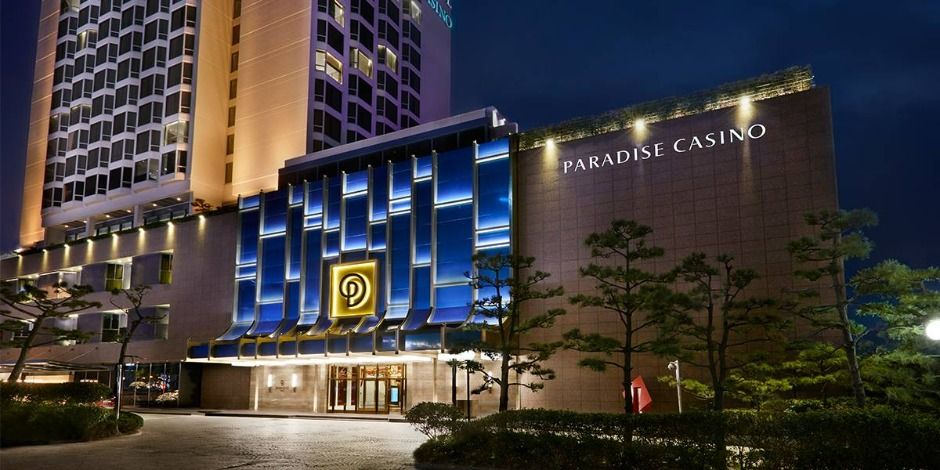
Paradise Casino Busan (파라다이스 카지노 부산)
9.2Km 2025-05-16
296, Haeundaehaebyeon-ro, Haeundae-gu, Busan
Paradise Casino Busan is located right on the coast, offering a range of casino games. Located on the first floor of the main hotel building, the casino offers games including blackjack, baccarat, roulette, slot machines and more.
Kosin University Gospel Hospital (고신대학교복음병원)
9.2Km 2025-10-23
262 Gamcheon-ro, Seo-gu, Busan
Kosin University Gospel Hospital practices the love of Jesus Christ by providing patient-centered care, spreading the gospel, and training medical students.
We are committed to the health and well-being of our patients.
Founded as Gospel Clinic in Yeongdo, Busan, in 1951 during the Korean War, we opened the region's first cancer center in 1978. For over 70 years, we have provided distinguished medical services guided by Christian values.
We lead the region’s healthcare industry, guided by our core values: innovation and self-direction, recovery and future orientation, communication and mutual trust, and love and goodness. As a tertiary hospital at the top of the healthcare delivery system, we treat severe diseases at our cancer center founded in 1978. We also opened the region's first advanced robotic surgery training center, inspired by Dr. Jang Gi-ryeo, to train both Korean and international medical professionals. Additionally, we are committed to innovative treatments by introducing AI-based medical technologies, aligning with the 4th Industrial Revolution.
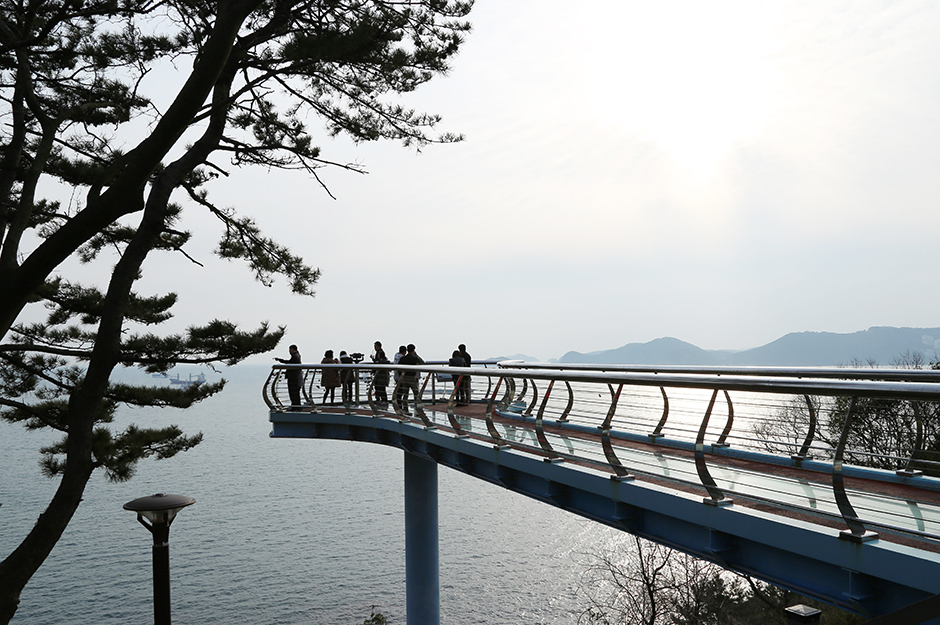
Haneul Observatory (영도 하늘전망대)
9.3Km 2024-04-26
321 Jeoryeong-ro, Yeongdo-gu, Busan
Haneul Observatory is known for its amazing view. On clear days, visitors can see far islands including Geojedo. With a translucent floor skywalk and a place for couples to put keylocks, it's a popular place to go on a date. Visitors can enjoy a panoramic view of the ocean and also go on a stroll by walking down the wooden deck to the Joryeong Coastal Walking Trail. The ocean below the observatory is a popular snokelling area and it is only a 20-minute walk to a pebble beach. Huinnyeoul Culture Village is also connected to the observatory for easy access to one of the more popular attractions of Busan. The observatory is also known for being a beautiful sunset spot.
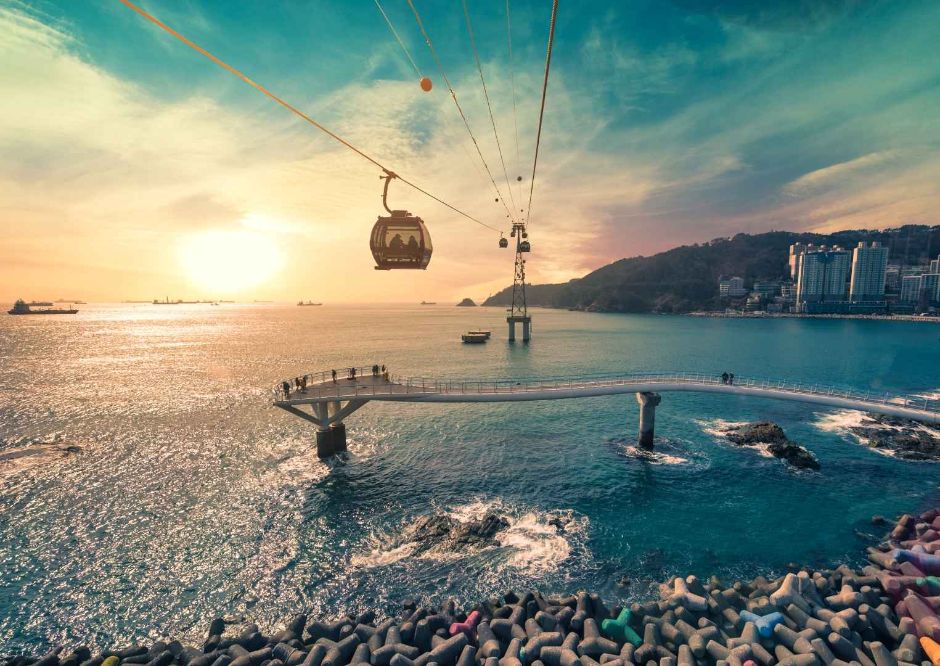
Busan Air Cruise (부산 송도해상케이블카)
9.4Km 2025-10-24
171 Songdohaebyeon-ro, Seo-gu, Busan
Busan Air Cruise was built to revive the reputation of Songdo Beach, the first public beach in Korea opened nearly 30 years ago. Thirty-nine cabins, including crystal cabins with transparent floors, travel over the ocean between Songnim Park on the east and Amnam Park on the west. Visitors can also enjoy the first cable car museum in the nation at Songdo Doppelmayr World, Asia's first midair swing Sky Swing, theme park photo services and more.
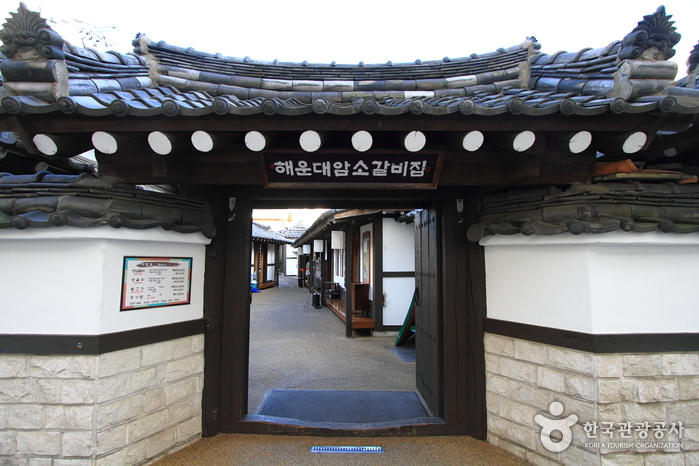
Haeundae Amso Galbijip ( 해운대암소갈비집)
9.4Km 2024-11-29
32-10, Jungdong 2-ro 10beon-gil, Haeundae-gu, Busan
Haeundae Amso Galbijip is a restaurant near Haeundae Beach specializing in hanu gui (grilled Korean beef). Opened in 1964, the restaurant continues the fame of Haeundae galbi with unique sauce and smooth yet rich flavors that accentuate the flavors of hanu (Korean beef). The restaurant's signature menu is the hanu galbi gui (grilled Korean galbi). Don’t miss the gamja guksu (potato noodles) served after the main dish.
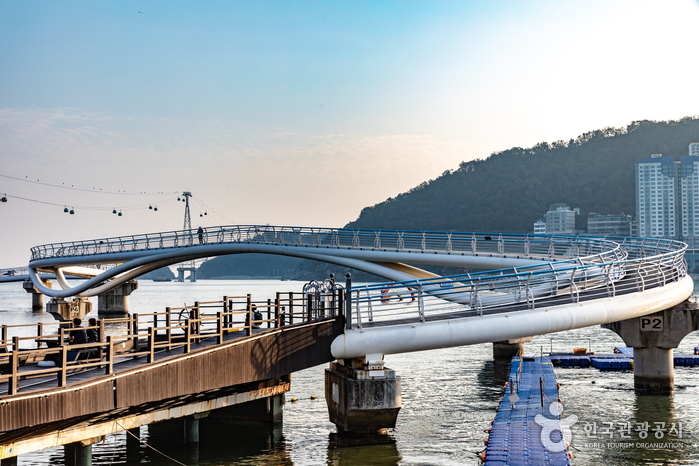
Songdo Cloud Walk (송도 구름산책로(스카이워크))
9.5Km 2025-04-15
129-4 Amnam-dong, Seo-gu, Busan
Songdo Cloud Walk is located on the eastern side of Songdo Beach, connecting to Geobukseom Island. The skywalk features sections with a clear glass floor that creates the feeling of walking on top of the ocean. The amazing panoramic view of the surrounding area has made the skywalk a popular destination. First opened in 2015, the 365-meter-long skywalk continues to attract tourists to Songdo Beach.
 English
 한국어
한국어 日本語
日本語 中文(简体)
 Deutsch
 Français
 Español
 Русский


