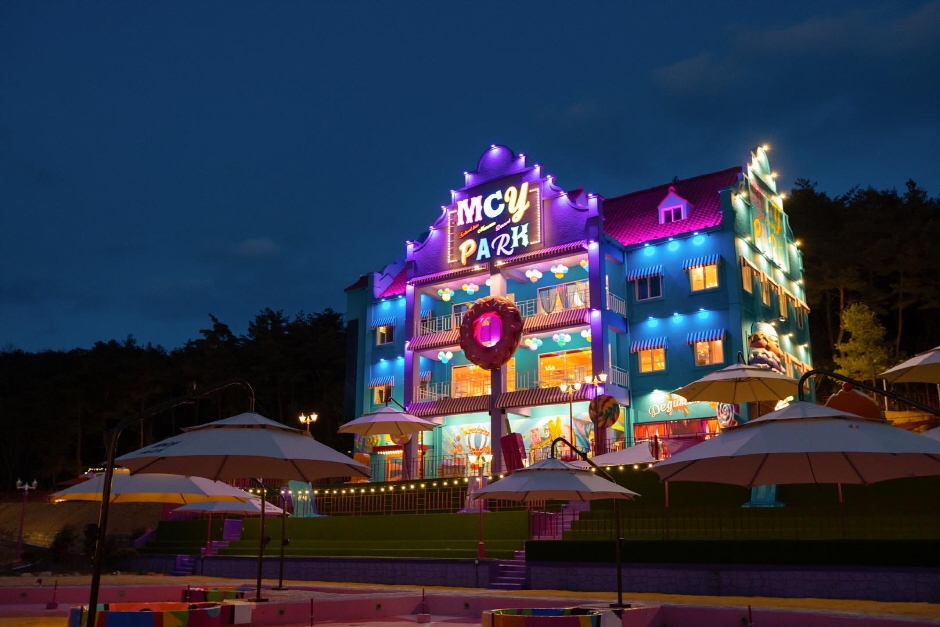
MCY PARK
10.9Km 2025-05-27
196 Cheonbungnam-ro, Gyeongju-si, Gyeongsangbuk-do
Themed around three primary colors Red, Blue, and Yellow, MCY Park features vibrant art installations. It showcases imported school buses from the US transformed into a museum, a dessert museum with ice cream, donuts, and cake pop-up art, a stable transformed into a photo zone, and various other interesting themed zones, offering visitors a fun experience.
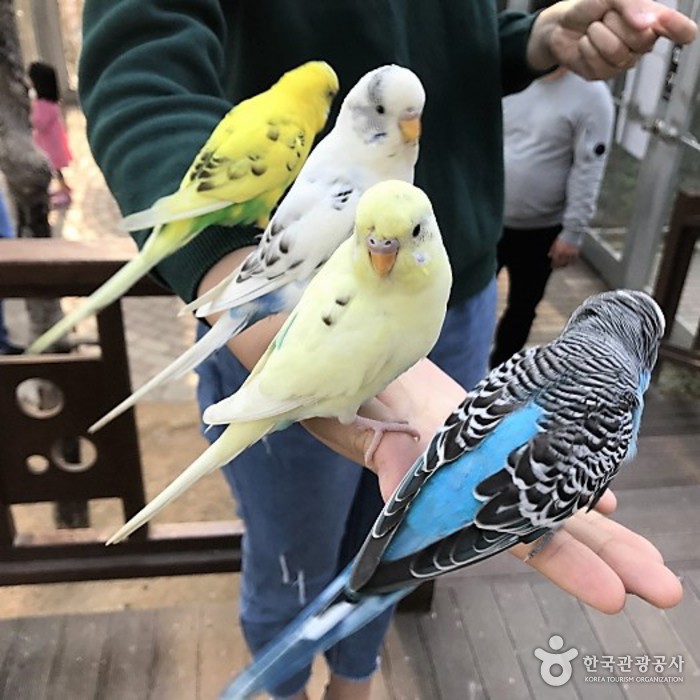
Gyeongju Bird Park (경주 버드파크)
11.2Km 2025-06-12
74-14 Bomun-ro, Gyeongju-si, Gyeongsangbuk-do
Gyeongju Bird Park, located in the Bomun Tourist Complex, is a bird-themed park designed in the shape of a bird's nest. It houses around birds of different species, along with various plants and flowers. Visitors can interact with the birds and enjoy hands-on experiences at the educational center. The first floor features an ecological experience hall with birds, reptiles, fish, and small animals, while the second floor includes exhibition halls and outdoor experiential spaces.

Gyeongju National Museum (국립경주박물관)
11.3Km 2025-05-21
186 Iljeong-ro, Gyeongju-si, Gyeongsangbuk-do
Gyeongju National Museum houses numerous historical and cultural artifacts of the Silla dynasty (57 BC-AD 935). The museum provides various programs including at the Children’s Museum School. The newly renovated Silla Art Gallery and Silla History Gallery lobby by Teoyang Studio are popular among visitors. This multi-complex center provides the history of Silla with various artifacts.
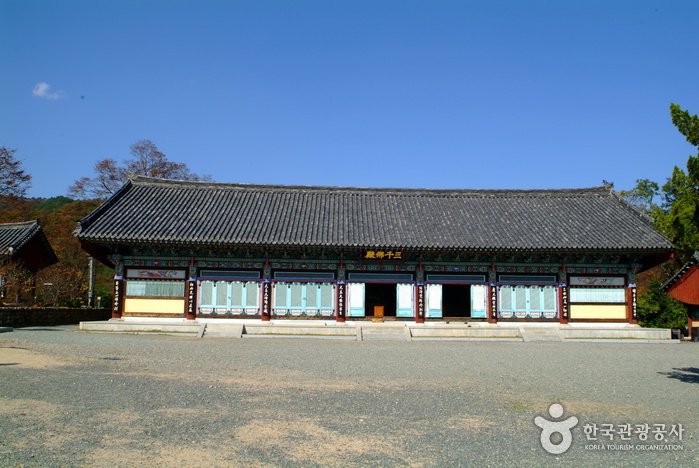
Girimsa Temple (기림사)
11.4Km 2022-12-29
437-17, Girim-ro, Gyeongju-si, Gyeongsangbuk-do
+82-54-744-2292
Girimsa Temple is located in Hamwolsan Mountain in Yangbuk-myeon, Gyeongju. The temple was built in the Silla Era and, with 16 buildings, is the second largest temple after Bulguksa.
Legend has it that the temple was originally built by the Venerable Gwang-yu, a sage from India, in the early part of the Silla Kingdom. The temple was reportedly called Imjeongsa at first, but was later changed to Girimsa after undergoing expansive renovations by Monk Wonhyo. It is still unclear exactly what year the temple was built in.
Girimsa is divided into two main areas. The first is the area around Daejeokgwangjeon Hall where the statue of Birojanabul is enshrined. The second is the area around the majestic 500-year-old bo tree (a kind of large fig tree) that is home to a wooden pagoda, the Seongbo Museum, Samsingak, Mangbujeon, and Gwaneumjeon halls. Daejeokgwangjeon Hall was first built during Queen Seondeok's reign, and was rebuilt six times since its original construction. Its simple but majestic architecture is characterized by baeheullim (aka, entasis columns) and a Dapoyangsik (Dapo-style) single-tiered gabled roof.
Girimsa is famous for Ojongsu, water that is said to have five different tastes. It consists of gamrosu, which is best for making tea; hwajeongsu, which supposedly gives comfort to the drinker; janggunsu, which makes the body stronger; myeongansu, which gives clear vision; and otaksu, which is said to sparkle so brightly that it attracts all the birds of the air. During Japanese colonial rule, the source of janggunsu, literally meaning ‘water of a general,’ was reportedly blocked off by Japanese soldiers, who were afraid the water would give the Korean people the strength to overthrow them. Except for janggunsu, water still continues to flow from each source.
On the way to Girimsa temple is Golgulsa Temple, well known for its 12 grottos. Golgulsa was originally a hermitage of Girimsa. After becoming an independent institution, it became the center of Seonmudo practice in Korea. The temple aims to promote the art of seonmudo on a national and international level.
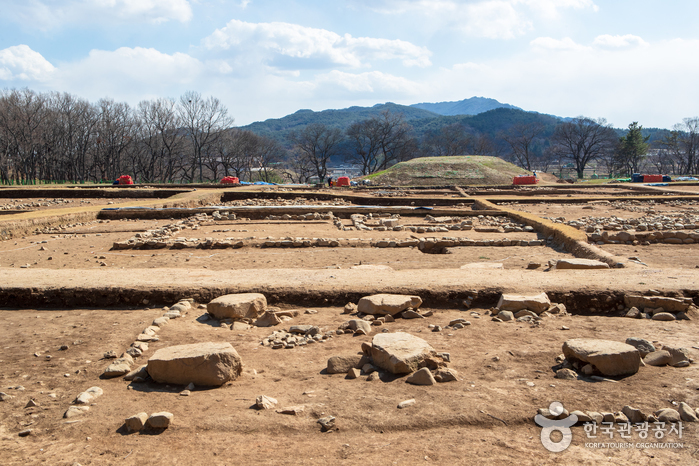
Gyeongju Wolseong Palace Site (Banwolseong Fortress) (경주 월성(반월성))
11.7Km 2023-01-03
Inwang-dong, Gyeongju-si, Gyeongsangbuk-do
+82-10-3226-6390
This was the location of the palace-fortress during the Silla dynasty (57 BC ~ AD 935). The fortress takes after its name, which, literally translates to mean a crescent moon shape on top of a hill. The famous history books of Samgukyusa mention that Silla’s 4th King Seoktalhae (AD 57~80) thought this area was an ideal spot for the fortress and bought the land from a nobleman. The 2nd King Namhae (AD 4~24) impressed by Seoktalhae’s actions, took him in as his son-in-law, later, becoming the 4th king. The area was then under Silla’s rule for 900 years, the last king being the 56th, Gyeongsoon (AD 927~935).
Although the magnificent grandeur of the palace is now just an empty lot, it has been told that this area was filled with imperial buildings during the Silla dynasty. Currently, the region of Wolseong has a freezer made out of rocks called Seokbinggo, an archery range, a horse-riding field, and a traditional playground, which resembles the grounds of the Joseon Period (the dynasty that ruled the Korean peninsula from 1392-1910).
Donggung Palace and Wolji Pond (경주 동궁과 월지)
11.7Km 2025-10-23
102 Wonhwa-ro, Gyeongju-si, Gyeongsangbuk-do
+82-54-750-8655
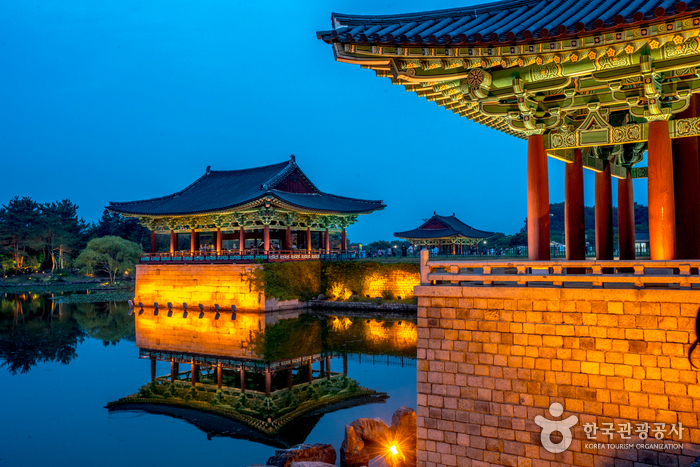
Donggung Palace and Wolji Pond in Gyeongju are secondary palace sites of Silla. The palace, along with other secondary palaces, was used as the eastern palace where the prince lived, and banquets were held during auspicious events or to welcome important guests. It is also where King Gyeongsun of Silla invited King Wang Geon of Goryeo and had a feast to complain about the critical situation in 931 after being invaded by Gyeon Hwon. After unifying the three kingdoms, Silla's King Munmu dug a large pond in the 14th year of his reign (674), creating three islands in the center of the pond along with a 12-peaked mountain to the northeast. Beautiful flowers and trees were planted here, and rare birds and animals were raised. In the Samguksagi (History of the Three Kingdoms) from the Goryeo dynasty, there is only a record of Imhaejeon Hall and no mention of Anapji Pond. After Silla fell and the place fell into ruins during the Goryeo and Joseon dynasties, poets and calligraphers looked at the pond and recited a line of poetry that says, “The once splendid palace is gone, and only geese and ducks fly in.” That's why the place is called Anapji, using the letters 'an' for wild geese and 'ab' for ducks. In the 1980s, pottery fragments with the inscription "Wolji" were excavated, and it was confirmed that this area was originally called "Wolji," which means "a pond that reflects the moon." And the name Anapji was changed to Wolji Pond afterwards.
◎ Travel information to meet Hallyu’s charm - "The Beauty Inside"
Se-gye visits this place to refresh her mind after she argues with Do-jae over the contract. Being one of the most famous tourist sites in Gyeongju, the scenery here is enough to help you forget the argument that you’ve just had, especially at night.
Bunhwangsa Temple (분황사)
11.8Km 2024-02-29
94-11 Bunhwang-ro, Gyeongju-si, Gyeongsangbuk-do
Bunhwangsa Temple, located next to the ruins of Hwangnyongsa Temple in Gyeongju, was established in 634 during the Silla dynasty. Visitors can see cultural assets such as the Stone Brick Pagoda designated as a national treasure, and the Pedestal for the Stele of State Preceptor Hwajaeng registered as a Historic Site. Despite being a significant and ancient temple, much of it was lost during wars such as the Mongolia invasions and the Japanese invasions of Korea, leaving only a few buildings and temple grounds like Bogwangjeon Hall. Nearby, there is the Hwangnyongsa Museum.
Hanwha Resort - Gyeongju (한화리조트 경주)
12.0Km 2025-03-16
182-27, Bomun-ro, Gyeongju-si, Gyeongsangbuk-do
+82-54-777-8400
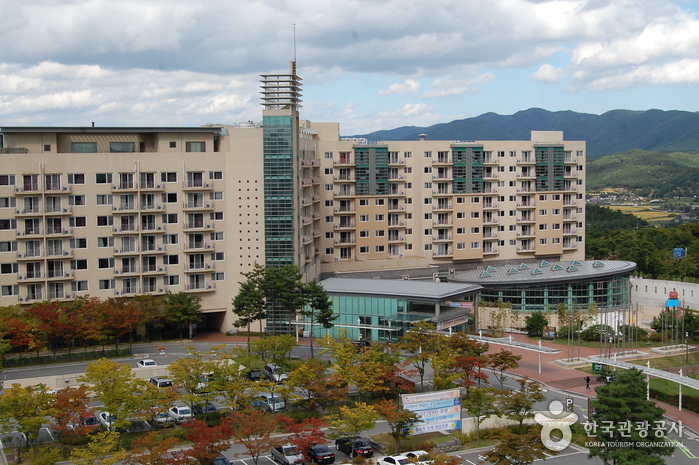
Hanwha Resort Hotels & Resorts is a leading hospitality & leisure company with the highest number of condominiums and golf courses across Korea. Hanwha Resort in Gyeongju Bomun Complex (a World Heritage site) has a wide range of subsidiary facilities including banquet halls, seminar rooms, a hot spring sauna, bicycle rentals, a bowling alley, an outdoor swimming pool, supermarket, singing room and more. There are a total of four designated guestrooms for people with disabilities, with rooms equipped with beds in the annex building. All rooms are equipped with up-to-date amenities while having a simple design that is always ready to welcome the visitors.
Gyeongjuhanok 1st (경주한옥1번가)
12.0Km 2024-12-19
20 , Cheonwon 1-gil, Gyeongju-si, Gyeongsangbuk-do
+82-10-9505-5367
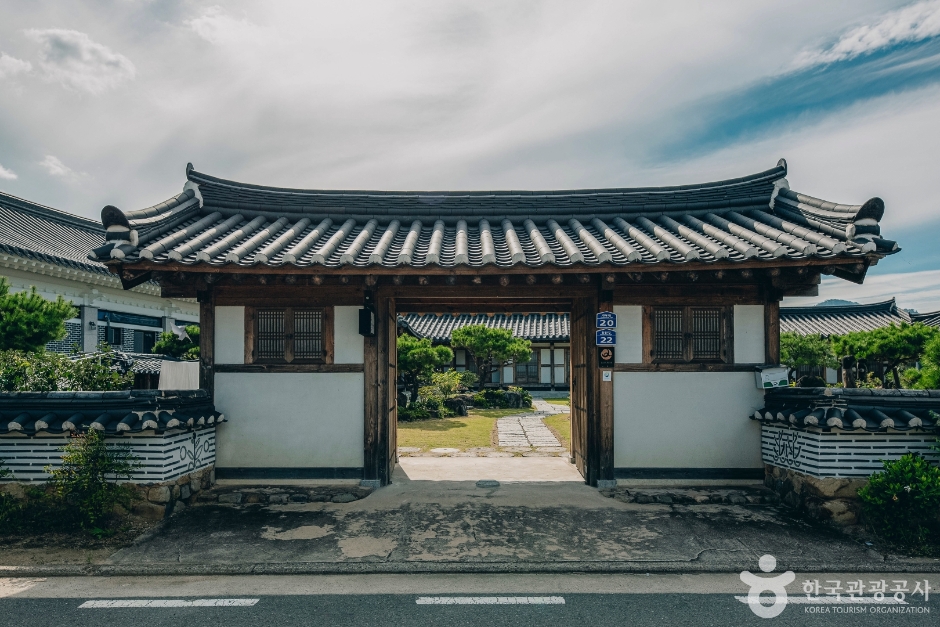
Standing at the entrance of Cheonwon Village in Gyeongju, Gyeongsangbuk-do, Gyeongju Hanok First is a hanok stay combining the beauty of tradition with modern convenience. All rooms are Korean-style with comfortable bedding on the floor, and all have a toilet and bathroom. One guestroom has its own kitchen, while the others have basic cooking facilities in a shared kitchen. The spacious yard is decorated with figurines in traditional clothes. Nearby tourist attractions include Anapji Pond, Cheomseongdae Observatory, and Gyeongju Museum.
The Oriental Medicine Resort: Chorakdang (한방테마파크 초락당)
12.0Km 2025-01-07
44-34, Gyemyeong-ro, Ulju-gun, Ulsan
+82-52-264-8001
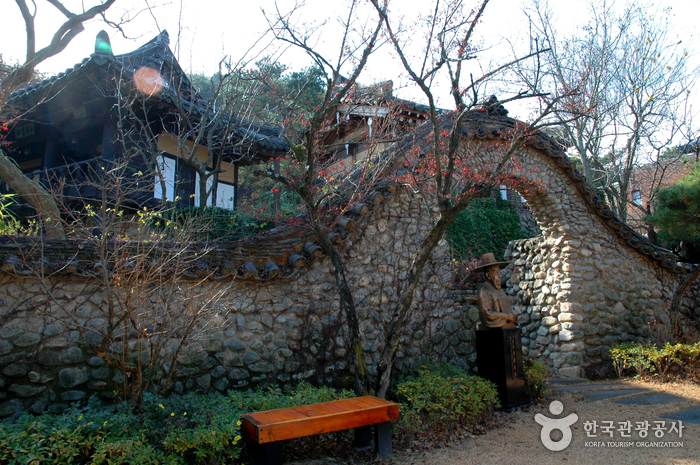
Opened in 2001, Chorakdang is a health resort that specializes in Oriental medicine treatments. The resort offers the perfect setting for rest, relaxation, and medical treatments. The traditional hanok buildings and natural surroundings intensify the health benefits of the resort.
 English
 한국어
한국어 日本語
日本語 中文(简体)
 Deutsch
 Français
 Español
 Русский


