Seoul Grand Park (서울대공원)

  • Seoul Grand Park (서울대공원)
  • Seoul Grand Park (서울대공원)
  • Seoul Grand Park (서울대공원)
  • Seoul Grand Park (서울대공원)
  • Seoul Grand Park (서울대공원)
  • Seoul Grand Park (서울대공원)
  • Seoul Grand Park (서울대공원)
  • Seoul Grand Park (서울대공원)
  • Seoul Grand Park (서울대공원)
  • Seoul Grand Park (서울대공원)
  • Seoul Grand Park (서울대공원)
  • Seoul Grand Park (서울대공원)
  • Seoul Grand Park (서울대공원)

Explanation

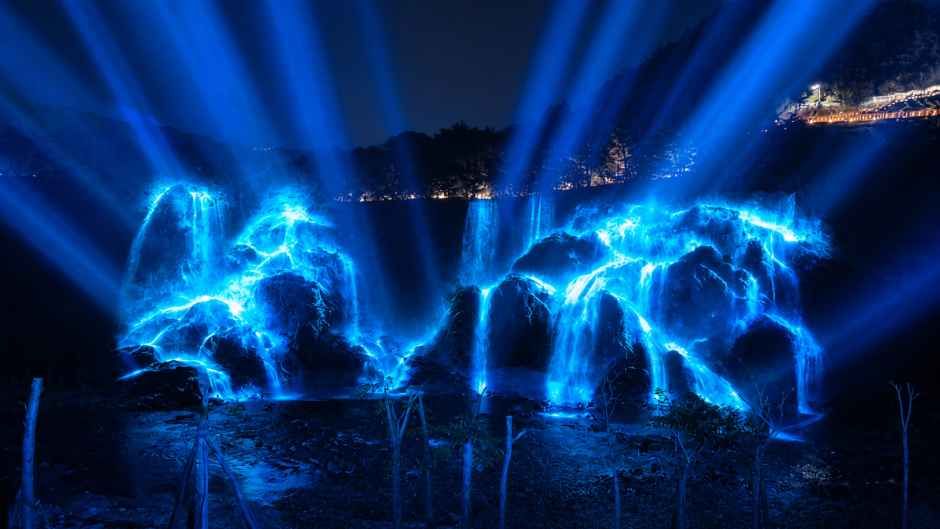
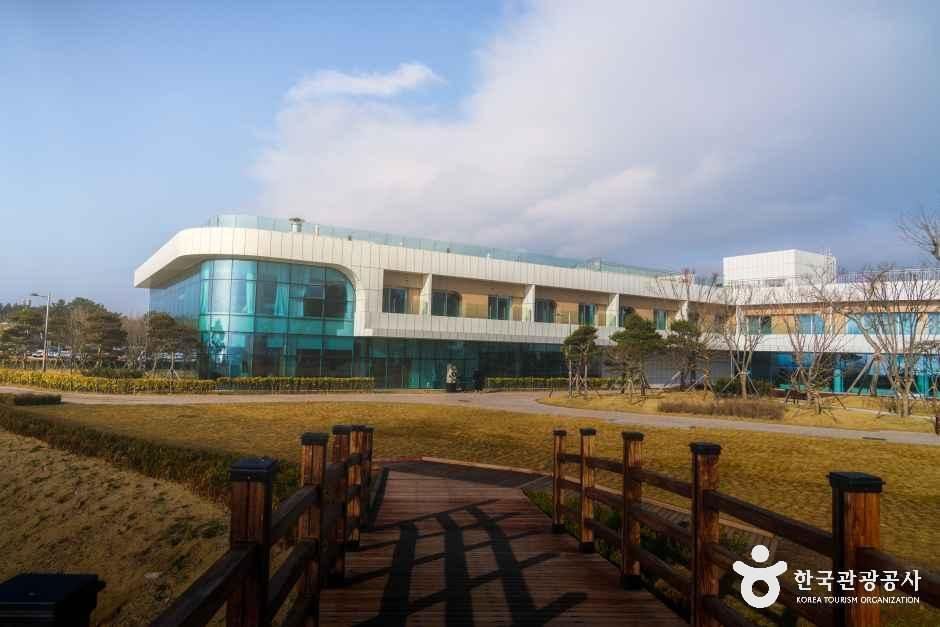
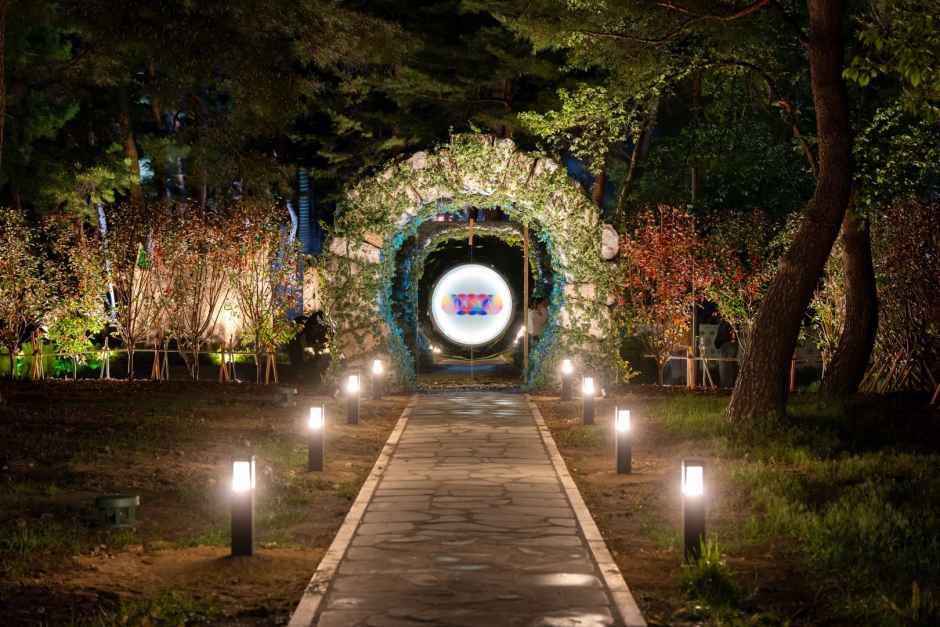
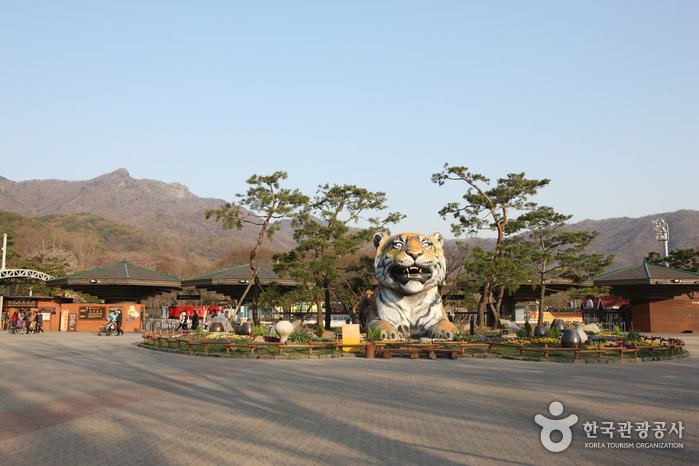
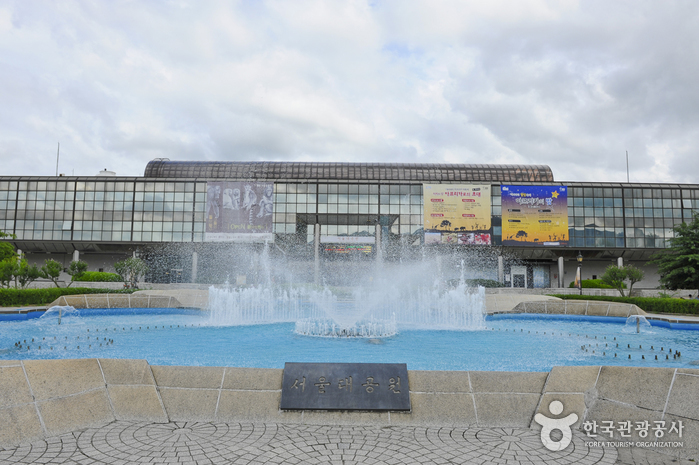
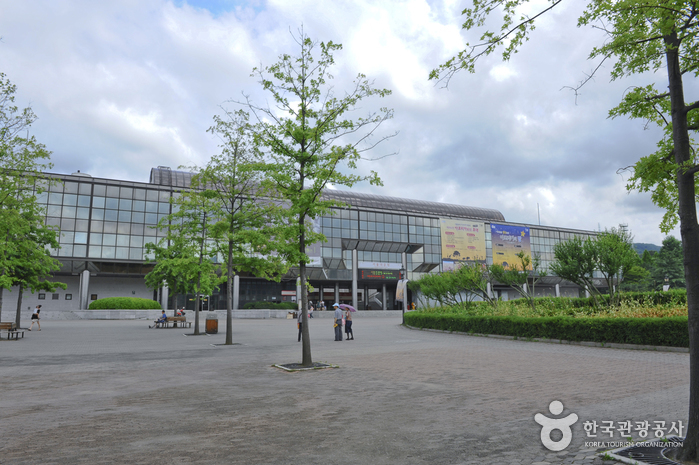
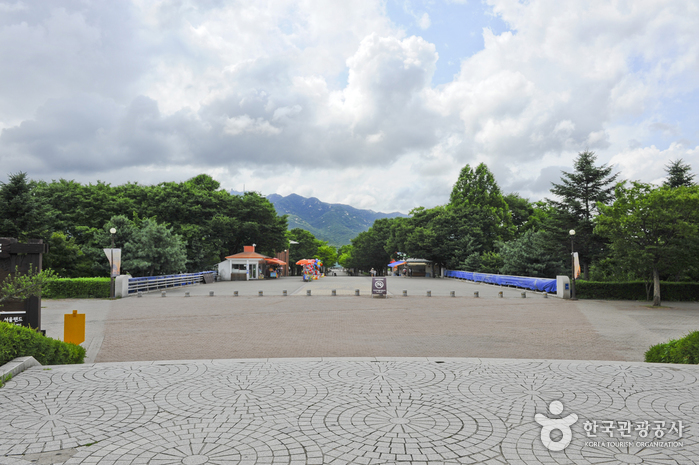
Seoul Grand Park is a family-friendly amusement park consisting of various themed facilities that promote the growth and preservation of diverse animals and plants.

[Seoul Zoo]
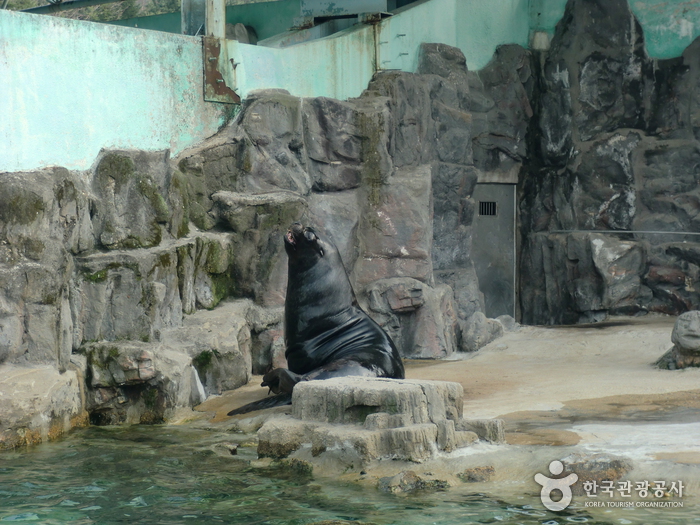
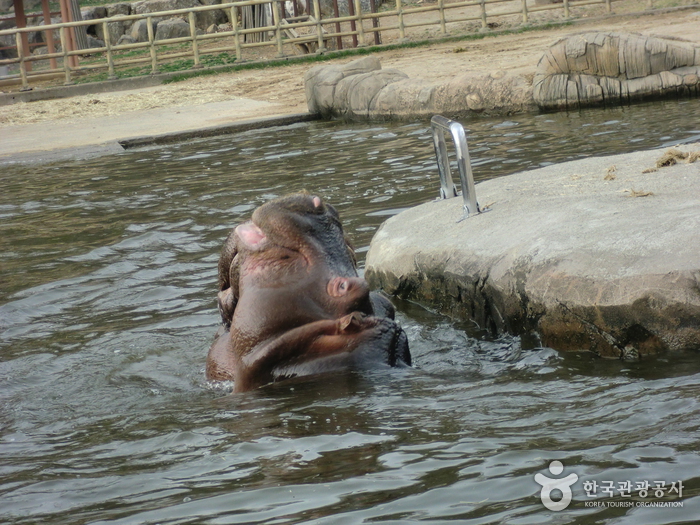
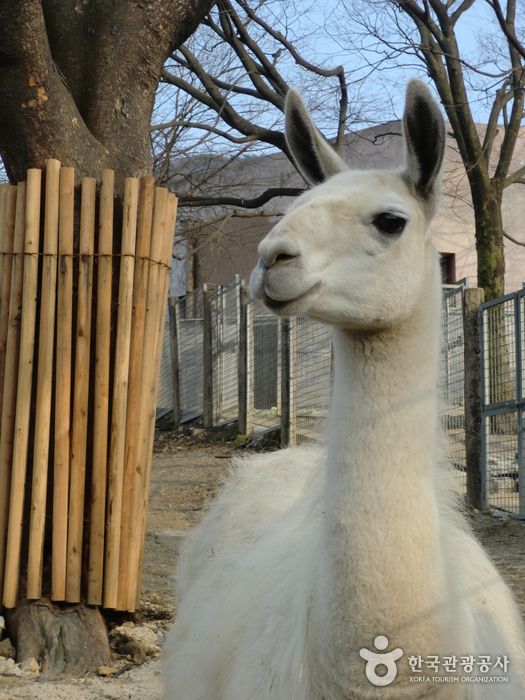
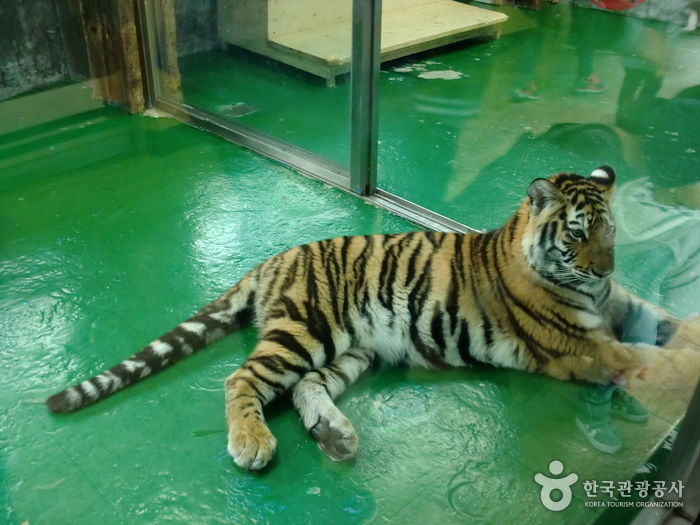
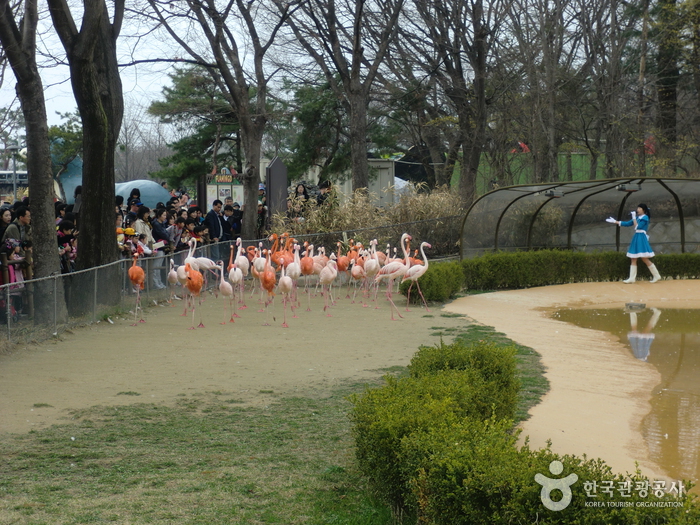
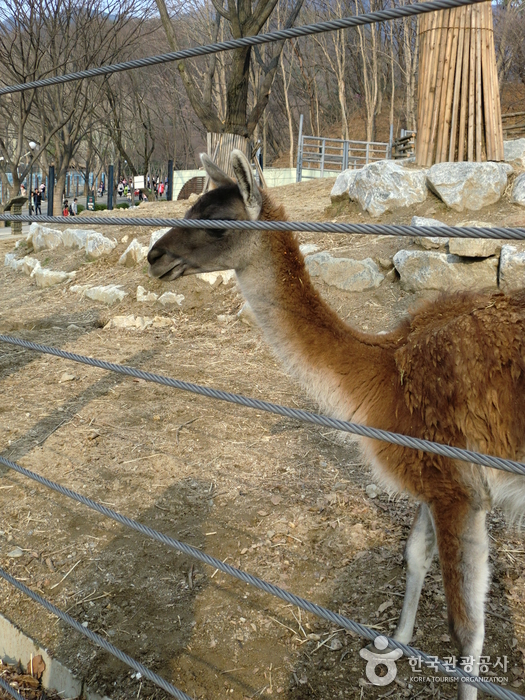
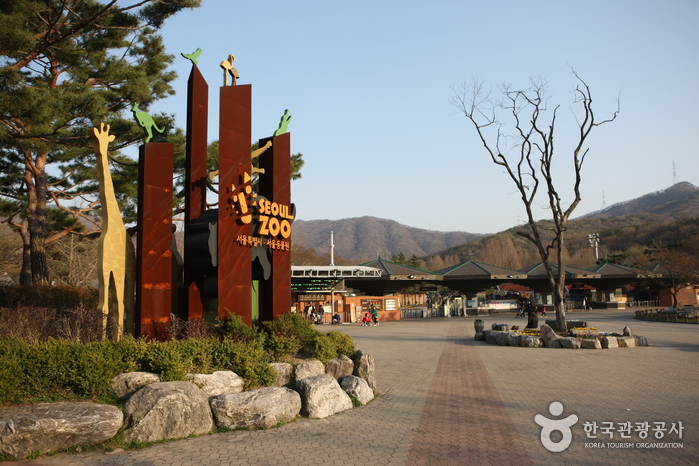
Seoul Zoo aims to provide an ideal environment for animals to grow and live as well as exhibit, preserve, and research rare animals and educate the public. As a result of the zoo's hard work and efforts, it is the only zoo in Korea to be certified as a member of both ISIS and IUDZG-WZO.

[Botanical Garden]
Seoul Grand Park's Botanical Garden was opened in 1985 amidst the lush forest situated at the foot of Cheonggyesan Mountain. The garden consists of a greenhouse, exhibition facilities, and themed gardens that boast a collection of over 41,000 plants from 1,262 different species. The greenhouse preserves and exhibits tropical and subtropical plants that are not found in Korea. Moreover, the Botanical Garden offers various activities and experience programs related to plants and forests.

[Theme Garden]
The Theme Garden is one of the most representative facilities of Seoul Grand Park. The Theme Garden consists of a Rose Garden and Children's Zoo. Seasonal plants and flowers as well as diverse themed garden programs are offered.

[Healing Place]
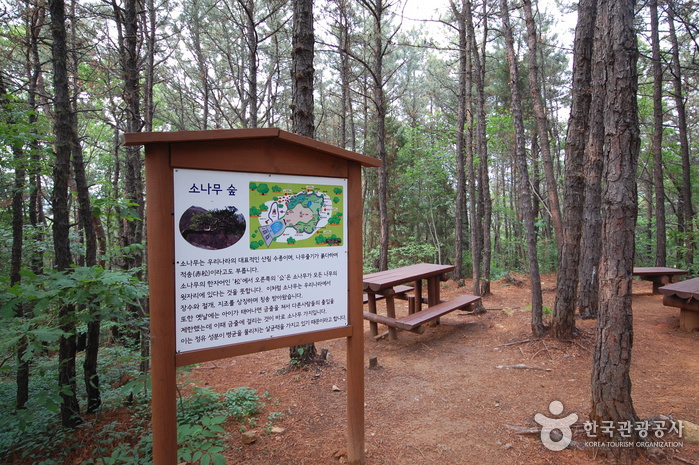
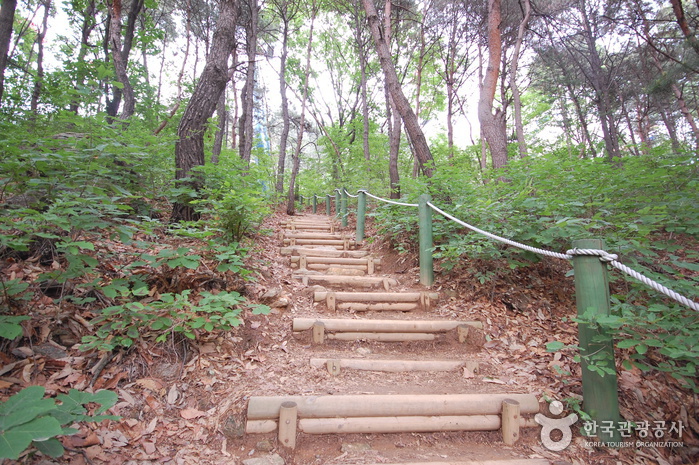
The Healing Place is a forest formed at the foothills of Cheonggyesan Mountain that surrounds the border of Seoul Grand Park. Main facilities consist of Healing Forest Walkway; Water, Wind & Sunshine Healing Zone; Barefoot Road; Aroma Garden; and Forest Plaza.

[Healing Forest Walkway]
Healing Forest Walkway is a walking path lined by diverse trees that form a lush forest serving as a habitat for small animals like squirrels, rabbits, raccoons, and more. The walking path is approximately 8 kilometers long and divided into four sections. The shortest course takes approximately 30 minutes to complete, while the full course requires 3 hours.

[Campsite]
The campsite within the Seoul Grand Park is the perfect place to camp out, hold picnics and enjoy recreational activities with friends and families. The main facilities consist of a campsite, volleyball court, basketball court, snack bar, and shower facilities. The campsite is open from March to November, except in the case of harsh weather conditions.


Inquiry

Seoul Grand Park +82-2-500-7335


Homepage

grandpark.seoul.go.kr


Information Use

Contact and Information : • 1330 Travel Hotline: +82-2-1330
(Korean, English, Japanese, Chinese)
• For more info: +82-2-500-7335

Parking facilities : Available (6,750 parking spaces)
* Inquiries: +82-2-502-7632

Day off : N/A (Open all year round)

Hours : [Seoul Zoo & Theme Garden]
March-April 09:00-18:00 / May-August 09:00-19:00 / November-February 09:00-17:00
* Last admission 1 hr before closing

[Campsite]
Day-use 09:00-19:00
Overnight site: 12:00-10:00 (next day)

[Sky Lift: Line 1]
November-February 10:00-17:30 / March-October 09:30-18:30
[Sky Lift: Line 2]
November-February 10:00-17:00 / March-October 09:30-17:30
* Inquiries: +82-2-504-5657


More information

Restrooms
Available

Admission Fees
[Seoul Zoo & Botanical Garden]
Individuals: Adults 5,000 won / Teenagers 3,000 won / Children 2,000 won

[Theme Garden]
Individuals: Adults 2,000 won / Teenagers 1,500 won / Children 1,000 won

[Campsite] Adults 2,000 won / Teenagers 1,500 won / Children & Senior citizens 1,000 won

[Groups]
Zoo: Adults 3,500 won / Teenagers 2,100 won / Children 1,400 won
Theme Garden: Adults 1,400 won / Teenagers 1,100 won / Children 700 won

[Lift] Adults 7,000 won / Teenagers 4,500 won / Children 4,000 won
* Inquiries: +82-2-504-5657

[Elephant Train] Adults 1,000 won / Teenagers 1,000 won / Children 1,000 won
* Inquiries: +82-2-3418-0998

* Adults (ages 19-64) / Teenagers (ages 13-18) / Children (ages 6-12) / Senior citizens (ages 65 & older)

Location

102, Daegongwongwangjang-ro, Gwacheon-si, Gyeonggi-do
Maljae Farm (말재 농원)

Maljae Farm (말재 농원)

2026-01-30

209 Matigogae-ro, Banpo-myeon, Gongju-si, Chungcheongnam-do

Maljae Farm is a chestnut experience farm located in Gongju, a region historically known for chestnut cultivation. Open during the harvest season from late August to mid-October, the farm offers chestnut gathering, roasting activities, and outdoor camping. Its terraced layout allows for comfortable participation by visitors of all ages. Nearby attractions include Gyeryongsan National Park, Seokjangni Museum, and the Tomb of King Muryeong.

Magoksa Natural Pine Forest Trail (마곡사 천연송림욕장)

Magoksa Natural Pine Forest Trail (마곡사 천연송림욕장)

2026-01-29

Magoksa-ro, Sagok-myeon, Gongju-si, Chungcheongnam-do

Located on Taehwasan Mountain at the head temple of the 6th District of the Jogye Order of Korean Buddhism, this trail is a dedicated "forest bathing" destination within the historic, millennium-old Magoksa Temple grounds. As the mountain is primarily comprised of Korean Red Pines, the trail serves as a wellness course where visitors can fully enjoy the therapeutic benefits of a red pine forest, which is widely considered the finest environment for forest bathing. The hiking route spans 5 kilometers along the ridges of Taehwasan Mountain, weaving through stands of 5- to 10-year-old red pines that surround the temple. The total trekking time is approximately 2 hours and 30 minutes. Starting from the entrance of Eunjeogam Hermitage in front of the main Daeungjeon Hall, the trail loops around the temple grounds, passing through Hwalinbong Peak (423 m) and Nabalbong Peak (417 m). With its gentle slopes, the course is well-suited for all ages, including children and the elderly.

Hansan Marina Yacht (한산마리나요트)

Hansan Marina Yacht (한산마리나요트)

2026-01-29

820 Samchingihaean-gil, Sanyang-eup, Tongyeong-si, Gyeongsangnam-do

Operated by Tongyeong Hansan Marina Resort, the Hansan Marina Yacht Tour offers a relaxing way to experience the scenic sea of Tongyeong aboard a yacht. A range of yachts is available, including Lagoon, Sargo, Azimut, and Ferretti. Among them, the Lagoon yacht is known for its wide and stable hull structure, providing smooth and comfortable sailing. The Lagoon yacht tour operates twice daily, with each cruise lasting approximately 1 hour and 30 minutes. Programs include a morning yacht tour around Hansando Island and an evening Sunset Tour. The Hansando Yacht Tour allows passengers to enjoy the refreshing sea breeze while cruising along the waters surrounding the island. The Sunset Tour highlights the changing colors of the sky over the Tongyeong sea, followed by a fireworks display. During the peak season, additional onboard activities such as giant water slides and snorkeling experiences are also offered.

Suamgol Mural Village (수암골 벽화마을)

Suamgol Mural Village (수암골 벽화마을)

2026-01-27

58 Suam-ro, Sangdang-gu, Cheongju-si, Chungcheongbuk-do

Formed as a hillside village where refugees settled after the Korean War, it has since transformed into a vibrant village filled with charming, colorful murals. The village has also served as a filming location for various K-dramas, attracting many visitors. Located at the foot of Uamsan Mountain, it offers panoramic views of downtown Cheongju, with especially beautiful scenery at sunset. Restaurants and cafes with great views have also been established throughout the area.

Seomun Pungmul Night Market & Seomun Market Samgyeopsal (Pork Belly) Street (서문풍물야시장&서문시장삼겹살거리)

Seomun Pungmul Night Market & Seomun Market Samgyeopsal (Pork Belly) Street (서문풍물야시장&서문시장삼겹살거리)

2026-01-27

18 Musimdong-ro 392beon-gil, Sangdang-gu, Cheongju-si, Cheongbuk-do (Seomun-dong)

Seomun Market, located west of the Seomun-dong intersection, is home to Samgyeopsal (Pork Belly) Street, which opened in 2012. Here, visitors can enjoy Cheongju-style samgyeopsal (grilled pork belly), a local specialty known for its distinctive preparation method that has been passed down through generations.

Yudal Recreation Area (유달유원지)

Yudal Recreation Area (유달유원지)

2026-01-27

59 Haeyangdaehak-ro, Mokpo-si, Jeollanam-do

Yudal Recreation Area, located beneath Yudalsan Mountain, has been developed into a tourist destination and a relaxation space for Mokpo citizens through the renovation of the area around the former Daebandong Beach. Although the beach is currently closed and swimming is not allowed, visitors can enjoy views of Mokpo Bridge, one of the city’s landmarks, as well as the distinctive dragon head of Gohado Island. The maritime cable car running between Yudalsan Mountain and Gohado Island offers stunning vistas of the surrounding sea. In front of the recreation area, yachts gently floating on the water create a unique coastal scene, complemented by well-equipped facilities such as cafes and restaurants. Additionally, a well-maintained seaside path allows visitors to enjoy a pleasant walk along the shore without the discomfort of sand.

Seogwi Dawon (서귀다원)

Seogwi Dawon (서귀다원)

2026-01-27

717 516-ro, Seogwipo-si, Jeju-do

Seogwi Dawon was originally operated as a tangerine farm but has been transformed into a tea plantation since 2005. This quiet tea garden cultivates Jeju green tea at an altitude of 250 meters on Hallasan Mountain. Compared to other tea gardens, it attracts fewer visitors, making it ideal for a leisurely visit. Tree-lined paths, lush camellia trees, basalt sculptures, and expansive tea fields blend harmoniously, creating a serene landscape where Hallasan Mountain and the green tea fields come together to create a breathtaking panorama.

Seongeup Green Tea Cave (성읍녹차동굴)

Seongeup Green Tea Cave (성읍녹차동굴)

2026-01-27

4772 Jungsangandong-ro, Pyoseon-myeon, Seogwipo-si, Jeju-do

Seongeup Green Tea Cave is a well-known natural lava cave photo spot in Jeju, known for its subtle and mysterious atmosphere. Photos taken from inside the cave looking outward capture beautifully nuanced colors. Located within Seongeup Green Tea Village, the cave allows visitors to enjoy sweeping green tea fields and the cave scenery in one visit. The village also features a cafe where visitors can purchase green tea souvenirs and relax with a foot bath.

Jemincheon Stream (제민천)

2026-01-30

201 Muryeong-ro, Gongju-si, Chungcheongnam-do

Jemincheon Stream is a living ecological stream that flows through the heart of Gongju, beginning in Geumhak-dong and joining the Geumgang River at Geumseong-dong. Restored through an ecological stream development project, it now features walking paths, natural-style paving, waterfront green spaces, and rest areas, creating a pleasant place for both residents and visitors. As an urban stream, it also serves as a cultural space where history, stories, nature, and people come together, offering a welcoming waterside environment for everyday relaxation.

Yokjido Island (욕지도)

2026-01-29

Donghang-ri, Yokji-myeon, Tongyeong-si, Gyeongsangnam-do

Yokjido Island is a place where one can come and relax comfortably throughout the year. It floats in the southern sea, and the main island of Yokjido, along with the smaller islands of Dumido, Nodaedo, and Yeonhwado, are lined up in a straight line on the route between Busan and Jeju. Yokji sweet potatoes are a local specialty, and the circular road is known as a training course for mountain biking and island marathons on weekends and during winter. Hiking on Yokjido Island offers stunning coastal views with wide-open seas and crashing waves. The coastal road from the pier to Yapo is the most popular route for enjoying the scenery of fishing villages. The real climb begins at the point where the paved road ends. Notable attractions on Yokjido Island include Samyeodo Island, Pelicanbawi Rock, New Eden Hill, and the New Millennium Memorial Park.