Korean Traditional Culture Center (한국전통문화체험관)

  • Korean Traditional Culture Center (한국전통문화체험관)
  • Korean Traditional Culture Center (한국전통문화체험관)
  • Korean Traditional Culture Center (한국전통문화체험관)
  • Korean Traditional Culture Center (한국전통문화체험관)
  • Korean Traditional Culture Center (한국전통문화체험관)
  • Korean Traditional Culture Center (한국전통문화체험관)

Explanation

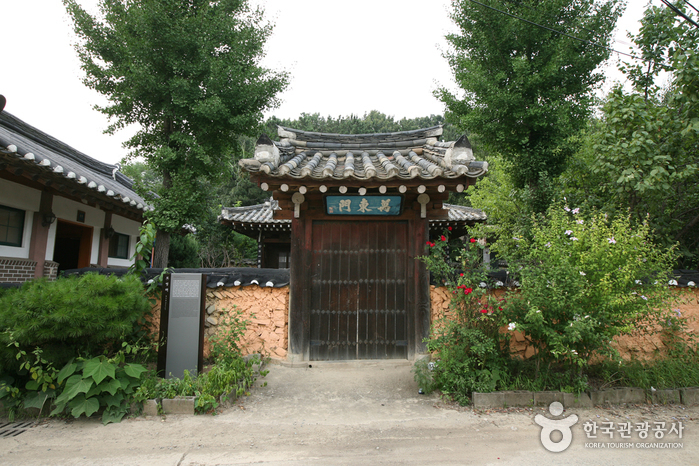
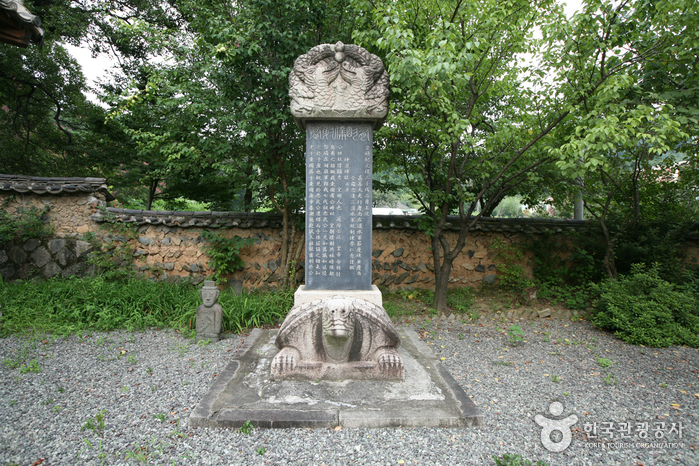
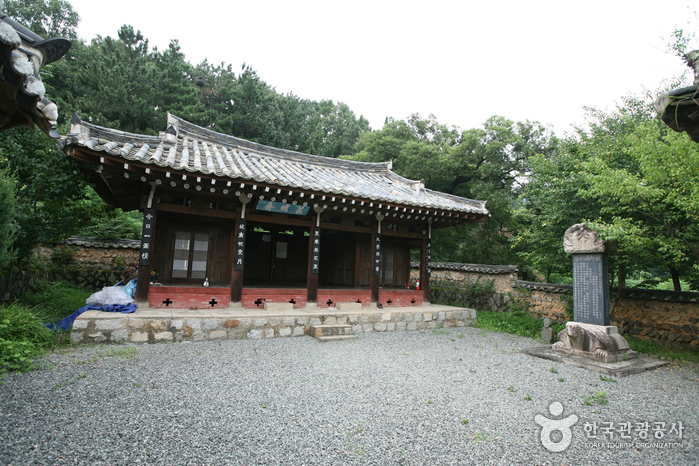
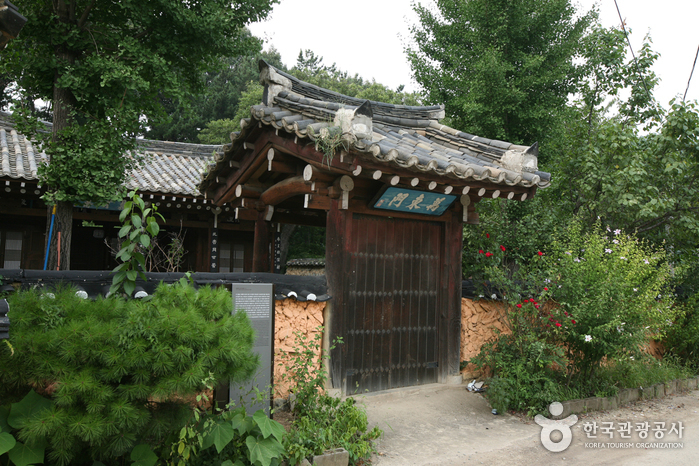
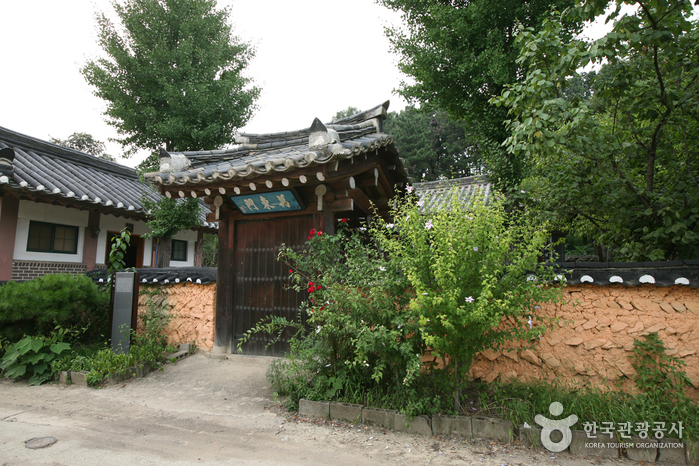
Momyeongjae is an ancestral shrine built by the Dureung Doo clan to honor Doo Sa-chung, who had joined the Ming Dynasty's reinforcement troops during the Imjinwaeran (Japanese invasion of Korea, 1592) and later became naturalized in Joseon Dynasty. The name 'Momyeongjae' means 'longing for the Ming Dynasty,' expressing Doo Sa-chung's affection for his home country.
Doo Sa-chung, who was from Duling, China, went to Joseon under the command of General Li Rusong from the Ming Dynasty. Doo Sa-chung took the position titled Suryuk Jihoek Jusa and was responsible for selecting locations to establish a stronghold in consideration of the terrain. As a senior adviser to Li Rusong, he closely discussed strategies and tactics with the Joseon army as well. 
When the war was over, Doo Sa-chung returned to China but went to Joseon again during the Jeongyujaeran (Japanese invasion of Korea, 1597). He brought his two sons -- Doo San and Doo Il-geon -- along with his brother-in-law, Admiral Chen Lin. When the war was over, Doo Sa-chung and his two sons naturalized in Joseon. The government of Joseon granted him land, which is the current Gyeongsang Gamyeong Park area.
When the Gyeongsang Gamyeong (Gyeongsang provincial office) was relocated to this area, Doo Sa-chung offered his land to the government and moved to Gyesan-dong. 
Longing for his wife and brothers he had left in China, he moved again to a village near Daedeoksan Mountain (then Choejeongsan Mountain) and named the area Daemyeong-dong (meaning the Great Ming). He built a platform and on the first day of every month, he would bow in the direction of the Forbidden City in China, where the Emperor of the Ming Dynasty resided.
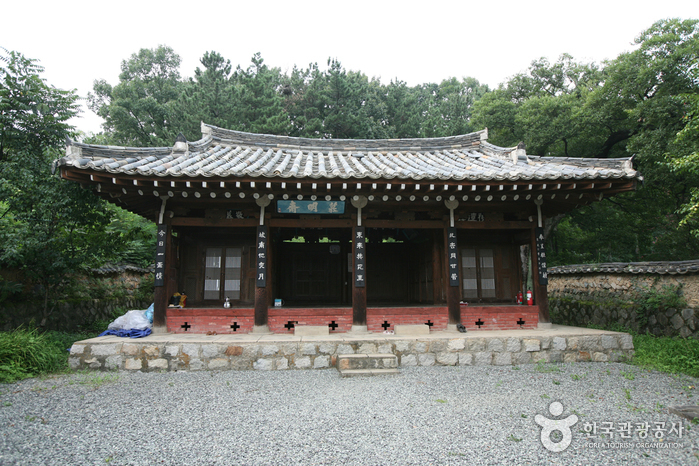
Momyeongjae is built on a rectangular plot and faces south. It features a hip-and-gable roof with double-layer eaves and has four rooms in the front and two rooms on the side. The daecheongmaru (wooden floor hall) has two ondol (floor heated) rooms on each of its side, with a half-sized bay at the front. Momyeongjae exemplifies  the early 20th-century ancestral shrine style commonly found in the Daegu area. 
The building was originally constructed in 1912 when Doo Sa-chung’s descendants moved wooden materials from the dismantled Gyeongsangaeksa (local government building) and used them to build Momyeongjae in front of Doo Sa-chung's tomb. The shrine was later renovated in 1966 as it was in poor condition. 
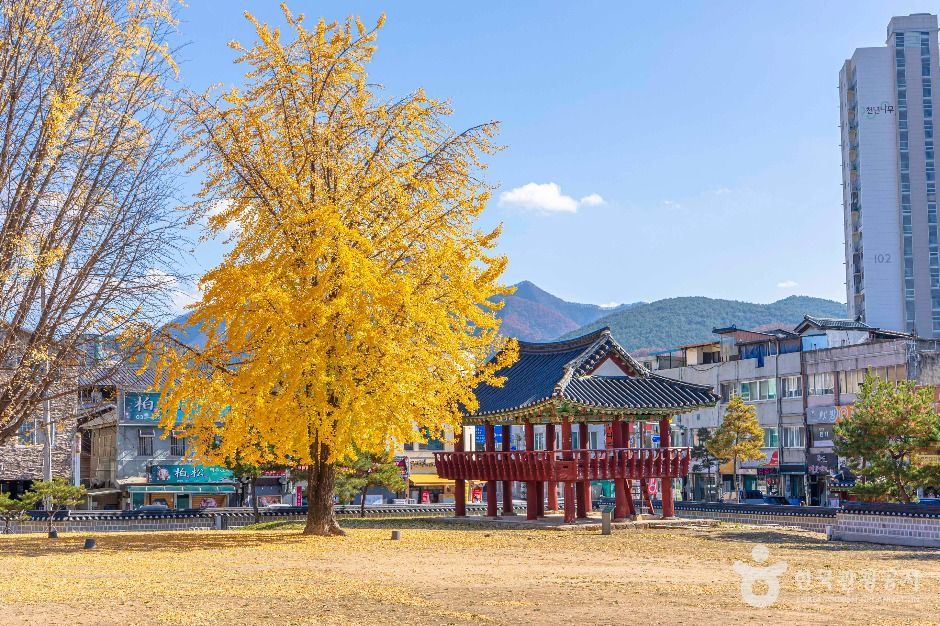
Momyeongjae is one of the first destinations visited by Chinese tourists in Daegu. It was recently renovated as part of a redevelopment project. The Korean Traditional Culture Center opened nearby, where visitors can experience tea ceremonies, hanbok (traditional Korean clothing), archery, and cooking dishes based on Donguibogam, a traditional Korean medical encyclopedia. Joining a program at the center will be a valuable experience.


Inquiry

+82-53-666-4930


Homepage

https://blog.naver.com/mktcc


Information Use

Years experience : For all ages

Contact and Information : +82-53-666-4930

Parking facilities : Available (use public parking lot)
*Free

Hours : Visit the website as business hours vary by program.


Location

13-5 Dalgubeol-daero 527-gil, Suseong-gu, Daegu
Suamgol Mural Village (수암골 벽화마을)

Suamgol Mural Village (수암골 벽화마을)

2026-01-27

58 Suam-ro, Sangdang-gu, Cheongju-si, Chungcheongbuk-do

Formed as a hillside village where refugees settled after the Korean War, it has since transformed into a vibrant village filled with charming, colorful murals. The village has also served as a filming location for various K-dramas, attracting many visitors. Located at the foot of Uamsan Mountain, it offers panoramic views of downtown Cheongju, with especially beautiful scenery at sunset. Restaurants and cafes with great views have also been established throughout the area.

Seomun Pungmul Night Market & Seomun Market Samgyeopsal (Pork Belly) Street (서문풍물야시장&서문시장삼겹살거리)

Seomun Pungmul Night Market & Seomun Market Samgyeopsal (Pork Belly) Street (서문풍물야시장&서문시장삼겹살거리)

2026-01-27

18 Musimdong-ro 392beon-gil, Sangdang-gu, Cheongju-si, Cheongbuk-do (Seomun-dong)

Seomun Market, located west of the Seomun-dong intersection, is home to Samgyeopsal (Pork Belly) Street, which opened in 2012. Here, visitors can enjoy Cheongju-style samgyeopsal (grilled pork belly), a local specialty known for its distinctive preparation method that has been passed down through generations.

Yudal Recreation Area (유달유원지)

Yudal Recreation Area (유달유원지)

2026-01-27

59 Haeyangdaehak-ro, Mokpo-si, Jeollanam-do

Yudal Recreation Area, located beneath Yudalsan Mountain, has been developed into a tourist destination and a relaxation space for Mokpo citizens through the renovation of the area around the former Daebandong Beach. Although the beach is currently closed and swimming is not allowed, visitors can enjoy views of Mokpo Bridge, one of the city’s landmarks, as well as the distinctive dragon head of Gohado Island. The maritime cable car running between Yudalsan Mountain and Gohado Island offers stunning vistas of the surrounding sea. In front of the recreation area, yachts gently floating on the water create a unique coastal scene, complemented by well-equipped facilities such as cafes and restaurants. Additionally, a well-maintained seaside path allows visitors to enjoy a pleasant walk along the shore without the discomfort of sand.

Seogwi Dawon (서귀다원)

Seogwi Dawon (서귀다원)

2026-01-27

717 516-ro, Seogwipo-si, Jeju-do

Seogwi Dawon was originally operated as a tangerine farm but has been transformed into a tea plantation since 2005. This quiet tea garden cultivates Jeju green tea at an altitude of 250 meters on Hallasan Mountain. Compared to other tea gardens, it attracts fewer visitors, making it ideal for a leisurely visit. Tree-lined paths, lush camellia trees, basalt sculptures, and expansive tea fields blend harmoniously, creating a serene landscape where Hallasan Mountain and the green tea fields come together to create a breathtaking panorama.

Seongeup Green Tea Cave (성읍녹차동굴)

Seongeup Green Tea Cave (성읍녹차동굴)

2026-01-27

4772 Jungsangandong-ro, Pyoseon-myeon, Seogwipo-si, Jeju-do

Seongeup Green Tea Cave is a well-known natural lava cave photo spot in Jeju, known for its subtle and mysterious atmosphere. Photos taken from inside the cave looking outward capture beautifully nuanced colors. Located within Seongeup Green Tea Village, the cave allows visitors to enjoy sweeping green tea fields and the cave scenery in one visit. The village also features a cafe where visitors can purchase green tea souvenirs and relax with a foot bath.

Seongeup Green Tea Village (성읍녹차마을)

Seongeup Green Tea Village (성읍녹차마을)

2026-01-26

4778 Jungsangandong-ro, Pyoseon-myeon, Seogwipo-si, Jeju-do

Seongeup Green Tea Village in Jeju is a tea plantation that produces green tea and a variety of green tea–related products. The village also operates a cafe offering green tea–based treats such as rice cakes and ice cream, along with unique experiences including a foot bath and cart rides. The tea is grown under natural conditions, benefiting from volcanic ash soil rich in organic matter and clean volcanic spring water. Along the path leading to the forest behind the village is the Green Tea Cave, a distinctive spot that has gained popularity for its scenic views of the tea fields, framed by Hallasan Mountain and Yeongjusan Mountain in the background.

Bongsan Gejang Baekban Street (봉산게장백반거리)

Bongsan Gejang Baekban Street (봉산게장백반거리)

2026-01-29

Bongsan-dong, Yeosu-si, Jeollanam-do

Yeosu is known as a paradise for food lovers, offering a wide variety of dishes. The representative dish of the Yeosu region, dolgejang baekban (marinated crab set menu), is considered one of the top ten delicacies of Yeosu, along with grilled eel, braised hairtail, and the traditional Yeosu set meal. The main ingredient used in crab marinated in soy sauce is the snow crab and freshwater crab known locally as dolga or banjanggae. Bongsan-dong has many fishing boats arriving directly from the nearby sea, making it a region rich in seafood throughout the year. As more restaurants specializing in marinated crab dish opened, the area became known as Crab Alley. Over time, the street developed into a concentrated dining area dedicated to this dish, attracting tourists eager to taste it. In 2009, it was officially designated as Bongsan Gejang Baekban Street. Noteworthy attractions near the Bongsan-dong Gejang Baekban Street includes a lakeside park located a 4-minute drive away and the Yeosu Specialty Seafood Market, which is about a 7-minute drive away.

Picasso Mural (피카소 벽화)

Picasso Mural (피카소 벽화)

2026-01-19

333 Banpo-daero, Seocho-gu, Seoul

The underground public pedestrian passage connecting Express Bus Terminal Station and Banpo Hangang Park has been planned as a street gallery for all citizens who love Seoul. In particular, the Picasso Mural created in collaboration with the Spanish Tourism Board, Malaga Tourism Board, and Seocho-gu Office is a 65-meter mural showcasing various aspects of Spain's Malaga and Seoul through the eyes of Picasso, including architecture, food, tradition, and daily life. The artist who painted this mural is Eduardo Luque, also known as Lalone, a world-renowned graffiti artist and the winner of the European Urban Art Championship. A behind-the-scenes video of the mural's creation and clips of Lalone at work are shown in the café-style rest area next to the mural.

Maldo Island (말도)

Maldo Island (말도)

2026-01-19

Maldo-ri, Okdo-myeon, Gunsan-si, Jeonbuk-do

Maldo Island is located in Okdo-myeon, Gunsan, at the end of the Gogunsan Archipelago, and is also known as "Kkeumseom Island" (End-point Island). It is a small island with about 30 households, but due to the surrounding waters being a golden fishing ground, it has the largest lighthouse in the Gogunsan Archipelago, making it a tourist attraction. The island is dotted with unique landmarks such as lighthouses, cheonnyeongsong (millennium pines), and Dalbawi Rock, and is well-known for its beautiful sunset views. Maldo Island was reportedly first settled during the mid-Joseon dynasty by Sim Ban-seo, an exile from Seoul who cultivated the land and laid the foundation for the island's growing population.

Yokjido Island (욕지도)

2026-01-29

Donghang-ri, Yokji-myeon, Tongyeong-si, Gyeongsangnam-do

Yokjido Island is a place where one can come and relax comfortably throughout the year. It floats in the southern sea, and the main island of Yokjido, along with the smaller islands of Dumido, Nodaedo, and Yeonhwado, are lined up in a straight line on the route between Busan and Jeju. Yokji sweet potatoes are a local specialty, and the circular road is known as a training course for mountain biking and island marathons on weekends and during winter. Hiking on Yokjido Island offers stunning coastal views with wide-open seas and crashing waves. The coastal road from the pier to Yapo is the most popular route for enjoying the scenery of fishing villages. The real climb begins at the point where the paved road ends. Notable attractions on Yokjido Island include Samyeodo Island, Pelicanbawi Rock, New Eden Hill, and the New Millennium Memorial Park.