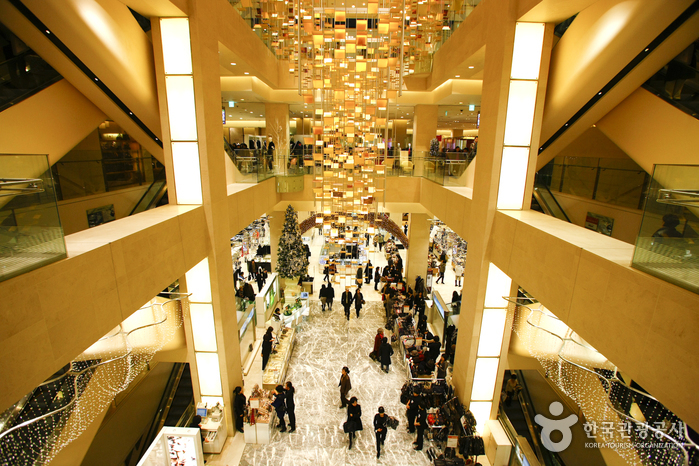
Tiendas Departamentales SHINSEGAE Myeongdong (Casa Central) (신세계백화점 (본점))
10.4Km 2024-11-26
Sogong-ro 63, Jung-gu, Seúl.
La Casa Central de las Tiendas Departamentales SHINSEGAE Myeongdong abrió originalmente en 1930 como la sucursal de Gyeongseong de las Tiendas Departamentales japonesas Misreukkosi. Abrió nuevamente sus puertas tras la renovación llevada adelante en 2007, con tiendas de lujo y de marcas internacionales para satisfacer aún más el gusto de sus clientes. Presenta también complejos culturales y artísticos como Trinity Garden. Muchos lugares turísticos y emblemáticos de Seúl se encuentran en sus alrededores, permitiendo a los turistas hacer compras y turismo al mismo tiempo.
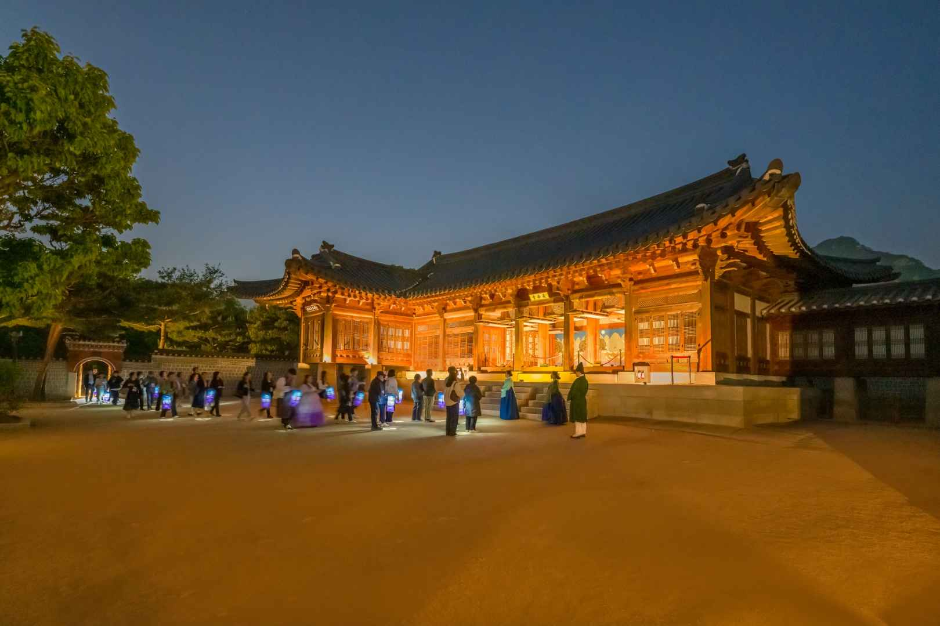
Tour bajo las Estrellas del Palacio Gyeongbokgung (경복궁 별빛야행)
10.4Km 2025-10-23
Sajik-ro 161, Jongno-gu, Seúl
1522-2295
Es un tour nocturno por el palacio Gyeongbukgung que se realiza en la temporada de otoño. Los visitantes reciben la guía de un experto y tienen ocasión de disfrutar de un espectáculo en el área de la antigua cocina del palacio y degustar platillos de la cocina real, los que se le servían al rey como parte de la mesa surasang.
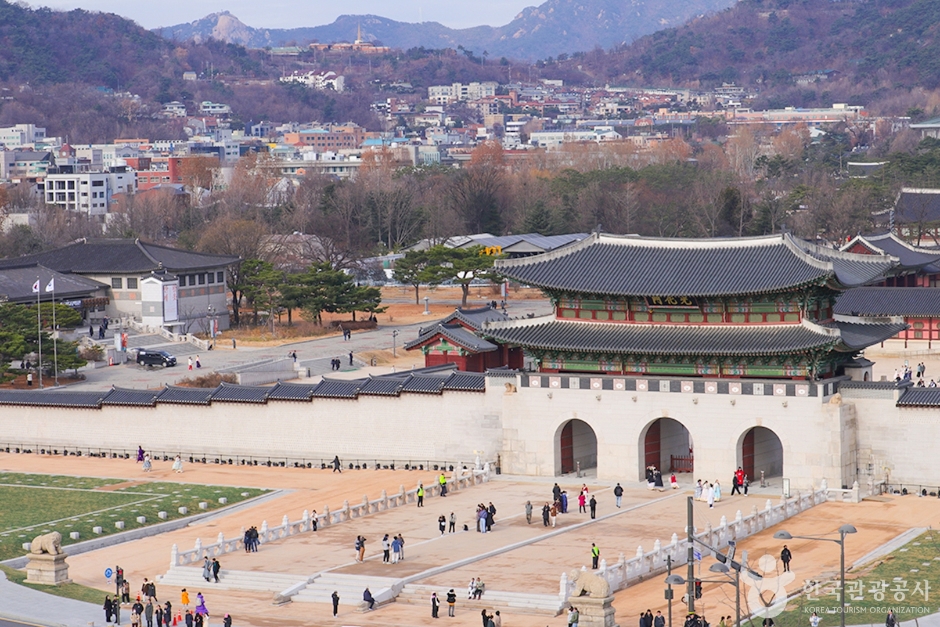
Puerta Gwanghwamun (광화문)
10.4Km 2025-08-08
Sajik-ro 161, Jongno-gu, Seúl.
La puerta Gwanghwamun es la entrada principal del palacio Gyeongbokgung, levantada en 1395 por Taejo, el primer rey de la dinastía Joseon. Es la puerta sur de las cuatro puertas de la antigua ciudad de Hanyang (Seúl), levantadas sobre los cuatro puntos cardinales. Su nombre significa “la luz de la civilización iluminará el mundo”, y contiene los altos propósitos que la dinastía Joseon tuvo al ser establecida. Gwanghwamun había sido construida de granito. En el centro se halla una entrada que se asemeja al arco iris, denominado Hongyemun, y arriba está la torre del portal. Gwanghwamun guarda un recuerdo amargo de la historia de Corea. Durante la ocupación de Corea por los japoneses (1910-1945), el gobierno de ocupación destruyó la puerta con el objetivo de suprimir la nación coreana, y en su emplazamiento levantó el Edificio de la Gobernación de Corea. Hacia el año 1968, el gobierno coreano construyó de nuevo la puerta Gwanghwamun, pero usando concreto. Sin embargo, en el año 2010 se completaron los trabajos de restauración total en madera, que es la que se ve actualmente.
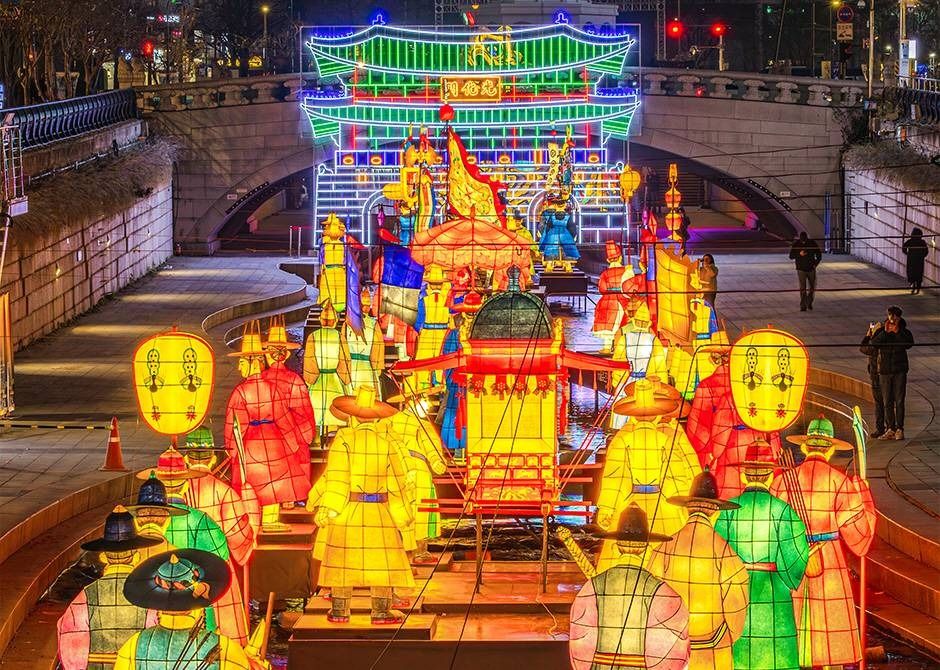
Festival de los Faroles de Seúl (서울빛초롱축제)
10.4Km 2025-12-31
Taepyeong-ro 1-ga 1, Jung-gu, Seúl.
02-3788-8168
Es un festival internacional de faroles realizado desde el año 2009 en pleno centro de Seúl. Este año, en la edición 2025-2026, habrá unas estructuras iluminadas sobre dos arroyos de la ciudad: Cheonggyecheon y Uicheon.
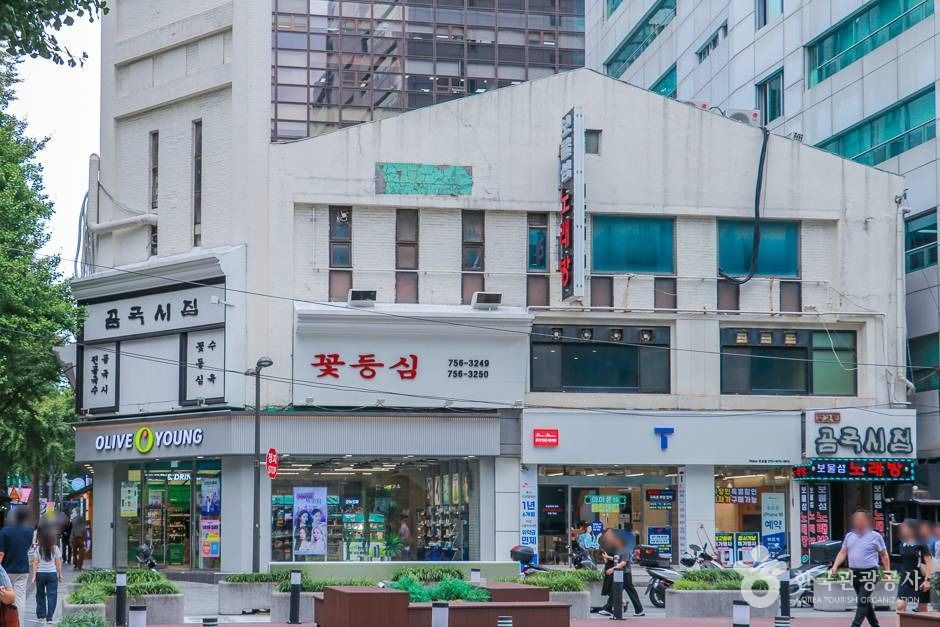
Gomguksijib (곰국시집)
10.4Km 2025-05-15
24, Mugyo-ro, Jung-gu, Seoul
Gomguksi is a soup consisting of handmade noodles and beef slices in a thick and rich beef broth. Gomguksi became famous through word-of-mouth by tourists from the neighboring country of Japan. These days the restaurant is always crowded with people. Also, the side dishes that accompany Gomguksi are extremely delicious.
Arteaspoon (아티스푼)
10.4Km 2025-09-04
Sinheung-ro 36-gil 7, Yongsan-gu, Seúl
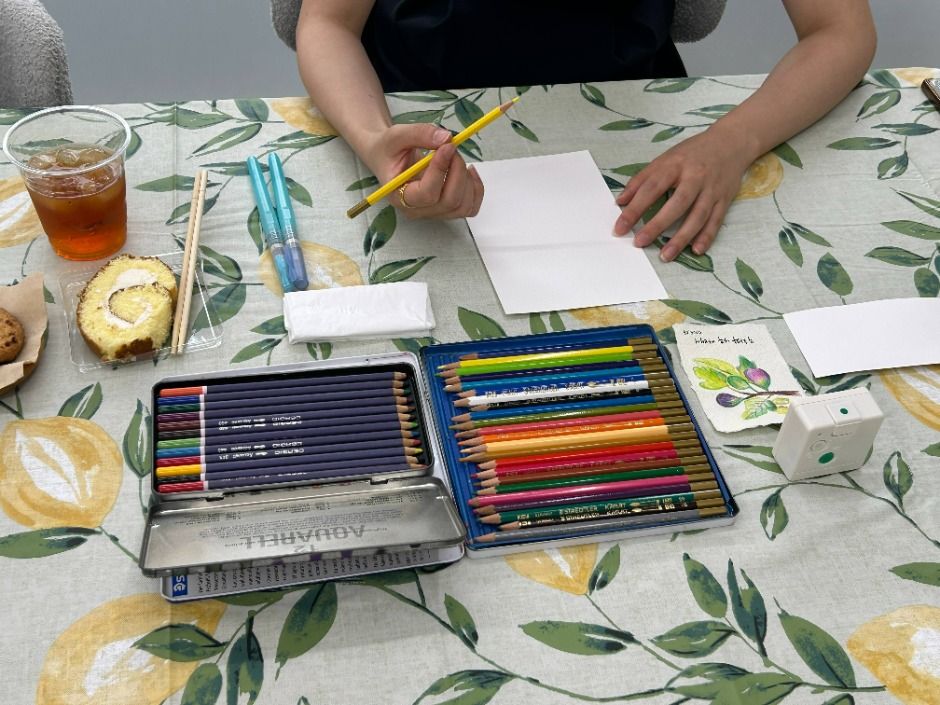
Ubicado en las Escaleras al Cielo de Huam-dong, del distrito de Yongsan-gu en Seúl, Arteaspoon ofrece programas culturales y artísticos basados en pintura, música, libros y cuentos. Dado que se encuentra al pie del monte Namsan, con vistas a Namsan Seoul Tower, es un ambiente ideal para programas que fomentan la expresión de emociones a través de los cinco sentidos, como chistes, conversaciones y autorreflexión. También hay programas específicos para extranjeros sobre la cultura y el arte de Corea.
Calle Frontal de Cheong Wa Dae (청와대 앞길)
10.4Km 2025-08-20
Gungjeong-dong, Jongno-gu, Seúl
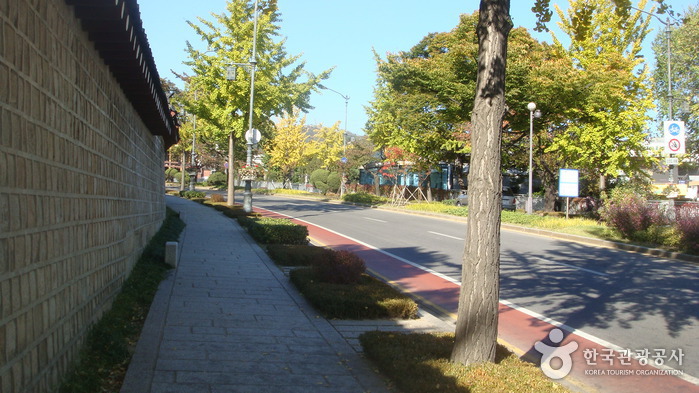
La calle frontal de Cheong Wa Dae (también conocida como Casa Azul) está abierta al público e incluye el Hyoja Samgeori (intersección de tres calles) en Hyoja-dong y el Palpan Samgeori (intersección de tres calles) en Palpan-dong. Cuando se camina por la calle Hyoja-ro, desde la Estación de Gyeongbokgung del metro, se pueden ver una fuente, el jardín Mugunghwa, y los pabellones Daegogak y Yongbingwan. Al principio de la calle, enfrente de Cheong Wa Dae, árboles y hermosos jardines de flores decoran los dos lados de la misma, creando un agradable lugar para pasear.
Mallijihwa Main Branch (만리지화 본점)
10.4Km 2025-11-27
17, Jong-ro 3-gil, Jongno-gu, Seoul
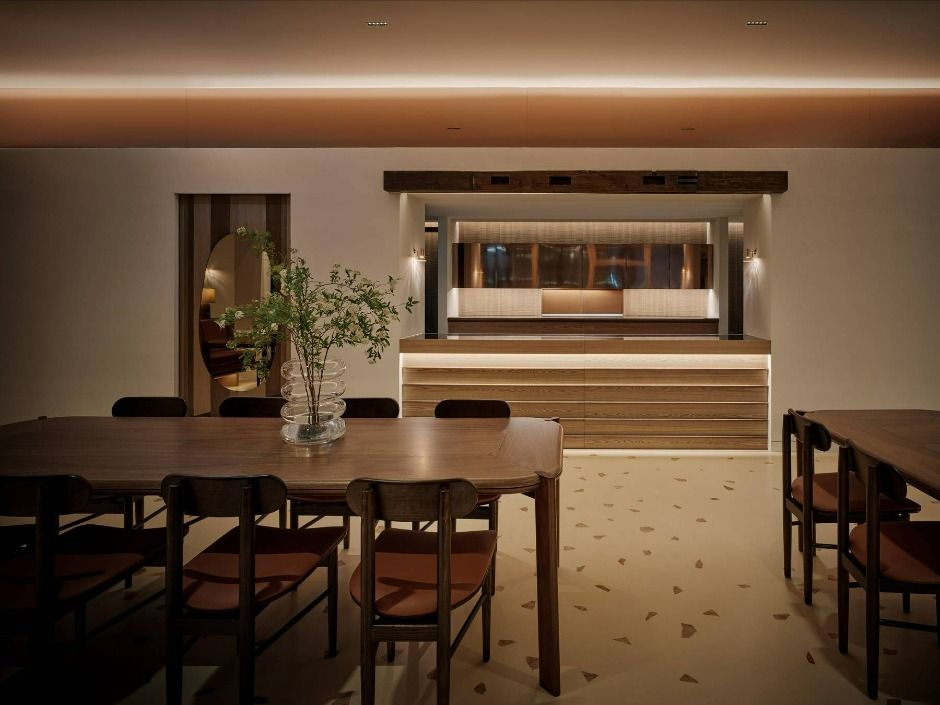
Mallijihwa, which embodies the meaning "eel that travels 10,000 ri and met fire," is an eel dining brand that modernizes the depth of Korean gastronomy. The restaurant's name was inspired by the eel's remarkable strength to swim across vast oceans to its spawning grounds—so significant that it is referred to as "malli fish" in the "Donguibogam" ("A Precious Mirror of Eastern Medicine"). Hence the name, Mallijihwa specializes in serving grilled eel, which is carefully grill with briquettes. The restaurant reinterprets eel with Korean aesthetics, offering a comfortable and elegant dining experience in a space that blends traditional architectural elements with a modern twist. The dishes served here offers an outstanding dining experience where the texture of the eel melts in one's mouth, and its flavor lingers long after. Signature dishes include grilled eel rice bowls, grilled eel, eel gujeolpan (platter of nine delicacies), and eel meal courses. The restaurant also offers seasonal lunch box made with fresh, seasonal ingredients.
Modern Shabu House Gwanghwamun D Tower Branch (모던샤브하우스 광화문D타워점)
10.4Km 2025-12-03
17, Jong-ro 3-gil, Jongno-gu, Seoul
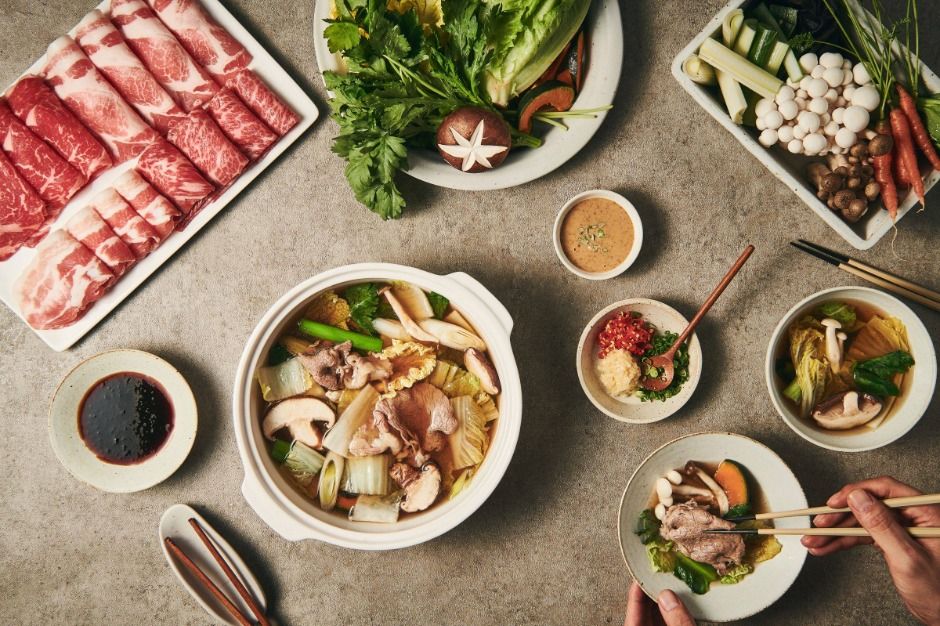
Located in Jongno-gu, Modern Shabu House Gwanghwamun D Tower Branch offers a selection of specialty broths to enjoy unlimited beef, pork, and vegetables. The restaurant serves four cuts of pork and beef in every course. The interior is designed with natural materials like earth, stone, and wood, inspired by the fluid process of cooking ingredients like meat and vegetables in a pot. The design reflects the natural movement and flow of ingredients as they cook together. The restaurant also has a range of private rooms, making it a popular choice for families with children and for gatherings, providing a comfortable dining experience.
Hill House Hotel (힐하우스 호텔)
10.4Km 2025-10-23
42, Sogong-ro 3-gil, Jung-gu, Seoul
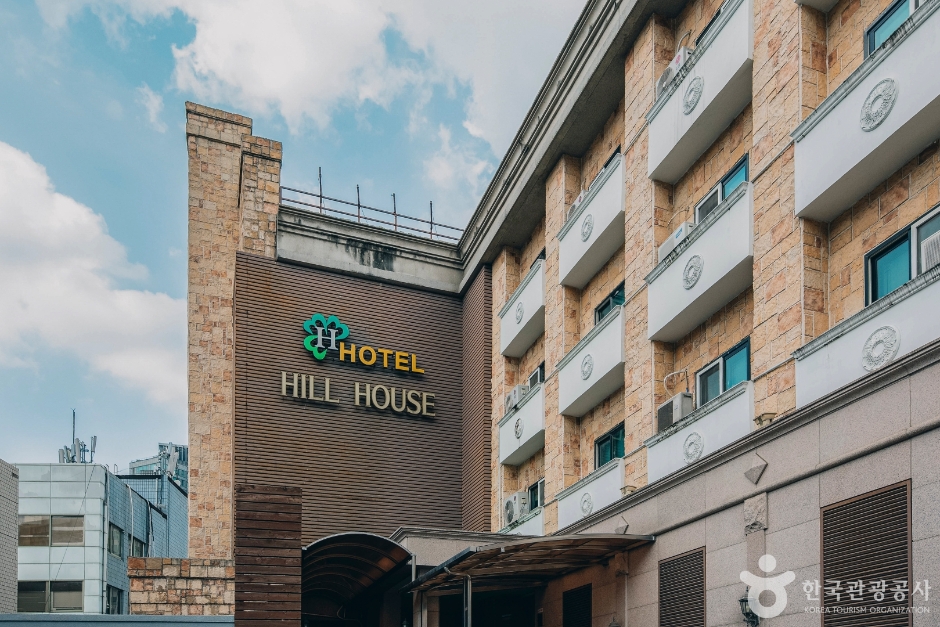
Hill House Hotel is a business hotel located at the foot of Mt. Namsan Park in Seoul. The hotel opened in 2006 with 40 rooms in all. There are various types of rooms including double room, twin room, deluxe twin room, and suite room. The hotel is earning raves for the neat and clean condition of its rooms. In particular, the hotel is ideal for travelers who prefer quiet accommodations since it is located in a residential area.
The room offers various amenities. Free Internet is available in all rooms, and a notebook PC is available for use at the communal space in the lobby. Complimentary breakfast of toast, coffee, cereal, etc. is offered. There is a communal microwave in the cafeteria, too. A baggage counter is also available for customers’ convenience.
The hotel offers easy access to public transportation, being located near Subway Hoehyeon Station, Seoul Station, and Myeongdong Station. You can visit Namsan Seoul Tower, Namdaemun Market, etc. on foot. Myeongdong is a mere 10-minute walk from Namdaemun Market. With large department stores and duty-free shops, Myeongdong is a hot place for foreign travelers. The hotel is also near Cheonggyecheon, so it is recommended to travelers who want to enjoy a tour of downtown Seoul.
 Español
 한국어
한국어 English
 日本語
日本語 中文(简体)
 Deutsch
 Français
 Русский


