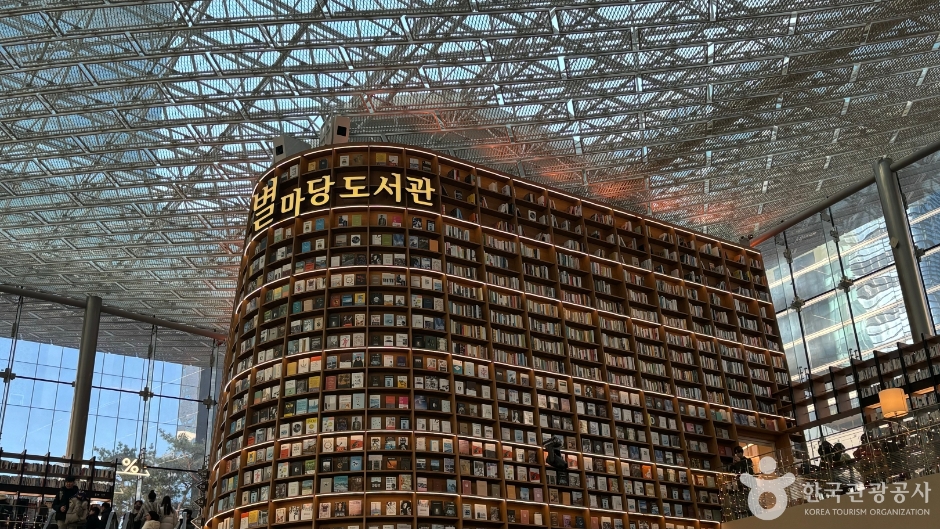
Starfield COEX Mall (스타필드 코엑스몰)
14.6Km 2025-07-17
Yeongdong-daero 513, Gangnam-gu, Seúl.
El Starfield COEX Mall fue reabierto el 27 de noviembre de 2014 al completarse una renovación a gran escala. El renombrado estudio de arquitectura Gensler diseñó el nuevo concepto de “Unfolding Sky” (Cielo Abierto). Con cinco plazas tematizadas, el nuevo Starfield COEX Mall fue concebido para recibir cantidades óptimas de luz natural y mejorar el flujo de transeúntes. El Starfield COEX Mall es una “Meca comercial” para marcas de nivel mundial en las áreas de moda, accesorios, belleza, estilos de vida y más. También tiene un enorme complejo de cines y una variedad de restaurantes.
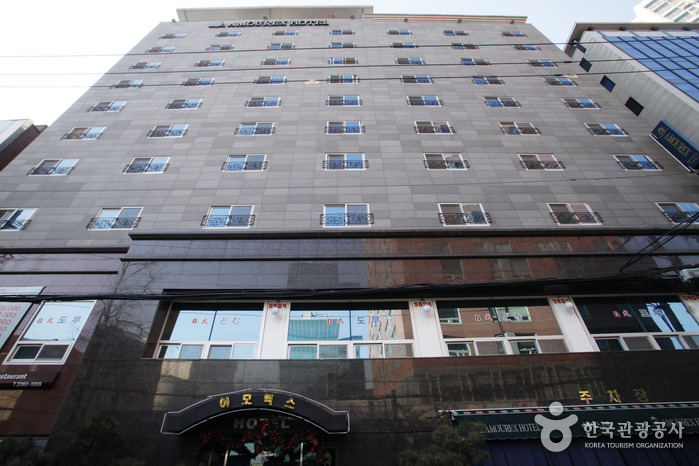
Amourex Hotel (아모렉스관광호텔)
14.6Km 2025-06-09
19, Wangsimni-ro 20-gil, Seongdong-gu, Seoul
Amourex Hotel is for both business travelers and tourists. It takes 20 minutes by car to Seoul’s major attractions such as Dongdaemun market, Myeongdong, and the Seoul City Hall. It is also close to Wangsimni Subway Station (line 1). The hotel offers comfortable guestrooms and services. The hotel’s Japanese Restaurant provides an upscale atmosphere for successful business meetings.

Museo del Mueble de Corea (한국가구박물관)
14.7Km 2024-07-29
Daesagwan-ro 121, Seongbuk-gu, Seúl
Ubicado en una colina en el barrio de Seongbuk-dong, en Seúl, el museo brinda la oportunidad de apreciar los muebles tradicionales coreanos. El mobiliario del museo se expone según diferentes temáticas como su ubicación inicial en la casa, sus materiales de fabricación o su región de origen. El museo posee un total de diez casas tradicionales que han sido trasladadas allí y restauradas durante quince años. Se puede apreciar con naturalidad el ambiente residencial en la antigua Corea a través de la decoración interior, los murales con motivos florales tradicionales, las chimeneas y los patios, entre otros. Solo se puede acceder al museo con reserva, y se tarda aproximadamente una hora en recorrerlo en compañía de un guía. Este último le proporcionará diversa información y anécdotas sobre el mobiliario tradicional y la cultura de la vivienda en armonía con la naturaleza en Corea. Además, se pueden ver diferentes cuencos y vasijas antiguas que decoran los ambientes. La aparición de BTS en el programa de televisión coreano “You Quiz on the Block” permitió mostrar el Museo del Mueble de Corea. Además del grupo, el lugar ha recibido la visita de diferentes personalidades internacionales como el presidente de China, Xi Jinping, el actor Brad Pitt y la presentadora de televisión Martha Stewart, entre otros.
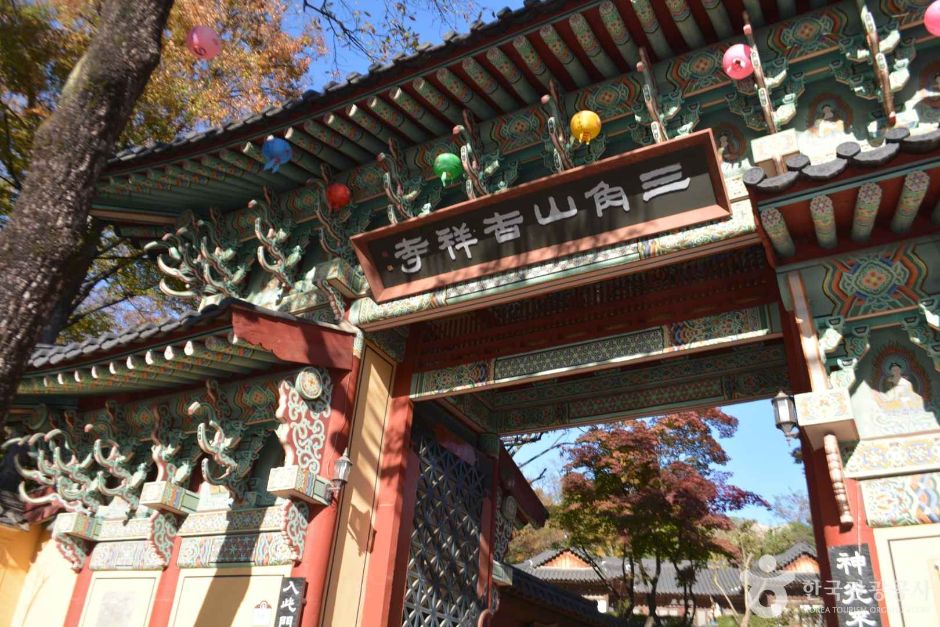
Templo Gilsangsa en Seúl (길상사(서울))
14.7Km 2025-04-02
Seonjam-ro 5-gil 68, Seongbuk-gu, Seúl
El templo Gilsangsa está situado en el distrito de Seongbuk-dong, del norte de Seúl. Fue construido en el recinto del famoso restaurante Daewongak, cuya dueña donó la propiedad al venerable monje Bupjeong (1932-2010), que fue la persona que transformó el lugar en este templo inaugurado en 1997. Aunque Gilsangsa tiene una historia relativamente corta, está muy bien situado en el centro de Seúl, por lo que atrae muchos visitantes tanto nacionales como extranjeros. El templo también sirve como lugar cultural, ya que ofrece diversos programas como enseñanzas budistas, y estancia en templo. Las construcciones Gilsang Seonwon (centro zen) y la Casa el Silencio están dedicadas a la meditación. Gilsang Seonwon ofrece habitaciones para que mediten budistas con experiencias, mientras que la Casa del Silencio está abierta al público en general. Gilsangsa también tiene una sede en París.
Galería de Arte en Papel Coreano de S.J. Cho (조수정 한지그림 갤러리)
14.7Km 2021-12-03
Teheran-ro 92-gil 14, Gangnam-gu, Seúl
Esta galería de arte está dedicada al papel tradicional coreano hanji, y abrió sus puertas en julio de 2011. El arte del hanji consiste en utilizar una gran variedad de colores para crear diversas imágenes, pero sin pinturas ni pinceles. El papel puede ser rasgado, doblado, arrugado o en diferentes formas para crear una obra de arte única. La galería también es el centro de la Organización del Arte de Hanji de Corea, la cual contribuyó significativamente en la popularización del arte del hanji en los últimos 30 años. Durante la visita, se pueden degustar bebidas tradicionales o café, observar el monte Bukhansan o elaborar el papel hanji.
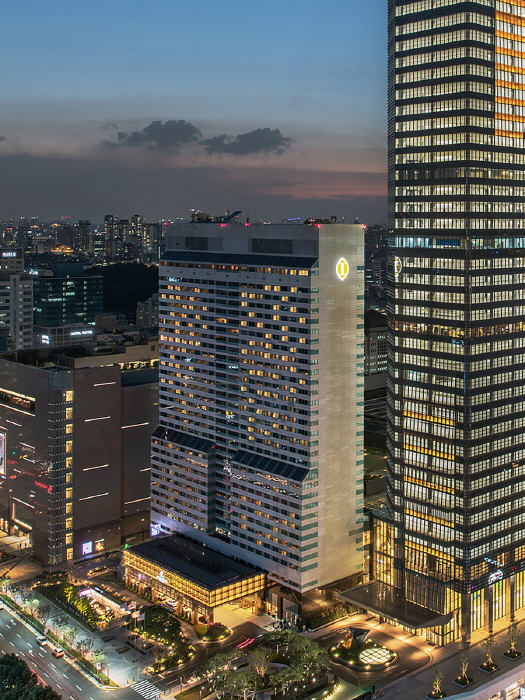
Grand InterContinental Seoul Parnas (그랜드 인터컨티넨탈 서울 파르나스)
14.7Km 2025-06-04
521, Teheran-ro, Gangnam-gu, Seoul
The Grand InterContinental Seoul Parnas is conveniently located in the heart of southern Seoul’s business district, featuring COEX convention and exhibition center, and City Airport. THe nearby COEX Mall offers duty free shops, a casino, cinema and over 200 shops. The hotel is the largest 5-star hotel in Korea, featuring state-of-the-art amenities, including a grand ballroom and 15 banquet halls, perfect for hosting conventions and gathers of all sizes. Each of the 516 guestrooms is large and decorated comfortably for the perfect stay. Also, the hotel offers various restaurants from French, Italian, Asian, Japanese, to Chinese with top of the line chefs that cook up a delicious meal.
Stage 35 Seongsu (스테이지35 성수)
15.0Km 2025-07-17
Yeonmujang-gil 35, Seongdong-gu, Seúl
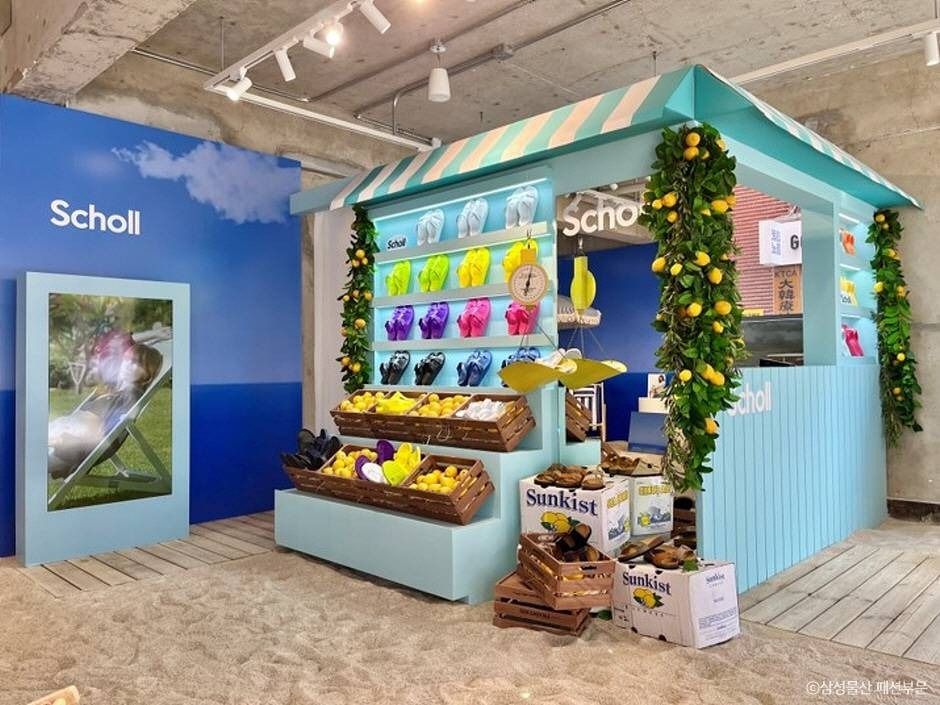
Stage 35 Seongsu es un espacio cultural de cuatro plantas ubicado en el barrio de Seongsu-dong de Seúl, el cual ofrece una variedad de cosas para ver, desde tiendas temporales hasta exposiciones de arte, muestras de lanzamientos y más. Fácilmente accesible en transporte público, es una visita obligada para quienes desean descubrir contenido que es tendencia y marcas de moda. También se realizan colaboraciones regulares con marcas reconocidas como Levi's, Comme des Garçons, Bao Bao y Thom Browne, entre otras.
The Hyoosik Aank Hotel Incheon Bupyeong (더휴식 아늑호텔 인천 부평점)
15.1Km 2025-07-14
18-8, Gyeongwon-daero 1417beon-gil, Bupyeong-gu, Incheon
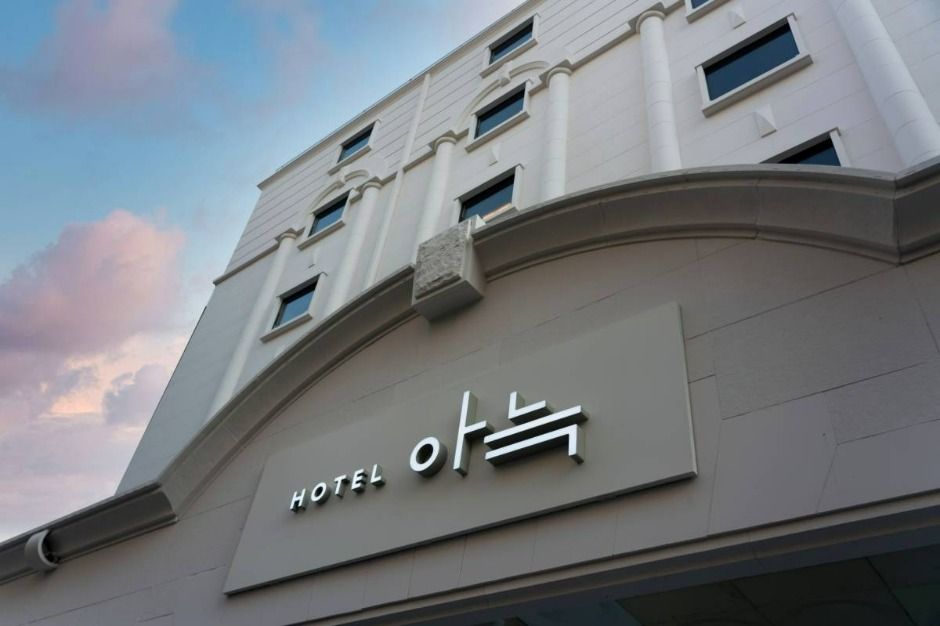
The Hyoosik Aank Hotel Incheon Bupyeong offers a variety of room types focusing on a specific theme for both leisure and relaxation, such as a deep sleep room with a premium massage chair, a singing room with noraebang equipment and soundproof walls, a deluxe couple room with two high-end gaming PCs, a movie room with a beam projector, a spa room with a tile tub, a party room, a twin bedroom, and a regular standard room. The hotel also has a parking lot and a guest lounge.
Museo del Arroyo Cheonggyecheon (청계천박물관)
15.1Km 2021-09-28
Cheonggyecheon-ro 530, Seongdong-gu, Seúl.
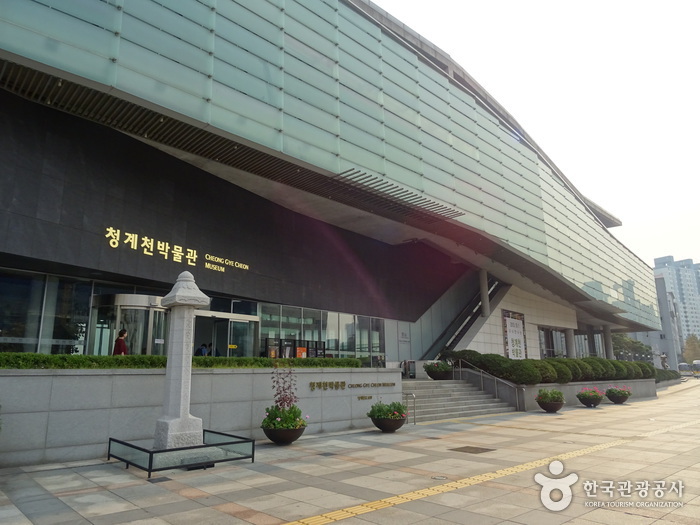
El museo se construyó a imagen y apariencia del arroyo, la fachada está representada por un largo tubo de vidrio, y en su interior expone todas las etapas de desarrollo y reconstrucción que se han llevado a cabo desde julio de 2003 hasta septiembre de 2005. Muestra todo el proceso histórico y de reformación que ha atravesado el arroyo. Consta de varias salas destinadas para las exhibiciones culturales e históricas, tanto para exposiciones a largo como a corto plazo. También posee una sala para seminarios y escenarios para pequeños espectáculos.
Gwangyang Bulgogi Bonga (광양불고기본가)
15.1Km 2025-06-24
16, Dogok-ro 99-gil, Gangnam-gu, Seoul
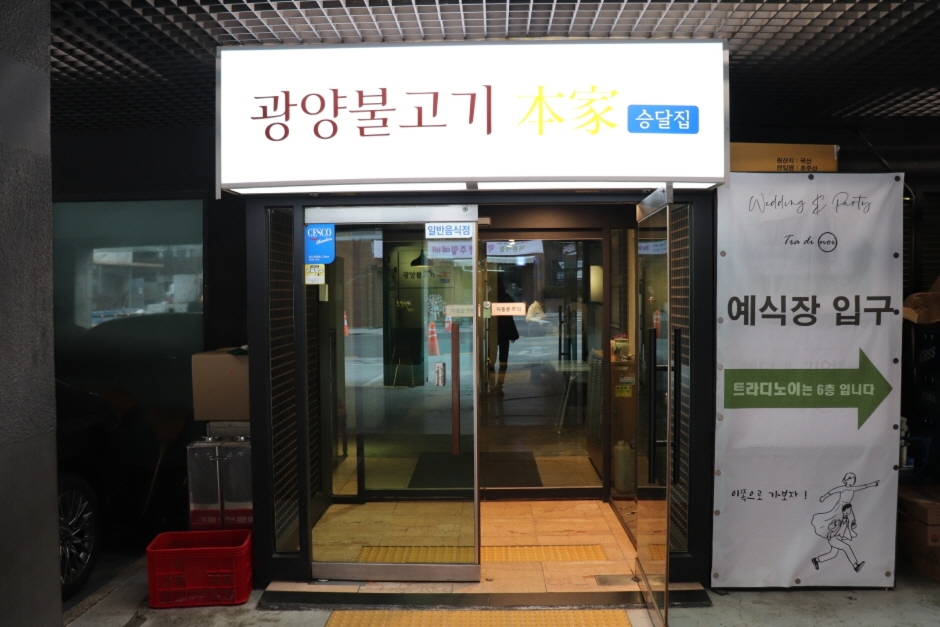
Gwangyang Bulgogi Bonga maintains the traditional Korean bulgogi recipe that has been passed down for three generations. Using good-quality Korean beef fillet, the dishes holds the true taste of Gwangyang bulgogi roasted on a charcoal burner. Scorched rice and cold noodles are also delicious, as well as other side dishes.
 Español
 한국어
한국어 English
 日本語
日本語 中文(简体)
 Deutsch
 Français
 Русский


