
Calle Garosu-gil (가로수길)
9.3Km 2022-12-16
Sinsa-dong, Gangnam-gu, Seúl.
Son los gingkos los que adornan este sendero romántico visitado por muchas parejas y familias por su belleza inolvidable. En la Calle Garosu-gil de Sinsa-dong, que también se conoce como "La calle de los artistas", se encuentran cafeterías encantadoras y muchas tiendas de ropa de famosos diseñadores que crean un ambiente exótico. Especialmente en otoño, mucha gente visita este lugar para ver la caída de las hojas de los árboles. Por su precioso paisaje y fama, es uno de los lugares favoritos de los directores del cine.
![Palacio Changdeokgung y Jardín Huwon (창덕궁과 후원) [Patrimonio Cultural de la Humanidad de la Unesco]](http://tong.visitkorea.or.kr/cms/resource/03/3092503_image2_1.jpg)
Palacio Changdeokgung y Jardín Huwon (창덕궁과 후원) [Patrimonio Cultural de la Humanidad de la Unesco]
9.3Km 2025-08-08
Yulgok-ro 99, Jongno-gu, Seúl
El palacio Changdeokgung se compone de un espacio para el oficio de los funcionarios públicos, la residencia del rey y el jardín de la parte posterior. El palacio Changdeokgung es el único palacio que preserva el estilo arquitectónico de la dinastía Joseon. El jardín posterior, Huwon, utilizado por el monarca como lugar de descanso, tiene árboles de 300 años de edad, un estanque y un pabellón organizados en forma armoniosa con la naturaleza.
Entrando por la puerta Donhwamun se accede al interior del palacio, y allí aparece el puente Geumcheongyo hacia la derecha. Construido durante el 11er. año del gobierno del rey Taejong (1411), este puente de piedra es el más antiguo en su estilo que quedan en pie dentro de Seúl. La entrada a Injeongjeon (la cámara de la audiencia real) se encuentra al final de este puente y la cresta del techo de la cámara está decorada con figuras de flores. Estas figuras fueron añadidas por el gobierno de la ocupación japonesa para avergonzar a la familia real y no se las puede ver en ningún otro techo. Sobre cada alero del techo de Injeongjeon se colocaron nueve estatuas. Estas estatuas eran para ahuyentar los malos espíritus y el número de ellas difiere entre las edificaciones: cinco sobre cada alero del techo del Portal Jinseonmun y siete en la puerta Donhwamun. Detrás de la puerta derecha de Injeongjeon, se halla la cámara oficial del rey denominada Seonjeongjeon. Solo para este palacio se utilizaron tejas azules, lo que da a comprender el significado de las tejas azules de Cheong Wa Dae (también conocida como la Casa Azul).
El sendero de cemento que se extiende entre las paredes de los palacios Changdeokgung y Changgyeonggung conduce al jardín Huwon. Aquí se elevan los pabellones Buyongjeong y Juhamnu, que frecuentemente aparecen en fotografías que presentan Corea. El jardín tiene una forma similar a la letra C, con un estanque en el centro. Asimismo, para llegar a Yeongeongdang, la residencia de 99 ambientes de la familia noble de los más altos honores, uno debe pasar obligatoriamente por la puerta Bullomun hecha con una roca tallada en forma de C.
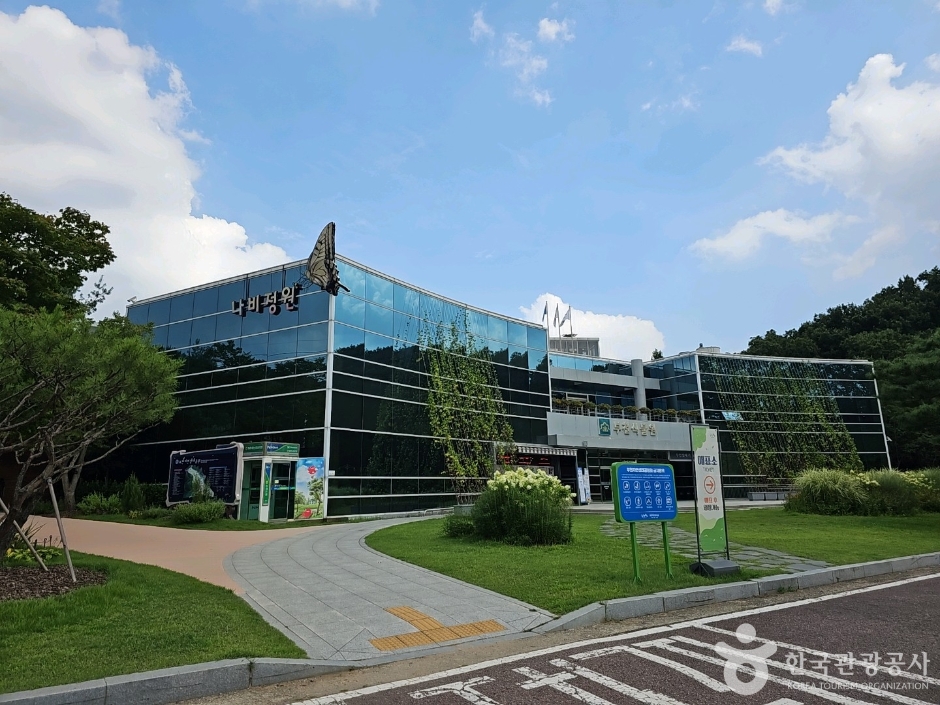
Jardín Botánico de Bucheon (부천식물원)
9.3Km 2025-06-24
Gilju-ro 660, Wonmi-gu, Bucheon-si, Gyeonggi-do
El Jardín Botánico de Bucheon alberga numerosas plantas raras, distribuidas en dos pisos y dos subsuelos. El edificio, diseñado con la forma de una flor de melocotón, símbolo de Bucheon, cuenta con un jardín central y cinco jardines temáticos: jardín de plantas generales, jardín de plantas acuáticas, jardín de plantas tropicales, jardín de plantas suculentas y jardín de plantas autóctonas. En el espacio central hay 9.975 árboles que representan unas 310 especies. Con un bosque en las inmediaciones, el jardín botánico ofrece a los visitantes una magnífica experiencia de aprendizaje sobre la naturaleza. Junto con el Museo de Ecología Natural y el Zoológico Infantil, ubicados en las inmediaciones, este también es un excelente destino cultural y recreativo.
Seokparang (석파랑)
9.4Km 2025-05-19
309, Jahamun-ro, Jongno-gu, Seoul
Seokparang is a place built by relocating the Sarangchae of Heungseon Daewongun, the father of King Gojong of the Joseon dynasty. It boasts beautiful late Joseon-style gardens and three traditional hanok buildings. Here, one can enjoy authentic Gungjung hanjeongsik (royal Korean table d'hote) for both lunch and dinner, featuring meticulously prepared dishes such as traditional porridge, chilled salads, steamed prawns, kimchi cabbage wraps with pork, soybean paste jjigae set menu, and desserts. Diners can also savor traditional liquors crafted by artisans from across the country.
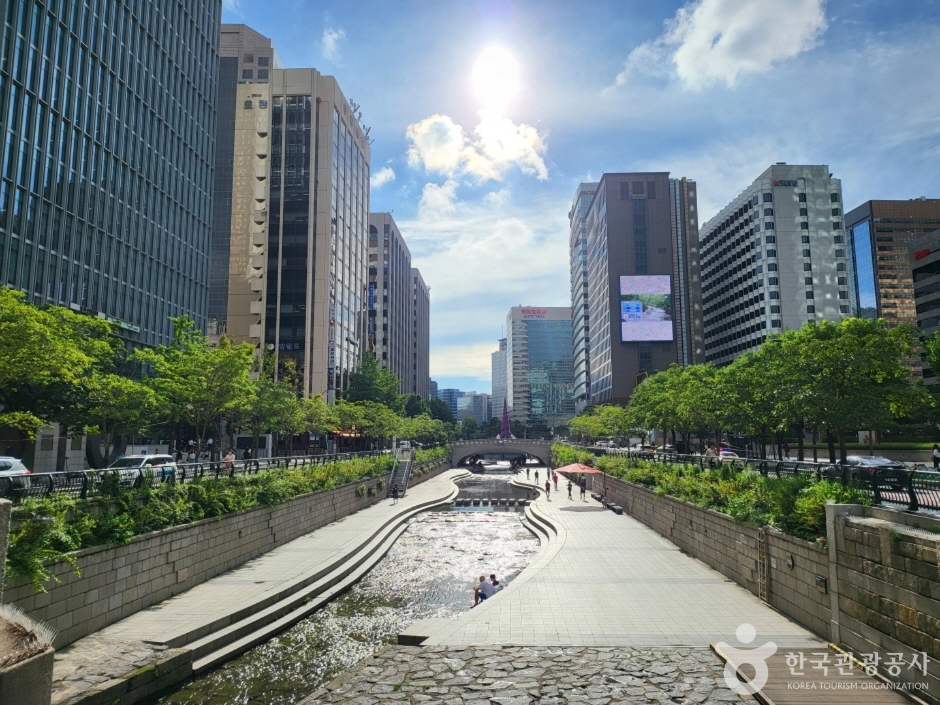
Arroyo Cheonggyecheon (청계천)
9.4Km 2025-09-15
Changsin-dong, Jongno-gu, Seúl
El arroyo Cheonggyecheon nace en la plaza Cheonggye, que se encuentra en la avenida Sejong-ro, frente al edificio del periódico Donga Ilbo, que fue el lugar de inicio del restablecimiento del arroyo. Abarca hasta el puente Sindapcheolgyo. La plaza Cheonggye se compone de una fuente con caídas de agua, un modelo en miniatura del arroyo en su totalidad y una senda de paseos, entre otras instalaciones para comodidad de los visitantes.
El diseño de la plaza Cheonggye presenta un toque tradicional, el lugar está decorado con colores diversos, ofreciendo una elegancia peculiar. El modelo del arroyo representado en tamaño de miniatura, posibilita a simple vista recorrer la zona completa del arroyo remodelado. También expone los carteles explicativos de los 22 puentes que atraviesan el curso de agua y otros detalles. Por otra parte, hacia la izquierda está instalada la escalera que conecta con las aceras ribereñas del arroyo y hacia la derecha de la plaza Cheonggye hay un sendero con un túnel de 18 m de largo.
El Ayuntamiento de Seúl ha logrado que el lugar se convierta en un espacio cultural libre para los ciudadanos, prohibiendo el tránsito de vehículos en los días festivos. La fuente con forma de candelero y con la iluminación de luces tricolores, junto a las caídas de agua desde dos pisos, a una altura de 4 m, conforman una obra de ingeniería civil maravillosa. A cada lado de las caídas de agua se han instalado miles de piedras traídas desde todas partes del país. Por la noche, la combinación que hace el agua con las luces de la iluminación es realmente un espectáculo fantástico.
Hotel Provista (프로비스타 호텔)
9.4Km 2025-07-28
338, Seocho-daero, Seocho-gu, Seoul
Hotel Provista is located close to the center of Seoul's business hub, Teheran-ro in Gangnam. It is also in close vicinity of three important districts in Seoul: Gangnam Business Town, Seocho Court District, and Yangjae IT Venture Valley. The area is a major transportation hub with Seoul Express Bus Terminal and Seoul Nambu Terminal nearby, as well as the Gyeongbu Expressway. Guestrooms combine the advantages of a business hotel and a residence hotel. They are equipped for business travelers and long term guests’ convenience with guestrooms containing a TV with 60 cable channels, high speed internet access, a kitchen with high-end cooking facilities and a refrigerator, and an up-to-date laundry machine.
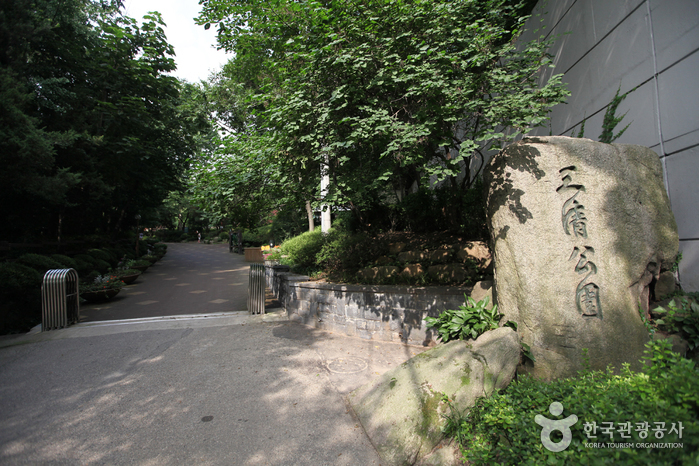
Parque Samcheong (삼청공원)
9.4Km 2022-04-07
Bukchon-ro 134-3, Jongno-gu, Seúl.
Es un parque localizado al pie del monte Bugaksan y fue el Parque N° 1 de Corea. En el entorno se encuentra gran cantidad de flores de cerezo, por lo que en abril de cada año es visitado por gran cantidad de ciudadanos por su hermoso paisaje de floración. Además, en el interior podrá encontrar un campo de bádminton, una cancha de tenis, una plaza infantil, espacios de descanso, una tienda comercial, etc., por lo que ofrece comodidad a los visitantes.
Entre las rutas principales de senderismo se destacan: el camino forestal de Bugaksan hacia la Muralla de Seúl, el camino hacia el manantial de Seongbuk-dong, el camino hacia el Parque Waryong, etc. En particular, se encuentra dentro de este parque la roca Malbawi, que fue designada como el mejor lugar para observar el panorama de la ciudad, por el Ayuntamiento de Seúl.
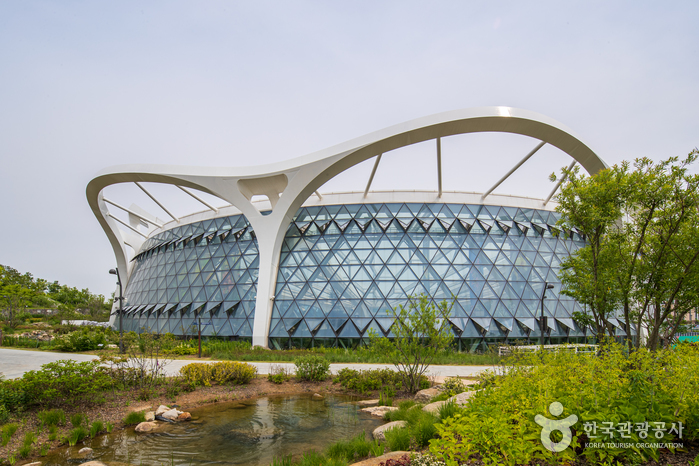
Jardín Botánico de Seúl (서울식물원)
9.5Km 2025-04-02
Magokdong-ro 161, Gangseo-gu, Seúl
El Jardín Botánico de Seúl se creó en la zona de Magok, el último sitio pendiente de desarrollo que quedaba en Seúl, para introducir plantas nativas de 12 ciudades diferentes de todo el mundo y aumentar la conciencia ecológica en la ciudad. El Jardín Botánico de Seúl comprende un jardín botánico y un parque público, y el área tiene el tamaño de 70 campos de fútbol. Sirve como cabeza de puente e institución de educación permanente con el objetivo de difundir la cultura de los jardines urbanos. Al mismo tiempo, desempeña su función original como institución de investigación y conservación de plantas mediante la expansión de hábitats de plantas silvestres en peligro de extinción, la investigación de la proliferación de especies y el desarrollo de variedades. El jardín botánico se divide en cuatro espacios: Bosque Abierto, Jardín Temático, Jardín del Lago y Jardín del Humedal. Lo más destacado es el Jardín Temático, que comprende el Centro Botánico, el Salón Cultural Magok y un jardín al aire libre.
Centro de Bellas Artes de Seúl (예술의전당)
9.5Km 2023-10-30
Nambusunhwan-ro 2406, Seocho-gu, Seúl
El Centro de Bellas Artes de Seúl es el complejo de arte representativo de Corea. Está compuesto por la Casa de la Ópera, la Sala de Conciertos, la Galería de Arte, la Sala de Caligrafía y el Teatro, que es exclusivamente para obras teatrales. En este mismo lugar puede disfrutar varias actuaciones y exposiciones.
Uno de los aspectos más prominentes del Centro de Bellas Artes de Seúl es que fue construido con la calidad de los diez mejores centros de arte del mundo. La Casa de la Ópera, que se erige en el medio del complejo, representa el gat –un sombrero tradicional coreano hecho de bambú-. Se dará cuenta de que el tejado del edificio tiene la forma del gat. Puesto que es el único lugar del mundo que tiene una colección bien conservada de caracteres de escritura chinos, la Sala de la Caligrafía es un buen lugar para que los extranjeros hagan una visita. Puede ver películas y vídeos en el Art Morgue.
Incluso si no entra en los edificios del complejo, le sorprenderán las instalaciones. El espacio al aire libre es perfecto para que los ciudadanos de Seúl y los turistas descansen y se relajen. Tras el complejo verá las montañas. Siga el sendero y llegará al templo Daesungsa, un templo budista en el monte. Allí encontrará una fuente de agua mineral y a su alrededor equipos de gimnasia, ya que se trata de un lugar popular para hacer ejercicios matinales. Podrá respirar aire puro y escuchar el canto de las aves.
El Centro de Bellas Artes de Seúl es famoso por su relajante espacio al aire libre, de entrada gratuita. En el “Jangteo” (que significa “mercado”) hay muchos eventos y espectáculos. Hay un teatro al aire libre que tiene un escenario con forma de media luna, junto con una plaza en donde se celebran muchas actuaciones. También puede descansar en el Umyeonji, el estanque de estilo coreano. Puede hallar más información sobre el Centro de Bellas Artes de Seúl, los programas y eventos que allí se celebran, en su página web en inglés.
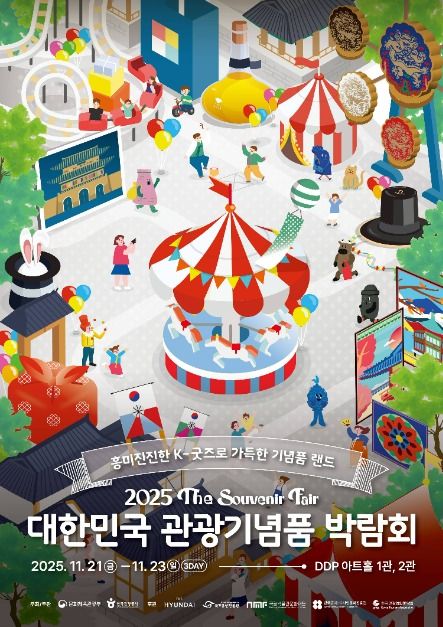
Feria de Suvenires de Corea (대한민국 관광기념품 박람회)
9.5Km 2025-10-23
Eulji-ro 281, Jung-gu, Seúl
010-8315-5434
La Feria de Suvenires de Corea se celebra en las Salas de Arte 1 y 2 del complejo Dongdaemun Design Plaza (DDP), en Seúl. Aproximadamente 130 empresas y gobiernos locales participan en esta feria, presentando una variedad de suvenires turísticos que combinan tradición con las últimas tendencias. Los visitantes pueden moverse libremente entre las salas de exposición de la Sala 1 (East Land) y la Sala 2 (West Land) y disfrutar de diversos eventos, como compras de suvenires, programas de experiencias, pequeños juegos y un desfile. También se celebra una exposición de obras premiadas en concursos públicos, una zona para suvenires regionales excepcionales y un rincón de exposición especial para suvenires extranjeros.
 Español
 한국어
한국어 English
 日本語
日本語 中文(简体)
 Deutsch
 Français
 Русский


