
Seokparang (석파랑)
2.4Km 2025-05-19
309, Jahamun-ro, Jongno-gu, Seoul
Seokparang is a place built by relocating the Sarangchae of Heungseon Daewongun, the father of King Gojong of the Joseon dynasty. It boasts beautiful late Joseon-style gardens and three traditional hanok buildings. Here, one can enjoy authentic Gungjung hanjeongsik (royal Korean table d'hote) for both lunch and dinner, featuring meticulously prepared dishes such as traditional porridge, chilled salads, steamed prawns, kimchi cabbage wraps with pork, soybean paste jjigae set menu, and desserts. Diners can also savor traditional liquors crafted by artisans from across the country.
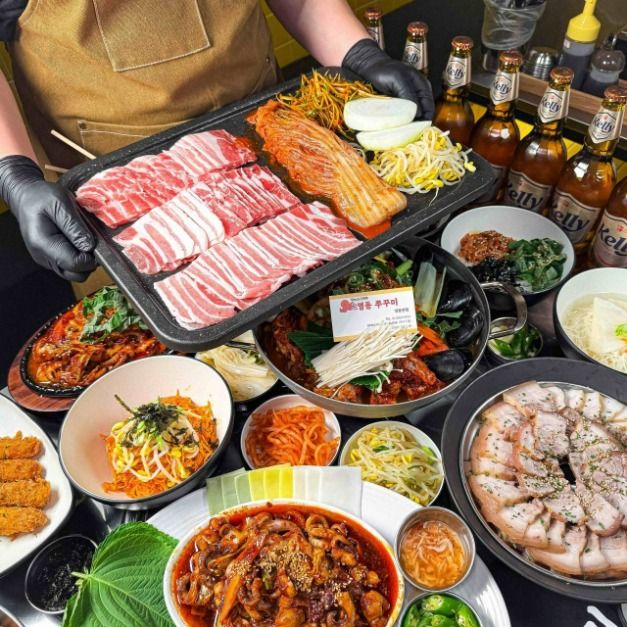
Myeongdong Jjukkumi (명동쭈꾸미)
2.5Km 2025-10-23
3-28, Toegye-ro 6-gil, Jung-gu, Seoul
Myeondong Jjukkumi is a jjukkumi (ocellerated octopus) restaurant located in Jung-gu, Seoul. It only takes about a 1-minute walk from Hoehyeon Station (Seoul Subway Line 4), Exit 2, a convenient location for both tourists and people who work in the area. Main menu items consist of jjukkumi and samgyeopsal (grilled pork belly), pork galbi (rib meat), bossam (cabbage wraps with pork), among other set menus. All dishes are cooked in the kitchen, and are known for their spicy kick and savory taste. The restaurant can accommodate group guests as it has a spacious hall as well as outdoor tables. Customers dining at the restaurant can help themselves to more side dishes at the self-service side dish bar and enjoy a hearty meal at a reasonable price.
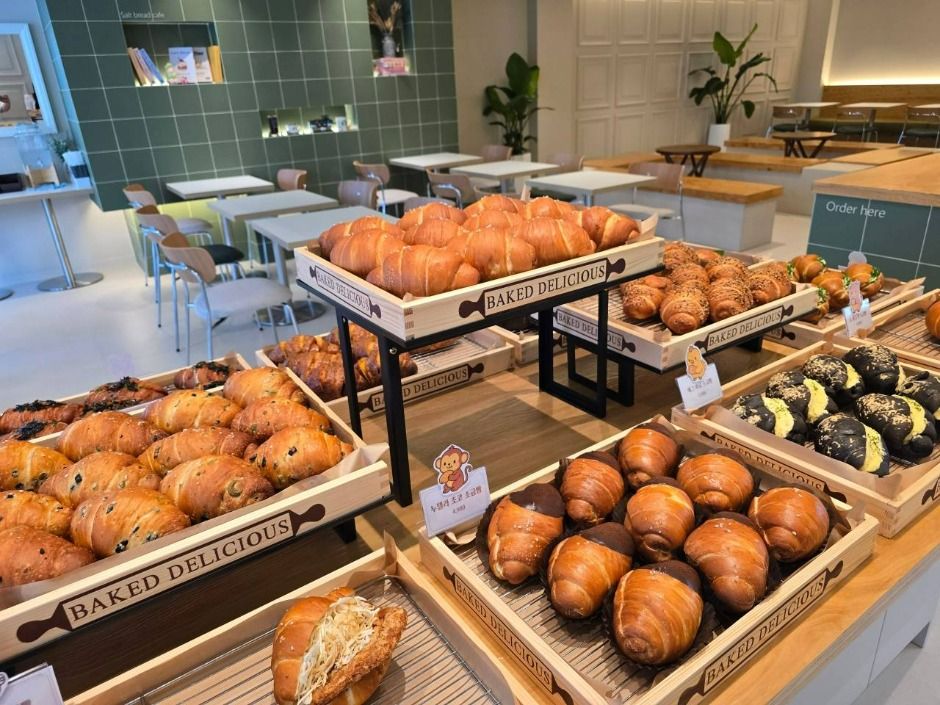
Bokidang (복이당)
2.5Km 2025-09-16
3-28, Toegye-ro 6-gil, Jung-gu, Seoul
Bokidang is a handmade salt buns specialty bakery cafe located in Jung-gu, Seoul. It is conveniently located just a 30-second walk from Exit 2 of Hoehyeon Station, situated in an area with high foot traffic from office workers and tourists. Bokidang presents handmade salt bread and beverages made with carefully selected fresh ingredients, with the hope that "everyone who eats will be blessed." The signature menu features a lineup of salt breads inspired by the 12 zodiac animal characters, each embodying health, wishes, and small happiness in a single bite. The store has a clean and warm atmosphere with an indoor seating area and outdoor seating, accommodating group guests and offering takeout for added convenience.
Espectáculo Cómico de Artes Marciales JUMP (코믹 마샬아츠 퍼포먼스 ‘점프’)
2.5Km 2025-07-17
Mareunnae-ro 47, Jung-gu, Seúl.
02-722-3995
Desde julio de 2003, en el que fue su primer debut en el escenario, JUMP ha venido recibiendo el aprecio de los espectadores, no solo nacionales sino también extranjeros. En 2005 y 2006 arrasó en el Festival Alternativo de Edimburgo y después inició una gira mundial acabando en el West End de Londres y en Broadway, Nueva York, demostrando así que esta comedia musical atrae a todo el mundo. El espectáculo incluye diferentes artes marciales orientales, como el taekwondo y el taekkyeon de Corea. La trama cuenta la historia de una familia de especialistas en artes marciales, quienes tienen que defender su casa de los ladrones.
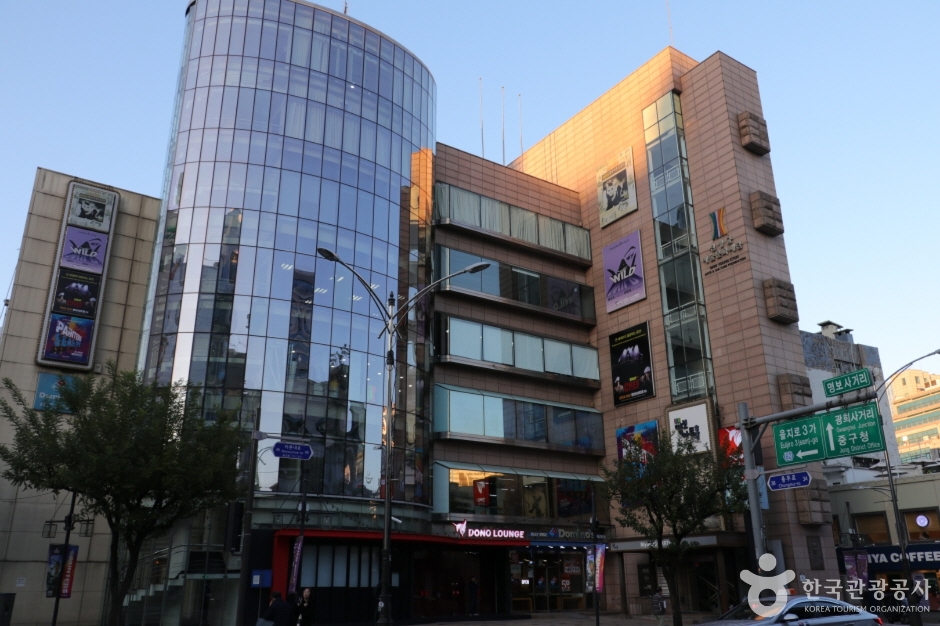
MyungBo Art Hall (명보아트홀)
2.5Km 2025-04-14
Mareunnae-ro 47, Jung-gu, Seúl
MyungBo Art Hall es un complejo cultural y teatro en el centro de Seúl y cuenta con equipos de iluminación y audio de última generación para ofrecer actuaciones de la más alta calidad. Tras una remodelación, fue reabierto en el año 2009. Este fue originalmente el lugar de nacimiento del almirante Yi Sun-shin y tiene una placa conmemorativa.
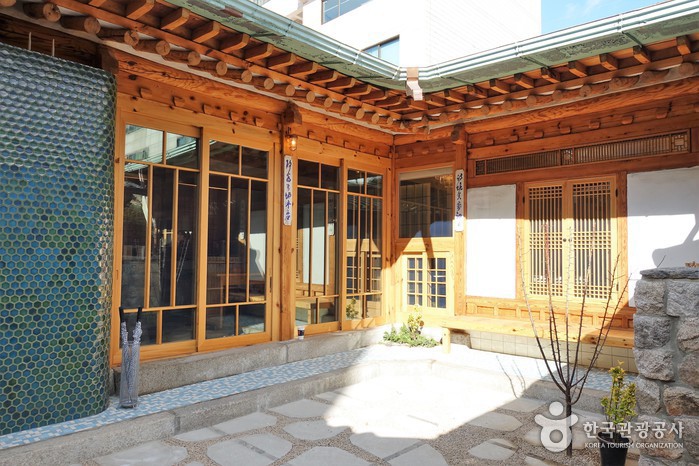
Hyehwa1938 / 혜화1938
2.6Km 2025-08-12
7, Sungkyunkwan-ro 16-gil, Jongno-gu, Seoul
Located in (no suggestions)-dong of Seoul, Hyehwa 1938 is a lodging facility which is based on the remodeling of an 80-year- old traditional Korean house. A traditional Korean house expert initially wanted to use it as an office but later decided to turn it into a guest house due to its large size. As a result, the unique beauty of traditional Korean house was revived while improving practicality. The Woojeong room and Sarang room are now resized to accommodate max 8 persons which used to be only max 4 in the past. Despite the remodeling, the aura and atmosphere of the traditional Korean house is well preserved. Inside the room, you can see that the chandelier of the rich house in the '30s are accompanied by modern furniture and electronics which maintain unique harmony. Open the windows to see sansuyu and maehwa along with other various seasonal trees with beautiful colors and also the space such as edges and sewers are well arranged to avoid any discomforts with your eyesight. The heart of architecture offers only two rooms for guests, and you are all welcome to enjoy the true beauty of Korea.
Suyeonsanbang (수연산방)
2.6Km 2024-07-19
8, Seongbuk-ro 26-gil, Seongbuk-gu, Seoul
Suyeonsanbang, a traditional Korean tea house located in Seongbuk-dong, was originally the house where the late Korean author Lee Tae-Jun wrote many of his books. Now, his estate has opened Suyeonsanbang’s doors to the public in the form of a charming and peaceful tea house. Famous for its savory tea, beautiful nature, and rich history, Suyeonsanbang has been covered by a variety of foreign media outlets like NHK (Japan), BBC (UK), French TV channels, and numerous Japanese magazines. To take a break during the summer heat, visitors come to Suyeonsanbang to try their patbingsu (shaved ice with red beans), one of its summer specialties. So come relax and be inspired in this traditional Hanok tea house.
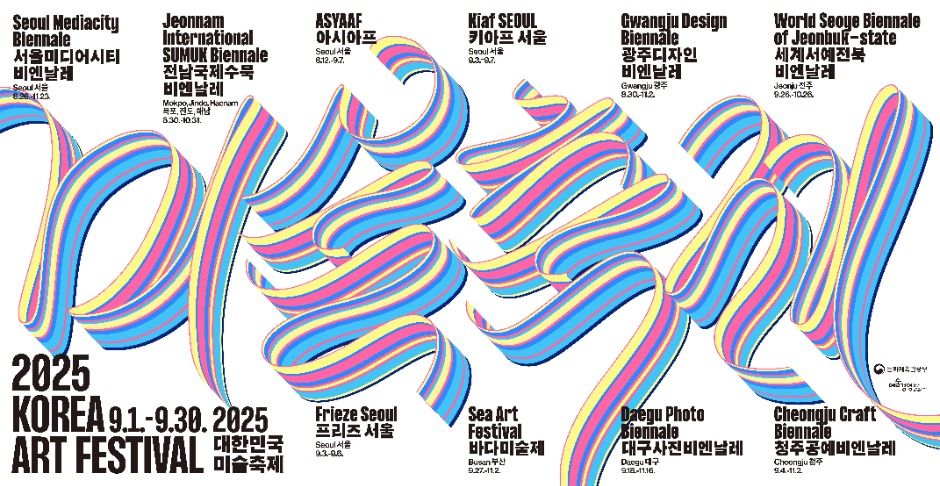
Festival de Arte de Corea (대한민국 미술축제)
2.6Km 2025-07-31
Daehak-ro 57, Jongno-gu, Seúl
070-7575-0980
El Festival de Arte de Corea es el festival de arte más grande del país y conecta las 12 principales ferias y bienales de arte que se celebran en todo el territorio nacional. La edición de 2025 se celebra durante todo el mes de septiembre e invita a los visitantes a disfrutar del mundo del arte.
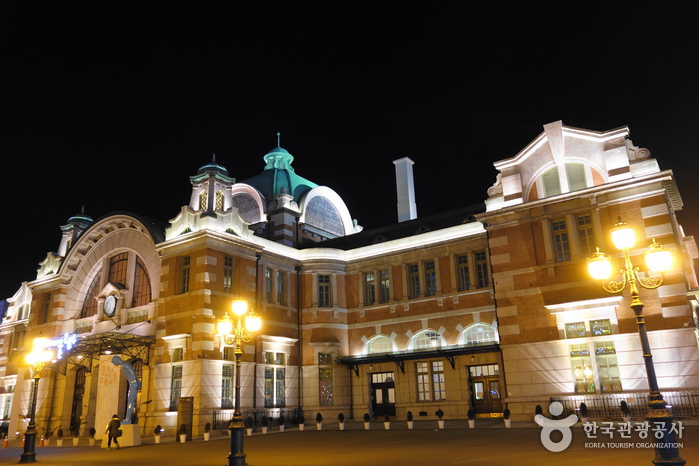
Estación Cultural de Seúl 284 (문화역 서울 284)
2.7Km 2023-08-11
Tongil-ro 1, Jung-gu, Seúl.
El edificio de la antigua Estación de Seúl fue diseñado por Tsukamoto Yasushi, un profesor de la Universidad de Tokio. La construcción de la estación empezó en junio de 1922 y fue completada en septiembre de 1925. Debido a su particular tejado, la estación recibió mucha atención en sus primeros años. Después de la liberación de Corea, la estación paso de llamarse Estación de Gyeongseong a Estación de Seúl. Durante la Guerra de Corea, la estación fue parcialmente destruida, pero reconstruida de nuevo más adelante. Después de que Corea iniciase su período de industrialización, la parte sur y la parte oeste de la estación se unieron para dar cabida al incremento del movimiento ferroviario.
En 2004, cuando se construyó la nueva estación, la antigua quedó cerrada, pero después de su reconstrucción en 2011 fue abierta como espacio multicultural con el nombre de Estación Cultural de Seúl 284. El área más grande, la sala Jungang, sirve para albergar actuaciones, exposiciones y eventos, mientras que el segundo piso tiene una sala como lugar para actuaciones culturales, exposiciones, seminarios académicos y reuniones de negocios, entre otros.
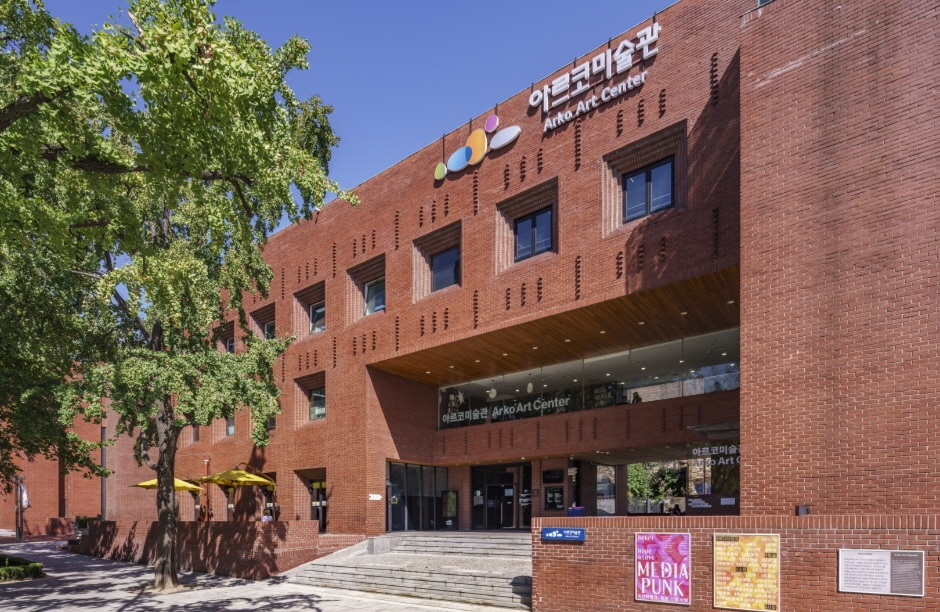
Centro de Arte ARKO (아르코미술관)
2.7Km 2025-09-15
Dongsung-gil 3, Jongno-gu, Seúl.
El Centro de Arte ARKO fue fundado en 1974 como Misulhoegwan en un edificio del antiguo Hospital Deoksu en Gwanhun-dong, Jongno-gu, Seúl, para ofrecer un espacio de exposiciones que resultaba muy necesario para artistas y grupos artísticos. En 1979, Misulhoegwan se mudó a su edificio actual, diseñado por el preeminente arquitecto coreano Kim Swoo-geun (1931-1986) y ubicado en el Parque Marronnier, el antiguo terreno de la Universidad Nacional de Seúl. Los dos edificios de ladrillo vecinos que albergan el Centro de Arte ARKO y el Teatro ARKO son los principales puntos de referencia del área de Daehangno.
A medida que más museos públicos y privados y galerías comerciales ingresaron a la escena artística en la década de 1990, Misulhoegwan pasó a curar y presentar sus propias exposiciones. Renombrado como Centro de Arte Marronnier en 2002, el Centro de Arte ARKO asumió un sistema de museo integral de arte y desempeñó un papel cada vez más destacado como organización de arte pública líder en cuanto al paradigma del arte contemporáneo. Cuando la Fundación para la Cultura y las Artes de Corea renació como Consejo de las Artes de Corea, el Centro de Arte Marronnier se convirtió en el Centro de Arte ARKO, con el nombre de la abreviatura de Consejo de las Artes de Corea en 2005.
El Centro de Arte ARKO se compromete a funcionar como una plataforma donde la investigación, la producción, las exposiciones y el intercambio de actividades creativas crezcan y se desarrollen en conexión entre sí, además de contar con una diversidad de programas que incluyen exposiciones temáticas que abordan la agenda social y programas públicos que promueven ampliamente diversos discursos en el mundo del arte.
 Español
 한국어
한국어 English
 日本語
日本語 中文(简体)
 Deutsch
 Français
 Русский


