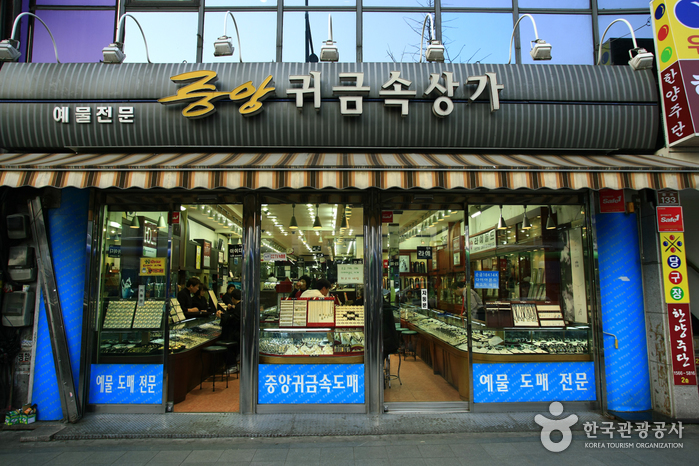
Centro Comercial de Joyas de Jongno 3-ga (종로3가 귀금속 전문상가)
1.2Km 2025-04-07
Jong-ro 3-ga, Jongno-gu, Seúl.
Desde la Estación de Jongno 3(sam)-ga de las líneas 1 y 3 del metro de Seúl se puede llegar a pie al edificio Danseongsa, donde se encuentra un centro comercial de joyas de gran tamaño. Considerado como el centro comercial de joyas más grande del país, consta centenares de tiendas que se dedican a la compra y venta de joyas y metales preciosos. Como la mayoría de los establecimientos son mayoristas, casi el 90% de los clientes son minoristas y distribuidores que llegan de todas partes del país. Aunque a los compradores minoristas no se les aplica el mismo descuento que a los comerciantes o distribuidores, de todos modos se pueden encontrar precios rebajados de más de un 30% en comparación a las tiendas del barrio. Entre las joyas y metales preciosos que se comercializan están el oro, el diamante, la esmeralda, el zafiro, etc. En todas las tiendas podrá encontrar anillos y collares, y también existen algunos que se dedican únicamente a las piedras preciosas, perlas u oro puro.
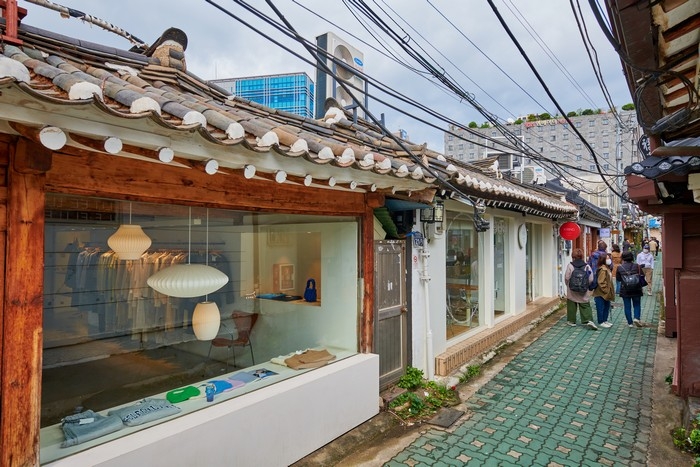
Calle de los Hanok de Ikseon-dong (익선동 한옥거리)
1.2Km 2025-05-26
Ikseon-dong, Jongno-gu, Seúl
La Calle de los Hanok de Ikseon-dong es la calle que conecta la salida 6 de la Estación de Jongno 3(sam)-ga con el hotel Ibis Ambassador Insadong. Esta calle, con edificios de estilo tradicional coreano hanok como ninguna otra en Seúl, se ha convertido en un sitio de visita obligada en los recorridos por la capital de Corea para visitantes nacionales e internacionales. Alberga muchos restaurantes, cafés y tiendas en edificios hanok renovados. En el pasado, este barrio estaba cerca de los palacios de la dinastía Joseon, por lo que era el hogar de dignatarios de alto rango, incluidos aristócratas prominentes. Debido a esto, hay muchas casas grandes con techos de tejas (giwajip), lo que le da a la calle un aspecto tradicional. Su designación como Distrito de Preservación Hanok en 2018 resultó en que muchas tiendas locales se mudaran al vecindario. Encontramos una maraña de callejones estrechos que en ocasiones pueden ser un desafío a la hora de circular, en especial cuando hay muchos visitantes, por lo que se recomienda prestar atención al recorrer los alrededores.
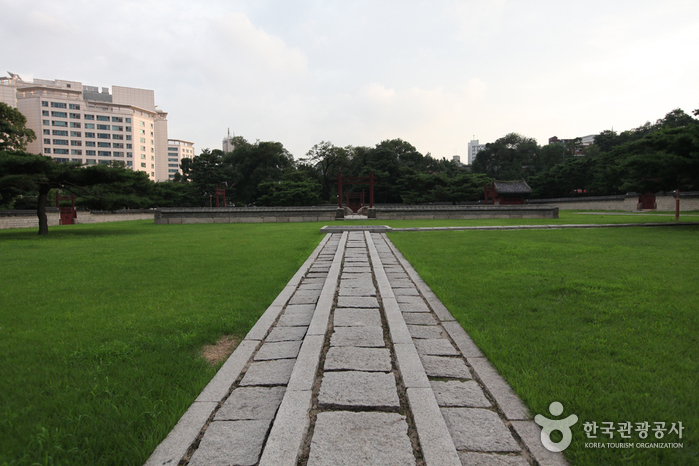
Parque Sajik de Seúl (사직공원(서울))
1.3Km 2025-08-08
Sajik-ro 89, Jongno-gu, Seúl
El parque Sajik es uno de los tres parques más famosos en Jongno-gu, junto con los parques Tapgol y Samcheong. Situado al oeste de Cheong Wa Dae, cerca del monte Inwangsan, el parque tiene unas impresionantes dimensiones de 188.710 m². El nombre del parque fue elegido en 1395, cuando Taejo Lee Sung-gye hizo su primer Sajikdan (altar a los dioses del Estado) junto con el santuario Jongmyo, en el centro del parque. "Sa" se refiere a la deidad de la Tierra, mientras que "jik" hace referencia a la deidad de los cinco granos. Varios rituales por buenas cosechas tuvieron lugar regularmente en el Sajikdan; sin embargo, el área no fue reconocida como un parque hasta 1922, durante el período de la ocupación japonesa. En el parque se encuentran muchos parques infantlies, estatuas de Shin Saimdang, Hwanghakjeong y Yi I (nombrado a menudo por su nombre de escritor, Yulgok), y la Biblioteca Municipal Infantil. El santuario Dangun y la Biblioteca de Jongno se encuentran por la zona. Siguiendo el camino cercano al parque Sajik durante 5 minutos, los visitantes pueden llegar a la ruta para excursionistas del monte Inwangsan con relativa facilidad.
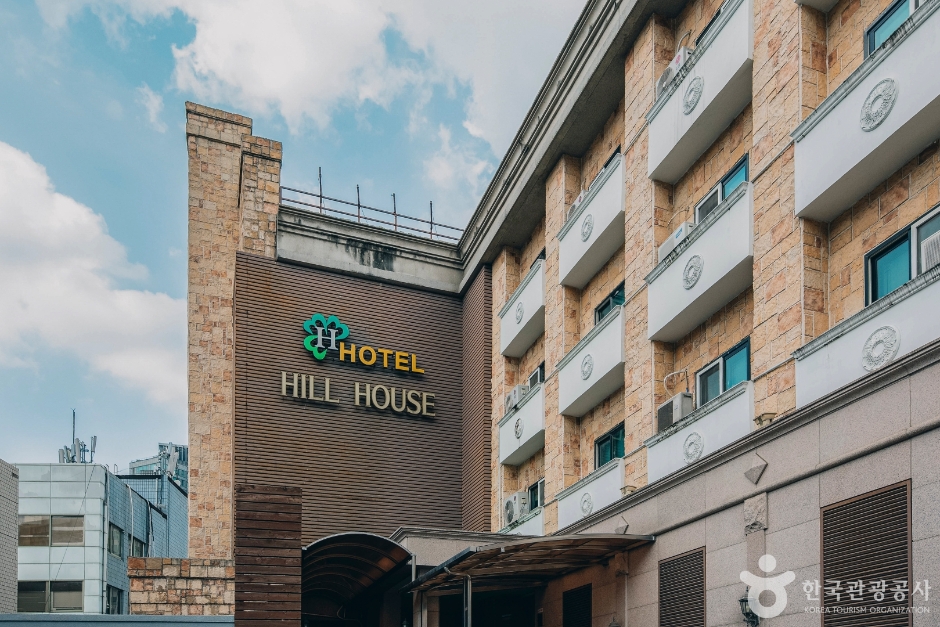
Hill House Hotel (힐하우스 호텔)
1.3Km 2025-10-23
42, Sogong-ro 3-gil, Jung-gu, Seoul
Hill House Hotel is a business hotel located at the foot of Mt. Namsan Park in Seoul. The hotel opened in 2006 with 40 rooms in all. There are various types of rooms including double room, twin room, deluxe twin room, and suite room. The hotel is earning raves for the neat and clean condition of its rooms. In particular, the hotel is ideal for travelers who prefer quiet accommodations since it is located in a residential area.
The room offers various amenities. Free Internet is available in all rooms, and a notebook PC is available for use at the communal space in the lobby. Complimentary breakfast of toast, coffee, cereal, etc. is offered. There is a communal microwave in the cafeteria, too. A baggage counter is also available for customers’ convenience.
The hotel offers easy access to public transportation, being located near Subway Hoehyeon Station, Seoul Station, and Myeongdong Station. You can visit Namsan Seoul Tower, Namdaemun Market, etc. on foot. Myeongdong is a mere 10-minute walk from Namdaemun Market. With large department stores and duty-free shops, Myeongdong is a hot place for foreign travelers. The hotel is also near Cheonggyecheon, so it is recommended to travelers who want to enjoy a tour of downtown Seoul.

Boan1942 (보안1942)
1.3Km 2023-12-21
Hyoja-ro 33, Jongno-gu, Seúl
Antes de convertirse en un espacio de arte en 2007, Tongui-dong Boan sirvió como lugar de descanso para los viajeros desde 1942 hasta 2005. Después de una breve pausa, el lugar se renovó como espacio cultural en 2017 para continuar con su legado histórico y brindar creatividad e inspiración bajo el concepto de "Boanstay".
Boan1942 se divide en un espacio cultural (que consta de una cafetería, un taller de proyectos, una librería y un área de exposiciones), y Boanstay (en los pisos 3 y 4, ofreciendo alojamiento temporal a los nómadas culturales). Ubicado en Seochon, el centro de la cultura, la historia y el tráfico de Seúl, Boanstay ofrece una espléndida vista de los patrimonios históricos y culturales de Seúl, como el palacio Gyeongbokgung, Cheong Wa Dae y la Aldea Tradicional Seochon.
* Cortesía de Boanstay.
Paseos en Calesa Artee (아띠인력거)
1.3Km 2022-09-15
Bukchon-ro 5-gil 43, Jongno-gu, Seúl.
Reconocidos como los barrios más tradicionales de Seúl, Samcheong-dong y la Aldea Tradicional de Bukchon se destacan por las diversas atracciones que ofrecen a los turistas. En cada callejón se esconde algo interesante para ver. Sacar fotos de recuerdo es una manera de llevarse parte del encanto de estos barrios. En este entorno se realiza un programa de paseos en calesa que ofrece la empresa Artee. Existen diferentes rutas para elegir, y lo más interesante es la conversación que puede darse con el conductor, que hace comentarios divertidos en inglés sobre los lugares recorridos.
Saewha Hostel (세화호스텔)
1.3Km 2025-07-23
50, Samil-daero 32ga-gil, Jongno-gu, Seoul
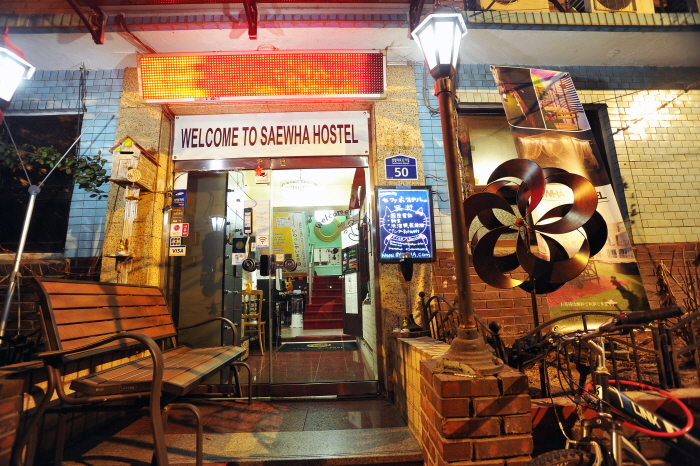
Located in Jongno, in the heart of Seoul, Saehwa Hostel offers a variety of guest rooms, including ondol rooms and bedrooms, for up to 3 people. There’s a bathtub in each room. Shared PCs, massage chairs, microwave ovens, washing machines and dryers are all available free of charge. A simple free breakfast is provided, plus a free international phone service and a foreign language guidance service. Seoul Station is 15 minutes away by subway, and the airport limousine bus stops at Jongno 3-ga station. Changdeokgung Palace, Jongmyo Shrine, and downtown shopping streets are all reachable on foot.
Teleférico del Monte Namsan (남산 케이블카)
1.3Km 2023-01-03
Sopa-ro 83, Jung-gu, Seúl.
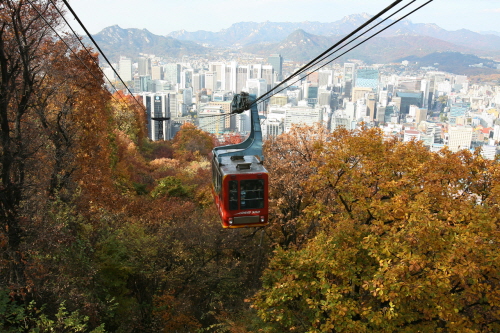
El Teleférico del Monte Namsan es una instalación turística emblemática de la ciudad de Seúl, y durante más de 40 años ha estado ofreciendo el servicio tanto a los turistas nacionales como a los extranjeros. Ubicado en el monte Namsan, en el centro de Seúl, en las alturas podrá apreciar todo el paisaje natural del área. En particular, desde el 6 de diciembre de 2008 también se encuentran en funcionamiento los nuevos teleféricos, que poseen mayor capacidad, abarcando a 10 personas más, lo que permite que en cada recorrido puedan disfrutar del paisaje 48 personas. La otra gran diferencia es que posee un nuevo diseño más abierto, es decir, al estar cubierto con amplios ventanales, los pasajeros pueden apreciar mejor el panorama. Normalmente, el teleférico es utilizado por 50.000 pasajeros al mes, por lo tanto, si desea disfrutarlo tranquilamente, se le recomienda que lo visite durante el horario matutino, y otro consejo más: visitándolo de noche, podrá apreciar una vista nocturna espléndida de toda Seúl.
Museo del Tteok (떡박물관)
1.3Km 2021-07-16
Donhwamun-ro 71, Jongno-gu, Seúl.
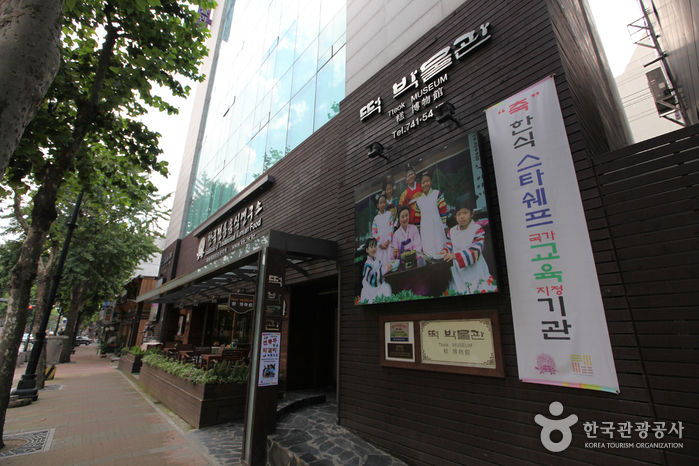
En este lugar se encuentran en exposición diferentes utensilios y artículos que se utilizan para preparar el tteok (pastelillos dulces de arroz de distintos sabores y formas); infusiones y licores tradicionales que son ideles para acompañarlos en cualquier ocasión. El tteok es un tipo de postre coreano que presenta miles de variedades y sabores. La receta de cada tipo de tteok es muy científica y sabe exactamente cómo respetar los ingredientes para obtener un resultado sublime en cuanto al sabor, propiedades nutricionales, textura y aroma.
The Sool Gallery (전통주갤러리)
1.3Km 2025-05-28
Bukchon-ro 18, Jongno-gu, Seúl
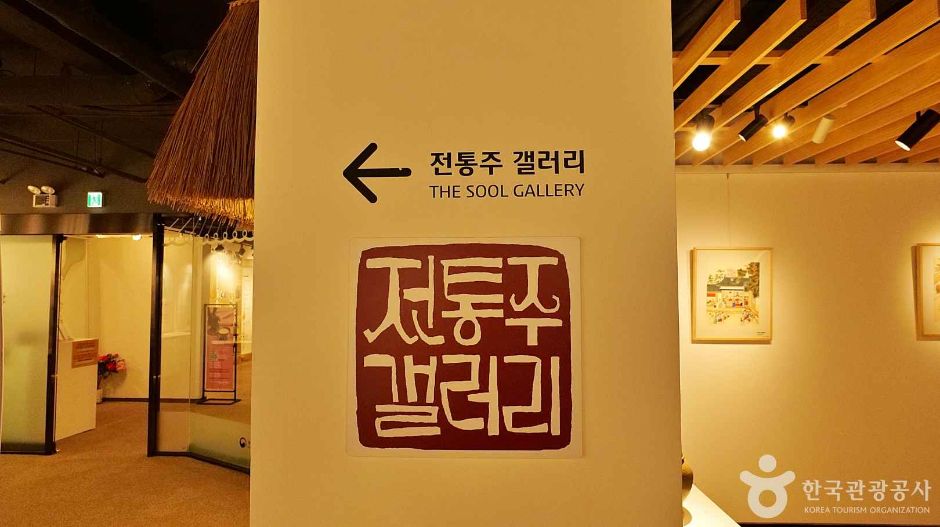
The Sool Gallery es un espacio de exposiciones y actividades dedicadas a los licores tradicionales coreanos, creado para promover el sabor, el estilo y los valores culturales de las bebidas alcohólicas típicas de Corea. El centro ofrece información diversa sobre licores tradicionales coreanos a consumidores y turistas internacionales que difícilmente pueden obtenerla en otros lugares. Además, lleva adelante cursos de formación sobre licores tradicionales y da asesoramiento a empresas de alimentación y expertos en ventas para impulsar la demanda de licores tradicionales y expandir el mercado. En ese sentido, expertos en el área, incluidos sommeliers de renombre, organizan eventos mensuales para presentar diversos licores tradicionales con diferentes temáticas, así como sesiones de catas.
 Español
 한국어
한국어 English
 日本語
日本語 中文(简体)
 Deutsch
 Français
 Русский


