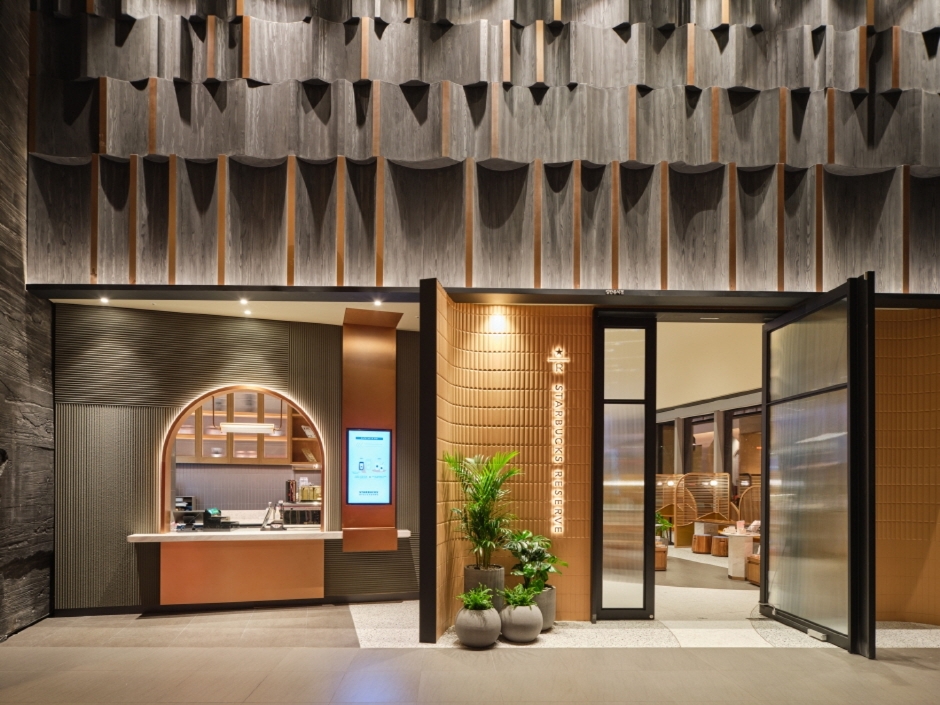
Starbucks - Byeoldabang (스타벅스 별다방)
956.9M 2024-12-27
Toegye-ro 100, Jung-gu, Seúl
Su nombre, Byeoldabang, toma las palabras byeol ("estrella", en coreano) y dabang (un tipo de antigua taberna coreana, donde se solían consumir bebidas y charlar) se ubica en pleno centro urbano de Seúl y se abrió para celebrar el vigesimosegundo aniversario de la fundación de Starbucks Korea. Aquí se venden café de tipo reserva y alimentos elaborados bajo conceptos novedosos. Uno de sus principales atractivos es su entorno digital y sus vídeos creativos difundidos en el interior del local que atraen a numerosos visitantes. Así, se puede apreciar El viaje de la sirena, donde se ve el derrotero de una sirena que lleva el mensaje del café por el mar, durante el día y la noche.
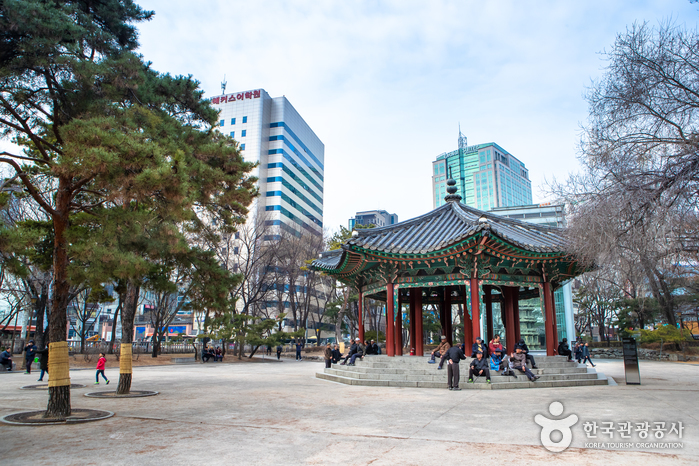
Parque Tapgol (탑골공원)
961.3M 2021-12-30
Jong-ro 99, Jongno-gu, Seúl
También conocido como Parque Pagoda, el Parque Tapgol, localizado al lado del templo Weongaksa de la era Joseon, es el primer parque moderno construido en Seúl. El remplo Weongaksa era conocido como templo Heungboksa durante la dinastía Goryeo, pero fue renombrado cuando fue ampliado durante los inicios de la era Joseon. Sin embargo, fue destruido durante el reinado de Yeonsangun y Jungjong debido a la fuerte política de represión hacia el budismo. Más adelante, un parque occidental fue contruido a propuesta del inglés John Mcleavy Brown, pero no hay información precisa sobre la razón y la fecha. El parque contiene varios tesoros nacionales, incluidas la placa que conmemora el movimiento independentista Wongaksaji y la estatua de Byeong-hee. El parque es de gran valor histórico y un espíritu nacional al ser el punto de inicio de la Protesta de Independencia del 1° de mayo de 1919.
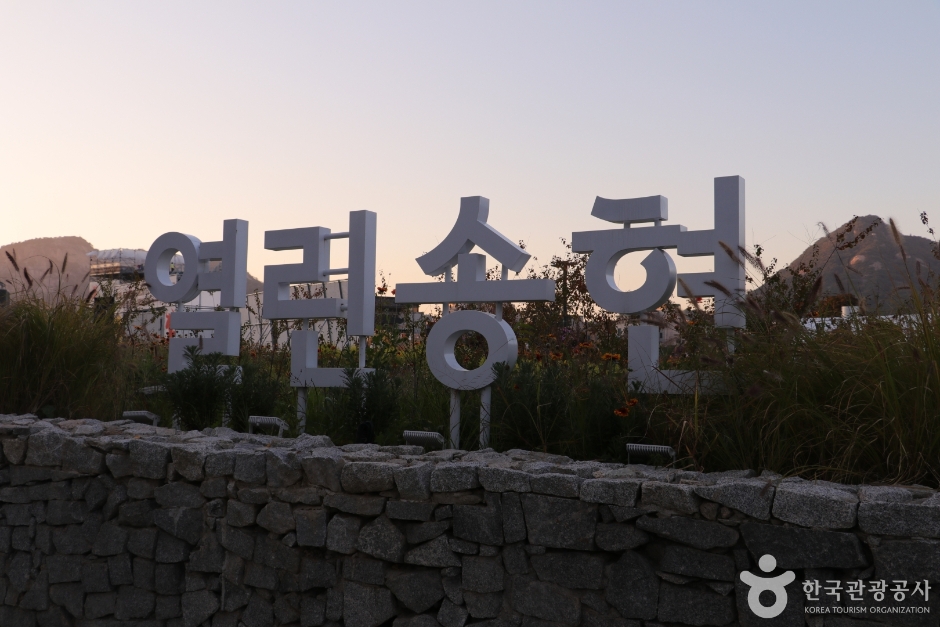
Parque Abierto Songhyeon (열린송현녹지광장)
1.0Km 2025-05-28
Songhyeon-dong 48-9, Jongno-gu, Seúl
El Parque Abierto Songhyeon es un espacio verde ubicado en el barrio de Songhyeon-dong, distrito de Jongno-gu, Seúl, muy cerca del Palacio Gyeongbokgung. Durante el período de ocupación japonesa (1910-1945), el sitio se utilizó como vivienda para el Banco Shokusan, y posteriormente como cuartel militar y de la embajada estadounidense, y fue devuelto al Gobierno coreano en 1997. Tras la devolución, quedó abandonado y rodeado por un alto muro; pero en 2022, la propiedad pasó a la Corporación Nacional de Vivienda de Corea y posteriormente al Gobierno Metropolitano de Seúl, abriéndose al público como el Parque Abierto Songhyeon. El espacio, destinado ahora para el descanso y la cultura, se puede ver desde la avenida Yulgok-ro, y está decorada con flores cosmos y zinnias. Dentro del parque hay un atajo que conecta el Palacio Gyeongbokgung y el barrio de Bukchon. No muy lejos se encuentran sitios turísticos destacados como Cheong Wa Dae, la Plaza Gwanghwamun, Insadong y el barrio de Bukchon.
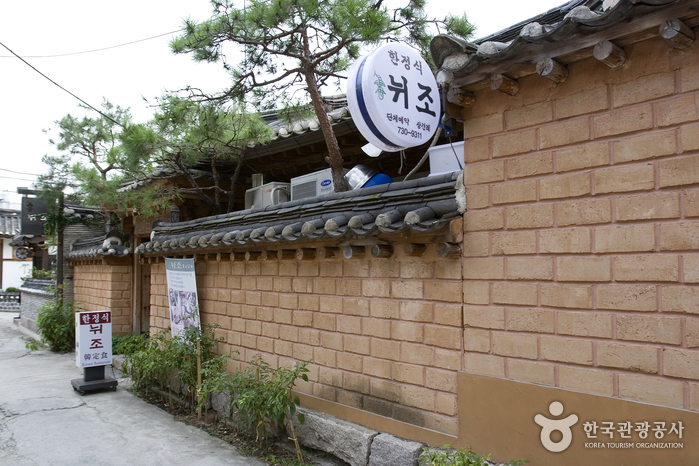
Nwijo (뉘조)
1.0Km 2024-11-28
27, Insadong 14-gil, Jongno-gu, Seoul
Nwijo (뉘조) is a Korean restaurant specializing in wild vegetable cuisine. The name ‘Nwijo’ means ‘the god of the silkworm,’ and likens wild vegetables to silkworms in that both can be eaten in their entirety. The restaurant serves original full-course Korean meals that are prepared using hundreds of kinds of wild vegetables, including special seasonal vegetables.
A typical full-course meal starts with delicious pumpkin porridge, followed by seasoned wild vegetables, root vegetable ssam (condiments wrapped in vegetable leaves), slices of boiled meat, and steamed lotus leaf-wrapped rice served with jjigae (Korean stew) and various side dishes. This kind of traditional feast is pleasing to both the eye and the palate and is topped off with sikhye (traditional sweet rice drink). Lunch specials are also available.
Sieunjae / 시은재
1.0Km 2025-08-13
439, Samil-daero, Jongno-gu, Seoul
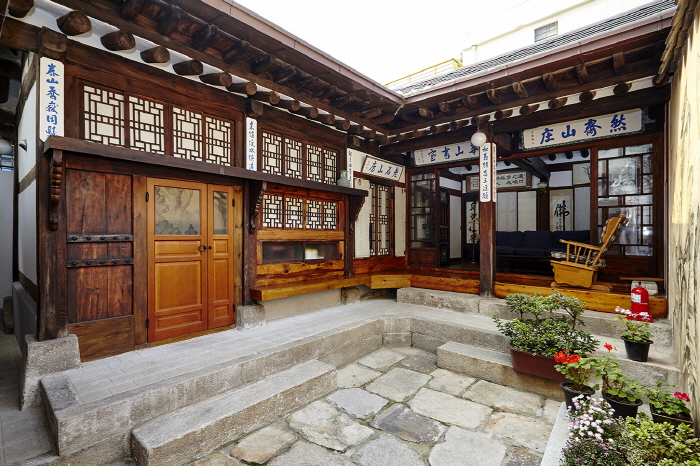
Located in Gyeongun-dong, Jongno-gu at the very heart of Seoul, Sieunjae is a hanok with a longstanding tradition. It has three guestrooms including the anbang (main room), byeolchae (detached building), and jakeunbang (small room). The anbang is the only room with a living room, where various items of old furniture, including a comfortable sofa, create an antique atmosphere. The communal bathroom and toilets are supplied with toiletries, while the communal kitchen is equipped with cooking equipment and a washing machine.
The house can be rented either as individual accommodations or in its entirety. As it is situated in Jongno-gu, at the very heart of Seoul, guests can easily reach many nearby major tourist attractions. Car users are advised to use the public parking lot as the house has no parking spaces. Entering by a small gate, the little flowerbed comes into sight. This old hanok shows traces of repair works on the tiled roof.
Seonggyeong Mandu Yori Jeonmunjeom - Jongno Branch (성경만두요리전문점 종로)
1.0Km 2025-05-27
88, Supyo-ro, Jongno-gu, Seoul
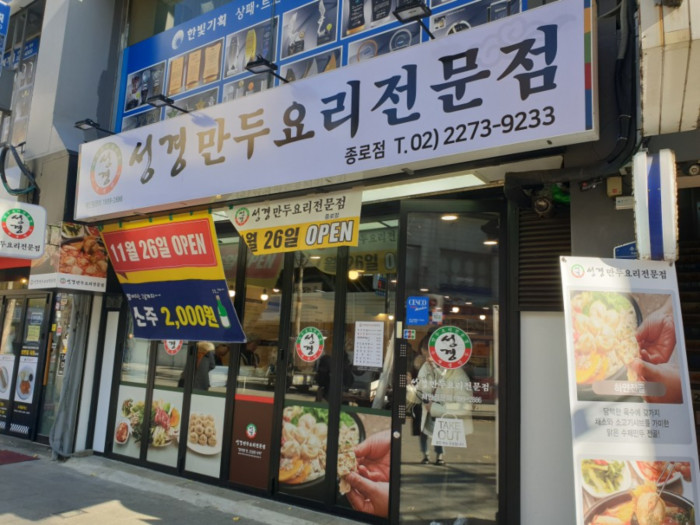
White jeongol (Korean-style hot pot) is soup cooked with dumplings and vegetables. The best menu at this restaurant is dumpling hot pot. This is a Korean cuisine located in Cheonggyecheon Stream, Seoul.
Ramada Hotel & Suites by Wyndham Seoul Namdaemun / 라마다 호텔앤스위트 서울남대문
1.0Km 2025-08-12
27, Chilpae-ro, Jung-gu, Seoul
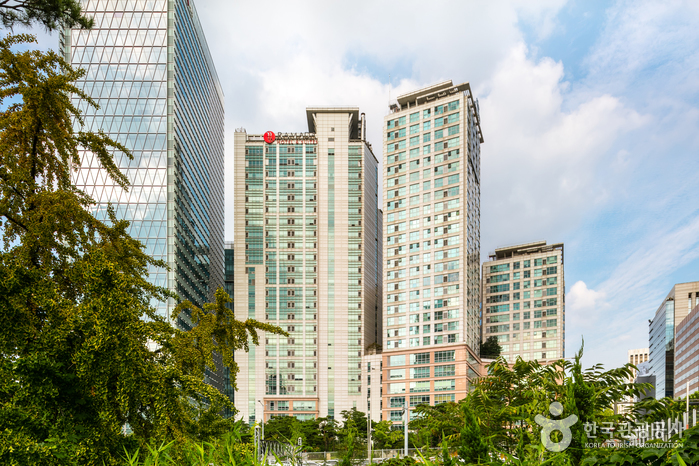
Ramada Hotel & Suites by Wyndham Seoul Namdaemun is located in Sunhwa-dong, Jung-gu, at the center of Korea’s capital. Its location gives guests excellent access to Seoul’s major tourist sights, and some major sights like Namdaemun Market, the City Hall, Myeongdong, Gwanghwamun Gate, and Deoksugung Palace are reachable on foot. Seoul Station and City Hall Station are located nearby for good access to public transportation. The hotel is often used by international visitors to Seoul.
There are 244 rooms in total, from Superior Double and Twin to Deluxe Double and Twin, Triple, Premier Twin, Quad, Junior Suite Double, Corner Suite, Atrium Suite Family, etc. Facilities include a restaurant, a conference room, a cafe, an underground arcade, and a currency exchange kiosk. The business center offers copying, printing, scanning, and fax services. Up to 2 dogs can be brought into the room, but dogs carry a surcharge for cleaning per day and dog.
Myeongdong Jjukkumi (명동쭈꾸미)
1.0Km 2025-10-23
3-28, Toegye-ro 6-gil, Jung-gu, Seoul
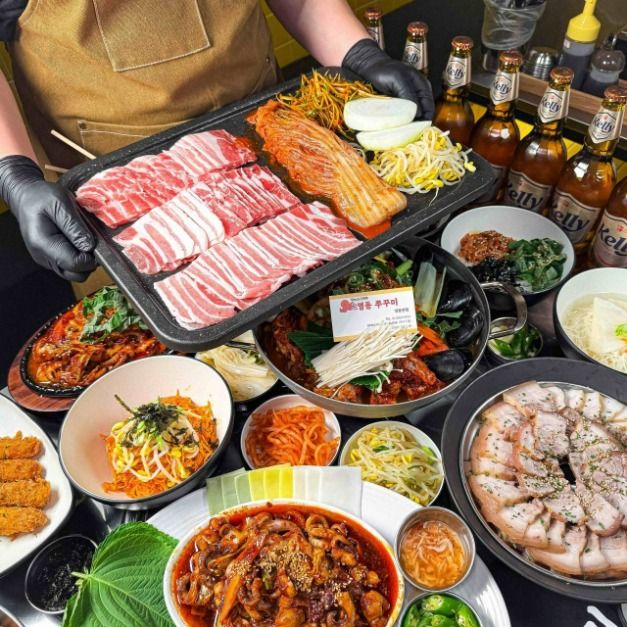
Myeondong Jjukkumi is a jjukkumi (ocellerated octopus) restaurant located in Jung-gu, Seoul. It only takes about a 1-minute walk from Hoehyeon Station (Seoul Subway Line 4), Exit 2, a convenient location for both tourists and people who work in the area. Main menu items consist of jjukkumi and samgyeopsal (grilled pork belly), pork galbi (rib meat), bossam (cabbage wraps with pork), among other set menus. All dishes are cooked in the kitchen, and are known for their spicy kick and savory taste. The restaurant can accommodate group guests as it has a spacious hall as well as outdoor tables. Customers dining at the restaurant can help themselves to more side dishes at the self-service side dish bar and enjoy a hearty meal at a reasonable price.
Bokidang (복이당)
1.0Km 2025-09-16
3-28, Toegye-ro 6-gil, Jung-gu, Seoul
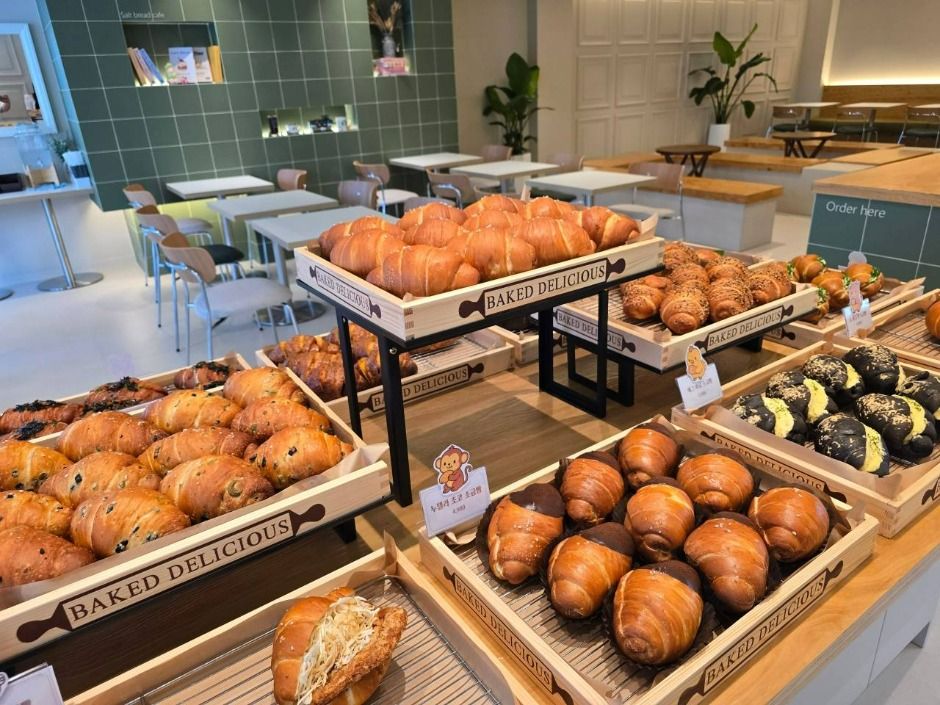
Bokidang is a handmade salt buns specialty bakery cafe located in Jung-gu, Seoul. It is conveniently located just a 30-second walk from Exit 2 of Hoehyeon Station, situated in an area with high foot traffic from office workers and tourists. Bokidang presents handmade salt bread and beverages made with carefully selected fresh ingredients, with the hope that "everyone who eats will be blessed." The signature menu features a lineup of salt breads inspired by the 12 zodiac animal characters, each embodying health, wishes, and small happiness in a single bite. The store has a clean and warm atmosphere with an indoor seating area and outdoor seating, accommodating group guests and offering takeout for added convenience.
Museo de Arte Kumho (금호미술관)
1.1Km 2023-02-22
Samcheong-ro 18, Jongno-gu, Seúl.
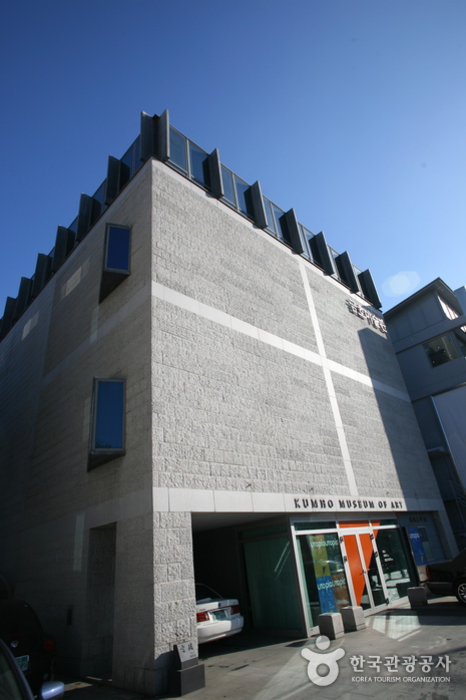
El Museo de Arte Kumho fue inaugurado el 10 de mayo de 1989, con el objetivo de proporcionar espacio para la exposición de obras de los nuevos artistas y de esta manera desarrollar, capacitar y beneficiar el sector de la cultura artística. Luego, en octubre de 1999, con la llegada de Park Gang-ja, la nueva titular del museo, se transformó en un complejo artístico y cultural.
 Español
 한국어
한국어 English
 日本語
日本語 中文(简体)
 Deutsch
 Français
 Русский


