
Dalgaebi (달개비)
2.4Km 2025-05-14
16, Sejong-daero 19-gil, Jung-gu, Seoul
Dalgaebi is a restaurant specializing in Korean table d'hote, using fresh seasonal ingredients. Its flagship menu is the teukseon sangcharim jeongsik (special set menu), which includes porridge, seasonal dishes, main courses, and desserts. The galbi sangcharim (galbi course), featuring premium Korean beef galbi grilled over charcoal and served with soybean paste jjigae, is also popular. Known for its private dining spaces and upscale ambiance, reservations can be made via phone.
Seokparang (석파랑)
2.4Km 2025-05-19
309, Jahamun-ro, Jongno-gu, Seoul
Seokparang is a place built by relocating the Sarangchae of Heungseon Daewongun, the father of King Gojong of the Joseon dynasty. It boasts beautiful late Joseon-style gardens and three traditional hanok buildings. Here, one can enjoy authentic Gungjung hanjeongsik (royal Korean table d'hote) for both lunch and dinner, featuring meticulously prepared dishes such as traditional porridge, chilled salads, steamed prawns, kimchi cabbage wraps with pork, soybean paste jjigae set menu, and desserts. Diners can also savor traditional liquors crafted by artisans from across the country.
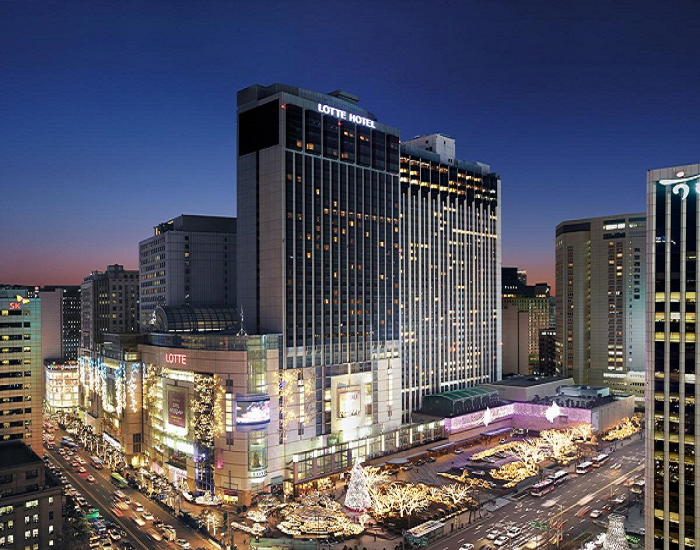
Lotte Hotel Seoul (롯데호텔서울)
2.4Km 2025-10-23
30, Eulji-ro, Jung-gu, Seoul
Lotte Hotel Seoul is a first class hotel located in the heart of Seoul, offering outstanding services to guests. The hotel is equipped with over 1,015 guestrooms, restaurants and bars, grand conference halls and banquet halls, a fitness club, business center, hotel museum, Lotte Duty Free, and a variety of other facilities to accommodate guests. In 2018, the executive tower was upgraded, adding more luxury to the hotel.
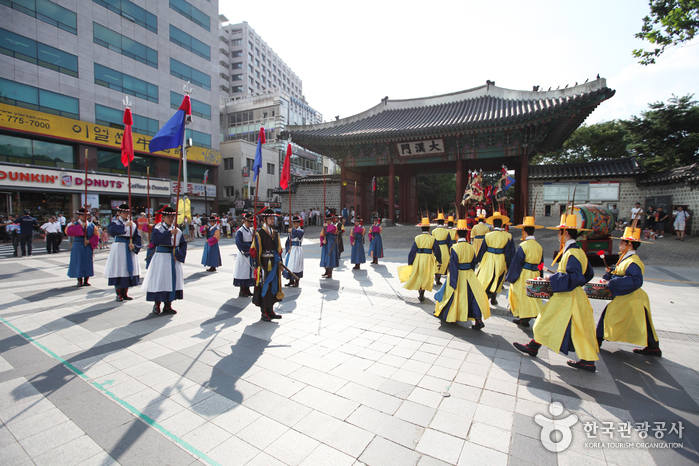
Puerta Daehanmun del Palacio Deoksugung (덕수궁 대한문)
2.4Km 2024-12-04
Sejong-daero 99, Jung-gu, Seúl
Tradicionalmente, la entrada principal al palacio Deoksugung, en Seúl, era la puerta Inhwamun. Con la construcción del pabellón más importante del palacio, llamado Junghwajeon, en 1902, también se levantaron dos puertas nuevas: Junghwamun y Jowonmun. Luego se levantó la puerta Daehanmun, al este de Jowonmun, para que funcionara como entrada principal, pero se la movió de sitio en 1904 para permitir la expansión de la avenida.
 Español
 한국어
한국어 English
 日本語
日本語 中文(简体)
 Deutsch
 Français
 Русский


