
Museo Kimchikan (뮤지엄 김치간)
1.2Km 2025-05-26
Insadong-gil 35-4, Jongno-gu, Seúl
Desde su fundación en 1986, el Museo Kimchikan ha expuesto las reliquias históricas relacionadas con el kimchi, los diversos tipos, maquetas de los procesos del preparado, e información sobre la eficacia derivada de su proceso de fermentación. Los visitantes aprenderán sobre el origen y la historia del kimchi a través de libros, pinturas y escrituras antiguas, y los diferentes tipos de vasijas almacenadoras de kimchi junto con los utensilios tradicionales de cocina que se utilizaban para prepararlo. También se exponen diferentes tipos de kimchi característicos en cada región de Corea y espacios para actividades.
Calle de los Hanok de Ikseon-dong (익선동 한옥거리)
1.2Km 2025-05-26
Ikseon-dong, Jongno-gu, Seúl
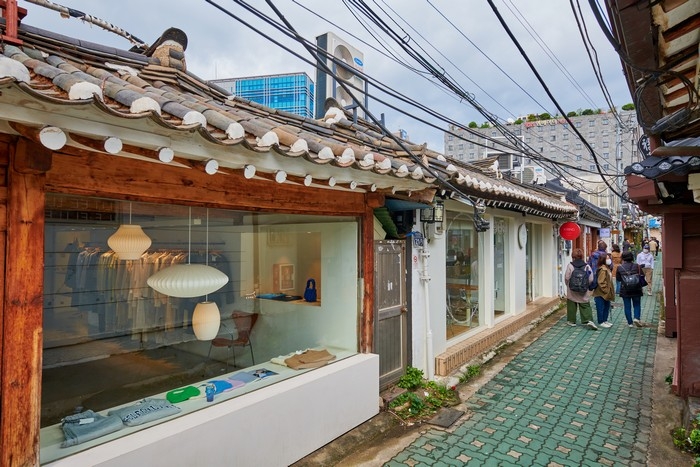
La Calle de los Hanok de Ikseon-dong es la calle que conecta la salida 6 de la Estación de Jongno 3(sam)-ga con el hotel Ibis Ambassador Insadong. Esta calle, con edificios de estilo tradicional coreano hanok como ninguna otra en Seúl, se ha convertido en un sitio de visita obligada en los recorridos por la capital de Corea para visitantes nacionales e internacionales. Alberga muchos restaurantes, cafés y tiendas en edificios hanok renovados. En el pasado, este barrio estaba cerca de los palacios de la dinastía Joseon, por lo que era el hogar de dignatarios de alto rango, incluidos aristócratas prominentes. Debido a esto, hay muchas casas grandes con techos de tejas (giwajip), lo que le da a la calle un aspecto tradicional. Su designación como Distrito de Preservación Hanok en 2018 resultó en que muchas tiendas locales se mudaran al vecindario. Encontramos una maraña de callejones estrechos que en ocasiones pueden ser un desafío a la hora de circular, en especial cuando hay muchos visitantes, por lo que se recomienda prestar atención al recorrer los alrededores.
Dongwha Duty Free (동화면세점)
1.2Km 2025-08-04
Sejong-daero 149, Jongno-gu, Seúl.
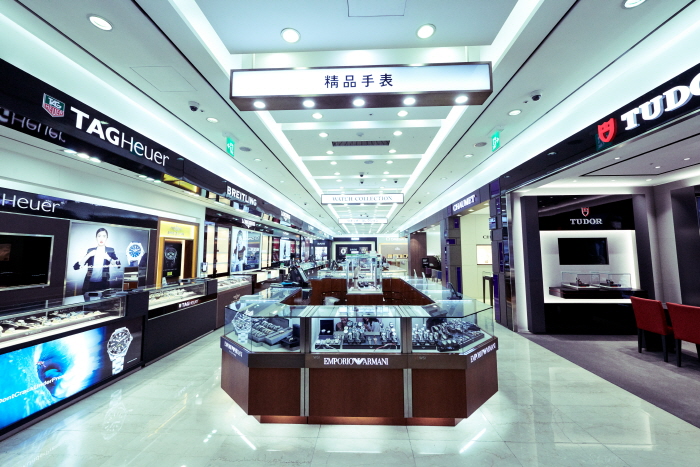
Dongwha Duty Free solo tiene en venta las mejores marcas del mercado. Puede encontrar las últimas marcas con más tendencia de perfumes, cosméticos, accesorios, entre otros. Aparte de marcas coreanas y extranjeras, puede también encontrar productos de especialidad coreana u objetos tradicionales de todo el mundo.
Museo de Arte de Seúl, sede central en Seosomun [SeMA] (서울시립미술관(서소문본관))
1.2Km 2025-05-13
Deoksugung-gil 61, Jung-gu, Seúl
El museo que une el palacio Deoksugung con el palacio Gyeonghuigung fue construido en la parte restante de la antigua Corte Suprema en el estilo de los años 1920. Los 6 espacios de exposición más importantes son el vestíbulo principal, la sala de esculturas y la sala especial que expone colecciones de arte moderno de Corea. En el vestíbulo Chon Kyung-Ja, situado en el segundo piso, los visitantes podrán contemplar 93 pinturas procedentes de donaciones. Principalmente retratos o pinturas de naturaleza muerta creadas de 1940 a 1990 por el artista Chon Kyung-Ja, considerada como la principal pintora femenina coreana. La sala de arte experimental puede acoger alrededor de 200 visitantes y tiene una multifuncionalidad ya se trate de proyecciones cinematográficas, música, conciertos, teatro, etc. El museo tiene una tienda de arte y una cafetería. Después de la visita del museo, tómese el tiempo de pasear y apreciar el lugar, dé una vuelta por la tienda de arte.
Centro de Información de Estancias en Templos (템플스테이 홍보관)
1.2Km 2022-09-28
Ujeongguk-ro 56, Jongno-gu, Seúl
El centro es un complejo cultural de cinco plantas donde se encuentran la mayoría de oficinas responsables de las estancias en templos, centros de información, centros educativos, un restaurante de comida budista tradicional llamado Balwoo Gongyang, entre otros.
Geoan (거안)
1.2Km 2025-10-23
Insadong-gil 44, Jongno-gu, Seúl
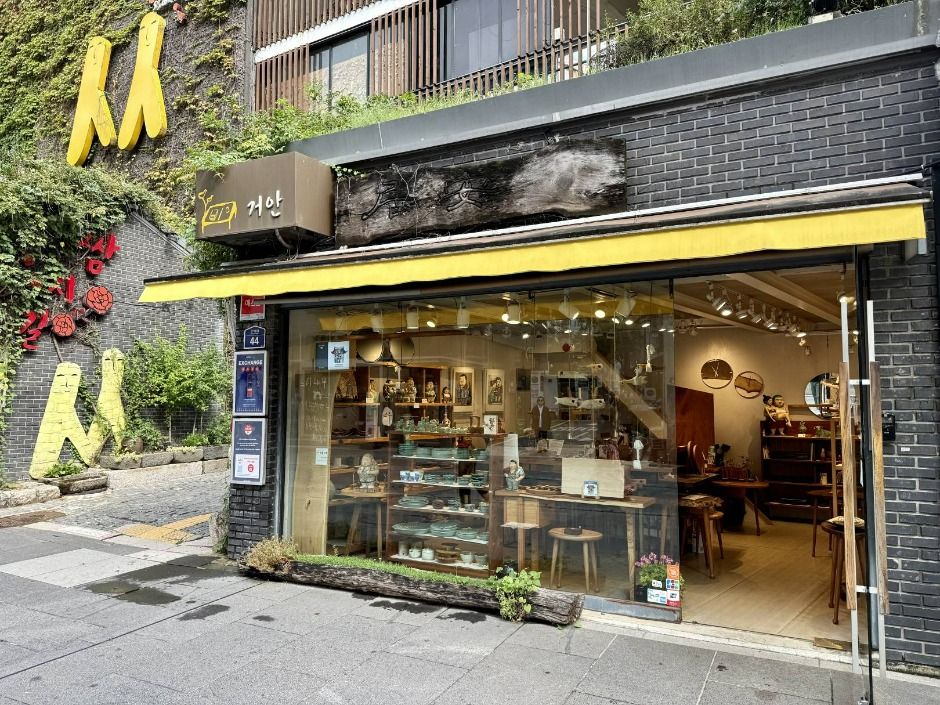
Inaugurado en el barrio de Insa-dong, Seúl, en 1981, Geoan es un taller que crea muebles y accesorios de madera utilizando la mejor madera maciza y técnicas exquisitas. Los productos expuestos se pueden comprar en el momento, y es posible personalizarlos especificando el material y el tamaño. Además de la producción de muebles, la tienda también expone y vende una variedad de obras de arte, como porcelana celadón, laca de nácar y esculturas. Es conocido como un elegante espacio artístico donde se fusionan la tradición y la modernidad. Geoan continúa transmitiendo el valor de la ebanistería coreana y los visitantes pueden experimentar la belleza atemporal de la madera y la cálida sensibilidad que nace del trabajo artesanal.
Ssamzigil (쌈지길)
1.2Km 2025-05-26
Insadong-gil 44, Jongno-gu, Seúl
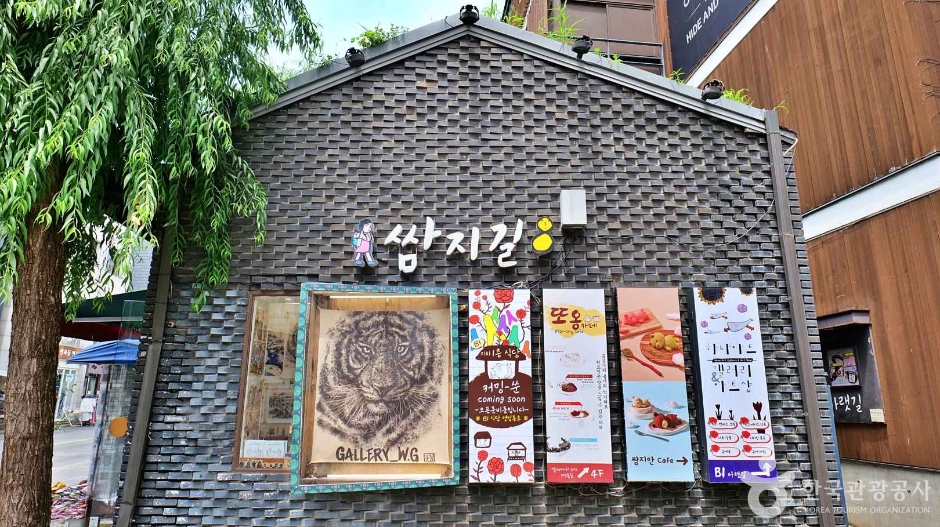
En las animadas calles de Insa-dong se fundó un área de 500 m de largo el 18 de diciembre de 2004. Este edificio tan particular fue construido conectando las encantadoras calles con escaleras en forma de espiral. Al ir haciendo compras por las divertidas y encantadoras tiendas hasta el último piso, llegará a Haneulmadang, donde podrá tener una buena vista del cielo. Ssamzigil cubre una superficie de aproximdamente 4.000 m² con más de 70 tiendas de artesanías, galerías de arte, restaurantes y tiendas de recuerdos.
Templo Jogyesa en Seúl (조계사(서울))
1.3Km 2024-05-17
Ujeongguk-ro 55, Jongno-gu, Seúl
El templo Jogyesa es el núcleo del budismo zen en Corea, en él se encuentran la oficina principal de administración del budismo coreano y la sala en donde se realiza la asamblea general, entre otras instalaciones. Fue construido hacia finales del siglo XIV (época de Goryeo) en el interior del actual parque Susong, pero fue destruido (en un período indeterminado) debido a un incendio, y fue reconstruido en el año 1910. A lo largo de su historia ha tomado varios nombres, hasta que recibió la denominación de Jogyesa en el año 1954. El nombre deriva del monte Jogyesan, el cual fue el lugar en donde meditó el monje Hyeneungdaesa. Fue uno de los monjes más respetados, por lo cual sus enseñanzas y su vida han sido objeto de estudio a lo largo de la historia. En el altar del templo Jogyesa, al ser el lugar más sagrado y honrado del budismo en Corea, se llevan a cabo eventos, ceremonias y ritos durante todo el año. El edificio próximo al altar principal es la oficina general de administración del budismo coreano, es decir, es un organismo que ejerce las actividades de control y ejecución, por lo que también se efectúan gran cantidad de eventos budistas. Dentro del edificio se establecen las salas de exposiciones y la imprenta, que edita e imprime semanarios budistas. En el patio principal del templo se sitúa la pagoda de piedra de 7 pisos, construida en el año 1930. En especial, dentro de la pagoda se encuentran enterradas las cenizas de Buda, que fueron traídas en el año 1914 por un monje esrilanqués. Hacia la izquierda se encuentra instalado el campanario, que posee un gran tambor, una campana e instrumentos tradicionales de madera que se utilizan en el templo. Al otro lado del campanario está el primer centro cultural académico, construido en el año 1991, en donde se realizan seminarios, actuaciones, ceremonias de boda, conciertos musicales y exposiciones, entre otros eventos culturales.
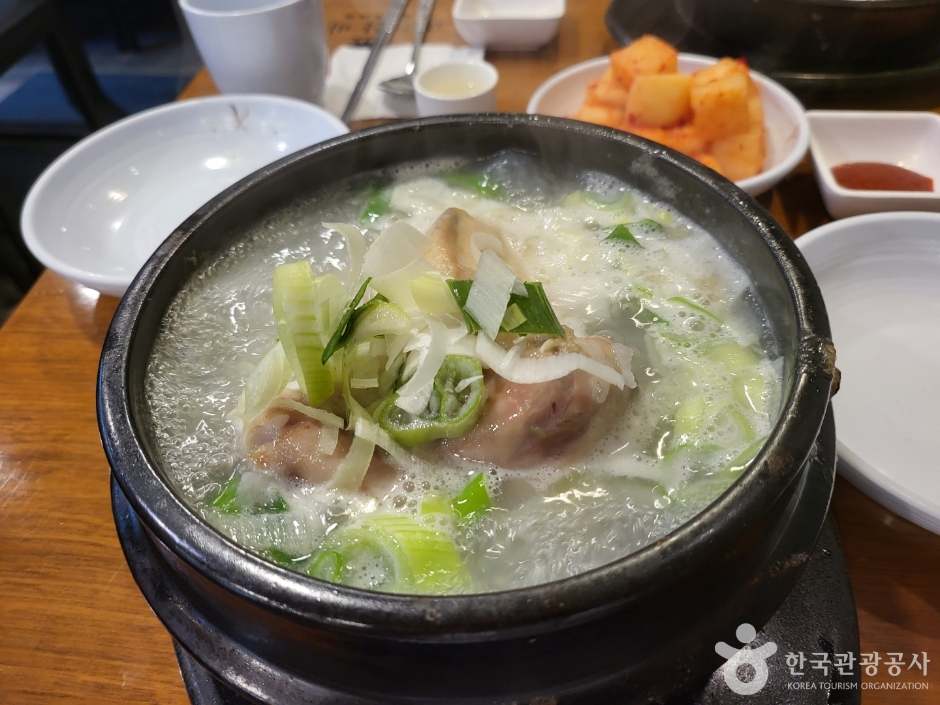
Korea Samgyetang (고려삼계탕)
1.3Km 2025-05-19
1, Seosomun-ro 11-gil, Jung-gu, Seoul
Korea Samgyetang serves up delicious samgyetang (ginseng chicken soup) made using only 4-year-old ginseng cultivated in Geumsan (a town famous for its ginseng) and chickens raised on local farms. Young chickens (no more than 49 days old) are butchered and delivered fresh daily, making for only the tenderest meat. The chicken is boiled with high-quality ginseng, dates, garlic, glutinous rice, and various medicinal herbs to make a flavorful and energizing soup.
![Santuario de la Realeza Jongmyo (종묘) [Patrimonio Cultural de la Humanidad de la Unesco]](http://tong.visitkorea.or.kr/cms/resource/41/2678541_image2_1.jpg)
Santuario de la Realeza Jongmyo (종묘) [Patrimonio Cultural de la Humanidad de la Unesco]
1.3Km 2023-08-28
Jong-ro 157, Jongno-gu, Seúl.
El Santuario de la Realeza Jongmyo era el lugar de adoración de los reyes de la dinastía Joseon. Fue construido cuando el primer rey de Joseon, Lee Seong-Gye (1335-1408) fundó la dinastía. El Santuario de la Realeza Jongmyo se encuentra registrado como Patrimonio Cultural de la Humanidad porque la tradición y las costumbres tales como los servicios de conmemoración y la música tradicional entre otros, se hallan muy bien preservados.
Frente a la entrada principal del Santuario el sendero se divide en tres. La senda del medio, levemente más elevada que los de los lados, era para el difunto rey; la senda del lado este, para el rey en el gobierno; y la del lado oeste, para el príncipe. El sendero central se conecta a Jeongjeon, y los senderos de los lados, a las habitaciones donde se preparaban para el servicio de conmemoración una vez que habían consumado la ablución. Después de la preparación adecuada del cuerpo y mente, el rey y el príncipe se trasladaban a Jeonsacheong. Jeonsacheong era el lugar donde se preparaba la comida para la ceremonia. Con un patio en el centro, el edificio de Jeonsacheong tenía la forma de un cuadrado. El edificio principal, Jeongjeon era donde se preservaban las lápidas mortuorias de los reyes anteriores y la sede de ejecución de las ceremonias de conmemoración. Solamente este lugar ha mantenido durante tan largo tiempo su tradición, pese a que la costumbre de celebrar la memoria de los monarcas exitosos se haya trasmitido originalmente desde China. Jeongjeon tiene 19 habitáculos y en cada uno se adora a los reyes de la Joseon. Dentro de una pared de Jeongjeon se halla el Gongsinjeong, donde se preservan los restos de los servidores más fieles al rey.
La música de los servicios conmemorativos del Santuario de la Realeza Jongmyo es el resultado armónico de los sonidos instrumentales, el canto, y las danzas que se han transmitido por 500 años. La melodía se logra en la misma forma que hace cinco siglos atrás. Entre las ceremonias completas, esta es la más antigua del mundo y tiene lugar cada primer domingo de mayo. Si está de viaje por Corea en esas fechas, puede ser una excelente oportunidad para observar la solemnidad y grandeza de una ceremonia tradicional tan antigua.
 Español
 한국어
한국어 English
 日本語
日本語 中文(简体)
 Deutsch
 Français
 Русский


