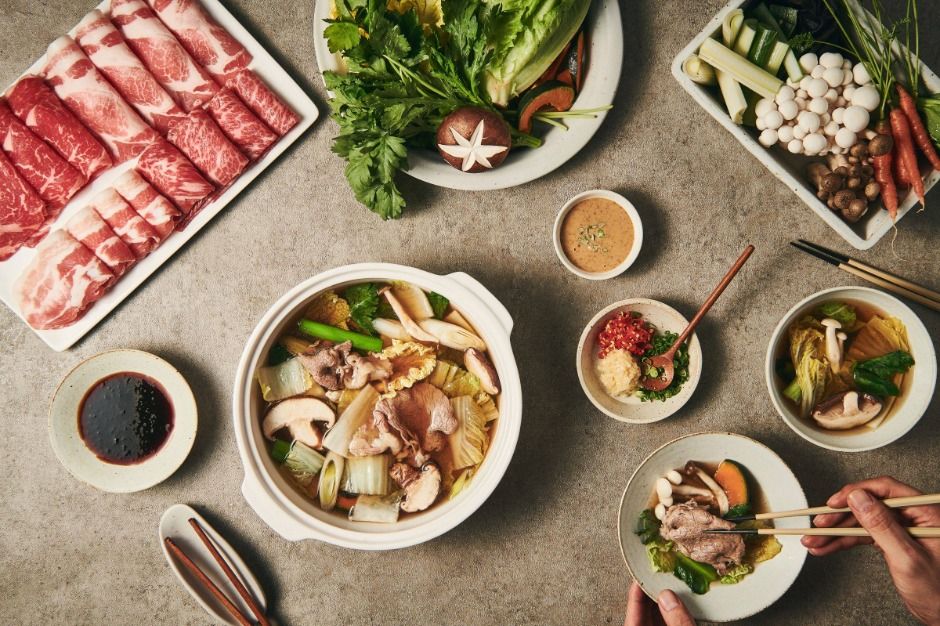
Modern Shabu House Gwanghwamun D Tower Branch (모던샤브하우스 광화문D타워점)
1.3Km 2025-12-03
17, Jong-ro 3-gil, Jongno-gu, Seoul
Located in Jongno-gu, Modern Shabu House Gwanghwamun D Tower Branch offers a selection of specialty broths to enjoy unlimited beef, pork, and vegetables. The restaurant serves four cuts of pork and beef in every course. The interior is designed with natural materials like earth, stone, and wood, inspired by the fluid process of cooking ingredients like meat and vegetables in a pot. The design reflects the natural movement and flow of ingredients as they cook together. The restaurant also has a range of private rooms, making it a popular choice for families with children and for gatherings, providing a comfortable dining experience.
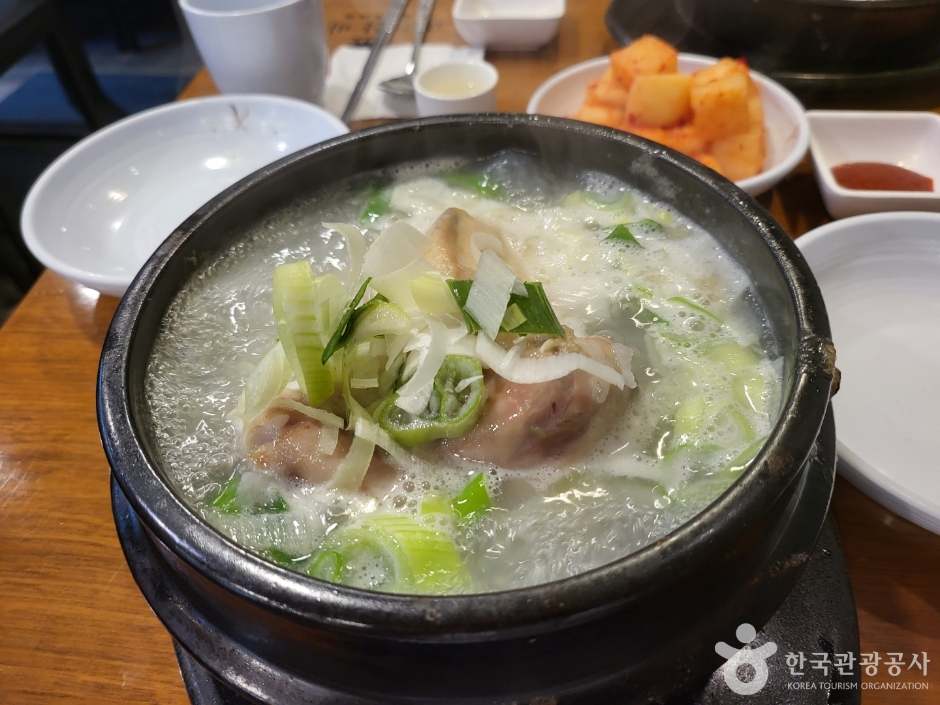
Korea Samgyetang (고려삼계탕)
1.4Km 2025-05-19
1, Seosomun-ro 11-gil, Jung-gu, Seoul
Korea Samgyetang serves up delicious samgyetang (ginseng chicken soup) made using only 4-year-old ginseng cultivated in Geumsan (a town famous for its ginseng) and chickens raised on local farms. Young chickens (no more than 49 days old) are butchered and delivered fresh daily, making for only the tenderest meat. The chicken is boiled with high-quality ginseng, dates, garlic, glutinous rice, and various medicinal herbs to make a flavorful and energizing soup.
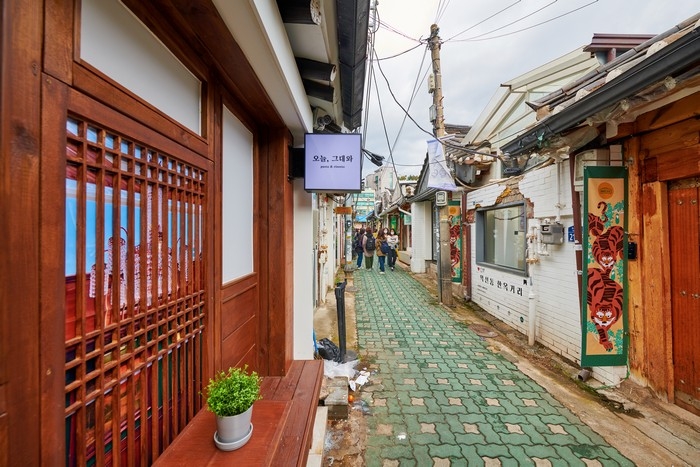
Calles de los Hanok de Ikseon-dong (익선동 한옥거리)
1.4Km 2025-05-26
Ikseon-dong, Jongno-gu, Seúl
La Calle de los Hanok de Ikseon-dong es la calle que conecta la salida 6 de la Estación de Jongno 3(sam)-ga con el hotel Ibis Ambassador Insadong. Esta calle, con edificios de estilo tradicional coreano hanok como ninguna otra en Seúl, se ha convertido en un sitio de visita obligada en los recorridos por la capital de Corea para visitantes nacionales e internacionales. Alberga muchos restaurantes, cafés y tiendas en edificios hanok renovados. En el pasado, este barrio estaba cerca de los palacios de la dinastía Joseon, por lo que era el hogar de dignatarios de alto rango, incluidos aristócratas prominentes. Debido a esto, hay muchas casas grandes con techos de tejas (giwajip), lo que le da a la calle un aspecto tradicional. Su designación como Distrito de Preservación Hanok en 2018 resultó en que muchas tiendas locales se mudaran al vecindario. Encontramos una maraña de callejones estrechos que en ocasiones pueden ser un desafío a la hora de circular, en especial cuando hay muchos visitantes, por lo que se recomienda prestar atención al recorrer los alrededores.

Insadong Chatjip (인사동찻집)
1.4Km 2025-06-24
33-1, Insadong-gil, Jongno-gu, Seoul
Insadong Chatjip is a hanok teahouse that serves home-made traditional tea. Even the red beans used in the summer delicacy patbingsu
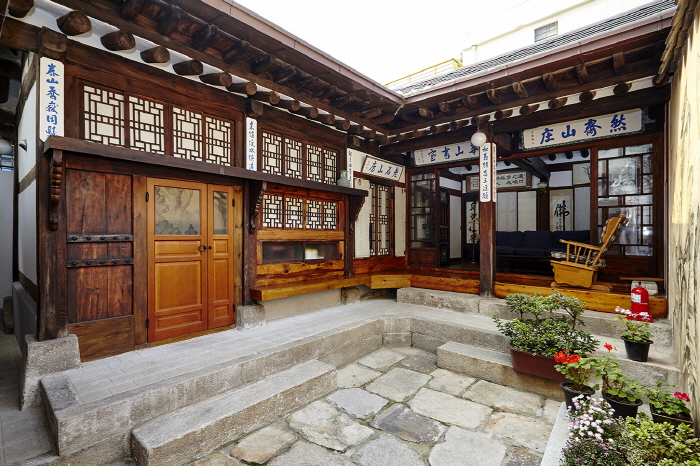
Sieunjae / 시은재
1.4Km 2025-08-13
439, Samil-daero, Jongno-gu, Seoul
Located in Gyeongun-dong, Jongno-gu at the very heart of Seoul, Sieunjae is a hanok with a longstanding tradition. It has three guestrooms including the anbang (main room), byeolchae (detached building), and jakeunbang (small room). The anbang is the only room with a living room, where various items of old furniture, including a comfortable sofa, create an antique atmosphere. The communal bathroom and toilets are supplied with toiletries, while the communal kitchen is equipped with cooking equipment and a washing machine.
The house can be rented either as individual accommodations or in its entirety. As it is situated in Jongno-gu, at the very heart of Seoul, guests can easily reach many nearby major tourist attractions. Car users are advised to use the public parking lot as the house has no parking spaces. Entering by a small gate, the little flowerbed comes into sight. This old hanok shows traces of repair works on the tiled roof.
Museo Kimchikan (뮤지엄 김치간)
1.4Km 2025-05-26
Insadong-gil 35-4, Jongno-gu, Seúl
Desde su fundación en 1986, el Museo Kimchikan ha expuesto las reliquias históricas relacionadas con el kimchi, los diversos tipos, maquetas de los procesos del preparado, e información sobre la eficacia derivada de su proceso de fermentación. Los visitantes aprenderán sobre el origen y la historia del kimchi a través de libros, pinturas y escrituras antiguas, y los diferentes tipos de vasijas almacenadoras de kimchi junto con los utensilios tradicionales de cocina que se utilizaban para prepararlo. También se exponen diferentes tipos de kimchi característicos en cada región de Corea y espacios para actividades.
Calle de los Hanok de Ikseon-dong (익선동 한옥거리)
1.4Km 2025-05-26
Ikseon-dong, Jongno-gu, Seúl
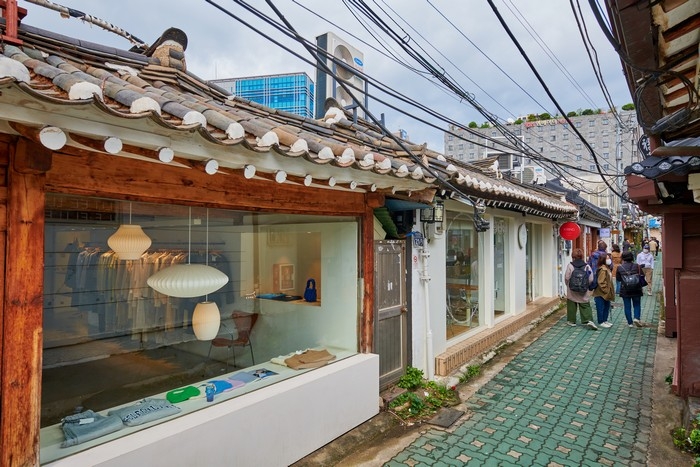
La Calle de los Hanok de Ikseon-dong es la calle que conecta la salida 6 de la Estación de Jongno 3(sam)-ga con el hotel Ibis Ambassador Insadong. Esta calle, con edificios de estilo tradicional coreano hanok como ninguna otra en Seúl, se ha convertido en un sitio de visita obligada en los recorridos por la capital de Corea para visitantes nacionales e internacionales. Alberga muchos restaurantes, cafés y tiendas en edificios hanok renovados. En el pasado, este barrio estaba cerca de los palacios de la dinastía Joseon, por lo que era el hogar de dignatarios de alto rango, incluidos aristócratas prominentes. Debido a esto, hay muchas casas grandes con techos de tejas (giwajip), lo que le da a la calle un aspecto tradicional. Su designación como Distrito de Preservación Hanok en 2018 resultó en que muchas tiendas locales se mudaran al vecindario. Encontramos una maraña de callejones estrechos que en ocasiones pueden ser un desafío a la hora de circular, en especial cuando hay muchos visitantes, por lo que se recomienda prestar atención al recorrer los alrededores.
Dongwha Duty Free (동화면세점)
1.4Km 2025-08-04
Sejong-daero 149, Jongno-gu, Seúl.
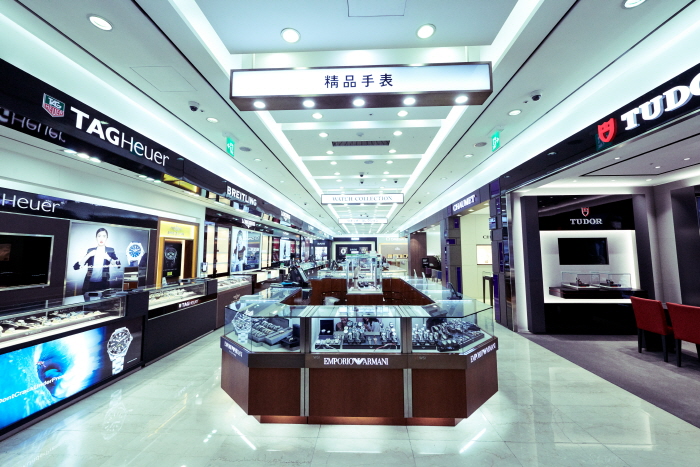
Dongwha Duty Free solo tiene en venta las mejores marcas del mercado. Puede encontrar las últimas marcas con más tendencia de perfumes, cosméticos, accesorios, entre otros. Aparte de marcas coreanas y extranjeras, puede también encontrar productos de especialidad coreana u objetos tradicionales de todo el mundo.
Museo Conmemorativo Appenzeller Noble (배재학당역사박물관)
1.4Km 2022-09-27
Seosomun-ro 11-gil 19, Jung-gu, Seúl
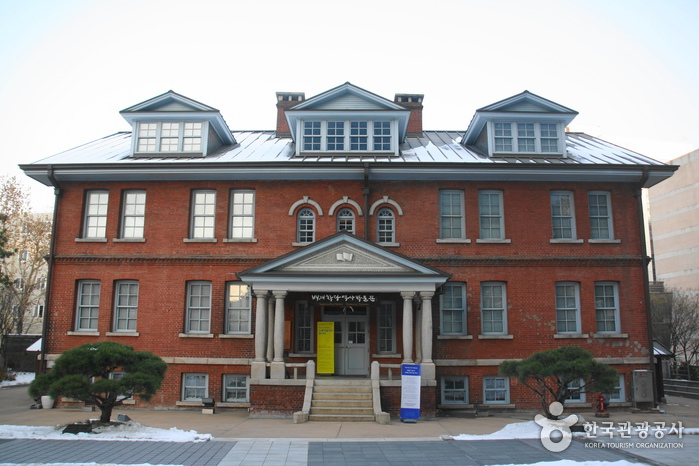
El Museo Conmemorativo Appenzeller Noble abrió en 2008 en el Instituto Pai Chai, una institución educacional de estilo occidental construida en 1916. El edificio del museo está designado como como Monumento de Seúl. Con exposiciones permanentes dispuestas dinámicamente, exposiciones especiales anuales y conferencias especiales, el museo ofrece una experiencia de aprendizaje única para los visitantes y personas que tengan interés en la historia de la educación en Corea.
Teatro Nacional de Corea (국립극장)
1.4Km 2021-07-08
Jangchungdan-ro 59, Jung-gu, Seúl
Fue construido en 1950, el primero de su tipo en toda Asia, para albergar espectáculos diversas compañías artísticas.
Sala Haeoreum
Es el escenario principal del teatro, en el cual se puede representar cualquier tipo de espectáculo artístico. Posee una dimensión amplia, con capacidad de recibir a 1.563 espectadores. En especial, el sistema de instalación audiovisual y de iluminación, es de la mejor calidad y tecnología. Además, de todos los cines teatrales del país, el espacio entre los asientos es el más amplio, por lo cual, los espectadores podrán disponer de un espacio más cómodo y tranquilo.
Sala Daloreum
El salón consta con la mejor instalación del escenario proscenio, con capacidad de 472 asientos. Es uno de los escenarios frecuentados por las obras de Pansori, funciones con narración, teatros de ópera, etc.
Sala Byeoloreum
Es una sala de espectáculos para 100 personas, el escenario es diseñado de acuerdo a los diferentes tipos de actuaciones. Simboliza la juventud del teatro, ya que se presentan obras de carácter independiente y liberal.
Teatro Juvenil Haneul KB
Siendo un escenario al aire libre, de forma circular, con capacidad para 600 personas, y posee todas las instalaciones tecnológicas de última generación. Es un espacio cultural para espectáculos de toda clase, actuaciones tradicionales, conciertos musicales, festivales estacionales, etc.
 Español
 한국어
한국어 English
 日本語
日本語 中文(简体)
 Deutsch
 Français
 Русский


