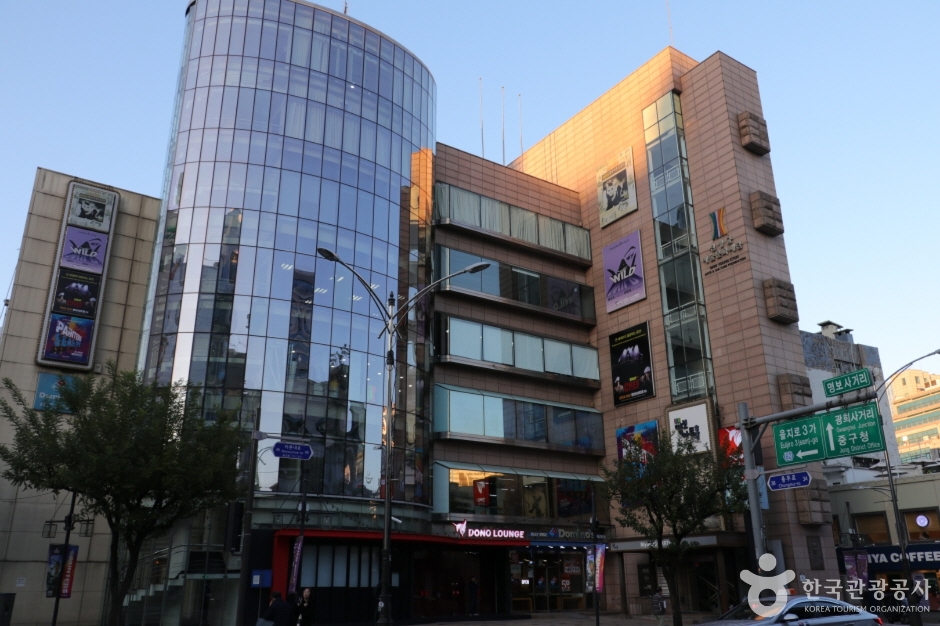
MyungBo Art Hall (명보아트홀)
830.5M 2025-04-14
Mareunnae-ro 47, Jung-gu, Seúl
MyungBo Art Hall es un complejo cultural y teatro en el centro de Seúl y cuenta con equipos de iluminación y audio de última generación para ofrecer actuaciones de la más alta calidad. Tras una remodelación, fue reabierto en el año 2009. Este fue originalmente el lugar de nacimiento del almirante Yi Sun-shin y tiene una placa conmemorativa.
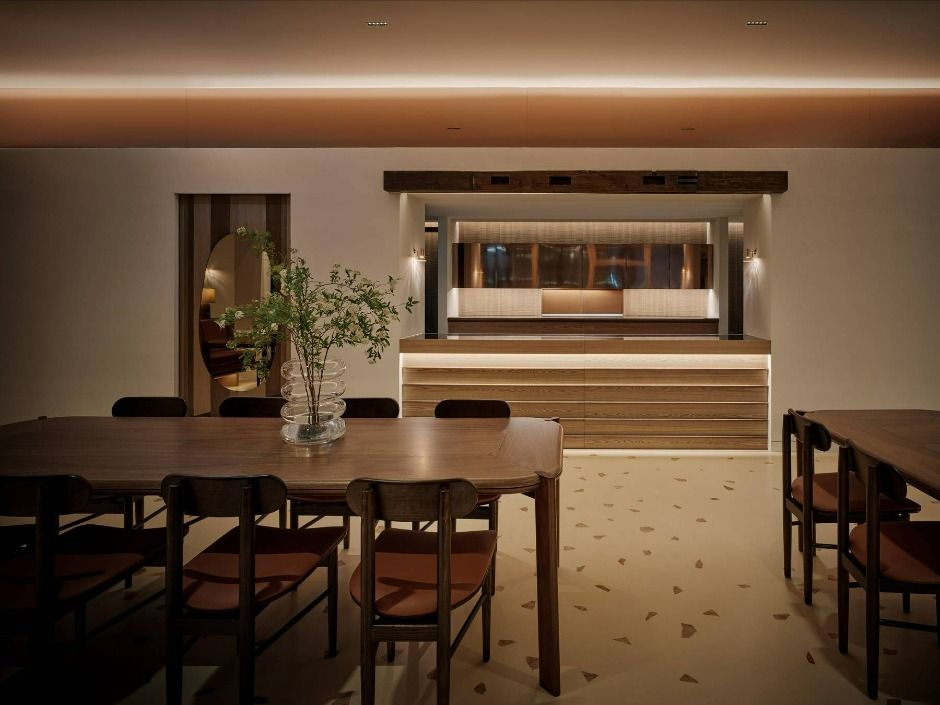
Mallijihwa Main Branch (만리지화 본점)
833.1M 2025-11-27
17, Jong-ro 3-gil, Jongno-gu, Seoul
Mallijihwa, which embodies the meaning "eel that travels 10,000 ri and met fire," is an eel dining brand that modernizes the depth of Korean gastronomy. The restaurant's name was inspired by the eel's remarkable strength to swim across vast oceans to its spawning grounds—so significant that it is referred to as "malli fish" in the "Donguibogam" ("A Precious Mirror of Eastern Medicine"). Hence the name, Mallijihwa specializes in serving grilled eel, which is carefully grill with briquettes. The restaurant reinterprets eel with Korean aesthetics, offering a comfortable and elegant dining experience in a space that blends traditional architectural elements with a modern twist. The dishes served here offers an outstanding dining experience where the texture of the eel melts in one's mouth, and its flavor lingers long after. Signature dishes include grilled eel rice bowls, grilled eel, eel gujeolpan (platter of nine delicacies), and eel meal courses. The restaurant also offers seasonal lunch box made with fresh, seasonal ingredients.
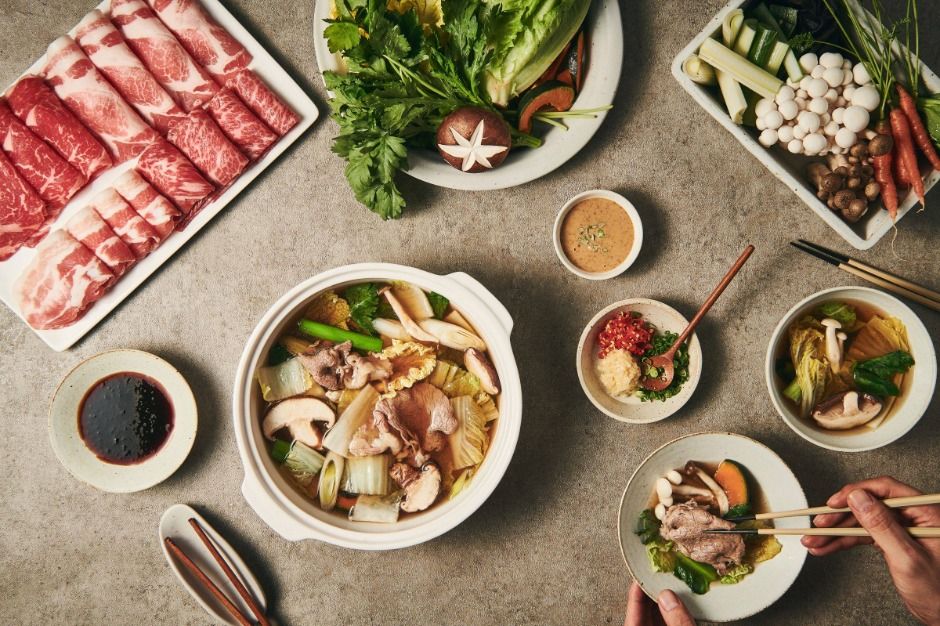
Modern Shabu House Gwanghwamun D Tower Branch (모던샤브하우스 광화문D타워점)
833.1M 2025-12-03
17, Jong-ro 3-gil, Jongno-gu, Seoul
Located in Jongno-gu, Modern Shabu House Gwanghwamun D Tower Branch offers a selection of specialty broths to enjoy unlimited beef, pork, and vegetables. The restaurant serves four cuts of pork and beef in every course. The interior is designed with natural materials like earth, stone, and wood, inspired by the fluid process of cooking ingredients like meat and vegetables in a pot. The design reflects the natural movement and flow of ingredients as they cook together. The restaurant also has a range of private rooms, making it a popular choice for families with children and for gatherings, providing a comfortable dining experience.
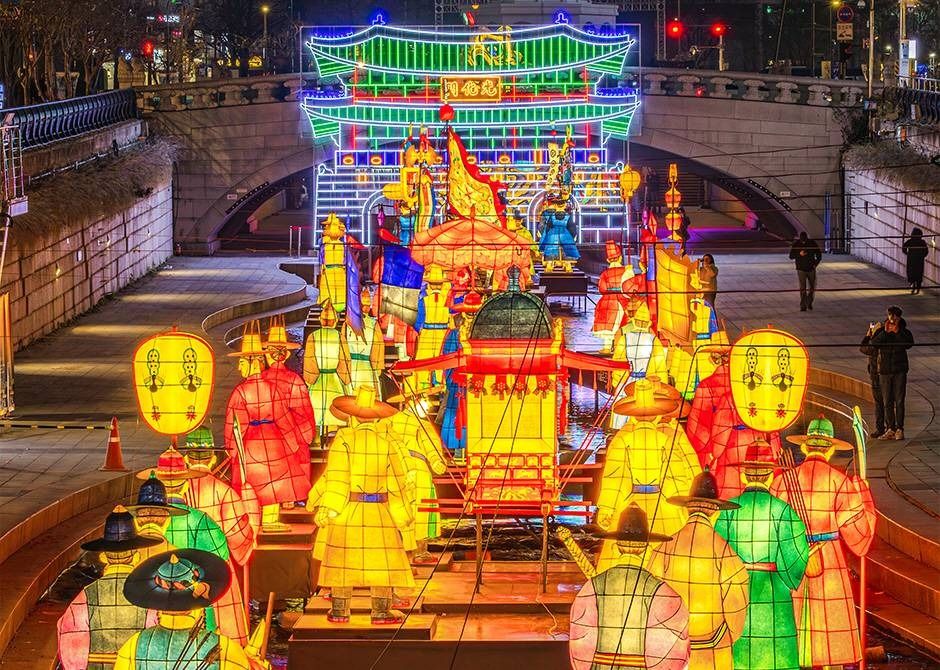
Festival de los Faroles de Seúl (서울빛초롱축제)
843.4M 2025-12-31
Taepyeong-ro 1-ga 1, Jung-gu, Seúl.
02-3788-8168
Es un festival internacional de faroles realizado desde el año 2009 en pleno centro de Seúl. Este año, en la edición 2025-2026, habrá unas estructuras iluminadas sobre dos arroyos de la ciudad: Cheonggyecheon y Uicheon.
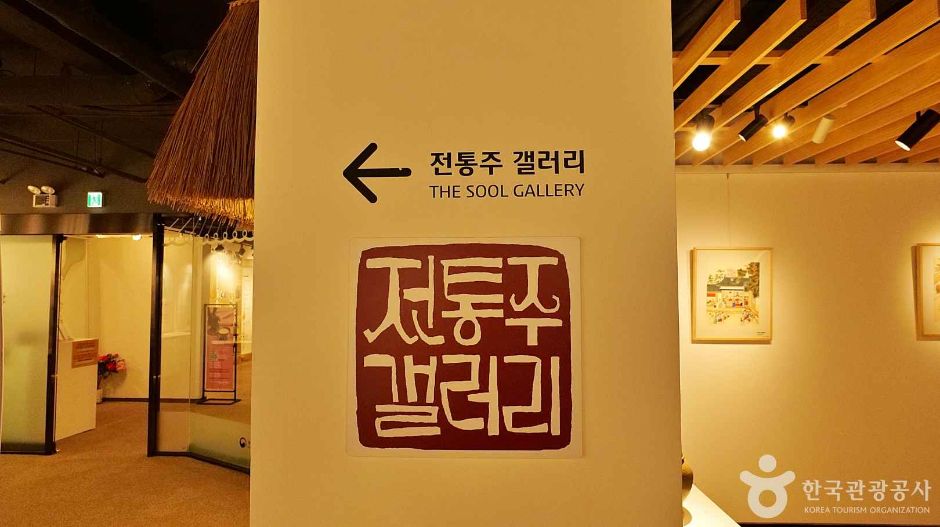
The Sool Gallery (전통주갤러리)
849.0M 2025-05-28
Bukchon-ro 18, Jongno-gu, Seúl
The Sool Gallery es un espacio de exposiciones y actividades dedicadas a los licores tradicionales coreanos, creado para promover el sabor, el estilo y los valores culturales de las bebidas alcohólicas típicas de Corea. El centro ofrece información diversa sobre licores tradicionales coreanos a consumidores y turistas internacionales que difícilmente pueden obtenerla en otros lugares. Además, lleva adelante cursos de formación sobre licores tradicionales y da asesoramiento a empresas de alimentación y expertos en ventas para impulsar la demanda de licores tradicionales y expandir el mercado. En ese sentido, expertos en el área, incluidos sommeliers de renombre, organizan eventos mensuales para presentar diversos licores tradicionales con diferentes temáticas, así como sesiones de catas.

Espacio del Hansik E:eum (한식문화공간 이음)
849.0M 2025-05-28
Bukchon-ro 18, Jongno-gu, Seúl
El Espacio del Hansik E:eum, gestionado por el Instituto de Promoción del Hansik, es un complejo cultural ubicado en el distrito de Jongno-gu, Seúl, dedicado a la comida coreana hansik. Cuenta con diversas instalaciones en las que se realizan exposiciones, cursos de formación y espectáculos, y también tiene una biblioteca, donde los visitantes pueden aprender más sobre los sabores y estilos de la cocina coreana.
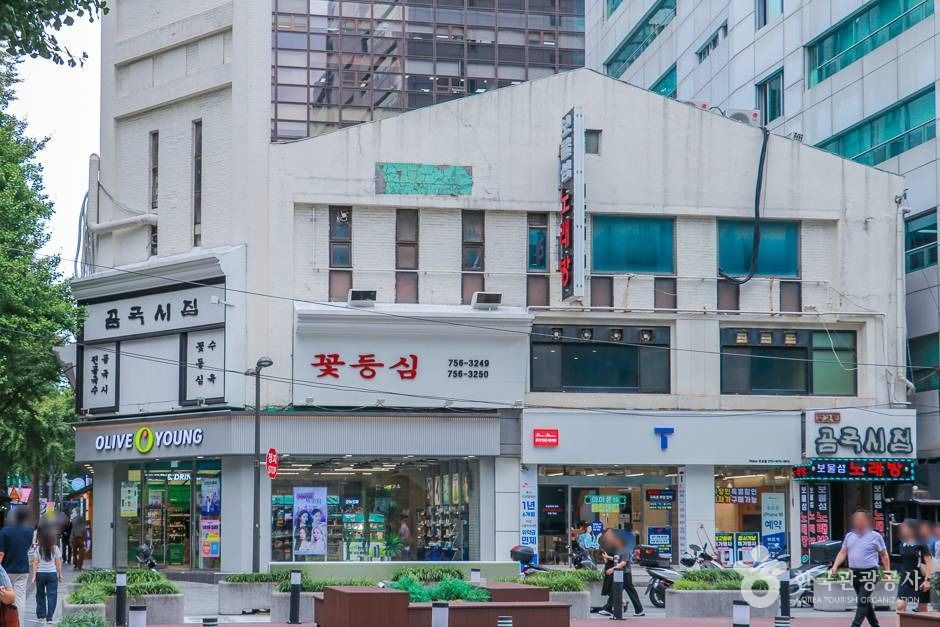
Gomguksijib (곰국시집)
852.0M 2025-05-15
24, Mugyo-ro, Jung-gu, Seoul
Gomguksi is a soup consisting of handmade noodles and beef slices in a thick and rich beef broth. Gomguksi became famous through word-of-mouth by tourists from the neighboring country of Japan. These days the restaurant is always crowded with people. Also, the side dishes that accompany Gomguksi are extremely delicious.
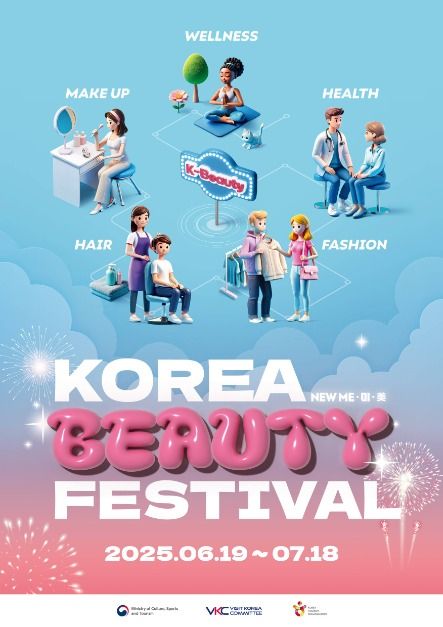
Korea Beauty Festival (코리아뷰티페스티벌)
854.5M 2025-05-22
Eulji-ro 281, Jung-gu, Seúl
070-7603-3809 070-4880-2472
El Korea Beauty Festival es un festival de K-Beauty, el modelo de belleza coreana, dirigido a visitantes internacionales, con la participación de muchas entidades de turismo y belleza. Los asistentes pueden obtener experiencias y descuentos en productos relacionados con el K-Beauty, que van desde peluquería y maquillaje hasta moda e incluso tratamientos médicos y de bienestar (wellness).
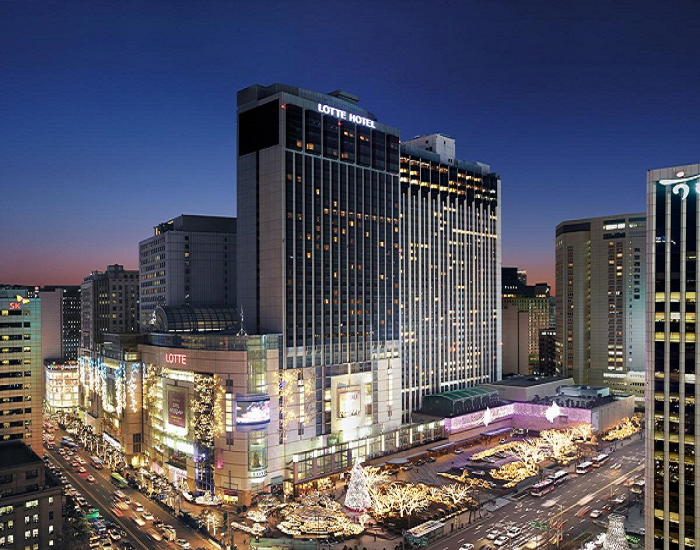
Lotte Hotel Seoul (롯데호텔서울)
857.2M 2025-10-23
30, Eulji-ro, Jung-gu, Seoul
Lotte Hotel Seoul is a first class hotel located in the heart of Seoul, offering outstanding services to guests. The hotel is equipped with over 1,015 guestrooms, restaurants and bars, grand conference halls and banquet halls, a fitness club, business center, hotel museum, Lotte Duty Free, and a variety of other facilities to accommodate guests. In 2018, the executive tower was upgraded, adding more luxury to the hotel.
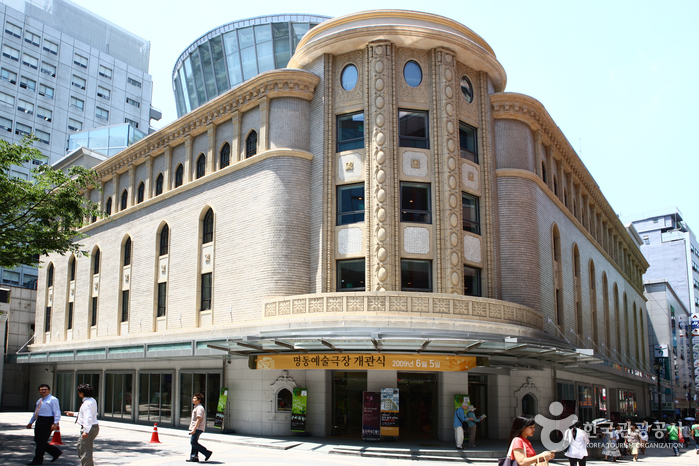
Teatro Myeongdong (명동예술극장)
869.3M 2021-12-28
Myeongdong-gil 35, Jung-gu, Seúl.
+82-1644-2003
Este lugar se inauguró, por primera vez, en el año 1934, con el nombre de “Teatro Nacional de Myeongdong”, y funcionó como cine, centro de espectáculos artísticos, etc., hasta el año 1973. Ejerció así un papel primordial en la industria cultural y artística de Corea. Sin embargo, cerró en 1975.
Recientemente, tras una remodelación, el teatro volvió a abrir sus puertas, destinado solo a obras teatrales. Su interior está diseñado de forma circular, y se ha disminuido la distancia del escenario a la platea. Se representarán: teatro tradicional, actuaciones experimentales, espectáculos no verbales y musicales.
 Español
 한국어
한국어 English
 日本語
日本語 中文(简体)
 Deutsch
 Français
 Русский


