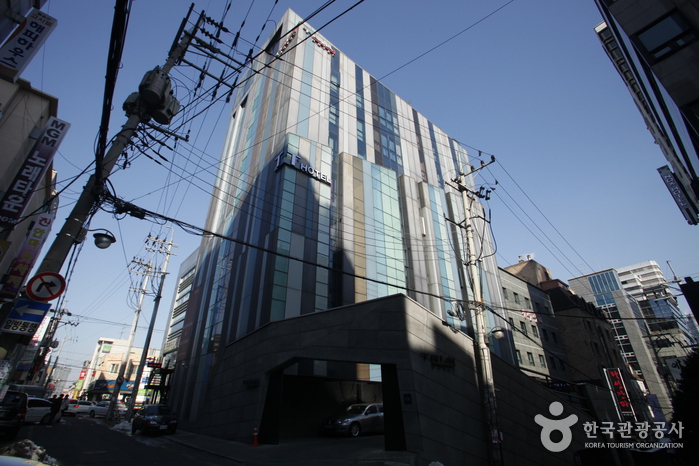
Tria Tourist Hotel (트리아 관광호텔)
2.7Km 2025-07-28
16, Teheran-ro 33-gil, Gangnam-gu, Seoul
Tria Hotel is conveniently located in Yeosam-dong, the center of business and transportation in Seoul. The hotel caters towards guests wishing to enjoy a high-end lifestyle. The hotel interior follows the trends of Europe, featuring pop art and other interesting accents similar to those found in boutique hotels.

Bicena (비채나)
2.7Km 2025-05-16
81F, 300 , Olympic-ro, Songpa-gu, Seoul
Bicena provides tasty Korean cuisine available only in Korea in a refined interior.
Modern Nulang Central City Branch (모던눌랑 센트럴시티점)
2.8Km 2025-12-03
205, Sapyeong-daero, Seocho-gu, Seoul
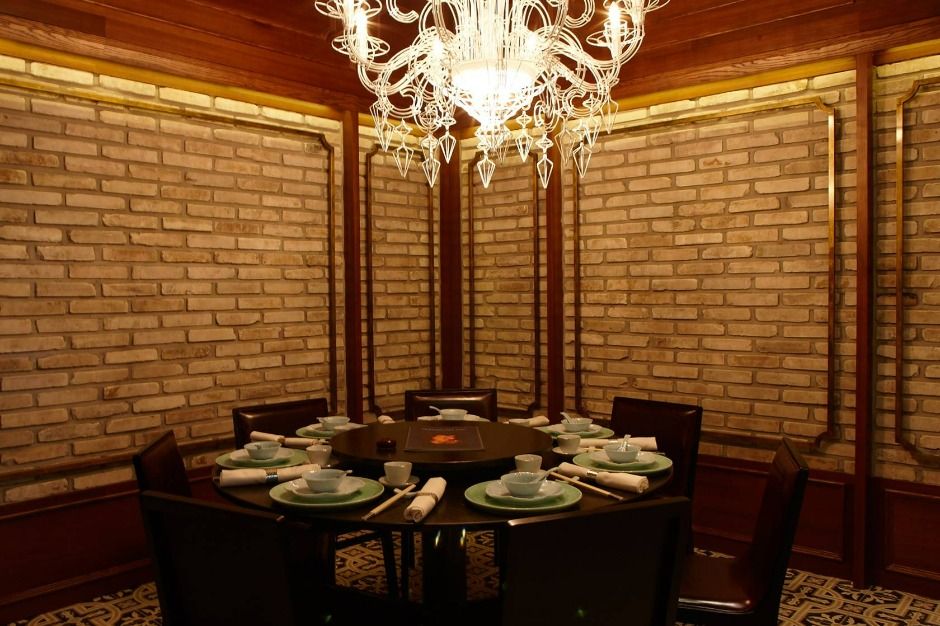
Setting a romantic and modern atmosphere, Modern Nulang is a Chinese restaurant inspired by the "New Woman" concept from Shanghai's modern history. The restaurant’s design reflects Shanghai’s modern culture in the 1930s, portraying itself as a place that sets trends and is frequented by intelligent, sophisticated women. Decorative elements like a train platform, murals, and antique décor are scattered throughout the space, capturing the aesthetic essence of that era. Even the food served here stays true to the concept, presented in an elegant and romantic fashion. Signature menu items include Modern Nulang Shanghai Roll Platter, Braised Pork Belly with Chinese Buns, and Mint Lime Shrimp.
Texas de Brazil Central City Branch (텍사스 데 브라질 센트럴시티점)
2.8Km 2025-12-03
205, Sapyeong-daero, Seocho-gu, Seoul
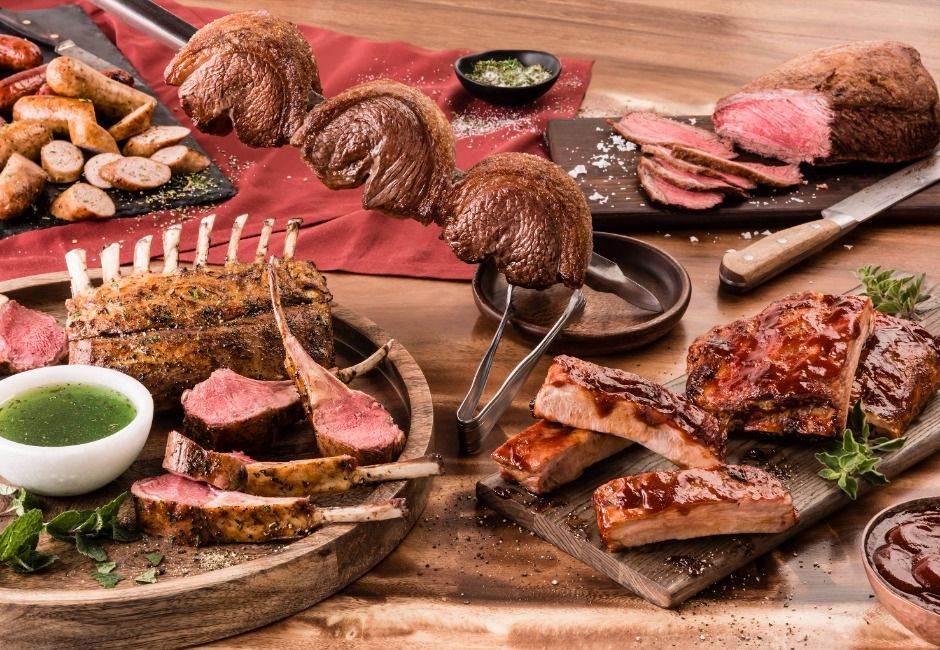
Located in Seocho-gu, Texas de Brazil Central City Branch offers 15 different types of churrasco—traditional Brazilian steak barbecue—and 50 varieties of Brazilian dishes. Churrasco refers to meat skewered on a 1.2-meter-long stick and grilled over hard charcoal, making it tender and juicy. The carver also comes to the guest’s table to slice—or "carve"—the meat portions according to the guest’s request. Not only is the food served here a treat for the palate, but for the eyes as well.
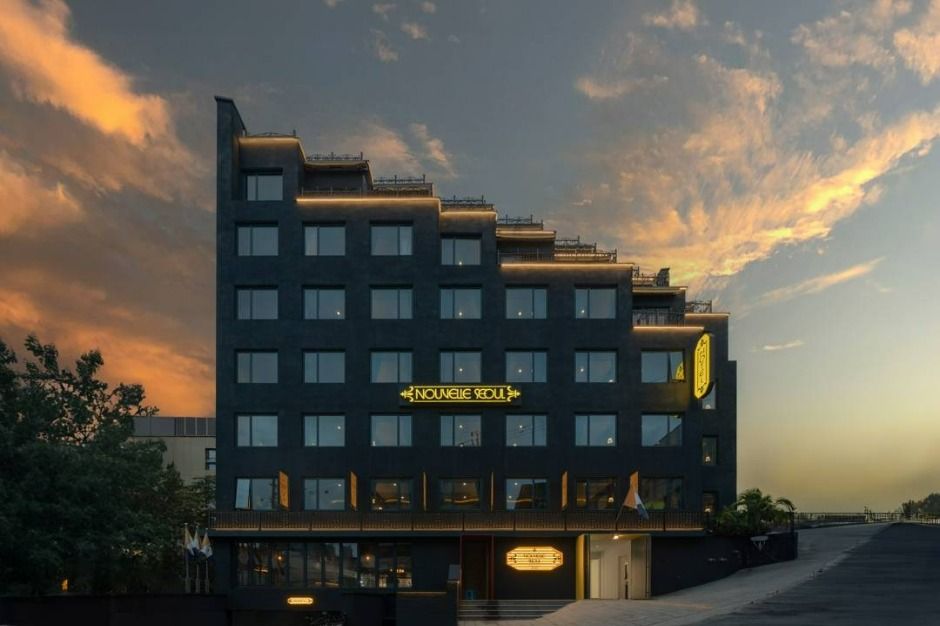
The Hyoosik Nouvelle Seoul Itaewon (더휴식 누베르 서울 이태원점)
2.9Km 2025-04-11
11, Usadan-ro 14-gil, Yongsan-gu, Seoul
The Hyoosik Nouvelle Seoul Itaewon aims to rediscover Seoul through creativity and inspiration. The overall design of the hotel is inspired by French avant-garde, using a variety of objects and props to create an artistic and stylish atmosphere. The hotel has Collection T room type, a twin bedroom; Collection D room type, a double bedroom; and Collection S room type, a single bedroom. On the first floor of the hotel is a guest lobby and a pasta restaurant. The hotel's parking lot is limited in space, and therefore guests are advised to use a nearby public parking lot.
Museo de Arte Leeum (리움 미술관)
2.9Km 2024-08-05
Itaewon-ro 55-gil 60-16, Yongsan-gu, Seúl.
Situado sobre el monte Namsan, con vistas al río Hangang, el Museo de Arte Leeum se compone de tres espacios que representan el arte y la cultura del pasado, presente y futuro. También se encuentran el Centro de Educación y Cultura de los Niños de Samsung.
El museo también tres edificios: Museo 1, concebido por el arquitecto suizo Mario Botta según los motivos de la porcelana tradicional y dedicado al arte tradicional coreano; Museo 2, realizado por el arquitecto francés Jean Nouvel con diseños y materiales innovadores y consagrado al arte contemporáneo; y el Centro de Educación y Cultura de los Niños, concebido por el arquitecto holandés Rem Koolhaas. Así, estos tres edificios, construidos con diversos materiales y técnicas innovadoras representan los diferentes estilos de cada arquitecto, están dotados en sí mismos de valores artísticos.
Si el Museo 1 muestra la belleza de la porcelana coreana con telas que simbolizan la tierra y el fuego, el Museo 2 utiliza aceros oxidados y cristales por primera vez en el mundo. El Centro de Educación y Cultura de los Niños, que parece flotar en el aire al utilizar hormigón negro, representa un espacio futurista. En el Museo 1 se exponen obras representantes del arte tradicional coreano. La sala de exposiciones permanente presenta cerca de 120 piezas representativas de la colección del museo sobre cuatro pisos, y se compone de diferentes secciones: Goryeo Cheongja (celadón azul de la dinastía Goryeo), Buncheongsagi y Baekja (porcelana blanca) de la dinastía Joseon, pinturas, caligrafías, arte budista y artesanía del metal. La colección del museo está considerada como la mejor de Corea tanto por su calidad como por su cantidad.
El Museo 2 alberga alrededor de 70 obras, que recogen obras representantes del arte del país desde 1910 y las del arte contemporáneo de otros países desde 1945. Entre estas obras se encuentran las de artistas que abrieron nuevos horizontes al arte moderno: Alberto Giacometti, Francis Bacon, Mark Rothko, Joseph Beuys y Andy Warhol. Usted podrá encontrar también obras de artistas que forman parte de las corrientes principales del arte contemporáneo como Damien Hirst o Mattew Barney. El museo gestiona también un instituto de conservación y de archivos de arte coreano con el fin de restaurar el patrimonio del país.
Taj Palace (타지펠리스)
2.9Km 2025-05-19
39, Usadan-ro, Yongsan-gu, Seoul
Named after the Taj Mahal, Taj Palace serves authentic Indian dishes prepared by an Indian chef. The restaurant owner hired the Indian chef in hopes of introducing real Indian food to Korean people. Some of the most popular dishes in the restaurant include tandoori (barbecue) dishes, Indian fried rice called "briyani," toasted bread, Indian beverages, and the “set meal."
Templo Bongeunsa en Seúl (봉은사(서울))
2.9Km 2025-06-20
Bongeunsa-ro 531, Gangnam-gu, Seúl
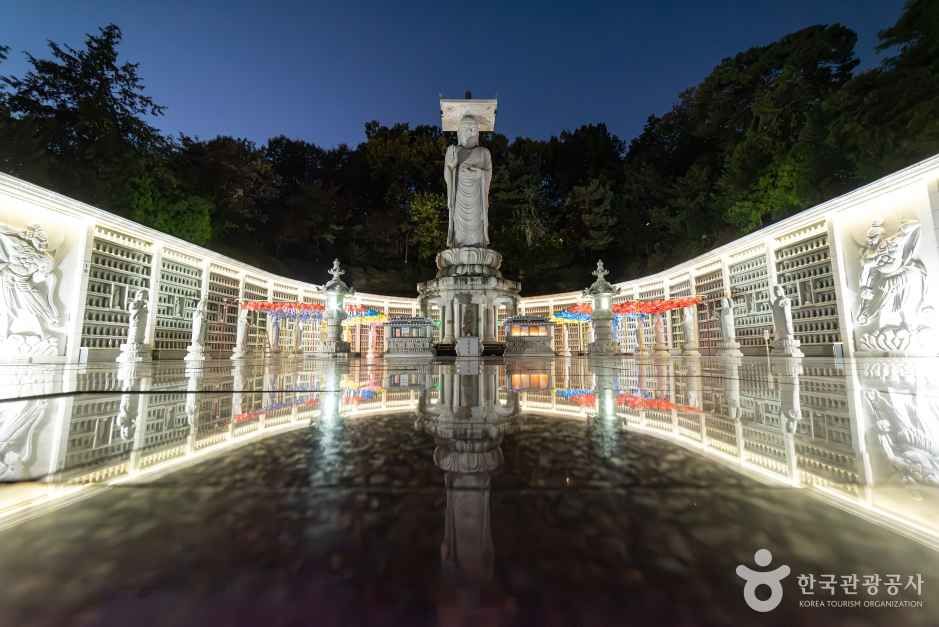
El templo se encuentra localizado al norte del Centro de Convenciones y Exhibiciones de Corea (COEX). Fue construido durante el 10º año del reinado del rey Wonseong (794), que perteneció a la dinastía Silla, por el maestro Yeonhue, y en aquel tiempo recibía el nombre de Gyeonseongsa. Luego, en el año 1498, la reina Jeonghyeon, esposa del rey Seongjong, remodeló y amplió el templo, modificando el nombre por Bongeunsa. En un principio, el templo se encontraba ubicado a 1 km de distancia de la Tumba Seolleung; pero durante el reinado de Myeongjong, en la dinastía Joseon, fue trasladado al lugar actual por el monje Bowoo. El templo conserva una gran cantidad de reliquias budistas, textos, sutras, colecciones, etc., relacionados con la historia del budismo, y presenta un total de 3.479 artículos. En particular, el 9 de septiembre de cada año, según el calendario lunar, se celebra un desfile especial que consiste en recorrer las áreas del templo siguiendo los principios budistas y recitando los sutras.
Dubai Restaurant (두바이레스토랑)
3.0Km 2025-05-19
192, Itaewon-ro, Yongsan-gu, Seoul
Dubai Restaurant in Itaewon offers authentic Arabian cuisine as well as shisha (water pipe smoking). Located in the middle of Itaewon, it’s popular among both Koreans and foreigners.
Calle de los Anticuarios de Itaewon (이태원 앤틱 가구 거리)
3.0Km 2022-03-04
Bogwang-ro 109-1, Yongsan-gu, Seúl.
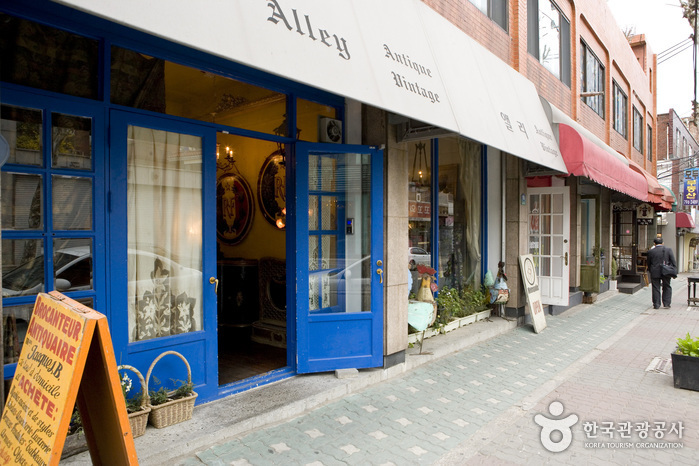
La Calle de los Anticuarios se creó en 1960 cuando los soldados norteamericanos se ubicaron en Yongsan y vendían sus muebles antes de regresar a su país. Con el paso de los años, el área ha crecido y los compradores pueden encontrar piezas de cualquier parte del mundo. Junto con los muebles, hay una gran selección de relojes de pared, objetos de diseño interior, entre otros que no están disponibles en otros lugares.
 Español
 한국어
한국어 English
 日本語
日本語 中文(简体)
 Deutsch
 Français
 Русский


