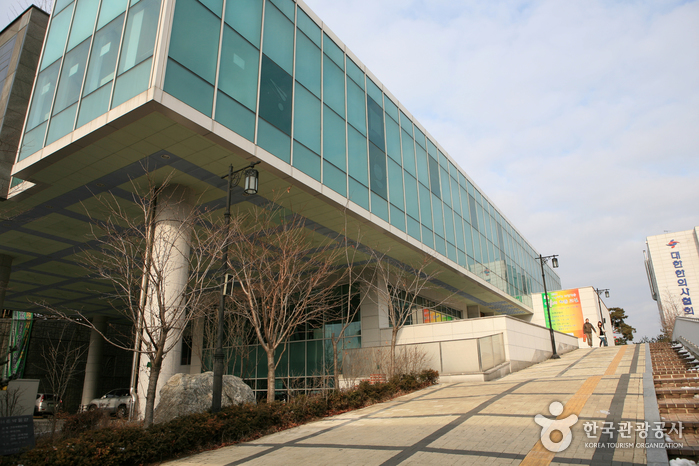
Parque Guam (구암공원)
18.3Km 2022-09-19
Heo Jun-ro 5-gil 42, Gangseo-gu, Seúl.
El parque Guam se encuentra en el área cercana a la roca Heogabawi, una cueva de piedra natural situada debajo del monte Tapsan. Se dice que Heo Seon-mun, patriarca del clan Yangcheon Heo, nació allí. El parque se construyó para conmemorar a Heo Jun, que era conocido como un médico santo. Guam era su mote. Se dice que tras su retiro, Heo Jun fue a la roca Heogabawi para elaborar el famoso libro de medicina Donguibogam.
Allí, una parte del río Hangang se convirtió en un lago tras la construcción de la Autopista Olympic-ro y de los rascacielos que rodean el parque. Una estatua de Heo Jun tratando a un paciente se puede encontrar allí, y en el lago, hay una piedra de color morado con agujeros llamada roca Gwangjubawi. Antes de que se construyese el puente Yanghwadaegyo, esa área solía ser el lugar donde los visitantes podían tomar un ferri para ir hacia el otro lado. Se dice que la roca Heogabawi, tan amplia como para contener a 20 hombres, era el sitio en el que la gente se refugiaba durante las guerras, incluidas las guerras de Imjin, Byeongja Horan y la de Corea.

Templo Heungguksa en Goyang (흥국사(고양))
18.4Km 2025-11-04
Heungguksa-gil 82, Deokyang-gu, Goyang-si, Gyeonggi-do
Con una historia de más de 1.300 años, la fundación del Templo Heungguksa se remonta al año 661 d. C. (el primer año del reinado del rey Munmu de Silla). Durante sus prácticas en la Roca Wonhyoam, en el monte Bukhansan, el legendario monje Wonhyo percibió señales auspiciosas en el noroeste y descendió de la montaña hasta llegar al lugar del templo. Al contemplar una estatua de piedra de Buda que emanaba buenas energías, Wonhyo consideró el templo un lugar de práctica predestinado. Consagró la estatua en el salón principal y nombró al templo Heungseongam, diciendo: «De este lugar que emana luz auspiciosa, surgirán muchos santos», estableciendo así el que hoy conocemos como Templo Heungguksa. Desde entonces, existen pocos documentos históricos que den cuenta de la historia del templo, y se desconocen los detalles de su evolución. Sin embargo, existen registros de renovaciones en 1686 (el duodécimo año del reinado del rey Sukjong de la dinastía Joseon) y de importantes avances tras la ascensión al trono del rey Yeongjong. Desde entonces, diversos monjes han restaurado el templo, labor que continúa hasta nuestros días.
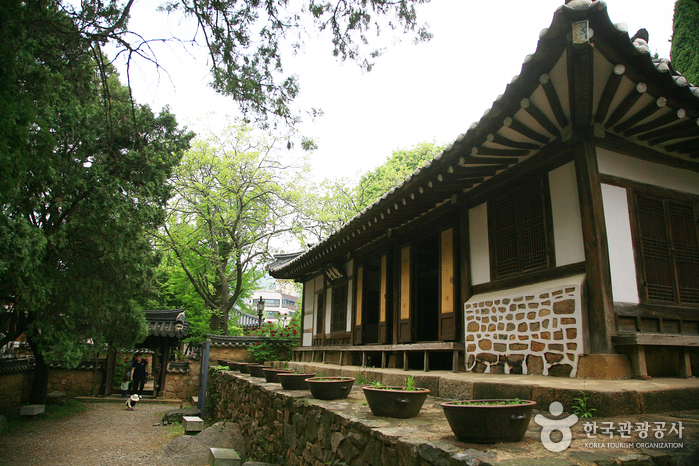
Museo Chunghyeon (충현박물관)
18.5Km 2021-07-14
Ori-ro 347-beongil 5-6, Gwangmyeong-si, Gyeonggi-do.
Es un museo que se dedica a preservar el legado de la cultura relacionada con los académicos confucianos de la dinastía Joseon. El establecimiento del museo pertenece a la casa del maestro Lee Won-ik, una figura clave de la cultura de los eruditos, quien también ejerció un alto cargo del gobierno durante la época Joseon. El museo expone una variedad de reliquias y patrimonios vinculadas a los académicos confucianos.
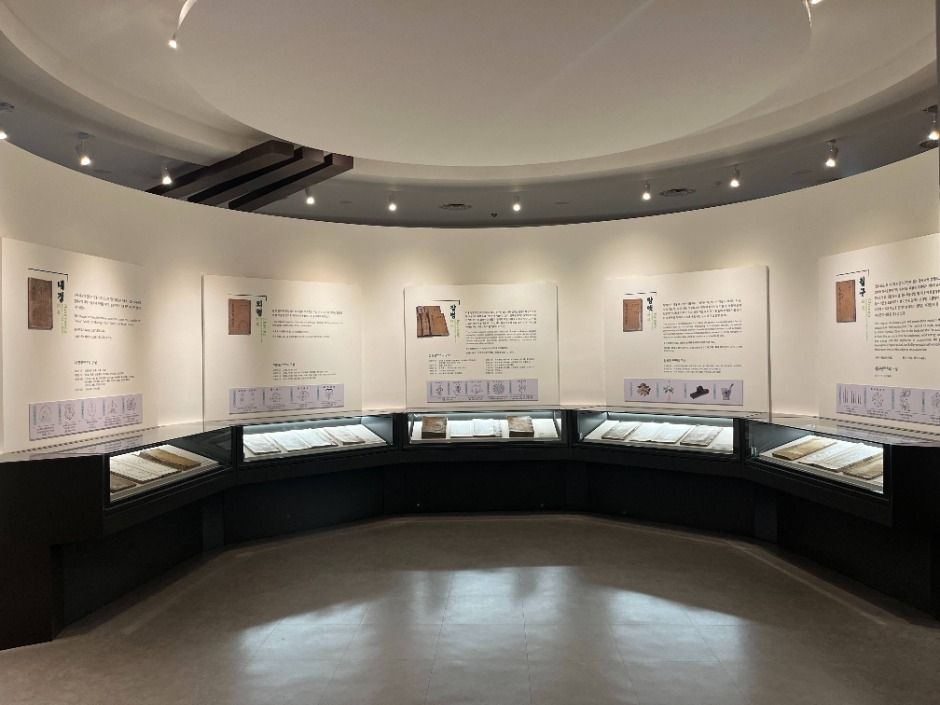
Museo de Heo Jun (허준박물관)
18.5Km 2026-01-05
Heo Jun-ro 87, Gangseo-gu, Seúl.
Siendo el primer museo de medicina oriental del país, fue inaugurado el 23 de marzo del 2005. En el piso 1 se encuentran la oficina de administración y otras instalaciones anexas, y en el piso 2 están la tienda de suvenires, la sala audiovisual y el sector de descanso. La mayoría de las piezas destinadas a la exposición están en el piso 3, la sala conmemorativa de Heo Jun, la sala de exposición de hierbas y medicamentos orientales, la sala de equipos y maquinarias médicas, el área de experimentación médica y las reproducciones de escenas médicas de la Corte Real. En el área de experimentación tendrá la oportunidad de participar en las actividades académicas, envolver los fármacos, realizar consultas médicas para conocer su estado físico, preparar medicamentos, medir la presión y la grasa corporal, etc.
Heo Jun
Personaje de gran importancia en la historia médica de Corea, que corresponde al período comprendido entre 1539 (reinado de Jungjong) y 1615 (reinado de Gwanghaegun). Nieto de Heo Gon, alto funcionario público de la época de Joseon, e hijo del guerrero nacional Heo Ron, nació en la aldea Baekseok, de Neunggok-dong, Paneung-ri, Yangchyeon-hyeon, Gyeonggi-do (actualmente: Deungchon 2-dong, Gangseo-gu de Seúl). Fue el médico más importante de Joseon, que por su conocimiento y técnica de medicina, es considerado hasta hoy en día el mejor profesional de su campo de la historia coreana. También fue quien sistematizó la medicina oriental en el libro Dongui Bogam.
![Tumba Real Sareung en Namyangju (남양주 사릉) [Patrimonio Cultural de la Humanidad de la Unesco]](http://tong.visitkorea.or.kr/cms/resource/44/2480844_image2_1.jpg)
Tumba Real Sareung en Namyangju (남양주 사릉) [Patrimonio Cultural de la Humanidad de la Unesco]
18.7Km 2023-05-31
Sareung-ro 180, Jingeon-eup, Namyangju-si, Gyeonggi-do.
Sareung es la tumba real de la reina Jeongsun (1440-1521), consorte del rey Danjong. Se trata, posiblemente, de la mujer de la realeza más trágica de la dinastía Joseon. En 1453, Jeongsun fue elegida como reina entre muchas candidatas y llegó al trono un año después. Sin embargo, cuando el rey Danjong fue forzado a abdicar del trono por el príncipe Suyang (quien sería más tarde el rey Sejo) y fue exiliado, la reina Jeongsun también fue privada de su título. Después de que el rey Danjong mueriese, la reina construyó una casa fuera de la puerta Dongdaemun, en Seúl, y vivió allí el resto de su vida, en duelo por la muerte de su marido. El nombre de la tumba, Sareung, se refiere al duelo de Jeongsun por el rey fallecido. Al contrario que otras tumbas reales, Sareung es muy sencilla. Tiene un tamaño relativamente pequeño y no tiene el borde de piedra llamado byeongpungseok. Solo hay un muninseok, una estatua de un oficial civil y un seokma, una estatua esculpida con forma de caballo.
Gwangyang Bulgogi (광양불고기)
19.1Km 2025-05-15
531, Nambusunhwan-ro, Yangcheon-gu, Seoul, Korea
Bulgogi is a common dish in South Korea, but Gwangyang bulgogi has a unique taste based on a special seasoning that is buried in tradition. The side dishes, not only the bulgogi, are very delicious.
Monte Dobongsan (도봉산)
19.4Km 2025-06-13
Dobong-dong, Dobong-gu, Seúl
El monte Dobongsan, situado el noreste del Parque Nacional del Monte Bukhansan, es conocido por las magníficas formaciones rocosas de Manjangbong, Seoninbong, Jubong, Obong y el pico Uiam. El pico Seoningbong tiene 37 senderos, incluido el famoso sendero Bakjwi (murciélago). La montaña también es el hogar del templo Cheonchuksa, el templo más antiguo de la región, entre otros, como el templo Mangwolsa y el templo Hoeryongsa, así como también un gran número de valles llamados Donong, Songchu, Obong y Yeongeocheon. Además, es fácilmente accesible en transporte público.
Starfield Goyang (스타필드 고양)
19.5Km 2025-11-03
Goyang-daero 1955, Deokyang-gu, Goyang-si, Gyeonggi-do
Starfield Goyang se ubica como punto de encuentro entre Seúl y la provincia de Gyeonggi-do en su extremo noroccidental. El diseño arquitectónico del complejo fusiona motivos tradicionales coreanos, como murallas de castillos, imponentes puertas y torres de vigilancia, en un entorno moderno, complementado por la belleza natural del monte Bukhansan. Las tiendas de moda y belleza, junto con un hipermercado de gran tamaño con precios asequibles, ofrecen una experiencia de compras y ocio confortable. El parque cercano también cuenta con una zona acuática con un spa jjimjilbang y piscina en la azotea, un cine de última generación, un área de juegos infantiles y una variedad de servicios especializados, convirtiéndolo en el lugar perfecto para crear recuerdos inolvidables en familia.
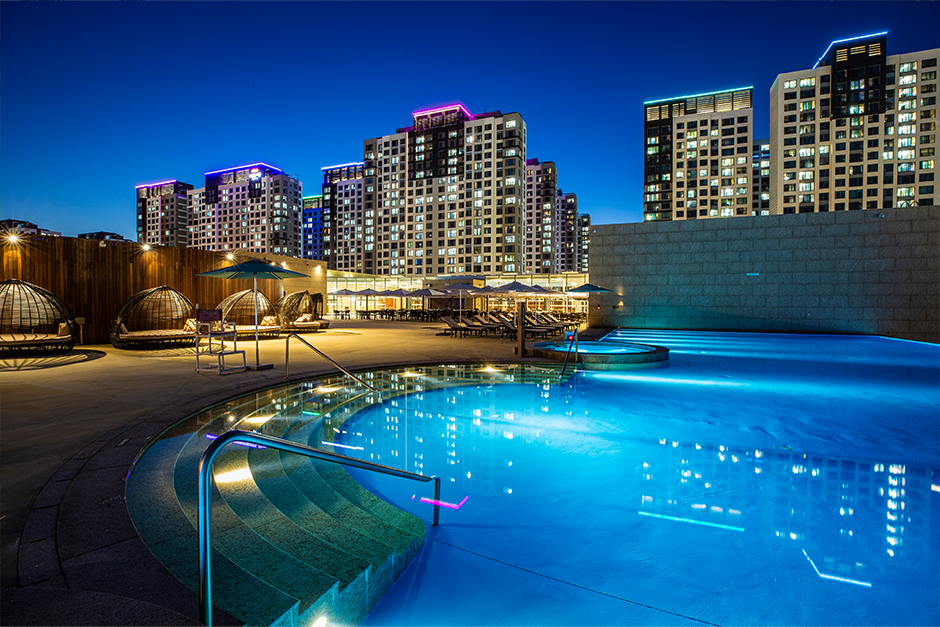
Aquafield Goyang (아쿠아필드 고양)
19.5Km 2025-11-04
Goyang-daero 1955, Deogyang-gu, Goyang-si, Gyeonggi-do
Aquafield Goyang es un lugar popular para que las familias se relajen en un bonito entorno acuático. Ubicado en Goyang, con vistas al monte Bukhansan, Aquafield Goyang cuenta con sauna jjimjilbang y spa de primera categoría. Su piscina exterior en la azotea ofrece un ambiente romántico. Aquafield Goyang garantiza horas de descanso y relajación gracias a sus instalaciones de primer nivel y su esmerada atención. Su spa cuenta con sauna de estilo tradicional, como una sauna de carbón, una de arcilla roja y una bulgama (sauna coreana de horno), además de saunas temáticas, como una de arte multimedia y una sala de nubes. La piscina infinita es la joya de Aquafield Goyang, ofreciendo vistas espectaculares de una piscina que se funde con el horizonte.
The First Stay Hotel (더퍼스트스테이 호텔)
19.6Km 2025-07-23
23, Magokdong-ro 4-gil, Gangseo-gu, Seoul
The First Stay Hotel, located in Magok-dong, Gangseo-gu, Seoul, is chosen by many frequent business trippers as well as domestic and foreign travelers because of its modern styling, practical prices, and convenient transport links. Gimpo Airport is 10 minutes and Incheon International Airport just 30 minutes away, while subway and bus stops are within a 5-minute walk. The hotel has ample parking space, and self-catering is possible in some rooms.
 Español
 한국어
한국어 English
 日本語
日本語 中文(简体)
 Deutsch
 Français
 Русский


