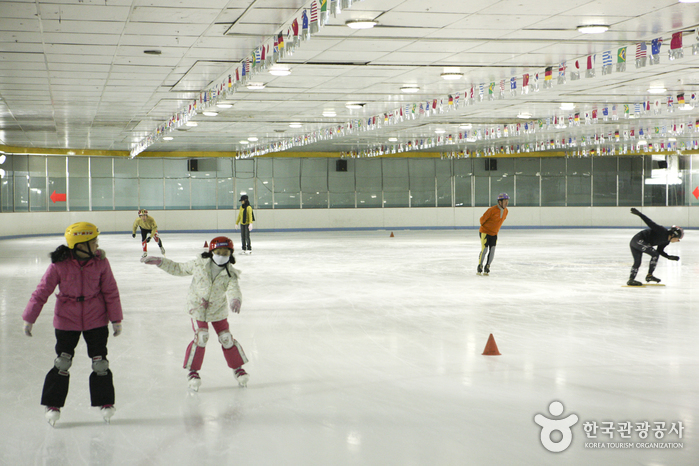
Pista de Patinaje sobre Hielo del Centro Deportivo Olímpico de Bundang (분당 올림픽스포츠센터 아이스링크)
14.1Km 2025-01-02
Junganggongwon-ro 35, Bundang-gu, Seongnam-si, Gyeonggi-do
Situada en el área de Bundang-gu de la ciudad de Seongnam, provincia de Gyeonggi-do, el Centro Deportivo Olímpico de Bundang cubre ocho pisos e incluye una pista cubierta de patinaje sobre hielo, zona de restauración, instalaciones de conveniencia, gimnasio multiusos bajo cubierto, gimnasio, sala de aerobic, cuadrilátero de taekwondo y también campo de golf y piscina. La pista cubierta de patinaje sobre hielo, del primer piso subterráneo, tiene instalaciones de último modelo e hielo de la máxima calidad, por lo que los visitantes pueden disfrutar durante todo el año.

Museo Folclórico Nacional y Museo Infantil del Museo Folclórico Nacional (국립민속박물관&국립민속박물관 어린이박물관)
14.1Km 2024-04-18
Samcheong-ro 37, Jongno-gu, Seúl
Ubicado en el interior del palacio Gyeongbokgung, presenta aproximadamente 4.000 reliquias folclóricas, registros, etc., relacionados con el estilo de vida tradicional coreana. Consta de 3 salas de exposiciones permanentes, 2 salas de exhibiciones especiales, centro de materiales informativos, tienda de artesanías y otras instalaciones anexas. Por su parte, el Museo Infantil permite que los niños conozcan la historia y la antigua cultura de los coreanos, y se realizan diversas actividades interactivas. Los 3 temas principales son "vestimenta", "alimentación" y "vivienda"; y los visitantes pueden hacer actividades alusivas.
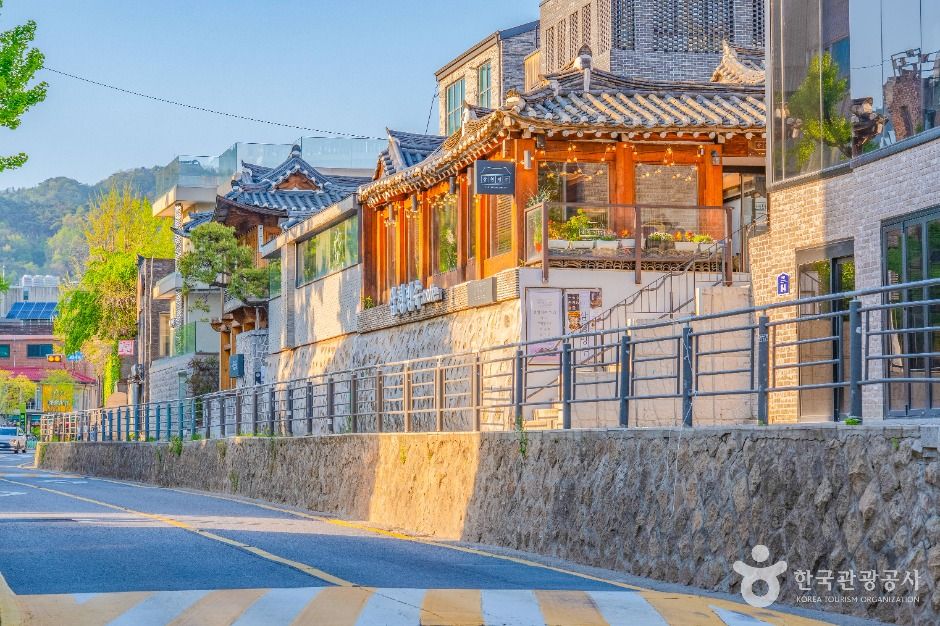
Calle Samcheongdong (삼청동거리)
14.2Km 2025-08-13
Samcheong-ro 156, Jongno-gu, Seúl.
El paseo Samcheongdong abarca desde el este del palacio Gyeongbokgung hasta el túnel Samcheong. El Parque Samcheong, ubicado al final del paseo Samcheongdong, es famoso por sus densos bosques y su hermoso paisaje. Es un lugar tranquilo e ideal para descansar en el centro de la ciudad. Además, las galerías y los cafés a ambos lados de Samcheongdong son muy concurridos por artistas.
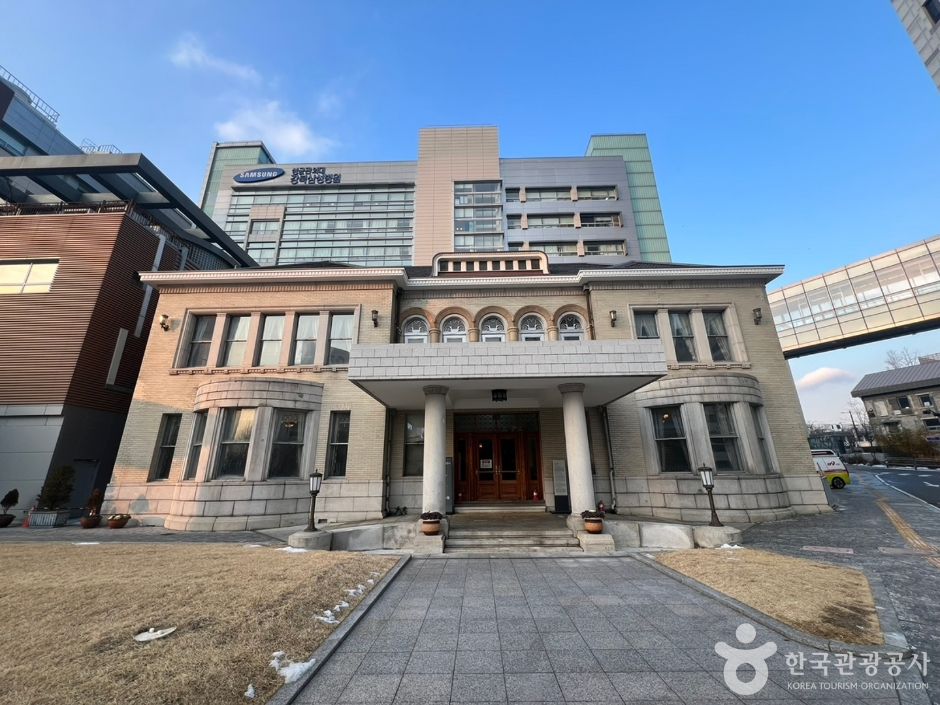
Residencia Gyeonggyojang en Seúl (서울 경교장)
14.2Km 2025-08-20
Saemunan-ro 29, Jongno-gu, Seúl
La Residencia Gyeonggyojang está situada en Pyeong-dong, Jongno-gu, Seúl. Se la considera un sitio histórico y solía ser una oficina y residencia hasta que Bakebeom Kim Koo, figura lider durante el gobierno provisional de Corea, fue asesinado el 26 de junio de 1949. La casa es uno de los tres sitios donde actividades sobre la fundación de un gobierno democrático tuvieron lugar, antes de que se estabilizase por completo.
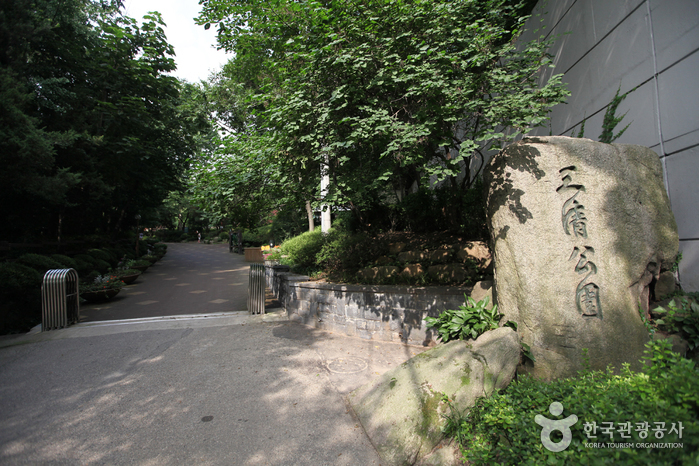
Parque Samcheong (삼청공원)
14.2Km 2022-04-07
Bukchon-ro 134-3, Jongno-gu, Seúl.
Es un parque localizado al pie del monte Bugaksan y fue el Parque N° 1 de Corea. En el entorno se encuentra gran cantidad de flores de cerezo, por lo que en abril de cada año es visitado por gran cantidad de ciudadanos por su hermoso paisaje de floración. Además, en el interior podrá encontrar un campo de bádminton, una cancha de tenis, una plaza infantil, espacios de descanso, una tienda comercial, etc., por lo que ofrece comodidad a los visitantes.
Entre las rutas principales de senderismo se destacan: el camino forestal de Bugaksan hacia la Muralla de Seúl, el camino hacia el manantial de Seongbuk-dong, el camino hacia el Parque Waryong, etc. En particular, se encuentra dentro de este parque la roca Malbawi, que fue designada como el mejor lugar para observar el panorama de la ciudad, por el Ayuntamiento de Seúl.
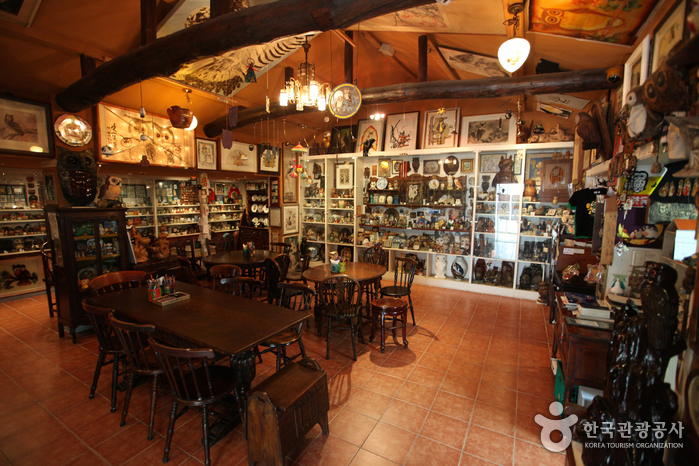
Museo del Búho (부엉이박물관)
14.2Km 2022-09-19
Bukchon-ro 143, Jongno-gu, Seúl
El búho es considerado como un animal símbolo de la sabiduría. En los cuentos infantiles, muchas veces se ven a búhos con gafas y libros en sus alas. El museo está diseñado al estilo clásico, como una cafetería, y expone obras artísticas, artesanías, etc., alrededor de 2.000 piezas relacionadas con los búhos. Dichos artículos fueron coleccionados durante 30 años, recorriendo varios lugares del mundo, por Bae Myeong-hui (madre de los búhos), quien es la directora del museo.
Es un espacio peculiar, que fue reconstruido sobre una antigua casa, y los visitantes son recibidos calurosamente por la madre de los búhos, que también les sirve café o té. Al estar ubicado cerca del centro de la ciudad, es ideal para aquellos que deseen disfrutar un momento especial, observando las artesanías y obras artísticas. Además, otra fuente de diversión es escuchar historias sobre los búhos y los episodios relacionados con la colección.
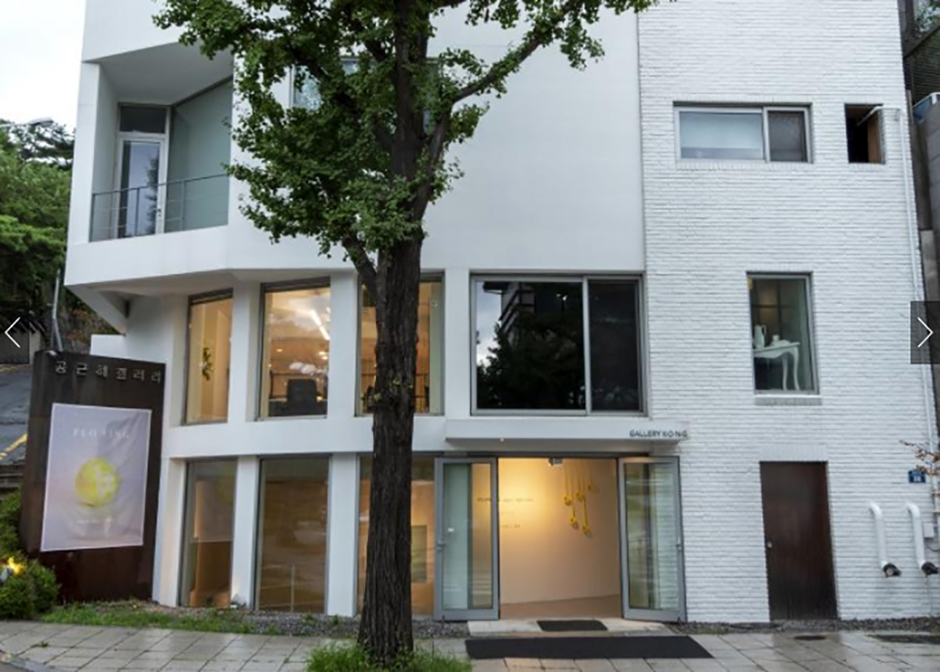
Galería K.O.N.G. (공근혜갤러리)
14.3Km 2024-08-06
Samcheong-ro 7-gil 38, Jongno-gu, Seúl
Desde su apertura en 2005, la Galería K.O.N.G. ha tenido un impacto significativo en la escena fotográfica coreana al introducir a fotógrafos de talla mundial en Corea. En 2010 se trasladó a su sede actual junto a Cheong Wa Dae, en el barrio de Samcheong-dong de Seúl, y sumó nuevos espacios para pintura, escultura, video, instalaciones artísticas y otras formas de arte contemporáneo. La galería se centra en artistas establecidos en París, Londres y Nueva York, y presenta obras que muestran el estado actual del arte contemporáneo en el siglo XXI. También desempeña un papel fundamental como galería en Corea al descubrir a jóvenes artistas coreanos y apoyar sus actividades en el extranjero.
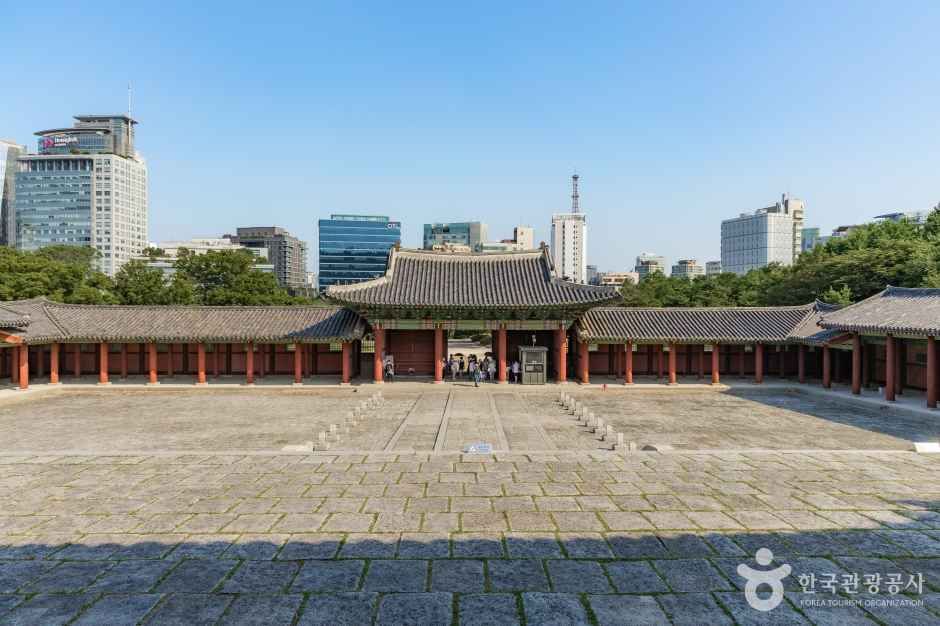
Palacio Gyeonghuigung (경희궁)
14.3Km 2025-05-13
Saemunan-ro 45, Jongno-gu, Seúl.
Hacia finales de la época de Joseon, el palacio Gyeonghuigung fue considerado como un palacio secundario del monarca; y por su ubicación, hacia el oeste (seo, en coreano) de Seúl, en ocasiones fue nombrado como Seogwol (Palacio del Oeste).
El palacio secundario era el lugar en donde el rey se refugiaba en momentos de emergencia. Desde Injo a Cheoljong, aproximadamente 10 reyes de la dinastía Joseon pasaron algún momento de sus vidas en este palacio. Fue construido respetando el relieve de las montañas que lo rodeaban, por lo que posee una belleza tradicional en su arquitectura y un gran significado histórico. Hubo tiempos en los que tenía una dimensión enorme, por lo que se tuvo que levantar un puente con forma de arco para conectarlo con el palacio Deoksugung. Para la audiencia real, estaban los edificios Sungjeongjeon y Jajeongjeon; y como cuartos privados, los edificios Yungbokjeon y Hoesangjeon. Sumaban un total de aproximadamente 100 edificios de distinto tamaño dentro del palacio. Sin embargo, gran parte del palacio fue derrumbada y dañada por la invasión japonesa de 1908.
Hoy en día, la puerta principal del palacio, Heunghwamun, es utilizada como la puerta de acceso al Hotel Shilla.
Cerca del palacio Gyeonghuigung se encuentra el Museo de Historia de Seúl, la calle Jeongdong y la siempre abarrotada calle Jong-ro. Una vez que haya recorrido Gyeonghuigung, puede cruzar la calle Jeongdong y caminar hacia el palacio Deoksugung. El camino del muro de piedra del palacio Deoksugung está considerado como uno de los más elegantes de la ciudad.
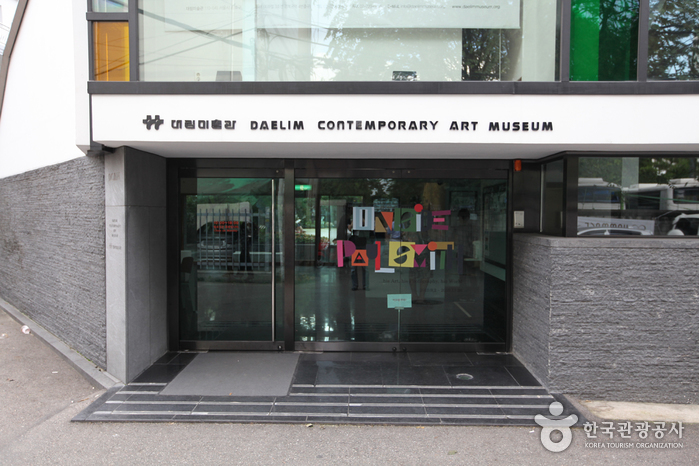
Museo de Arte Daelim (대림미술관)
14.3Km 2025-04-18
Jahamun-ro-4-gil 21, Jongno-gu, Seúl.
Es un museo de arte correspondiente a la firma Daelim, fundada originalmente en Daejeon en el año 1996, pero en 2002 se ha trasladado al distrito de Jongno, Seúl. Se dedica al estudio y análisis del arte contemporáneo mediante la fotografía, motivo por el cual las obras exhibidas son piezas fotográficas. También cumple la función de fomentar y respaldar a los artistas principiantes para que puedan ejercer su oficio y contribuir para la nueva eclosión cultural y artística. El edificio del museo se encuentra ubicado en la cercanía del palacio Gyeongbokgung. El diseño arquitectónico lo ha realizado el francés Vincent Cornu, y de la construcción se ha encargado la compañía Daelim. El piso 1 está compuesto por el jardín, estacionamiento, sala de recepción, depósito, sala de reunión, etc., y, en los pisos 2 y 3 están las enormes salas de exposición y oficina, y finalmente en el piso 4 encontrará un seminario con capacidad para 120 personas y un balcón desde donde se observa un paisaje hermoso. Una de las peculiaridades resaltantes de este museo es que fue diseñado teniendo en consideración la temperatura, la humedad y el reflejo de luz que deben tener las obras.
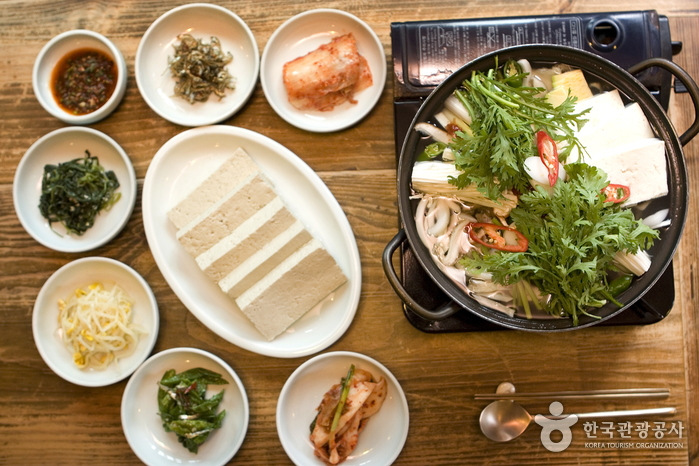
Onmaeul (온마을)
14.3Km 2025-07-18
127, Samcheong-ro, Jongno-gu, Seoul
A place that sells dishes made with beans, which are good for the health. This restaurant's signature menu is pureed soybean stew. This Korean dishes restaurant is located in Jongno-gu, Seoul.
 Español
 한국어
한국어 English
 日本語
日本語 中文(简体)
 Deutsch
 Français
 Русский


