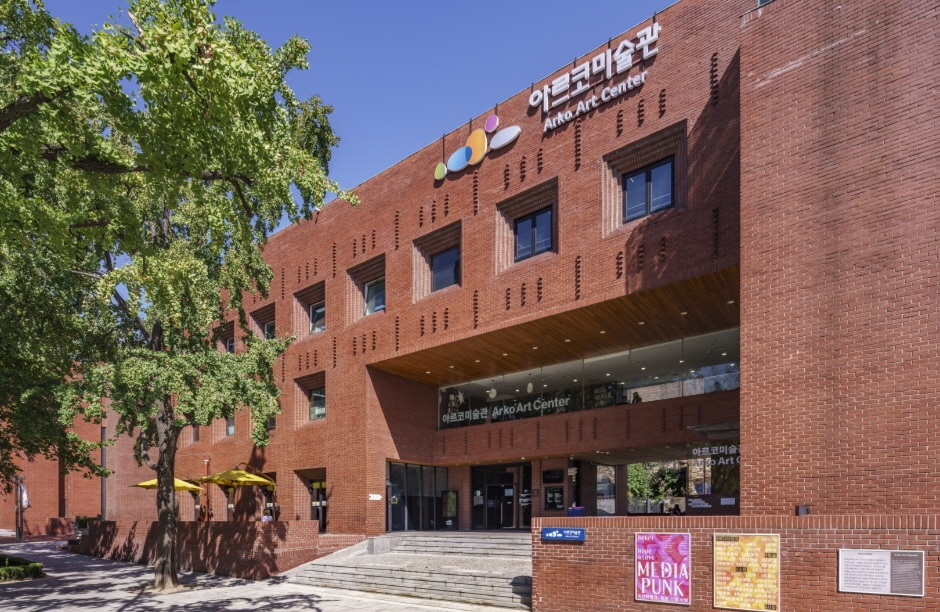
Musée d’art ARKO (아르코미술관)
1.9Km 2023-08-07
3, Dongsung-gil, Jongno-gu, Seoul
Ce Musée se situe dans le parc des Marronnier. Le lieu est très prisés notamment du jeune public. Le musée a été construit par l’Institut de Promotion de la Culture afin de développer l'activité artistique dans la région. Achevé en 1979, il apporta un nouvel espoir aux artistes pour lesquels les lieux d’expositions manquait. Le centre contribua à l’essor des arts en proposant des espaces d’exposition à des prix très bas mais aussi en organisant des projets d’importance et devint ainsi un acteur incontournable dans l’histoire des arts plastiques en Corée.
Rue de Cheongwadae (청와대 앞길)
1.9Km 2025-08-20
Gungjeong-dong, Jongno-gu, Séoul
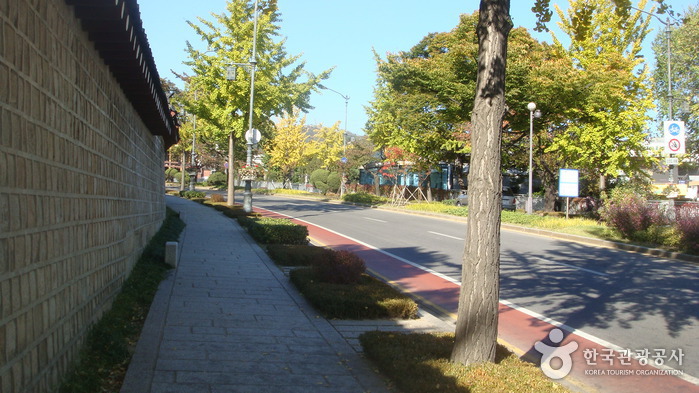
La rue de Cheongwadae a été créée avec l’instauration du gouvernement civil, et s’étend depuis le carrefour de Hyoja à Hyoja-dong jusqu’au carrefour de Palpan à Palpan-dong. En suivant la rue Hyoja depuis la station de métro Gyeongbokgung, vous trouverez le Sarangbang de Hyoja, une fontaine, un bosquet d’hibiscus, le hall Yeonmugwan, le pavillon Daegogak et le hall Yeongbingwan.
Le Sarangbang de Hyoja est un petit bâtiment composé d’un rez-de-chaussée abritant une exposition relatant les 600 ans d’histoire de Séoul, et d’un étage où sont exposés des cadeaux d’hôtes étrangers prestigieux. Les visiteurs peuvent se reposer dans le jardin de derrière. Au Daegogak se trouve un tambour offert au président Kim Yeong-san en souvenir de l’ancien tambour Sinmungo. Le hall Yeonmugwan est l’endroit où le personnel des services de sécurité s’entraîne aux arts martiaux. On y trouve également une citadelle en pierre naturelle, ainsi qu’un espace de repos. Derrière le bosquet d’hibiscus siègent l’ambassade du Vatican et le pavillon Chilgung.
Bordée d’arbres touffus et de parterres fleuris, la rue de Cheonwadae est l’endroit rêvé pour une belle promenade. La résidence présidentelle Cheonwadae (qui signifie « Maison Bleue ») se trouve juste en face de la porte Sinmumun du côté Nord du palais Gyeongbokgung, et la rue se termine sur la porte Chunchumun, où se trouve le centre de presse de Cheonwadae. Un peu plus loin, la rue Samchongdong-gil s’étend depuis la porte Chunchumun jusqu’à la porte Geonchunmun (porte principale du palais Gyeongbokgung). De nombreuses galeries de peinture y sont installées (galerie Gukje, galerie Growrich, galerie Hyundai, etc) , ce qui en fait un lieu de prédilection pour tous les amateurs d’art.
Haeunjae / 하은재
2.0Km 2025-08-12
68-10, Jahamun-ro, Jongno-gu, Seoul
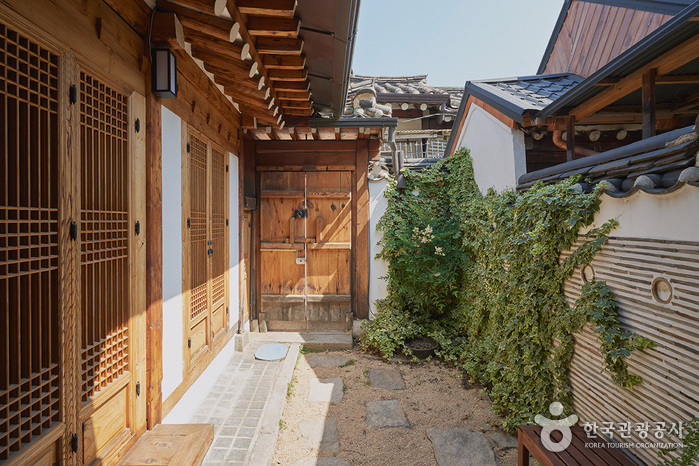
Haeunjae (下隱齋), meaning “hermit’s residence,” is a hanok (traditional Korean house) residence located in Seochon Hanok Village, near Gyeongbokgung Station on Seoul Subway Line 3. It is dedicated to the ideal of “movies and rest,” and takes after the characteristic form of modern hanok with a small courtyard. The entire house is rented out at once, with a queen bedroom, kitchen, movie room, and two restrooms. Up to 4 guests can reserve the house, with each additional guest above the standard of 2 having access to additional bedding.
The movie room is furnished with a Bose sound system, beam projector, and screen, along with a mobile foot bath. The kitchen is equipped with a refrigerator, hand drip coffee maker, toaster, electric kettle, and utensils. A 10% discount is available for guests staying for more than 2 nights on weekdays, and towel replacement and cleaning services are offered for guests staying for more than 3 nights.
The residence is located close to tourist sites like Tongin Market, Gyeongbokgung and Changdeokgung Palaces, and Samcheong-dong area.
Le pavillon de Namsan - 남산 팔각정
2.0Km 2021-06-19
Seoul, Yongsan-gu, Namsangongwon-gil 126
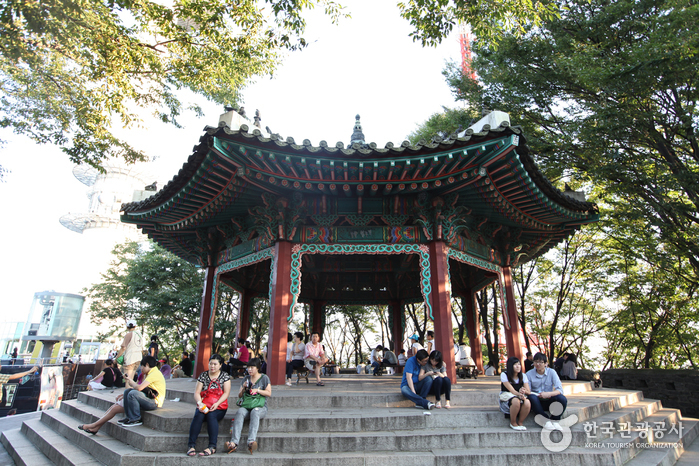
Ce pavillon a été inauguré afin de célébrer le roi Lee Seung-man. Il se situe au sommet de Namsan et permet d'avoir une très belle vue panoramique de la capitale.
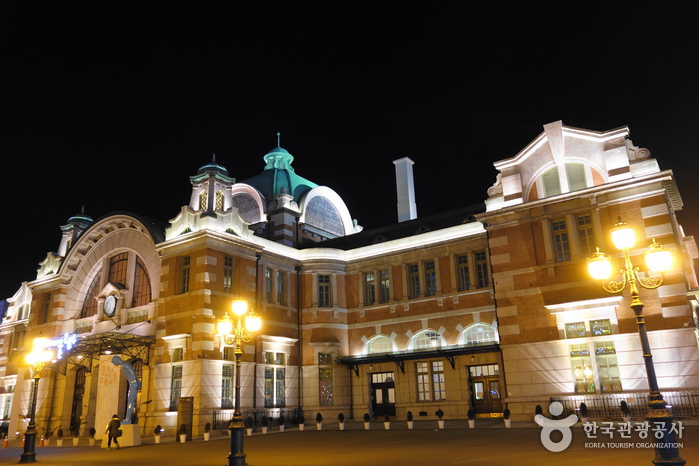
Gare culturelle de Séoul 284 (ancienne gare de Séoul) (문화역서울 284)
2.0Km 2023-04-26
426, Cheongpa-ro, Jung-gu, Seoul-si
L’ancien bâtiment de la gare de Séoul a été conçu par Tsukamoto Yasushi, professeur à l’Université de Tokyo. La construction de la station a commencé en juin 1922 et a été complété en septembre 1925. Avant la construction du bâtiment, la gare de Séoul était seulement un bâtiment en bois à 2 étages (33 m²) appelé « l‘arrêt Namdaemun ». Il était situé entre la gare de Séoul actuelle et Yeomcheongyo et était un arrêt pour la ligne de train Gyeongin (Séoul-Incheon). Le nom de la station est devenu « station Gyeongseong » en octobre 1910 et quelques années plus tard, 3 lignes de trains supplémentaires ont été ouvertes (ligne Gyeongbu en 1904, ligne Gyeongui en 1905, et ligne Gyeongwon en 1914).
Le nouveau bâtiment à 2 étages (niveau inférieur 1 et 1 niveau supérieur) a été construit en bois et en brique avec une toiture en ardoise soutenue par une armature en fer. Le premier étage a été bâtit dans un style Renaissance et le second étage a été décoré avec des briques rouges et du granite.
Après que la Corée ait regagné son indépendance face à la colonisation japonaise, le gouvernement américain a pris le contrôle de la station Gyeongseong (1946) et en 1947, le nom est alors devenu « Gare de Séoul ».
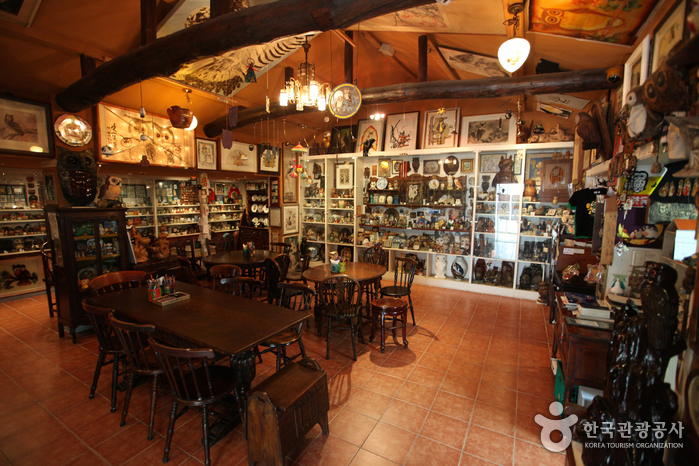
Musée des chouettes (부엉이박물관)
2.0Km 2022-09-19
143, Bukchon-ro, Jongno-gu, Seoul-si
Si vous êtes un passionné des chouettes et que vous aimez l’art des pliages, nous vous conseillons le musée des chouettes. Ce musée ayant pour thème les chouettes, comporte nombre d’oeuvres d’art, de pliages, d’objets utilitaires et accessoires en tout genre. Ces objets proviennent de 70 pays tels que la Chine, les Etats-Unis, la République Tchèque ou la Pologne. Plus de 2,000 pièces y sont exposées.
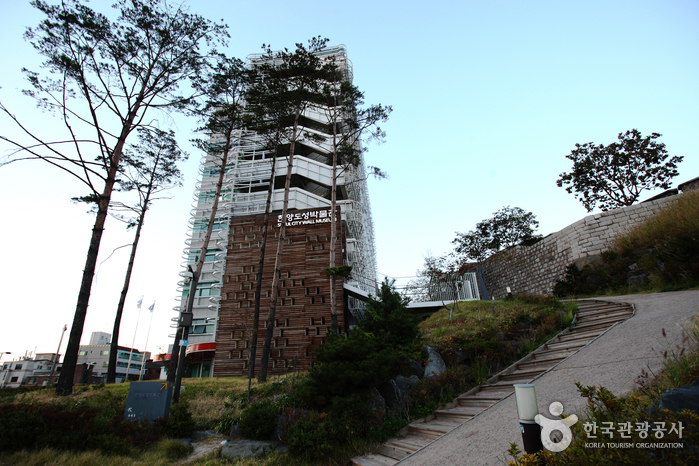
Musée des murailles de Séoul (한양도성박물관)
2.0Km 2021-09-15
283, Yulgok-ro, Jongno-gu, Seoul
La muraille de Séoul (Hanyangdoseong) a été construite pour désigner les limites de la capitale et protéger la ville des attaques extérieures. Hanyangdoseong qui faisait plus de 18, 627km est la muraille qui est restée le plus longtemps 'muraille de défense' parmi celles des capitales qui existent de nos jours. Le musée des murailles de Séoul, situé au début de la rue Sunseong, présente l'histoire de la muraille et les valeurs du patrimoine culturel.
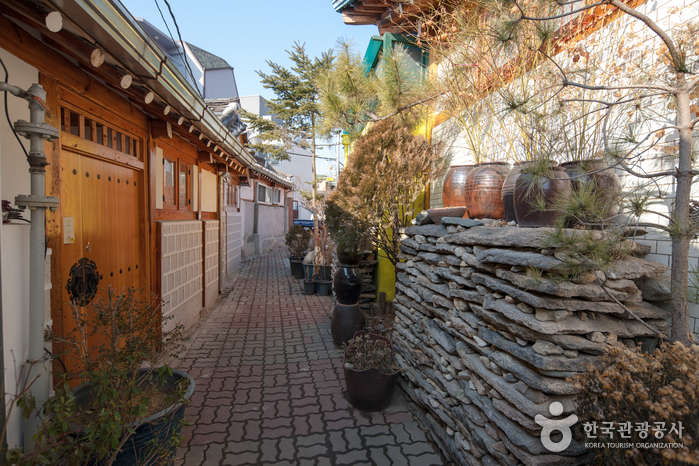
Village Seochon (서촌마을)
2.0Km 2021-07-14
45, Pirundae-ro, Jongno-gu, Seoul
Le village Seochon se situe à l'est du palais Gyeongbokgung. Il s'agit d'un lieu composé à la fois de maisons traditionnels hanok, de petites ruelles paisibles, mais aussi de nouveaux magasins qui forment une très belle harmonie dans le village. En parcourant les nombreuses petites ruelles des lieux, vous pourrez aussi apprécier plusieurs peintures murales très colorèes. Ce village se distingue donc par son côté à la fois pittoresque mais aussi raffiné.
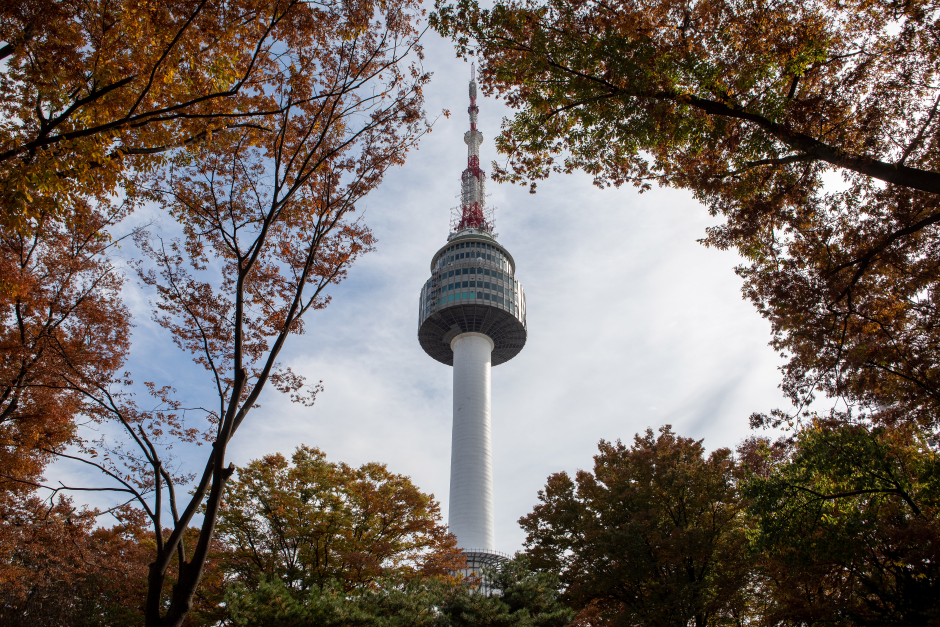
Tour Namsan Seoul (남산서울타워)
2.0Km 2025-09-02
105, Namsangongwon-gil, Yongsan-gu, Seoul
La Namsan Seoul Tower est la première tour de radiodiffusion polyvalente de Corée, construite à la fois pour assurer une transmission efficace des ondes et pour offrir un observatoire touristique intégrant l’esthétique traditionnelle coréenne. Tout comme les grandes tours emblématiques du monde, devenues symboles de leurs pays ou de leurs villes, la Namsan Seoul Tower est depuis plus de quarante ans un site touristique majeur et un véritable emblème de Séoul. Grâce à sa hauteur visible depuis l’ensemble de la ville, ainsi qu’à son architecture singulière, la tour est devenue un repère aimé des habitants et un lieu incontournable pour les visiteurs, coréens comme étrangers. Plus récemment, sa notoriété s’est accrue en tant que lieu de tournage de nombreuses émissions de divertissement et de dramas liés à la vague Hallyu, attirant un flux constant de touristes du monde entier.

Sangchonjae (상촌재)
2.1Km 2023-08-25
12-11 Sangchonjae, Jahamun-ro 17gil, Jongno-gu, Seoul
Sangchonjae House, administré par la Fondation culturelle de Jongno, désigne un espace culturel hanok situé dans le village de Sejong, Ogin-dong, Jongno-gu. Le site propose différentes activités culturelles autour des traditions en Corée.
 Français
 한국어
한국어 English
 日本語
日本語 中文(简体)
 Deutsch
 Español
 Русский


