
Lac Ajung (아중호수)
9.0Km 2024-07-09
1111-5, Uadong 1ga, Deokjin-gu, Jeonju-si, Jeonbuk
Le lac Ajung désigne un large réservoir qui fut construit pour aider les productions agricoles locales avant de devenir un lieu de villégiature pour les résidents. Le lac abrite des chemins de promenade aménagés réputés notamment en soirée.
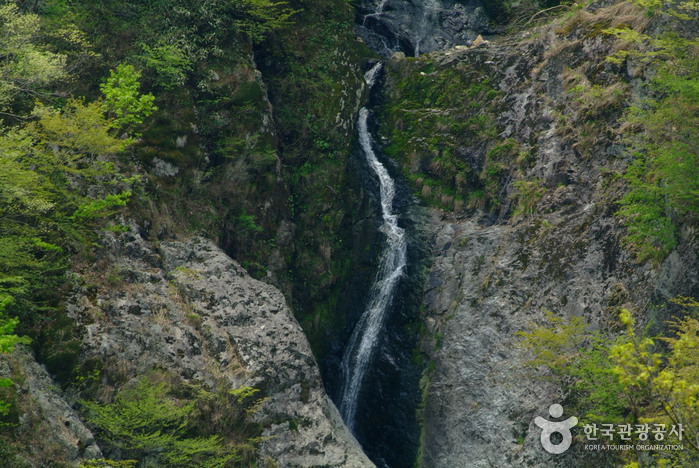
Cascade d'Uibong (위봉폭포)
9.1Km 2024-04-07
Daeheung-ri, Soyang-myeon, Wanju-gun, Région Jeonbuk
+82-63-290-3930
Situé à l’Est de la forteresse de Wibongsanseong, la cascade de Wibong est une chute d’eau à deux niveaux haute de 60 m. Cette célèbre cascade comptait autrefois parmi les Huit plus beaux paysages de Wansan. Les rochers aux formes étranges, ainsi que les épais bosquets près de la cascade forment un magnifique tableau. Non loin de là se trouve l’ancien champ de battaille de la guerre Ungchi (monument de la province du Jeollabuk-do n° 25) où les habitants de la région ont férocement combattu l’envahisseur japonais durant la guerre Imjin. On y trouve aussi le temple Songgwangsa au pied du mont Jongnamsan, et le réservoir Dongsang, le réservoir Daea et les sources chaudes Hwasim sur le courant inférieur.
Marché Shin Jungang de Jeonju (전주 신중앙시장)
9.1Km 2025-08-12
70 Taepyeong 3-gil, Wansan-gu, Jeonju-si, Jeonbuk-do
063-253-6535
Le marché de Jungang est l’un des quatre grands marchés traditionnels de Jeonju. Les quatre marchés sont le marché de Nambu, le marché de Dongbu, le marché de Jungang et le marché de Moraenae. À l’entrée du marché de Jungang se trouve une allée dédiée aux gâteaux de riz (tteok), facilement accessible et très prisée pour son excellent rapport qualité-prix. On y trouve une grande variété de tteok, populaires aussi bien comme en-cas que comme cadeaux. L’ambiance animée propre aux marchés traditionnels et l’accueil chaleureux des commerçants font également tout le charme de ce lieu. Ce marché traditionnel de Jeonju est apprécié de longue date aussi bien par les habitants que par les visiteurs.

Lycée Jeil (전주 제일고등학교)
9.4Km 2024-10-25
180-1 Namnosong-dong, Wansan-gu, Jeonju-si, Jeju
La scène de Na Heedo (Kim Taeri) et de Baek Iijin (Nam Joohyuk) a été tournée dans ce lycée à Jeonju.
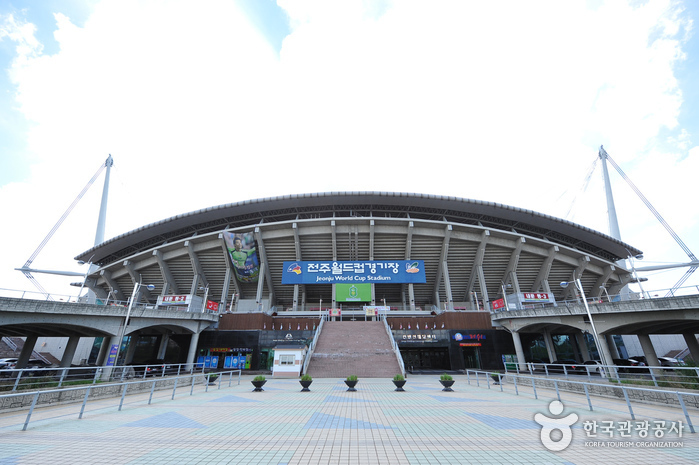
Stade de la Coupe du Monde de Jeonju (전주월드컵경기장)
9.5Km 2024-04-07
1055, Girin-daero, Deokjin-gu, Jeonju-si, Région Jeonbuk
+82-63-239-2546
Le stade de Jeonju a été construit à l’occasion de la Coupe du Monde de Football 2002 en Corée du Sud et au Japon. Inspirée de la forme d’un éventail traditionnel de la région appelé “hapjukseon”, cette architecture vise à représenter la beauté des lignes traditionnelles coréennes (voir la photo ci-dessus). Le stade s’étend sur 562.930m2, équipé d’un sous-sol et de six étages. Il peut contenir jusqu’à 42.500 spectateurs.
Installées tout près du terrain, ses places vous offriront le plaisir de suivre un match dans une ambiance excitante.
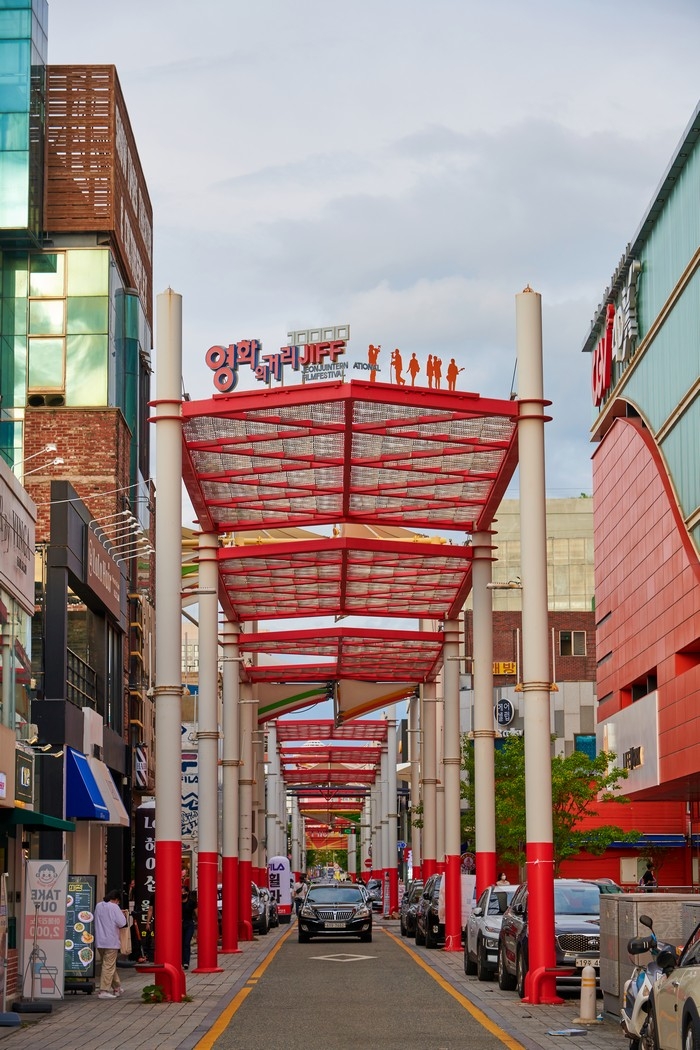
Rue du cinéma à Jeonju (전주 영화의 거리)
9.6Km 2024-07-09
Gosa-dong, Wansan-gu, Jeonju-si, Jeongbuk
La rue du cinéma de Jeonju est le lieu qui accueille le Festival international du film de Jeonju, une rue reliée à la rue Gaeksa réputée pour le shopping dans l'ancien centre-ville de Jeonju.
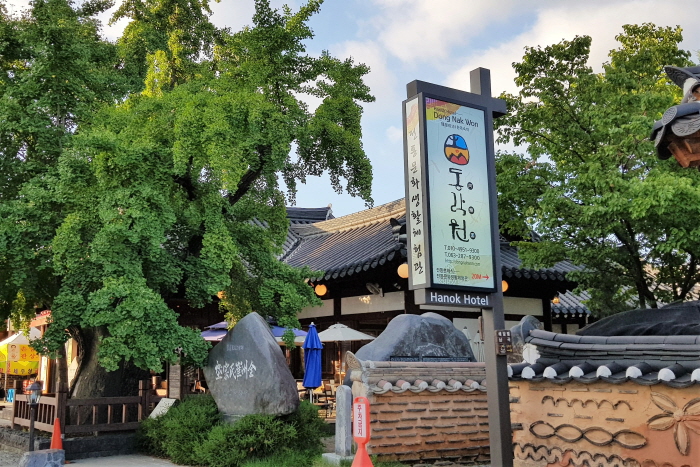
Dong Nak Won / 동락원
9.6Km 2025-03-05
33-6, Eunhaeng-ro, Wansan-gu, Jeonju-si, Région Jeonbuk
+82-63-287-9300
Hanok Hotel Dongrakwon used to be a memorial hall for Missionary M. Junkin who worked in Jeonju in 1985, and had long been used as an official residence for the Bank of Korea. The 100-year-old Hanok retains the history and culture that modern hotels do not have. Since the renovation to make it a hanok hotel, it is now utilized as a space for traditional music performances, traditional weddings, or small weddings. The entire building can be rented for various gatherings, seminars, conferences, family events, and so on. The beauty of a hanok is found in every corner of Dongrakwon such as the wide lawn, the pond in front of Sarangchae, and the jar stand next to Anchae. The antique furniture and folding screen in the rooms have been used for generations, enabling guests of the hanok to time travel to 50-100 years ago.
The yard is a great place to play simple Korean traditional plays such as Jegichagi and Dakjichiji, whereas the free-of-charge red clay sauna will relieve fatigue. The outdoor hot / cold bath and sun bath site is a new addition to Dongrakwon.
There is a 600-year-old Ginkgo tree standing on the Eunhang-ro, where the accommodation is located. Opposite the alley is Donghak Revolution Memorial Exhibition Hall; Gyeonggijeon East Gate is 200m away. The hotel is close to Taejo-ro, the busiest street of Jeonju Hanok Village; neighboring Eunhang-ro, Choi Myeong Hee-gil, and Eojin-gil all retain the unique quietness and beauty of Hanok Village. It will be also nice to ride on the mountain bike that Dongrakwon offers free of charge in order for guests to visit corners of the Hanok Village, or ride along the Jeonjucheon Stream.
Festival International du Film de Jeonju (전주 국제영화제)
9.7Km 2025-07-09
22, Jeonjugaeksa 3-gil, Wansan-gu, Jeonju-si, Jeonbuk-do, Republic of Korea
Secrétariat de Jeonju +82-63-288-5433
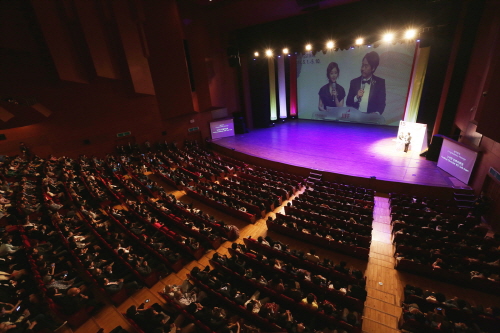
Le Festival International du Film de Jeonju, excitante combinaison entre le plaisir et le cinéma, est une fantastique sortie printanière de neuf jours proposant un grand nombre d’évènements et de films. Il se tient sur la « Movie Street » (Gosa-dong, Jeonju), une rue bourrée de cinémas. Durant les festivités, les rues s’animent de cette énergie contagieuse et de l’enthousiasme des aficionados. Venez vous amuser ce printemps durant la fête du cinéma de Jeonju !
Inyeon Hanok (인연)
9.7Km 2024-07-01
36, Hanji-gil, Wansan-gu, Jeonju-si, Région Jeonbuk
+82-10-2908-4965
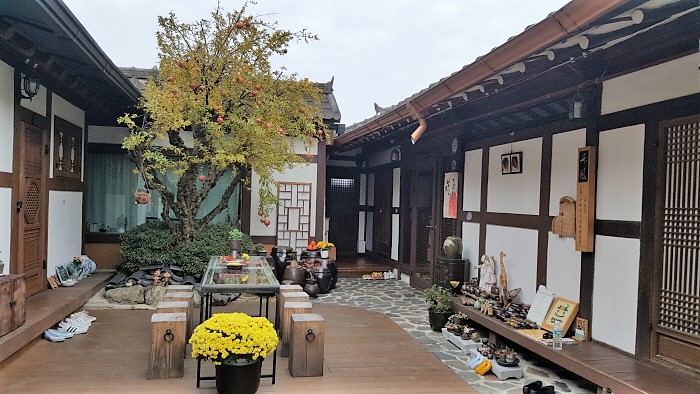
The Korea's largest "hanok (traditional Korean house)" village in the middle of Jeonju, Jeollabuk-do has been there for hundreds of years. Today, you can see new as well as old houses there. “Inyeon” is one of the traditional Korean houses located near the public parking lot on the outskirts of the hanok village, making it a great place to stay overnight in quiet. The word "inyeon" means "relationship" in Korean, referring to all types of ties with other people. The owner of the guesthouse named the place as such because she is greatful for all the guests and wanted to treat them well. She opened the guesthouse in September 2014. Since then, she has been kind enough to tell her guests which places are good to visit and which foods are delicious. She makes sure all the facilities including sheets and blankets are maintained clean for her guests to have a memorable stay. Built in the 1960's and remodeled in 2008, the traditional house is neat with most of the traditional features. It has four guestrooms named "Apricot Flower", "Orchid", "Chrysenthemum", and "Bamboo". The "Orchid Room" and "Bamboo Room" can accommodate up to seven people. The floor is covered with lacquered traditional Korean paper, and there are a number of traditional items in the room including the Korean gong. The traditional Korean ceiling rafters are visible in all the rooms.
All the rooms are furnished with a bathroom, air conditioner, TV, refrigerator, toiletries, and hair dryer. There is a 200-year-old pomegranate tree in the yard, and a table and chairs right in front of it for the guests to relax on a fair day. The table made of an old door and chairs made of a log under the red pomegranates are one of the most outstanding features of this guesthouse. There are lots of traditional items in the yard with which you can play traditional Korean games such as "yutnori" and "jegichagi", all of which can be used by the guests for free.
Jeonju Nanjang (전주난장)
9.8Km 2024-04-08
33-20, Dongmun-gil, Wansan-gu, Jeonju-si, Région Jeonbuk
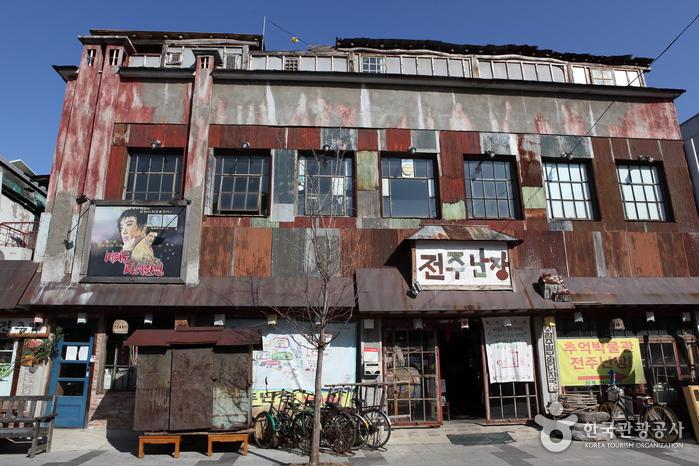
Jeonju Nanjang désigne un musée construit comme un parc thématique situé dans le village des hanok de Jeonju, un endroit idéal pour les prises de photo et les activités autour des traditions de Corée.
 Français
 한국어
한국어 English
 日本語
日本語 中文(简体)
 Deutsch
 Español
 Русский


