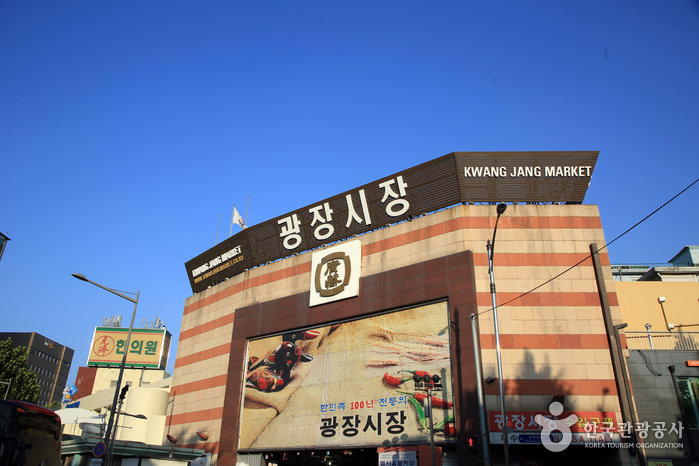
Gwangjang Market (광장시장)
3.1Km 2024-07-08
88, Changgyeonggung-ro, Jongno-gu, Seoul
+82-2-2267-0291
Gwangjang Market was the first permanent market in Korea and continues to thrive as a popular tourist destination today. The name Gwangjang means "to gather from afar and keep altogether." The market began as a small trading center that brought in goods from nearby regions, but has now grown into a large wholesale market selling a variety of goods, including upholstery, imported goods, groceries, dried fish, traditional goods, and more. The most popular section of the market is the food street connected to the East Gate, North Gate 2, and South Gate 1. The food street caters to a wide range of patrons due to the plethora of menus available. It is also one of the most recommended tourist attraction for international travelers.

![Jellycrew - Ewha Womans Univ. Branch [Tax Refund Shop] (젤리크루 이대점)](http://tong.visitkorea.or.kr/cms/resource/58/3313658_image2_1.jpg)
Jellycrew - Ewha Womans Univ. Branch [Tax Refund Shop] (젤리크루 이대점)
3.2Km 2024-06-27
26, Ewhayeodae-gil, Seodaemun-gu, Seoul
-
Woo Lae Oak (우래옥)
3.2Km 2024-03-07
62-29 Changgyeonggung-ro, Jung-gu, Seoul
+82-2-2265-0151
Woo Lae Oak is a Pyeongyang naengmyeon (Pyeongyang cold buckwheat noodles) restaurant established in 1949. Its signature dish is the Pyeongyang naengmyeon, known for their clean and light broth. Alongside the onmyeon (warm noodles), they also serve bulgogi, which complements the warm broth perfectly. The restaurant is renowned to the extent that customers often line up to dine, and it was selected for the Michelin Guide 2023.
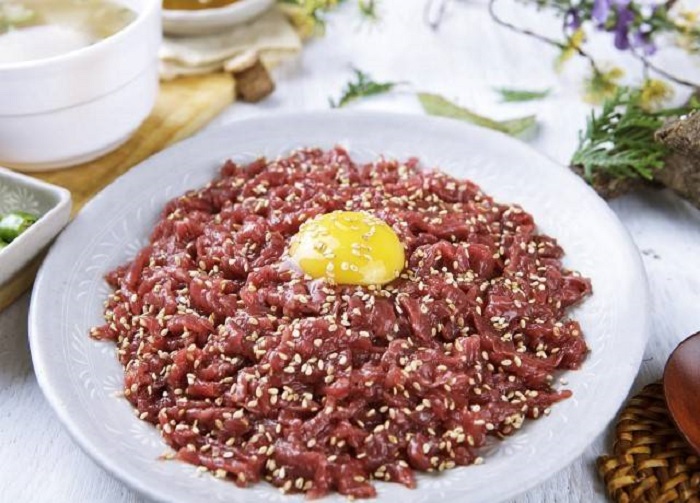
Buchon Yukhoe (부촌육회)
3.2Km 2024-03-04
200-12 Jong-ro, Jongno-gu, Seoul
Buchon Yukhoe is a renowned restaurant located in Gwangjang Market's Beef Tartare Street, selected by the Michelin Guide in 2023. It specializes in yukhoe (beef tartare), a Korean-style raw beef dish marinated with sesame oil and pear. The restaurant uses fresh Korean beef supplied daily, ensuring a delightful and nutty flavor. The simple seasoning enhances the natural taste of the ingredients, and the yolk-topped yukhoe adds visual appeal to the dish.
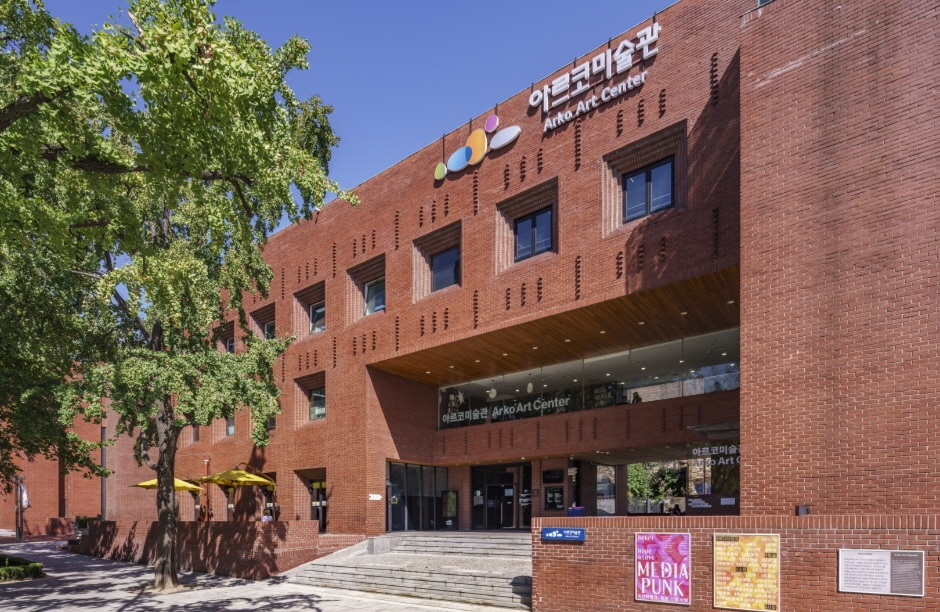
ARKO Art Center (아르코미술관)
3.2Km 2025-06-05
3, Dongsung-gil, Jongno-gu, Seoul
+82-2-760-4850
ARKO Art Center was founded in 1974 as Misulhoegwan in a building of former Deoksu Hospital in Gwanhun-dong, Jongno-gu to offer much-needed exhibition space for artists and arts groups. In 1979, Misulhoegwan moved to its present building, designed by preeminent Korean architect Kim Swoo-geun (1931-1986) and located in Marronnier Park, the former site of Seoul National University. The two neighboring brick buildings accommodating ARKO Art Center and ARKO Arts Theater are the major landmarks of the district of Daehakro.
As more public and private museums and commercial galleries came into the art scene in the 1990s, Misulhoegwan shifted to curating and presenting its own exhibitions. Renamed as Marronnier Art Center in 2002, ARKO Art Center assumed a full-fledged art museum system and played an increasingly prominent role as a public arts organization leading the contemporary art paradigm. When The Korea Culture and Arts Foundation was reborn as Arts Council Korea, Marronnier Art Center became ARKO Art Center named after the abbreviation for Arts Council Korea in 2005.
ARKO Art Center is committed to working as a platform where research, production, exhibitions and the exchange of creative activities grow and develop in connection with one another in addition to having a diversity of programs including thematic exhibitions addressing social agenda and public programs widely promoting various discourses in art.
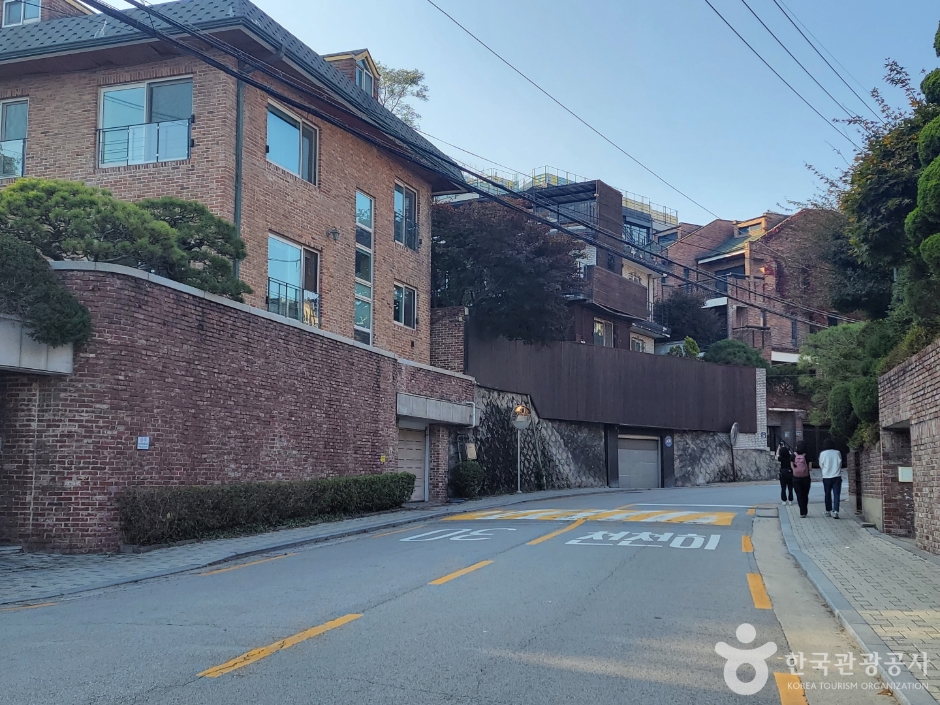
Seongbuk-dong–Bukchon Hanok Village Course (성북동고택북촌산책길)
3.2Km 2025-11-06
68, Seonjam-ro 5-gil, Seongbuk-gu, Seoul
The Seongbuk-dong–Bukchon Hanok Village Course is a nostalgic path connecting famous old houses in Seongbuk-dong and Bukchon Hanok Village, divided by the old city walls. Along the way, you'll find historic sites like Gilsangsa Temple, Jeongbeopsa Temple, Han Yong-un’s Simujang House, and novelist Lee Tae-jun's House. The trail also features charming cultural spots, such as the traditional tea house Sooyeon Sanbang and the Seongbuk Museum of Art.
◎ Travel information to meet Hallyu’s charm - "Parasite"
The scene in the alley where Ki-woo visited Mr. Park's house in a wealthy neighborhood for expensive tutoring was filmed in a residential area in Seongbuk-dong. Seongbuk-dong, an old wealthy village, has luxury mansions lined up in. There are many pretty cafés and galleries here and there, so it's good to take a leisurely look around. Mr. Park's house was a filming set, which was demolished after filming.
 English
 한국어
한국어 日本語
日本語 中文(简体)
 Deutsch
 Français
 Español
 Русский


