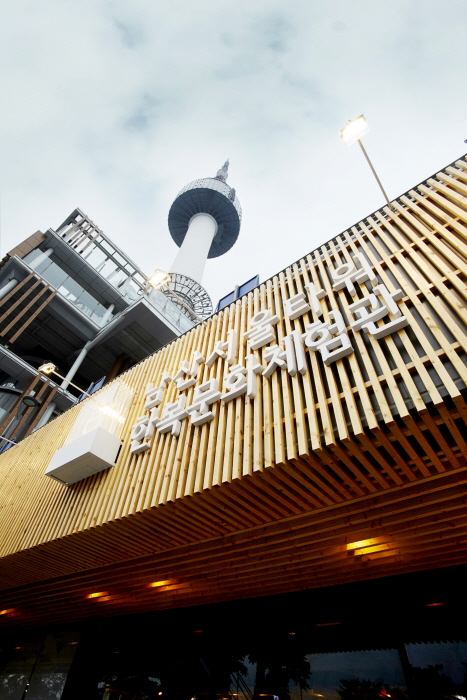
Namsan Seoul Tower Hanbok Culture Experience Center (남산서울타워 한복문화체험관)
2.5Km 2021-03-16
105, Namsangongwon-gil, Yongsan-gu, Seoul
Namsan Seoul Tower Hanbok Culture Experience Center is located in the lobby level (B1) of Seoul's landmark Namsan Seoul Tower. The center is designed around the theme of the Joseon dynasty, and features both large photo zones and hanbok of various styles, ranging from traditional to modern and even wedding.

N Seoul Tower (남산서울타워)
2.5Km 2025-10-23
105 Namsangongwon-gil, Yongsan-gu, Seoul
+82-2-3455-9277
Namsan Seoul Tower was the first multipurpose tower to be established in Korea, effectively incorporating a sightseeing observatory into a broadcasting tower. For the past 40 years, Namsan Seoul Tower has served as an iconic landmark of Korea and a representative tourist attraction. The tower's observatory offers an unobstructed view of the whole city, allowing it to become one of the all-time favorite attractions of Seoul citizens as well as domestic and international tourists. Featured in many dramas and reality shows, it is also a fan-favorite destination. Another highlight of the tower is the Namsan Cable Car. The cable car began its operation in 1962, transferring passengers from the foot of the mountain to the base of the tower. Shuttle buses to the Namsan Cable Car from downtown Seoul are also available for visitors' convenience.
◎ Travel information to meet Hallyu’s charm
In TXT’s content “TALK X TODAY,” the youngest members, Huening Kai and Taehyun, enjoyed a day out in their school uniforms. They rode the cable car to the top, took pictures together, and secured their wish lock. You can purchase locks at the souvenir shop near the cable car station at the top of the mountain, where name pens are also available to write down your wishes.

HANCOOK N Seoul Tower (한쿡 N서울타워)
2.5Km 2024-03-15
(Tower 3F), 105, Namsangongwon-gil, Yongsan-gu, Seoul
+82-2-3455-9292
HANCOOK is a Korean restaurant located within the N Seoul Tower, from which one can see the entirety of Seoul. The restaurant presents the traditional flavors and food culture of Korea through its Lunch and Dinner Special Courses, as well as nearly 30 a la carte menu. The latter includes Bulgogi bibimbab bansang (Grilled bulgogi bibimbap) and chamsut hanu gui bansang (charcoal-grilled Korean beef & cold buckwheat noodles).
THE PLACE Dining(더플레이스다이닝)
2.5Km 2024-03-08
ソウル特別市ヨンサン区ナムサンゴンウォンギル105
+82-2-3455-9220
THE PLACE Dining(ザ・プレイス・ダイニング)はNソウルタワーにあるイタリアンレストランです。窓の外が見えるカップル専用席でピザやパスタなどをワインと一緒に楽しめます。ルーフトップガーデンテラスと空中遊歩道からはタワー一帯のソウル市街が見下ろせます。シグネチャーメニューは予約必須のスペシャルコースとポーターハウスです。予約は電話でのみ受け付けています。
n.GRILL (엔그릴)
2.5Km 2024-03-08
(7F, N Seoul Tower), 105, Namsangongwon-gil, Yongsan-gu, Seoul
+82-2-3455-9297
n.GRILL is a French restaurant located on the seventh floor, the highest floor in the N Seoul Tower. The restaurant rotates 360 degrees, so one can enjoy the food with the view of Seoul. n.GRILL is particularly famous as a place for marriage proposals, thanks to its beautiful view of Seoul at night. It is a perfect place for those who want special spaces and events.
Bugaksan Mountain (북악산)
2.5Km 2024-03-04
Cheongun-dong, Jongno-gu, Seoul
+82-2-765-0297
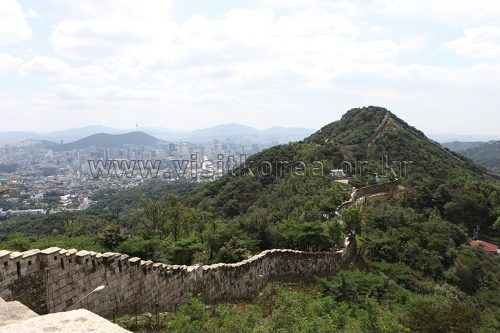
Bugaksan Mountain is the mountain that one can see behind the Gyeongbokgung Palace and the Cheong Wa Dae to the north. Hanyangdoseong, the city wall that surrounded the historic capital of Hanyang, was built by connecting the ridges of this mountain. These walls can still be found today, having been preserved quite well. Different trails weave through the area along the Hanyangdoseong, the Seoul City Wall, and one can visit these trails at night as well. Bugak Skyway is a road that connects Changuimun Gate to Jeongneung Royal Tomb, and one can get a great view of Seoul’s city center from the Palgakjeong Pavilion on Bugak Skyway.
 English
 한국어
한국어 日本語
日本語 中文(简体)
 Deutsch
 Français
 Español
 Русский


