
Bright Eye Clinic (밝은눈안과의원)
7.9Km 2025-10-23
15th, 17th Floors, Kyobo Tower, 465 Gangnam-daero, Seocho-gu, Seoul
Bright Eye Clinic is a specialized ophthalmology center that became the first in Asia to adopt the ZEISS VisuMax system in 2009. To date, the clinic has performed more than 700,000 surgeries, including SMILE Pro, LASIK, LASEK, ICL, presbyopia, and cataract procedures. In 2024, it was recognized as the world’s leading institution in presbyopia lens implantation and is the only eye clinic in Seoul with KAHF certification.
Konkuk University Medical Center (건국대학교병원)
7.9Km 2025-10-23
120-1 Neungdong-ro, Gwangjin-gu, Seoul
Founded in 1931, Konkuk University Medical Center utilizes the latest medical technologies and advanced equipment to provide the highest level of healthcare services. We have state-of-the-art medical devices and equipment including the latest robotic surgery systems and a complete medical computerization system, 842 beds, 9 focus centers,14 specialized treatment centers, and a healthcare center for accurate early diagnosis.
Under the safe treatment system, our best medical staff and employees who communicate and empathize with patients do our best to create a patient-centered hospital that both patients and their families can trust the most.
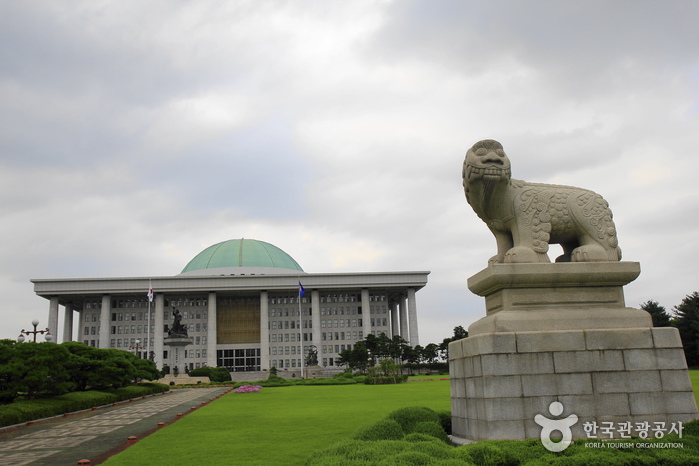
The National Assembly Building (국회의사당)
7.9Km 2024-02-29
1, Uisadang-daero, Yeongdeungpo-gu, Seoul
+82-2-788-2114
The National Assembly Building stands as the symbol of Korean democracy. It consists of the National Assembly Building, the National Assembly Library, and the Memorial Hall. Visitors can take part in programs such as observing the Plenary Chamber and visiting the Children's Museum. Because it is a great place to learn about Korean history and politics, it is a popular tourist site. Visitors are required to make reservations for their visit, which can be done through the webpage.
![Central Pharmacy [Tax Refund Shop] (센트럴약국)](http://tong.visitkorea.or.kr/cms/resource/64/2887964_image2_1.jpg)
Central Pharmacy [Tax Refund Shop] (센트럴약국)
7.9Km 2024-04-16
F1 (Nonhyeon-dong), 211, Bongeunsa-ro, Gangnam-gu, Seoul
-
Children's Dental Center (씨디씨어린이치과의원)
8.0Km 2025-10-23
11, Hakdong-ro 97-gil, Gangnam-gu, Seoul
Opened in 1992, Children's Dental Center (CDC) is Korea's first pediatric and adolescent dental clinic.
Our six-member medical staff is committed to providing the best care in the main building with five floors and the annex with four floors dedicated to children's dentistry.
We do not just treat children’s teeth. We are here to respect them as a whole person and care for them with love. Through consultations among dentists specializing in diagnosis, prevention, dental restoration, surgery, occlusal guidance, and orthodontics, we choose the best approach for your child.
We boast state-of-the-art digital medical equipment and interiors designed with children in mind. All of us at CDC will continue to commit ourselves to treating and preventing oral disease in children.
![Medicube Clinic [Tax Refund Shop] (메디큐브의원)](http://tong.visitkorea.or.kr/cms/resource/72/2887872_image2_1.jpg)
Medicube Clinic [Tax Refund Shop] (메디큐브의원)
8.0Km 2024-04-19
6F, #601, 463, Gangnam-daero, Seocho-gu, Seoul
-
Lante Obgyn (랑뜨산부인과의원)
8.0Km 2025-10-23
(5th Floor, Regen Medical Tower), 463 Gangnam-daero, Seocho-gu, Seoul
The services of Lante Obgyn are provided by an all-female medical staff, including four obstetrics and gynecologist and they specialize in a variety of gynecological surgeries including labiaplasty and urinary incontinence surgery.
In addition to obstetrics/gynecology care, we provide a comprehensive, one-stop care for a wide range of women's needs (hair removal, obesity management, aesthetic medicine, IV therapy, menopause treatment, vaccinations, etc.) as well as lasers, fillers, and various other procedures that require less downtime and allow you to return your daily life on the same day.
Located in Gangnam (Sinnonhyeon Station, Exit No. 8), we are easily accessible and have partnership with Seoul National University Hospital, Severance Hospital, the Catholic University of Korea Seoul St. Mary's Hospital, Cha Hospital, Samsung Medical Center, and Asan Medical Center.
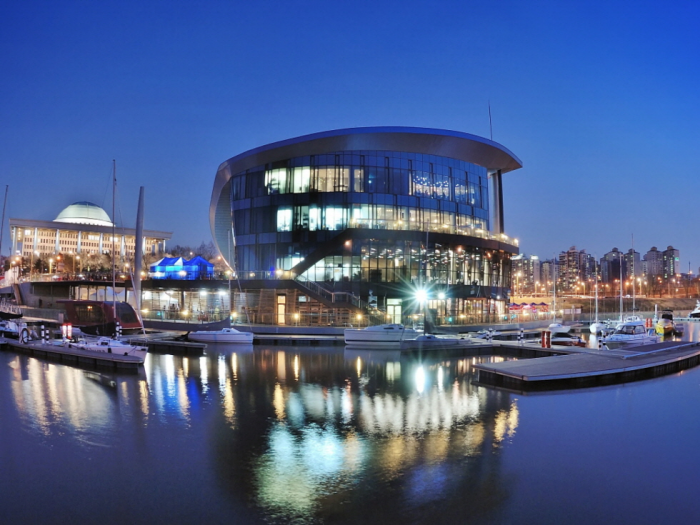
Seoul Marina Club & Yacht (서울마리나 요트&클럽)
8.0Km 2025-04-14
160 Yeouiseo-ro, Yeongdeungpo-gu, Seoul
+82-2-3780-8400
Located right behind the National Assembly of the Republic of Korea, this marina facility has a rather unique scenery that one cannot easily find in Korea, thanks to the view of the Hangang River and the yachts moored at the marina. Professionals operate the yachts here, so safety is guaranteed. Yacht rides here are popular because one can enjoy a sailing experience in the city center. Another draw of the yacht rides here is the scenery of Seoul, especially at night.
![J.Estina - Lotte STARCITY Branch [Tax Refund Shop] (제이에스티나 롯데 스타시티점)](http://tong.visitkorea.or.kr/cms/resource/22/2878822_image2_1.jpg)
J.Estina - Lotte STARCITY Branch [Tax Refund Shop] (제이에스티나 롯데 스타시티점)
8.0Km 2024-04-22
1F, 92, Neungdong-ro, Gwangjin-gu, Seoul
-
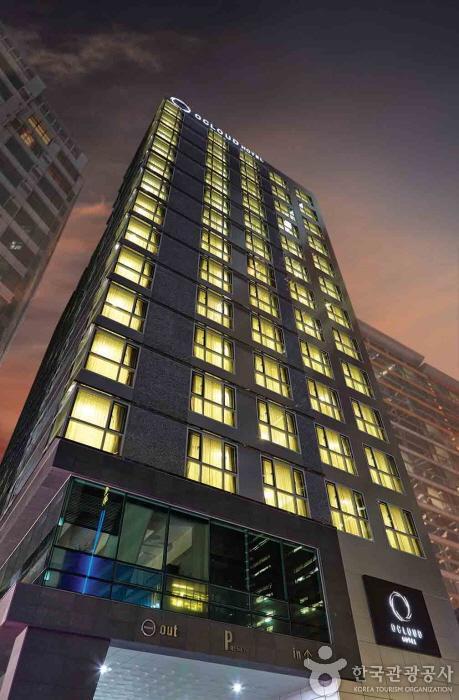
Ocloud Hotel (오클라우드호텔)
8.0Km 2024-12-13
12 , Sapyeong-daero 58-gil, Seocho-gu, Seoul
+82-2-3480-8640
Ocloud Hotel is a 4-star business hotel located at the heart of Gangnam, Seoul, making it an ideal place to stay for business travelers. The hotel offers various room types, including Standard, Deluxe, Family, and Suite, all of which are modern, clean and sure to leave guests satisfied. Each room is equipped with a microwave, wine glasses, and an iron. There is a restaurant that serves meals at a reasonable price on the B1 floor. A fitness center and laundry room are located on the 2nd floor, and from the rooftop garden you can enjoy a night view of downtown Seoul. Business rooms are also available.
 English
 한국어
한국어 日本語
日本語 中文(简体)
 Deutsch
 Français
 Español
 Русский


