
Jingogae (진고개)
266.6M 2024-03-12
19-1 Chungmu-ro, Jung-gu, Seoul
+82-2-2267-0955
Jingogae is a standing store that opened its doors in 1963. Its signature dish is the eobok jaengban (boiled meat slices hot pot), where thick slices of meat are stacked along with vegetables, mandu, rice cakes, and eggs, all boiled together. In addition to this, they also serve dishes such as gejang jeongsik (marinated crab set menu), gopchang jeongol (small intestine hot pot), galbitang (galbi soup), and yukgaejang (spicy beef soup). The spicy and richly seasoned yangnyeom gejang (spicy marinated crab) is also a popular menu item, which when paired with rice, enhances its flavors even further.
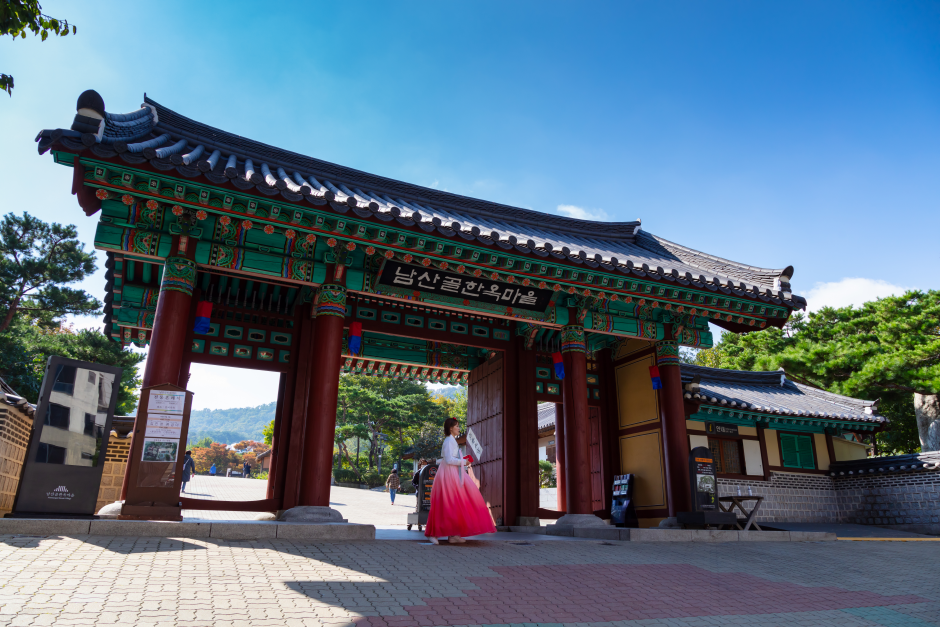
Namsangol Hanok Village (남산골한옥마을)
283.7M 2025-07-14
28 Toegye-ro 34-gil, Jung-gu, Seoul
Namsangol Hanok Village opened in 1998 on the northern side of Namsan Mountain in the center of the capital. This village has five restored hanok (traditional Korean house) premises, a pavilion, a traditional garden, a performance art stage, and a time capsule plaza, making it a perfect spot for locals and tourists to take a leisure walk. Upon entering from the front gate, visitors will get a taste of Korea's traditional life while escaping from bustling city life. The traditional garden with its pavilion and old houses creates a peaceful ambiance before the forested Namsan Mountain. A time capsule commemorating Seoul’s 600th anniversary was buried in 1994 at the highest point of the village and is scheduled to be reopened 400 years later in 2394.
The five hanok premises at Namsangol Hanok Village once belonged to aristocrats and government officials of the Joseon dynasty. Each house was originally located in a different neighborhood, but they were all moved to this area and restored to their original form. The houses were rebuilt using their original materials, except for one house, where the materials were too old and deteriorated to be reused. The premises were carefully restored and replicated according to their original form to depict the owners’ social class and personality. These buildings are now used as an exhibit to portray the living environment during the Joseon dynasty and as a venue for educational and cultural programs for children and tourists.
Some of the unique programs and activities to participate in include wearing hanbok, folding hanji (traditional Korean paper), writing in Korean, traditional tea ceremony, traditional etiquette school, and herbal medicine experience. There are also taekwondo demonstrations and other various performances held around the village. Visitors can also try traditional games such as yunnori (traditional board game), or understand more about the area through a guided tour.
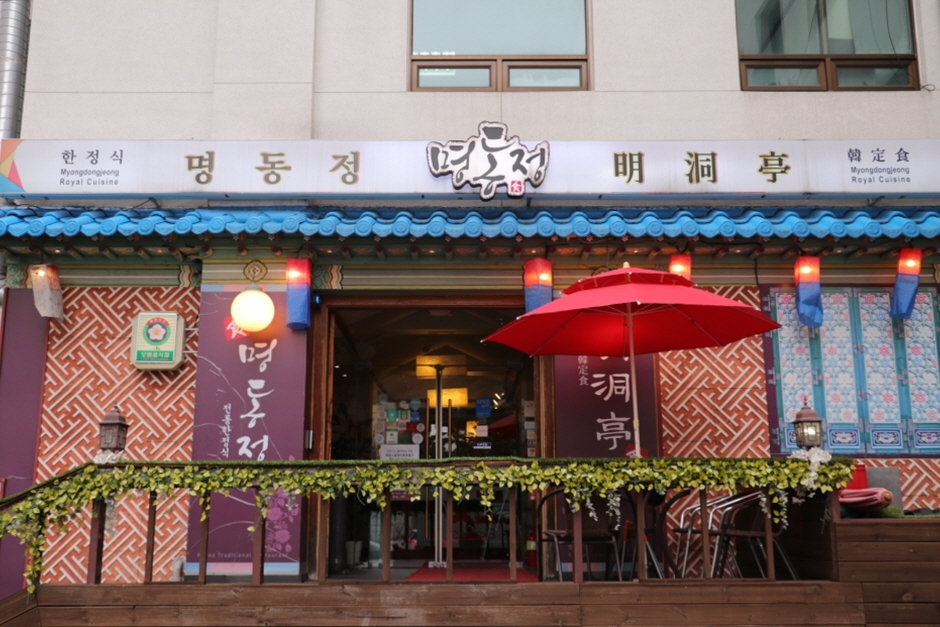
Myeongdongjeong Royal Cuisine Restaurant (명동정)
289.9M 2024-03-12
1F, 299, Samil-daero, Jung-gu, Seoul
+82-2-3789-5132
Located on Myeongdong Street, Myeongdongjeong Royal Cuisine Restaurant serves Korean traditional dishes. They offer Korean traditional dishes that were once prepared for Korean royalty and nobility, using premium ingredients such as blue crab, abalone, beef, shrimp, and pumpkin. Their Korean table d'hote menus feature youngran sang (weekday lunch special), myeongdong jeongsik (bulgogi and other traditional dishes), gwibin sang (abalone & beef rib stew with traditional various dishes), and haesin sang (high-quality seafood dishes). With various rooms and halls, the venue also has space for organizing simple parties.
![Samdaein [Tax Refund Shop] (삼대인)](http://tong.visitkorea.or.kr/cms/resource/23/2887823_image2_1.jpg)
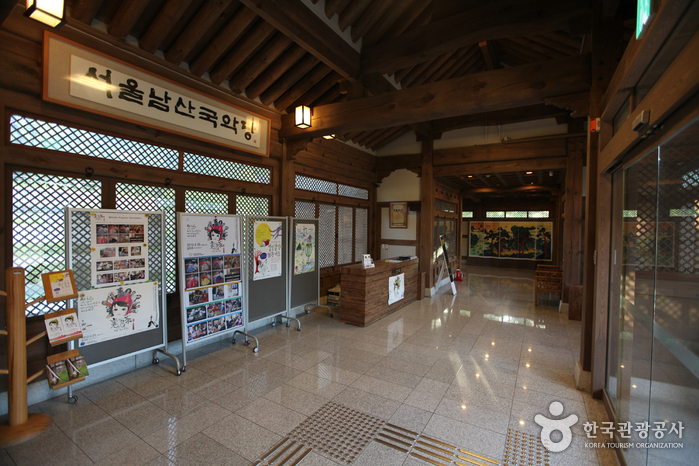
Seoul Namsan Gugakdang (서울 남산국악당)
318.3M 2021-08-02
28, Toegye-ro 34-gil, Jung-gu, Seoul
+82-2-2261-0500
Seoul Namsan Gukakdang was established by Seoul Metropolitan Government as a representative traditional art-centered performance hall in 2007. It is comprised of one ground and two basement levels. The performance hall is located on the basement floor with 300 seats, equipped with facilities that deliver pansori sounds and gayageum music to every seat. Visitors can make a reservation at the Namsangol Hanok Village website.
![Wiseyou Clinic - Myeong-dong Branch [Tax Refund Shop] (와이즈유의원코스메틱 명동)](http://tong.visitkorea.or.kr/cms/resource/68/2888068_image2_1.jpg)
Wiseyou Clinic - Myeong-dong Branch [Tax Refund Shop] (와이즈유의원코스메틱 명동)
347.0M 2024-04-17
3F, 52, Myeongdong 8ga-gil, Jung-gu, Seoul
-
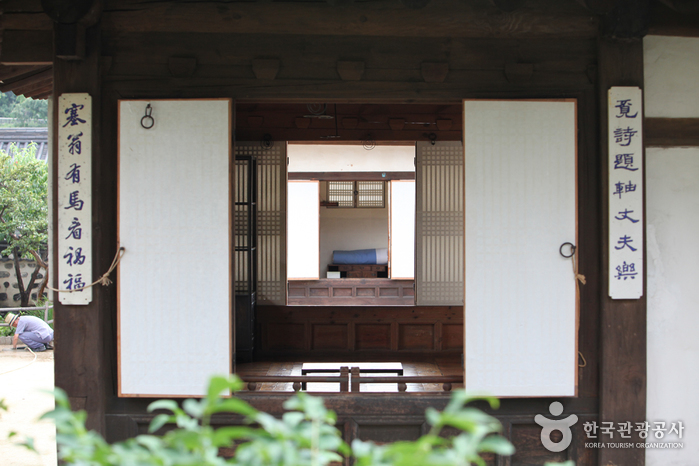
Haepungbuwongun Yun Taekyeong's Jaesil (해풍부원군윤택영댁재실)
369.7M 2021-11-10
28, Toegye-ro 34-gil, Jung-gu, Seoul
+82-2-3396-5882
Haepungbuwongun Yun Taekyeong's Jaesil is a shrine house built by the father-in-law of King Sunjong of Joseon dynasty in 1906 when his daughter was proclaimed the crowned princess of Joseon and entered Changdeokgung Palace to later become Queen Sunjeong. Red pine trees salvaged from the demolition of Gyeongungung Palace were used to construct the house. It was originally located in Jegi-dong, Dongdaemun-gu, but was later restored and moved to its present location. The shrine of the house that was destroyed in 1960 was also restored.
Because the house is more of a shrine rather than residential living quarters, it has many unique features. For example, unlike other houses, it has the anchae (women’s quarters) located across from sarangbang (men’s quarters) with daecheong (living room) positioned between them.
Seowon (서원)
373.7M 2024-03-11
141, Toegye-ro, Jung-gu, Seoul
+82-2-776-0214
Located in Myeongdong Street, Seowon focuses on porridge. It boasts a wide variety of porridge made with abalone, chicken, samgye (chicken and ginseng) mushrooms, oysters, shrimp, vegetables, etc. They also have Korean-style juices made with ginseng, fruits, and vegetables that goes well after finishing porridge. The restaurant opens early in the morning, so it's a great place to grab a quick breakfast.
Namsan Arts Center (남산예술센터)
391.5M 2021-08-26
138, Sopa-ro, Jung-gu, Seoul
+82-2-758-2150
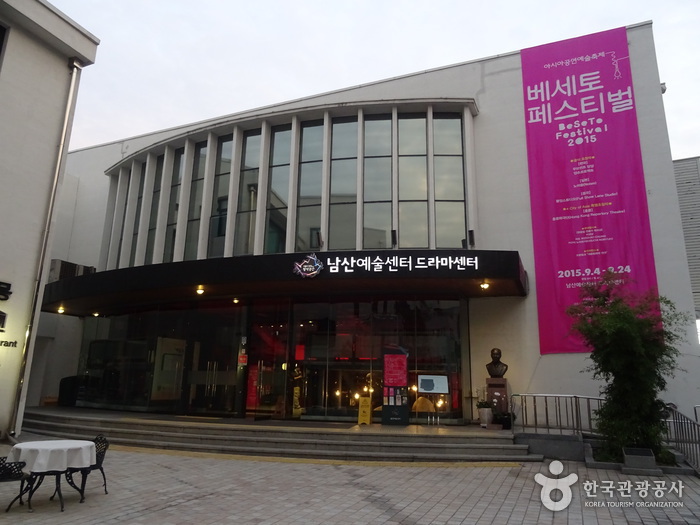
Namsan Arts Center, reopened as a creative space in Seoul in September 2009. It redefined the colors and characteristics of the theater, aiming for a modern theater production center centered on creative premieres, a contemporary performance venue where visitors can feel the pulse of the times, and a theater capable of various experiments.
Namsan Arts Center Drama Center is the first modern folk theater in Korea and the oldest performance hall in which the original architectural form has been preserved. Under the concept of "Contemporary & New Wave," the center continues to produce domestic original plays, and through active exchanges with excellent overseas theaters, build a repertoire of high-quality works that can read domestic and overseas trends, and present contemporary cultural diversity.
Myeongdong Guesthouse Como (명동게스트하우스 꼬모)
402.8M 2024-12-23
12 , Toegye-ro 24-gil, Jung-gu, Seoul
+82-2-755-5437
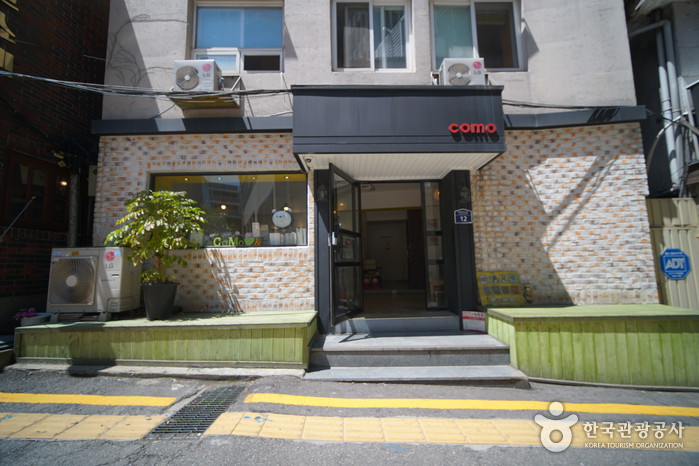
Como is a guesthouse in Jongno-gu, Seoul, just 3-minute’s walk away from Myeongdong Station on Line 4. Como is particularly popular with foreign travelers: staff are fluent in English and Chinese, and luggage storage is free of charge. Rooms come in different sizes to cater from single travelers to family groups, and all have a separate bathroom and toilet. Must-see local sights such as Namsan Seoul Tower, Sungnyemun Gate, and Namdaemun Market are easily reached by car or bus.
 English
 한국어
한국어 日本語
日本語 中文(简体)
 Deutsch
 Français
 Español
 Русский


