
Rockport - Lotte Seoul Station Branch [Tax Refund Shop] (락포트 롯데 서울역점)
3.4Km 2024-04-22
405, Hangang-daero, Jung-gu, Seoul
-
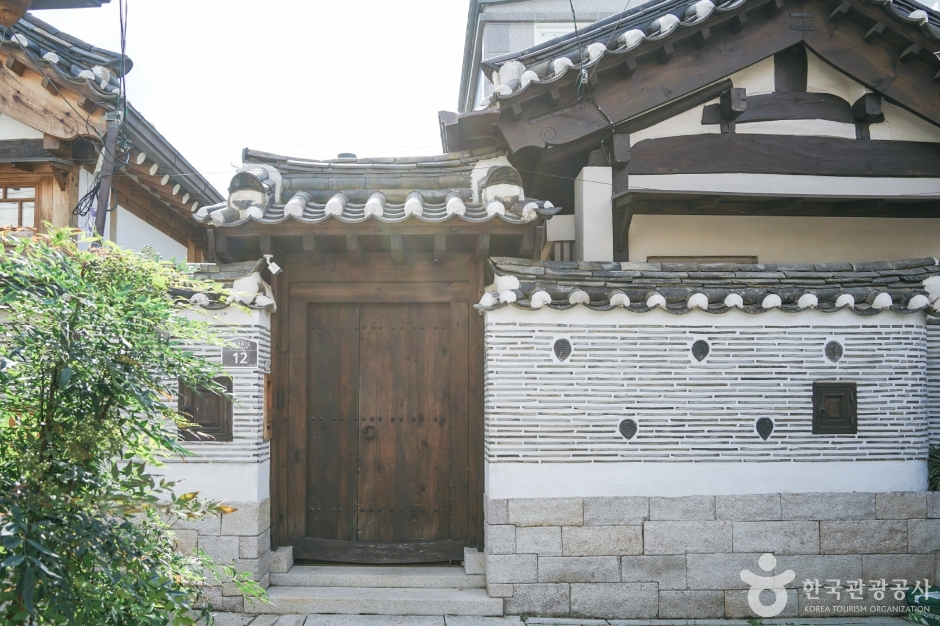
Hanok Essay Seochon (한옥에세이 서촌)
3.4Km 2024-06-04
12 Pirundae-ro 3-gil, Jongno-gu, Seoul
The area of Seochon features both traditional elements as well modern, showing the changes over time. A stay in one of the hanok houses here is the perfect way to feel this unique ambiance. Hanok Essay Seochon provides this experience, open to visitors of all ages.
![Olens - Hanyang Univ. Branch [Tax Refund Shop] (오렌즈 한양대)](http://tong.visitkorea.or.kr/cms/resource/80/2878780_image2_1.jpg)
Olens - Hanyang Univ. Branch [Tax Refund Shop] (오렌즈 한양대)
3.4Km 2024-04-18
1F, #3, 4, Sageundong-gil, Seongdong-gu, Seoul
-
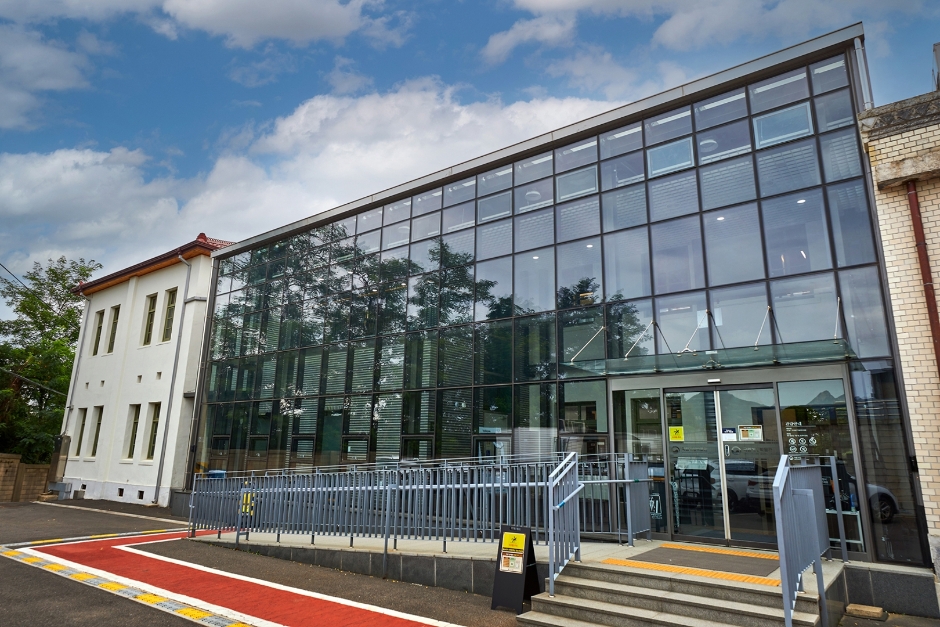
National Meteorological Museum of Korea (국립기상박물관)
3.4Km 2024-03-26
52 Songwol-gil, Jongno-gu, Seoul
A museum where one can look at Korea's meteorological observation history and technological development through exhibitions. The museum has the world's first rain gauge, invented in 1441, in the early Joseon dynasty. The museum operates approximately 350 meteorological observatories across Korea and focuses on promoting the uniqueness and excellence of Korea's meteorological science. There are permanent collections and special exhibitions. The permanent collections focus on the history of meteorological science in Korea. At the same time, the special exhibitions take a closer look at the history and information about meteorological science and natural disasters (e.g., earthquakes) that occurred in various regions of Korea. There are experience programs related to meteorological science, such as making a rain gauge or learning about rain gauges.
![Thimbloom - Gyeongbokgung Branch (No. 2) [Tax Refund Shop] (팀블룸2호점 경복궁)](http://tong.visitkorea.or.kr/cms/resource/14/2889714_image2_1.jpg)
Thimbloom - Gyeongbokgung Branch (No. 2) [Tax Refund Shop] (팀블룸2호점 경복궁)
3.4Km 2024-04-18
1F, BF (Nuha-dong), 46, Pirundae-ro, Jongno-gu, Seoul
-
Sangchonjae House (상촌재)
3.4Km 2025-11-06
12-11 , Jahamun-ro 17-gil, Jongno-gu, Seoul
Sangchonjae House, run by the Jongno Cultural Foundation, is a traditional hanok cultural space located in Sejong Village, Ogin-dong, Jongno-gu, and operates various cultural Korean programs such as exhibitions, educational experiences, and events to fully experience Korea's four seasons. The name Sangchonjae was conceived from the old name of Sejong Village, the western part of Gyeongbokgung Palace and the birthplace of King Sejong. The house reflects the lifestyle of an ordinary peasant during the Joseon dynasty. It consists of three buildings: the main building, the guesthouse known as sarangchae, and the annex. There is an experience center indoors offering tea ceremonies and traditional game experiences.
![Lansmere - Hannam Branch [Tax Refund Shop] (란스미어 한남점)](http://tong.visitkorea.or.kr/cms/resource/77/2890177_image2_1.jpg)
Lansmere - Hannam Branch [Tax Refund Shop] (란스미어 한남점)
3.5Km 2024-04-18
267, Itaewon-ro, Yongsan-gu, Seoul
-
![PLATFORM PLACE HANNAM[Korea Quality]/플랫폼 플레이스(한남점)[한국관광 품질인증]](http://tong.visitkorea.or.kr/cms/resource/51/2627551_image2_1.jpg)
PLATFORM PLACE HANNAM[Korea Quality]/플랫폼 플레이스(한남점)[한국관광 품질인증]
3.5Km 2024-06-25
268 , Itaewon-ro, Yongsan-gu, Seoul
+82-2-797-4628
Platform Place Hannam store, located near Itaewon Street in Yongsan-gu, Seoul, sells a selection of overseas brand products, including clothing, household items and kitchenware, stationery, and other designer items. Over 50 brands are featured, including Saint James, Neul, Norse Projects, Blue de Paname, Homecore, and Rocky Mountain Featherbed.The shop is right next to Hangangjin station on subway Line 6, and customers can also use a pay-for public parking lot.
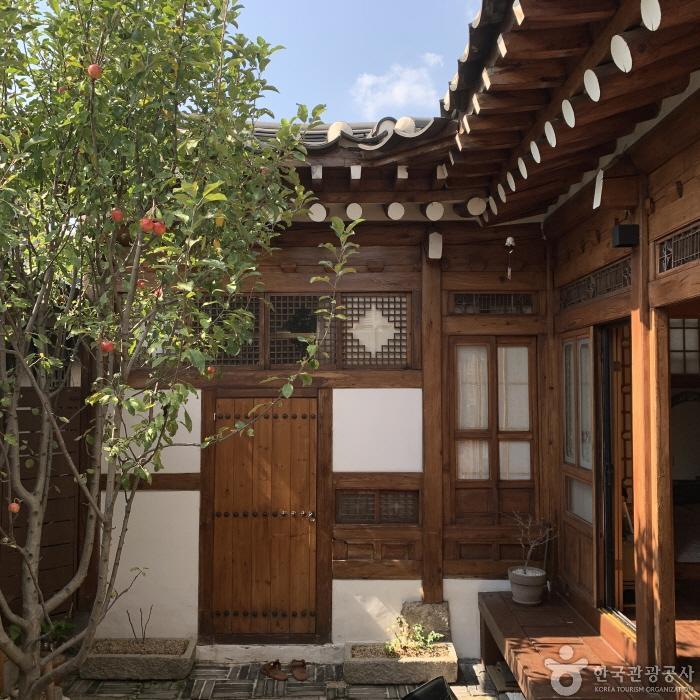
SOSO House (소소하우스)
3.5Km 2024-12-13
16-5 , Pirundae-ro 5ga-gil, Jongno-gu, Seoul
+82-10-5286-0704
Soso House is a private hanok stay located in Seochon, Jongno-gu, Seoul. Once you enter the gate, you are greeted by a small yard paved with stones and an alpine apple tree. There is a stool on one side of the yard where you can enjoy a cup of tea on a sunny day. In the daecheong maru (wooden-floored hall, there is a master bedroom on one side and a kitchen on the other, and the master bedroom has an attic. Cooking is allowed, and complimentary breakfast includes toast, salad, and coffee, as well as complimentary homemade fruit syrup and tea bags. Gyeongbokgung Palace, Seoul Museum of History, and Park No-Soo Art Museum are all within walking distance.
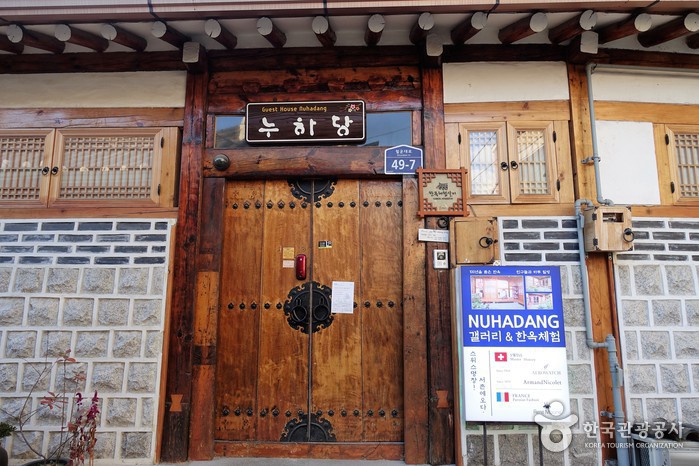
NUHADANG(누하당)
3.5Km 2024-06-20
49-7 , Pirundae-ro, Jongno-gu, Seoul
+82-2-3391-0010, +82-10-4347-5768
Nuhadang is a traditional hanok with over 100 years of history. It is located in a quiet spot in Seochon, Jongno-gu, Seoul, where many scholars and artists have lived since Joseon times. Rooms are wallpapered with eco-friendly Korean paper, and thick cotton blankets and cypress pillows will sooth travelers' fatigue. In the yard and small garden you can experience traditional Korean culture: janggu drumming, the game of yunnori, and Hanbok clothing. Walking the streets of Seochon - past Yun Dong-ju's hostel, Park No-su's art museum, and Lee Sang's house - you can still feel the atmosphere of old Seoul.
 English
 한국어
한국어 日本語
日本語 中文(简体)
 Deutsch
 Français
 Español
 Русский


