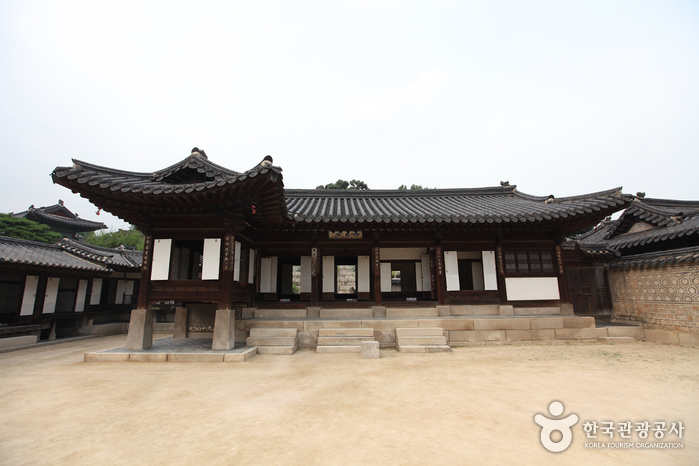
Nakseonjae Hall (낙선재)
9.4Km 2021-09-30
99, Yulgok-ro, Jongno-gu, Seoul
+82-2-2148-1822
Located inside Changdeokgung Palace, Nakseonjae Hall is a one-story structure built in ikgong style (bird wing-shaped eaves placed on top of the pillars) with a hip tiled and gable roof. It has 6 kan in the front and 2 kan (traditional unit of measurement of the space between pillars) to the sides. It originally belonged to the nearby Changgyeonggung Palace, but came to be considered a part of Changdeokgung Palace in more recent years.
The hall was constructed in 1846 (12th year of King Heonjong’s reign) and it is collectively called Nakseonjae together with the adjacent Seokbokheon Hall and Sugangjae Hall.
Behind the building is a flower garden made of stacked large stones. The chimney, the flowers, and the oddly shaped stones harmoniously blend into one another to create an outstanding landscape gardening.
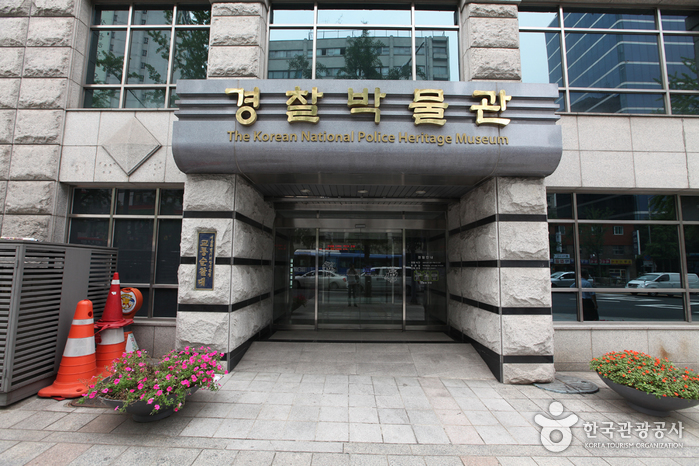
Korean National Police Heritage Museum (경찰박물관)
9.4Km 2021-12-21
41, Saemunan-ro, Jongno-gu, Seoul
+82-2-3150-3681
The police museum opened on October 14, 2005 to give a better understanding of the job of the police and to offer a formal education to children who wish to become police officers in the future. The history hall of the museum is designed for visitors to learn about the history of Korean police at a glance, exhibiting information on the police force from the Joseon dynasty up until current times.
Visitors to the museum can pretend to be police officers by touching actual equipment and learning about an officer's daily tasks. Visitors can also get in patrol cars, wear a police uniform, experience shooting a gun through a simulation, and learn self-defense martial arts and arrest techniques. Visitors can also go to the museum jail.

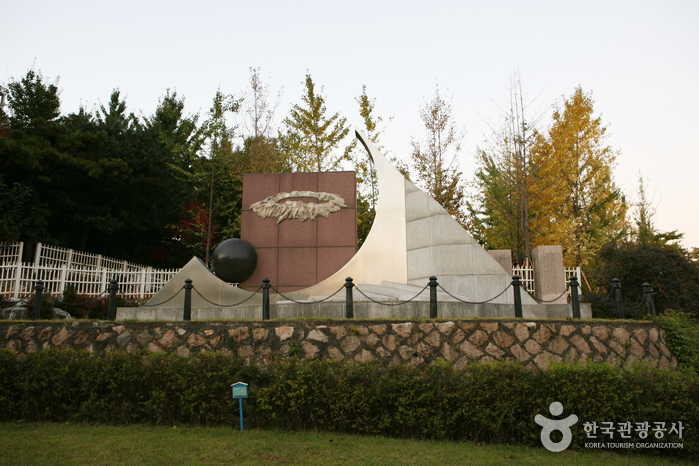
Boramae Park (보라매공원)
9.4Km 2021-03-20
33, Yeouidaebang-ro 20-gil, Dongjak-gu, Seoul
+82-2-120
Boramae Park is a former Air Force Academy site that has been transformed into a recreational park on May 1986. At approximately 397,000 ㎡, the park holds various sports facilities including a tennis court and sports center as well as convenient facilities such as a small zoo, pond, walking trail and more. The 2nd floor of Building 4 has a library that is popular with teenagers as well as Teenager Center where they can enjoy various activities and programs. The symbolic tower of the Air Force Academy still stands as a powerful symbol of loyalty and filial piety.
Donggwol Maru - Korea Cultural Heritage Foundation Branch [Tax Refund Shop] (한국문화재재단 동궐마루)
9.4Km 2024-10-15
99, Yulgok-ro, Jongno-gu, Seoul
-
High - Anguk Branch [Tax Refund Shop] (하이엔드코리아 안국)
9.4Km 2024-04-17
1F, 62-5, Insadong-gil, Jongno-gu, Seoul
-
![Slow Steady Club - Samcheong Branch [Tax Refund Shop] (슬로우스테디클럽 삼청)](http://tong.visitkorea.or.kr/cms/resource/13/3314413_image2_1.jpg)
Slow Steady Club - Samcheong Branch [Tax Refund Shop] (슬로우스테디클럽 삼청)
9.4Km 2024-06-27
2F, 84, Yulgok-ro, Jongno-gu, Seoul
-
YallaKOREA (얄라코리아)
9.4Km 2025-10-23
#700, The Salvation Army Building, 69 Saemunan-ro, Jongno-gu, Seoul
YallaKOREA is a medical tourism agency specialized in serving Arab patients, providing medical services since 2016 for those wishing to visit plastic surgery and dermatology clinics in Korea. For patients undergoing surgery, it offers customized services including medical interpretation, private transportation, hotel reservations, airport pick-up and drop-off services, and daily tours. With years of experience and a deep understanding of Arab culture, it ensures safe and convenient medical tourism.
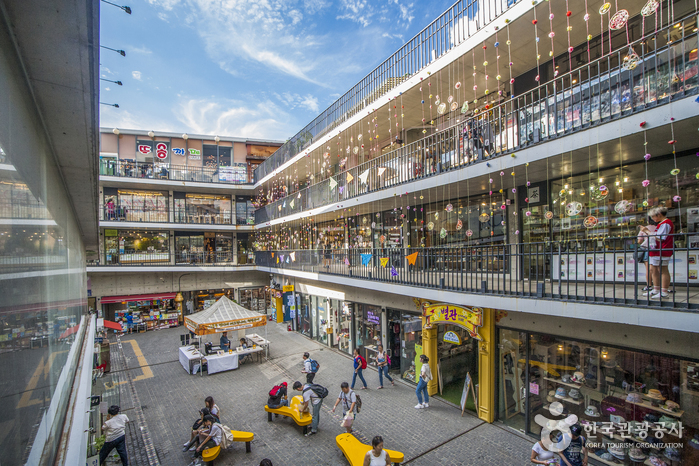
Insa-dong (인사동)
9.4Km 2024-05-17
62, Insadong-gil, Jongno-gu, Seoul
+82-2-734-0222
Insa-dong, located in the heart of the city, is an important place where old but precious traditional goods are on display. There is one main road in Insa-dong with alleys on each side. Within these alleys are galleries, traditional restaurants, teahouses, and cafes.
The galleries are the heartbeat of Insa-dong. There are about 100 galleries in the area offering every example of traditional Korean fine art from paintings to sculptures. The most famous galleries are Hakgojae Gallery, which functions as the center of folk art, Gana Art Gallery, which promotes many promising artists, and Gana Art Center.
The teahouses and restaurants are the perfect complement to the galleries. They are hidden deep within the twisting alleyways, making it feel like a treasure hunt. The shops in Insa-dong are very popular among all age groups, because each one is unique.
Every Saturday from 14:00 to 22:00 and Sunday from 10:00 to 22:00, the main street is blocked to vehicular traffic and it becomes a cultural space. Stores set up booths outside and Korean candy merchants and fortune teller stalls can easily be found; there are traditional performances and exhibits as well. Insa-dong is especially popular among international tourists. This is where they can experience and see traditional Korean culture first-hand, and also purchase pieces of fine art.
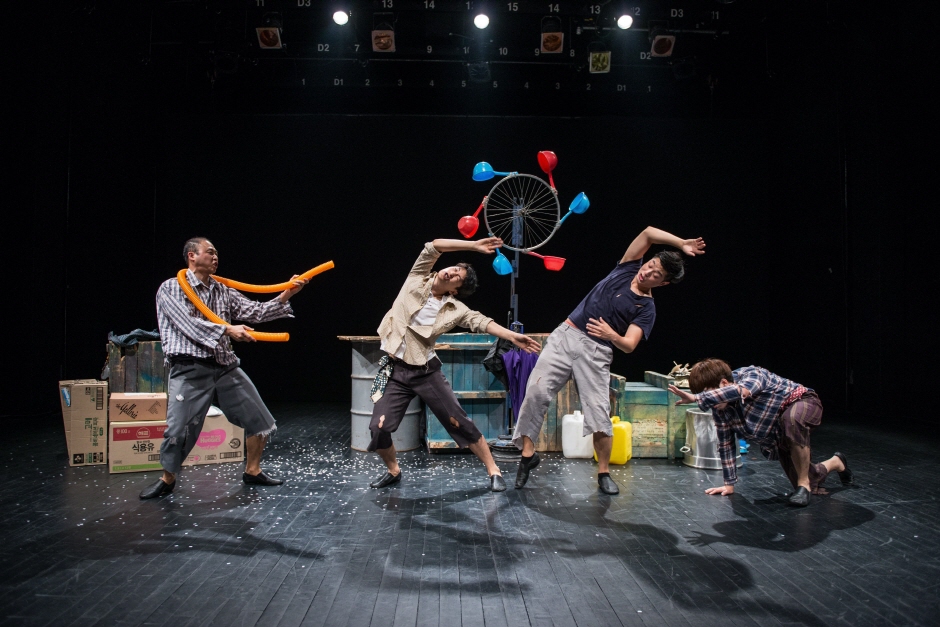
D. Festa: Daehakro Street Performance Festival (대학로 거리공연축제)
9.4Km 2025-06-16
1, Daehak-ro 8-gil, Jongno-gu, Seoul
• 1330 Travel Hotline: +82-2-1330 (Korean, English, Japanese, Chinese) • For more info: +82-2-741-4188
Started in 2015, Daehakro Street Performance Festival provides various performances including plays, dances, mimes and more. The festival aims to provide hope and changes in daily life through diverse performances.
 English
 한국어
한국어 日本語
日本語 中文(简体)
 Deutsch
 Français
 Español
 Русский


