![Seochon Guest House [Korea Quality] / 서촌게스트하우스 [한국관광 품질인증]](http://tong.visitkorea.or.kr/cms/resource/86/2998986_image2_1.jpg)
Seochon Guest House [Korea Quality] / 서촌게스트하우스 [한국관광 품질인증]
9.0Km 2023-09-05
28-3 , Jahamun-ro 7-gil, Jongno-gu, Seoul
+82-2-473-9680
Seochon Guest House in Seochon, Jongno, Seoul, consists of a 90 year-old hanok and a two-story Western-style house. A 6-cheop table is provided for meals, and travelers can use the 1st floor rooms and hall at any time. In the yard, Pansori performances are held twice a year, and residents can sample traditional music, wearing hanbok, and making Korean food; the guesthouse’s other name is Pleasure Valley (Jaeminan Gol)! There are programs for visiting Inwangsan-Bukaksan fortress trail, Gyeongbokgung and other royal palaces, and nearby traditional markets.
Inwangsan Mountain (인왕산)
9.0Km 2024-03-04
San 2-1, Muak-dong, Jongno-gu, Seoul
+82-2-2148-2834
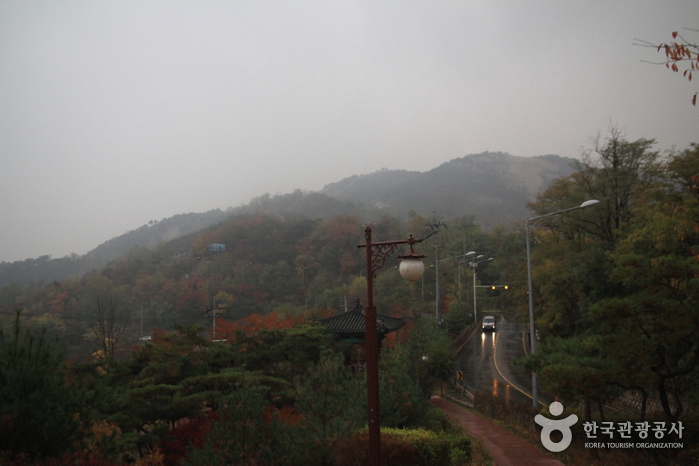
Inwangsan Mountain is a rocky mountain located to the northwestern side of Seoul. It stands 338m tall. The Seoul City Wall is built along its ridge, connecting to the Baegak Mountain Trail. From the summit, one can see the three mountains of Naksan Mountain, Namsan Mountain, and the Bugaksan Mountain surrounding the historical center of Hanyang, the historical name for Seoul in Joseon period, with the Gyeongbokgung Palace at the center. There are five hiking trails, all taking about two hours to complete. It takes about three hours if you want to visit all the peaks of the mountain.
Archaeological Site in Amsa-dong, Seoul (서울 암사동 유적)
9.0Km 2021-07-27
875, Olympic-ro, Gangdong-gu, Seoul
+82-2-3425-6520
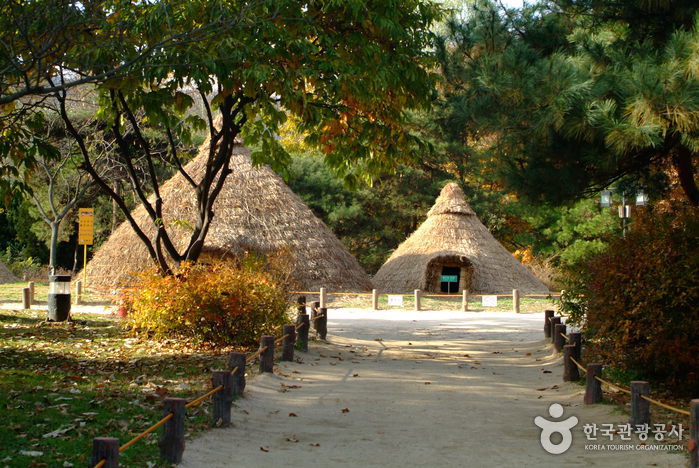
The Archaeological Site in Amsa-dong reproduces the lifestyle of the Neolithic Era. Even the entrance gate is shaped like a huge dolmen and the trash cans are ancient diagonal-line patterned earthenware. Archaeological Site in Amsa-dong was excavated in 1925 when a flood washed away the soil on the banks of the Hangang River and exposed a large number of diagonal-line patterned earthenware. After several excavations, the Archaeological Site in Amsa-dong was established.
The site was a location for a massive colony, thus many ancient buildings, stone axes and stone arrows have been uncovered as well as countless diagonal-line patterned earthenware. The housing site is round with a spot in the center for fire. The site is colossal and possesses nine mud huts, two exhibition halls displaying ancient artifacts and an open mud hut where visitors can experience life in the Neolithic Era. The site offers many attractions such as mud huts and promenades. Archaeological Site in Amsa-dong is also very educational for children and families who want to learn and experience the Neolithic Age.

Cheonggyesan Mountain (청계산)
9.0Km 2024-03-20
Makgye-dong, Gwacheon-si, Gyeonggi-do
+82-2-2155-6870
Standing at 618 meters above sea level, Cheonggyesan Mountain boarders the area of Yangjae-dong, Seoul and Gwacheon-si, Seongnam-si, and Uiwang-si, Gyeonggi-do. From the top, visitors can enjoy panoramic views of Seoul's city center and Gyeonggi-do. The mountain is well-maintained with various hiking trails, making it easy to climb even for beginners. In the fall, the mountain is known for its stunning fall foliage, attracting numerous visitors.
Seongbuk-dong–Bukchon Hanok Village Course (성북동고택북촌산책길)
9.0Km 2025-11-06
68, Seonjam-ro 5-gil, Seongbuk-gu, Seoul
The Seongbuk-dong–Bukchon Hanok Village Course is a nostalgic path connecting famous old houses in Seongbuk-dong and Bukchon Hanok Village, divided by the old city walls. Along the way, you'll find historic sites like Gilsangsa Temple, Jeongbeopsa Temple, Han Yong-un’s Simujang House, and novelist Lee Tae-jun's House. The trail also features charming cultural spots, such as the traditional tea house Sooyeon Sanbang and the Seongbuk Museum of Art.
◎ Travel information to meet Hallyu’s charm - "Parasite"
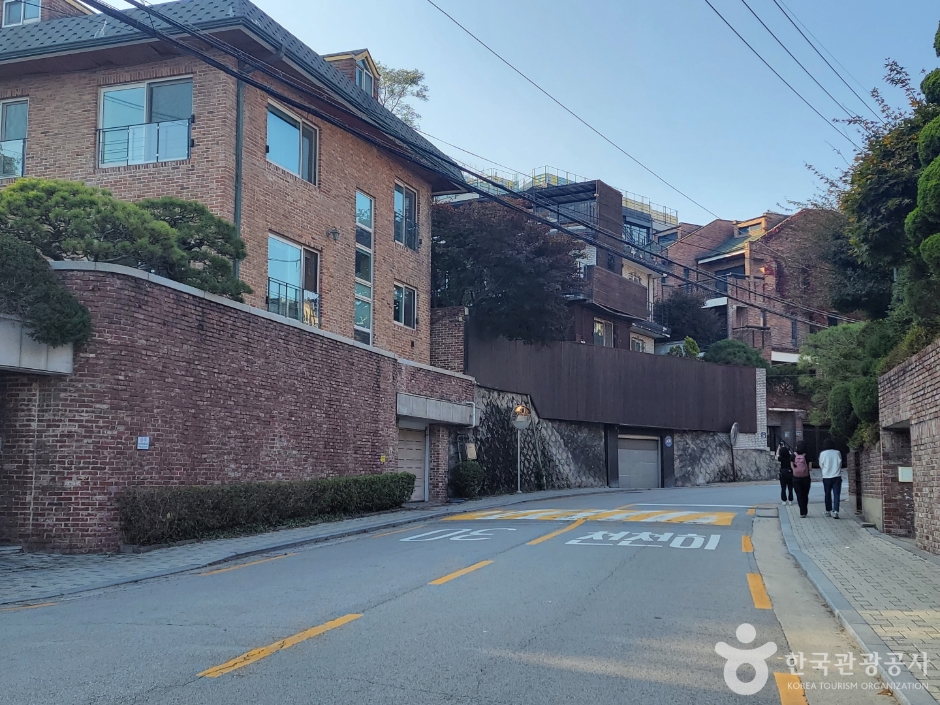
The scene in the alley where Ki-woo visited Mr. Park's house in a wealthy neighborhood for expensive tutoring was filmed in a residential area in Seongbuk-dong. Seongbuk-dong, an old wealthy village, has luxury mansions lined up in. There are many pretty cafés and galleries here and there, so it's good to take a leisurely look around. Mr. Park's house was a filming set, which was demolished after filming.
Mapodaegyo Bridge (마포대교 야경)
9.0Km 2021-03-26
Mapo-dong, Mapo-gu, Seoul
+82-2-3153-8365
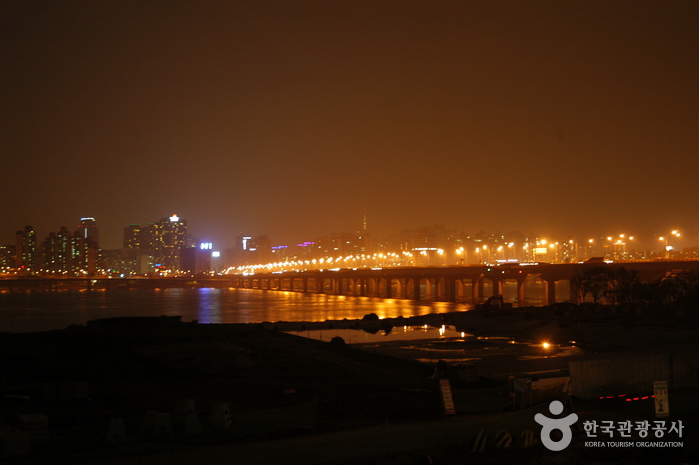
Mapodaegyo Bridge connects Yonggang-dong, Mapo-gu and Yeouido-dong, Yeongdeungpo-gu. The bridge is 1,400 meters long and 25 meters wide (6-lane road), and was the fourth bridge to be built over the Hangang River, following the construction of Hannam Bridge. The construction of the bridge first started in February of 1968 and was completed in May of 1970. At the time of its completion the bridge was named Seouldaegyo Bridge, but was later changed to Mapodaegyo Bridge in 1984.
Of one book and stay (일독일박)
9.0Km 2024-12-23
11-1 , Pirundae-ro 3-gil, Jongno-gu, Seoul
+82-504-0904-2340
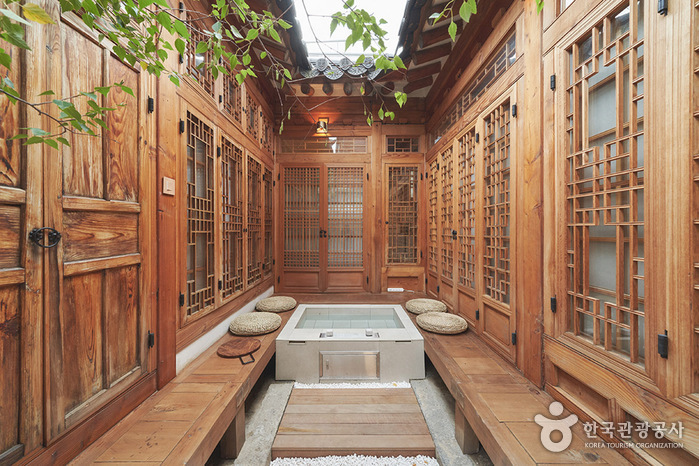
Ildogilbak in Seochon Village, Seoul, is a private hanok stay that has been stylishly renovated with modern facilities. The bedroom, kitchen and dining room are located around the courtyard. Tired travellers can soak their feet in the small courtyard footbath while sitting on the veranda. There’s a queen size bed in the bedroom, and a large table in the dining room where you can read a book and chat. There is also an attic space where you can fall asleep looking at the stars through a small skylight. The kitchen is well equipped, and there’s a tub in the bathroom.
Hanok Essay Seochon (한옥에세이 서촌)
9.1Km 2024-06-04
12 Pirundae-ro 3-gil, Jongno-gu, Seoul
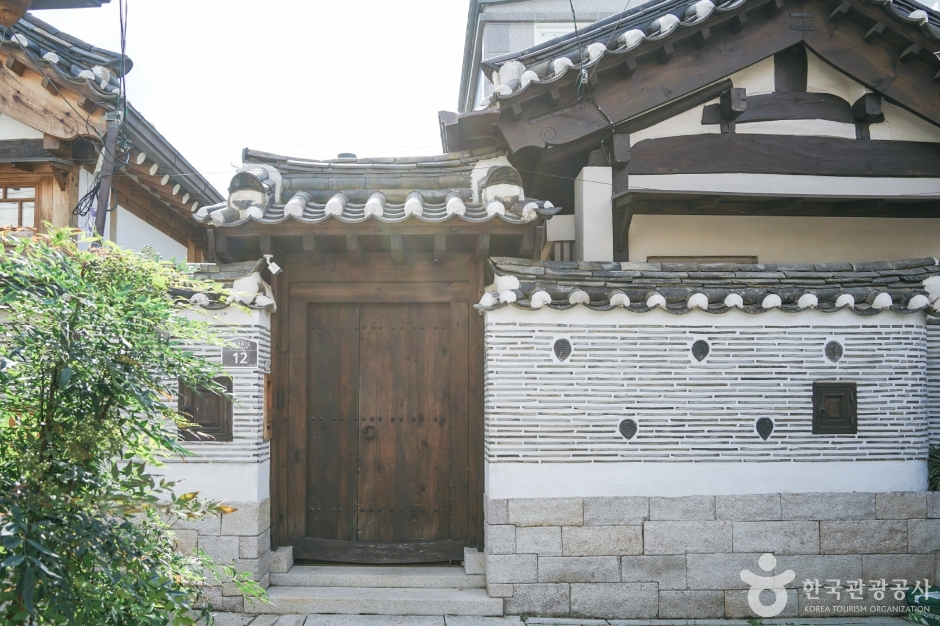
The area of Seochon features both traditional elements as well modern, showing the changes over time. A stay in one of the hanok houses here is the perfect way to feel this unique ambiance. Hanok Essay Seochon provides this experience, open to visitors of all ages.
Bukjeong Village (북정마을)
9.1Km 2024-02-15
132-3 Seongbuk-ro 23-gil, Seongbuk-gu, Seoul
Bukjeong Village, situated along the slopes of Seongbuk-dong, offers a glimpse into Korea's old alleyways. The village expanded as refugees from the Korean War (1950–1953) and people from various regions settled, building houses under the collapsed walls of Hanyang doseong (Seoul City Wall). Presently, the village is home to young artists, and the broad street in front of the village bus stop hosts various community events.
Hanok Guesthouse Dongchonchae (한옥 게스트하우스 동촌재)
9.1Km 2024-12-23
21-10 , Jahamun-ro 11-gil, Jongno-gu, Seoul
+82-10-8561-5227, +82-10-9127-5227
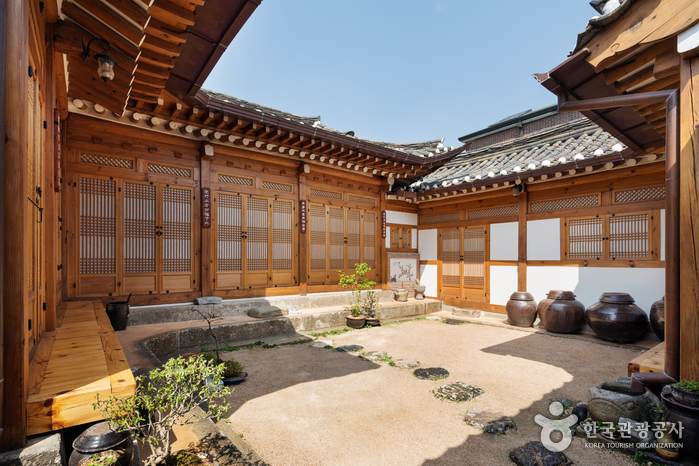
Dongchonjae is a hanok guesthouse in Seochon, Jongno, Seoul. The the Anchae(women's quarters) consists of four sleeping rooms and a cheongmaru lounge space, plus kitchen and toilet. (There are also shared toilets in the yard.) Cooking is not allowed, but guests are welcome to bring in prepared food. A free breakfast is provided. Guests can watch movies in the yard or main hall, and can use the refrigerator and washing machine. A guided night tour of Seoul City Wall is offered, as is a tea ceremony, and rice-cake making experience.
 English
 한국어
한국어 日本語
日本語 中文(简体)
 Deutsch
 Français
 Español
 Русский


