
Dal Café (달 카페)
8.4Km 2024-03-18
94-1 Samcheong-ro, Jongno-gu, Seoul
+82-2-735-7355
Dal Café is a café located in Bukchon Hanok Village, housed within a traditional Korean hanok. "Dal" means "moon" in Korean. The café is designed with lighting fixtures that give the impression of the moon hanging on the wall, making it a perfect spot for photography. The signature menu item here is the traditional Korean shaved ice with topping served in a traditional pot.
Bukchon Museum (북촌생활사박물관)
8.4Km 2022-08-30
90, Bukchon-ro 5na-gil, Jongno-gu, Seoul
+82-2-736-3957
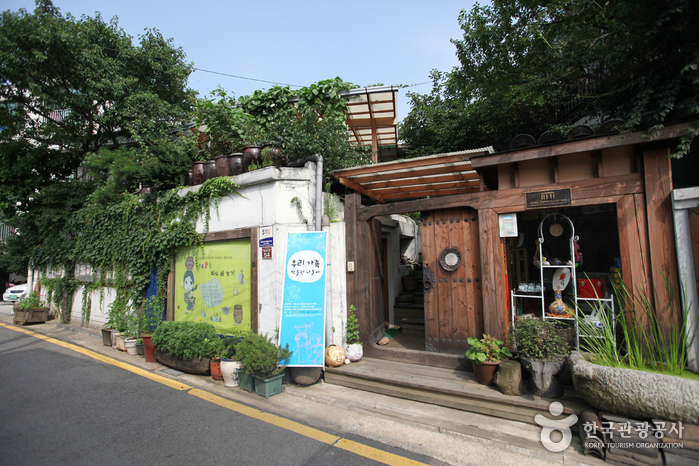
The Bukchon Museum displays items that have been collected from Bukchon, a historical village that was once home to the nation’s nobility. The museum was founded to observe urban development that took place in the recent decades through collected and preserved veryday household items that were used by Bukchon residents. Visitors are even allowed to touch items on display to better be able to imagine life in Korea before industrialization.
Cheongsujeong (청수정)
8.4Km 2024-03-18
91 Samcheong-ro, Jongno-gu, Seoul
Cheongsujeong is a traditional Korean restaurant specializing in mussel dishes near Gyeongbokgung Palace. Mussel rice is a traditional dish from Ulleungdo Island. The signature menu is the honghapbap jeongsik (mussel rice set menu), which includes mussel-infused rice served with soybean paste jjigae, various side dishes such as salads, acorn jelly, kimchi, grilled fish, and more. Additionally, they offer dishes like bulgogi deopbap (stir-fried bulgogi with rice), jeyukbokkeum (spicy stir-fried pork), and ojingeo bokkeum (stir-fried squid).
![Olive Young - Aeogae Station Branch [Tax Refund Shop] (올리브영 애오개역)](http://tong.visitkorea.or.kr/cms/resource/85/2888685_image2_1.jpg)
Olive Young - Aeogae Station Branch [Tax Refund Shop] (올리브영 애오개역)
8.4Km 2024-04-16
#107, and #108, 201, Mapo-daero, Mapo-gu, Seoul
-
The Children’s Museum of the National Folk Museum of Korea (국립민속박물관&국립민속박물관 어린이박물관)
8.4Km 2025-06-19
37 Samcheong-ro, Jongno-gu, Seoul
The Children’s Museum of the National Folk Museum of Korea, located within Gyeongbokgung Palace, showcases artifacts related to Korean traditional culture. This interactive museum allows children to experience and learn about various aspects of Korean traditional clothing, food, society, culture, and games firsthand. Especially catering to children from Asian countries, there is a service for renting items, and reservations are required for admission.
Golden Tour Korea DMC (골든투어코리아 디엠씨)
8.4Km 2025-10-23
(#1227), 173 Mapo-daero, Mapo-gu, Seoul
Since its establishment in 2013, Golden Tour Korea DMC has been offering high-quality, customized travel services worldwide, focusing on premium travel experiences and diverse Korean tour products. In addition, the company actively organizes incentive tours, corporate meetings, government forums, business trips, family vacations, educational programs, and foreign patient attraction activities in Europe. Golden Tour Korea DMC designs tour products tailored to meet customers’ needs, with expert tour operators providing consulting to enhance customer satisfaction. The company maintains strong collaborations with numerous international partners. With extensive experience and expertise in the travel industry, Golden Tour Korea DMC will do its best to create beautiful memories and make the next chapter of your life unforgettable.
![CheongKwanJang - Gwanghwamun Branch [Tax Refund Shop] (정관장 광화문)](http://tong.visitkorea.or.kr/cms/resource/93/2889693_image2_1.jpg)
CheongKwanJang - Gwanghwamun Branch [Tax Refund Shop] (정관장 광화문)
8.4Km 2024-04-22
20, Sajik-ro 8-gil, Jongno-gu, Seoul
-
Sungkok Art Museum (성곡미술관)
8.4Km 2021-02-10
42, Gyeonghuigung-gil, Jongno-gu, Seoul
+82-2-737-7650
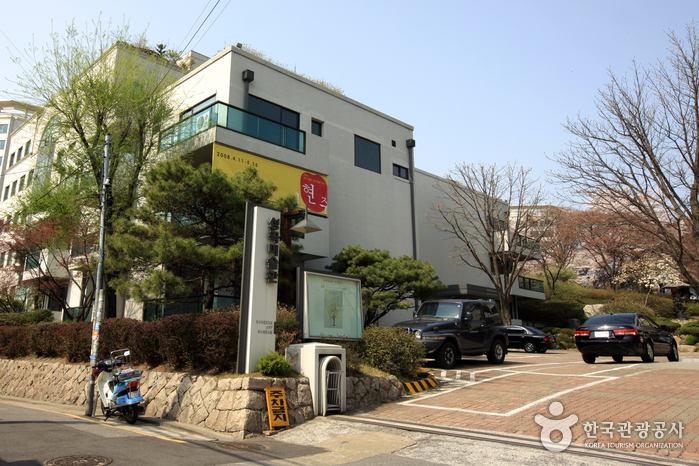
Sungkok Art Museum was founded in 1995 by the Korean corporation Ssangyong to promote Korean art. The gallery offers a special exhibition featuring modern artworks of Korean artists, as well as competitions and sponsorships to develop Korean art. In addition to the main building, there is an annex, as well as a tea house and art shop.
Amsa-dong Prehistoric Site Museum (암사동선사유적박물관)
8.5Km 2023-12-22
875 Olympic-ro, Gangdong-gu, Seoul
The archaeological sites in Amsa-dong, Seoul, were a collective settlement where people lived during the Neolithic Age about 6,000 years ago and became known to the world after the sand dunes along the Hangang River caved in during the great flood of 1925, exposing numerous pieces of comb-patterned pottery. The area designated as a historic site in 1979, and excavation of the site took place from 1981 to 1988. The cultural heritage protection area was expanded to a total area of 78,133㎡. Currently, nine Neolithic dugout huts and one experiential dugout hut have been restored. The exhibitions currently open to the public are Exhibition Hall 1, which displays a restoration of a Neolithic Age dugout, and Exhibition Hall 2, which displays various panels and models to help understand the prehistoric era as a whole.
Palace Royal Guard Changing Ceremony (수문장 교대의식)
8.5Km 2025-07-11
161 Sajik-ro, Jongno-gu, Seoul
+82-2-3210-1645
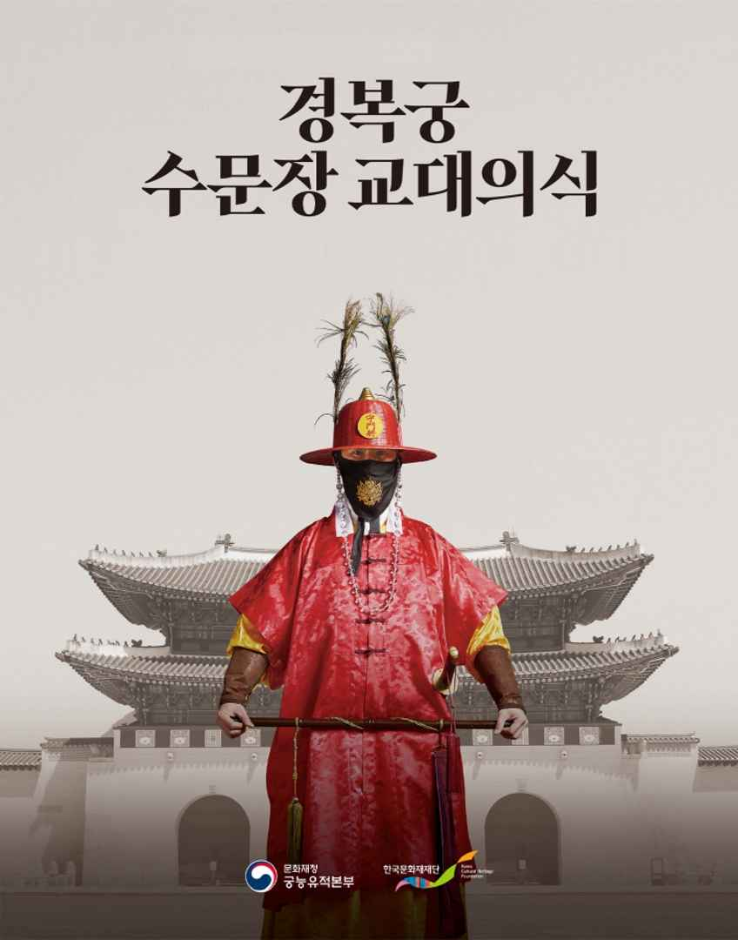
In the Joseon dynasty, the royal guards of the palace were gatekeepers who were responsible for guarding the the main gates of Gyeongbokgung Palace as well as the main gates of the city such as Heunginjimun Gate and Sungnyemun Gate. The royal guards worked in shift duties and were in charge of opening and closing Gwanghwamun Gate. Before the royal guard system was enforced in 1469, the palace gates were protected by soldiers of the central army. The Palace Royal Guard Changing Ceremony held at Gyeongbokgung Palace and the Gwanghwamun area reenacts the guard-changing procedure that took place during the Joseon dynasty, along with the reproduction of costumes and weapons, based on historical records.
 English
 한국어
한국어 日本語
日本語 中文(简体)
 Deutsch
 Français
 Español
 Русский


