
Seoul Art Center Gongpyeong Gallery (서울아트센터 공평갤러리)
9.4Km 2021-06-19
24, Insadong-gil, Jongno-gu, Seoul
+82-70-4214-0070
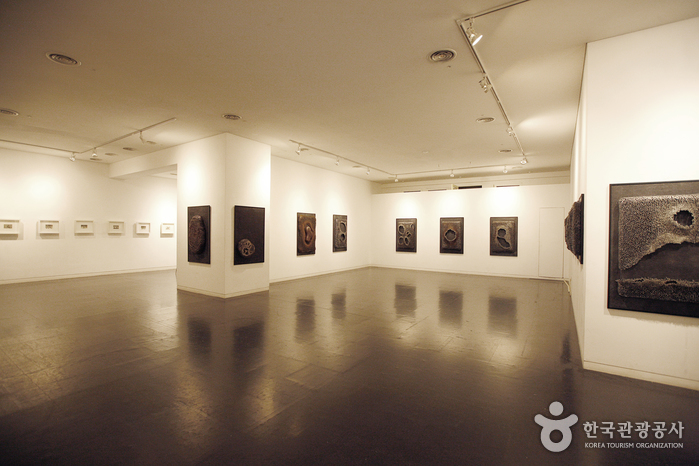
Opened in 1992, Seoul Art Center Gongpyeong Gallery is a 17,791㎡, two-story building with four exhibition halls. It is one of the main galleries of Insa-dong, displaying diverse artwork ranging from Western and Korean paintings to sculptures. Due to the great interest in Korean paintings, 2~3 of the annual long-term exhibitions focus solely on them.
Insadong Cultural Street (인사동 문화의 거리)
9.4Km 2023-12-26
Insa-dong, Jongno-gu, Seoul Metropolitan City
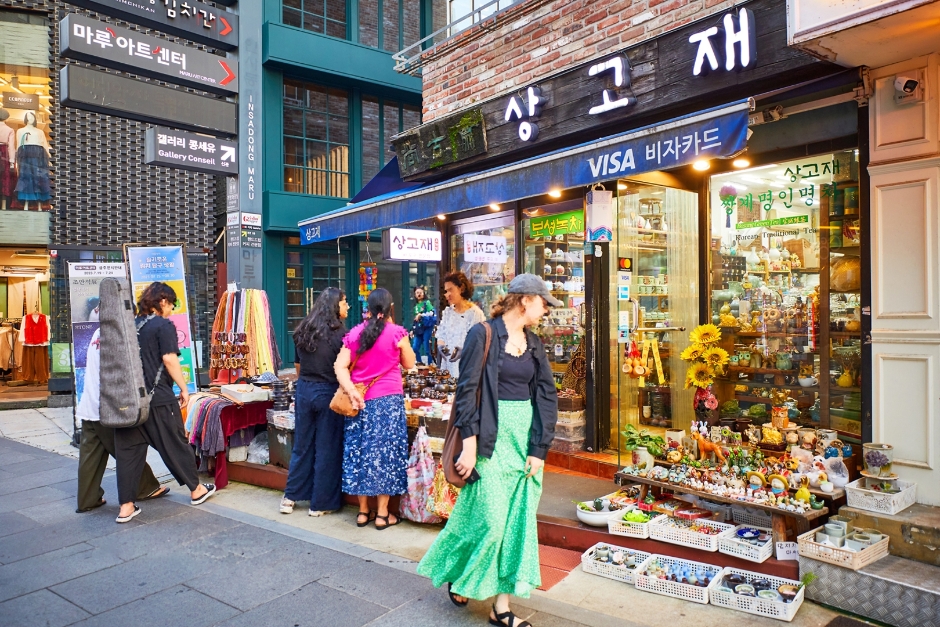
Insadong Cultural Street is a popular tourist destination for visitors from all around the world, thanks to its numerous art galleries, restaurants serving Korean table d’hote, traditional teahouses, and street vendors lining the streets. Its most recognizable feature is the use of Hangeul (Korean script) in storefronts, which allows the visitors to really see just what makes this place so special. Unlike the nearby Ikseon-dong Hanok Street, Insadong Cultural Street has larger streets with wider stores, so it is much easier to traverse. On evenings and weekends, one can find buskers performing on the side of the road.
Olive Young - Jungnang Branch [Tax Refund Shop] (올리브영 중랑점)
9.4Km 2024-06-28
6, Mangu-ro 32-gil, Jungnang-gu, Seoul
-
Manggyeongam Hermitage (망경암)
9.4Km 2021-04-24
72, Taepyeong-ro 55beon-gil, Sujeong-gu, Seongnam-si, Gyeonggi-do
+82-31-753-3090
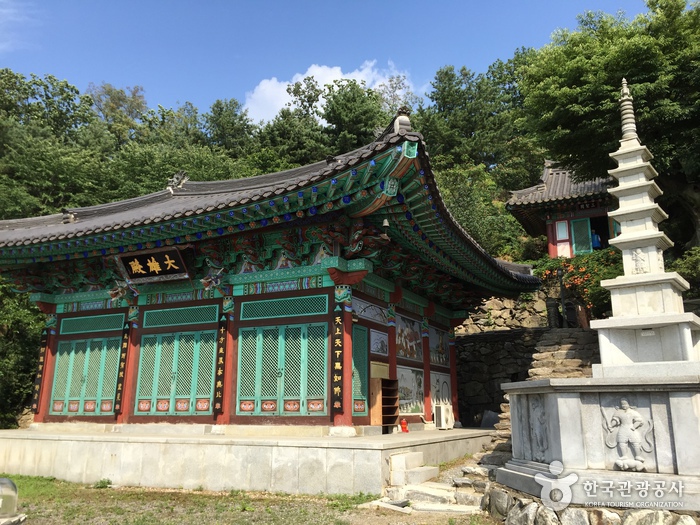
Manggyeongam’s name derives from the hermitage's view of Seoul, and is located in Bokjeong-dong of Seongnam, Gyeonggi-do. Manggyeongam
Hermitage is said to be the place where kings of the late Goryeo and early Joseon periods prayed for peace for their subjects. In addition, Prince Pyeongwon, the 7th son of King Sejong, and Grand Prince Jean built an altar at Mangyeongam Hermitage and Chilseongdae Peak and pledged filial piety.
The hermitage is more widely known for its connection to the Chilseong faith, in which believers worship
Chilseong (the Seven Stars). It is easily recognized by the written records inscribed into the rock wall. Located at the hermitage is the Rock-carved Seated Buddha, an original work of the hermitage that is also designated Gyeonggi-do’s Tangible Cultural Asset No. 102. The Buddha is embossed inside a deep hole in the rock. In the words inscribed near the statue, there is also a legend that says Lee Gu-seung carved Gwaneum Statue near Rock-carved Seated Buddha and built the hermitage in 1897.
Next to the hermitage is a pond called “Bokumul,”
which means “blessed sugared water.” The neighborhood of Bojeong-dong takes its name from this pond. At the hermitage, Daeungjeon Hall (the main hall), Samseonggak Shrine (shrine for three spirits), and Mireukjeon Hall were all established fairly recently. The hermitage site also includes a huge Mireuk Daebul statue (Great State of Maitreya Buddha) and a five-story stone pagoda.
Youngpoong Bookstore - Jongno Branch [Tax Refund Shop] (영풍문고 종로점)
9.4Km 2024-04-18
41, Cheonggyecheon-ro, Jongno-gu, Seoul
-
Bugeogukjip (북어국집)
9.4Km 2024-12-27
38, Eulji-ro 1-gil, Jung-gu, Seoul
+82-2-777-3891
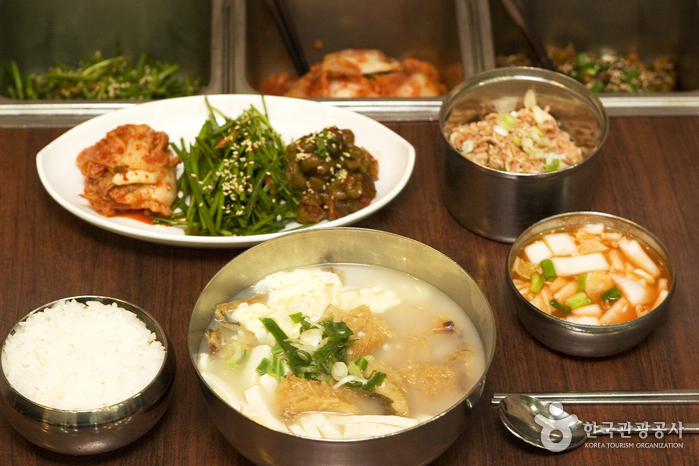
Bugeogukjip (formerly “Teojutgol”) is a restaurant behind City Hall in Seoul that has been serving up authentic dried Pollack soup since 1968. Despite a name change, the restaurant has proudly stood in this same location for decades, earning a strong reputation for its dried Pollack soup made using traditional cooking methods.
Since the restaurant only serves one thing—dried Pollack soup—there are few preparations to be made and the meal arrives on your table in minutes. Customers are free to serve themselves basic side dishes such as kimchi and can have as many servings of rice as they’d like, allowing diners to enjoy a hearty meal at a low price. While the restaurant’s design and menu may be simple, Bugeogukjip takes pride in its long history and the careful efforts that have earned it a reputation as one of the most notable restaurants in Seoul.
CU - Dongsoong Art Center Branch [Tax Refund Shop] (cu동숭아트점)
9.4Km 2024-06-26
114, Dongsung-gil, Jongno-gu, Seoul
-
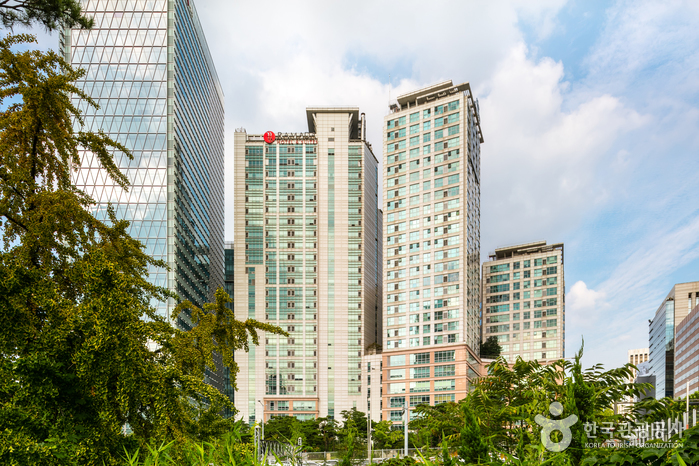
Ramada Hotel & Suites by Wyndham Seoul Namdaemun (라마다 호텔앤스위트 서울남대문)
9.4Km 2024-12-23
27 , Chilpae-ro, Jung-gu, Seoul
+82-2-775-7000
Ramada Hotel and Suites Namdaemun in Jung-gu, in the heart of Seoul,is famousd of for foreigner tourists and vacationers. Transport is convenient, with Seoul Station and City Hall Subway Station close by. Major Seoul tourist attractions such as Namdaemun Market, Myeong-dong, Gwanghwamun, and Deoksugung Palace are easily reachable on foot. A range of room types are offered, and additional facilities include a business center, restaurants, cafes, and an underground shopping mall. Dogs are allowed in rooms, but an extra cleaning fee is payable.
 English
 한국어
한국어 日本語
日本語 中文(简体)
 Deutsch
 Français
 Español
 Русский


