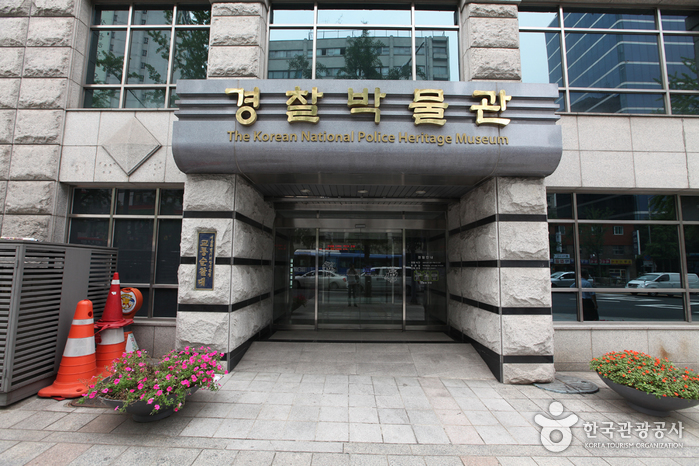
Korean National Police Heritage Museum (경찰박물관)
12.5Km 2021-12-21
41, Saemunan-ro, Jongno-gu, Seoul
+82-2-3150-3681
The police museum opened on October 14, 2005 to give a better understanding of the job of the police and to offer a formal education to children who wish to become police officers in the future. The history hall of the museum is designed for visitors to learn about the history of Korean police at a glance, exhibiting information on the police force from the Joseon dynasty up until current times.
Visitors to the museum can pretend to be police officers by touching actual equipment and learning about an officer's daily tasks. Visitors can also get in patrol cars, wear a police uniform, experience shooting a gun through a simulation, and learn self-defense martial arts and arrest techniques. Visitors can also go to the museum jail.
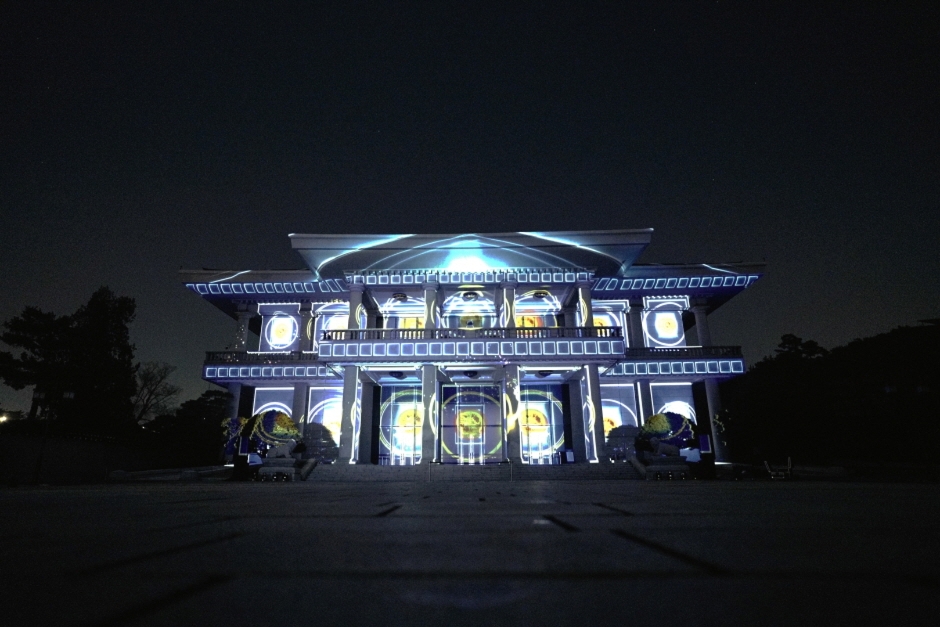
Cheong Wa Dae Media Display (청와대 국민과 함께 영상전시)
12.5Km 2025-08-20
1 Cheongwadae-ro, Jongno-gu, Seoul
박주원 학예연구사 02-3771-8636
Cheong Wa Dae Media Display brightens the night through a media facade display on Yeongbingwan Hall. The display shows the history of Cheong Wa Dae through the theme "Twelve Lights".
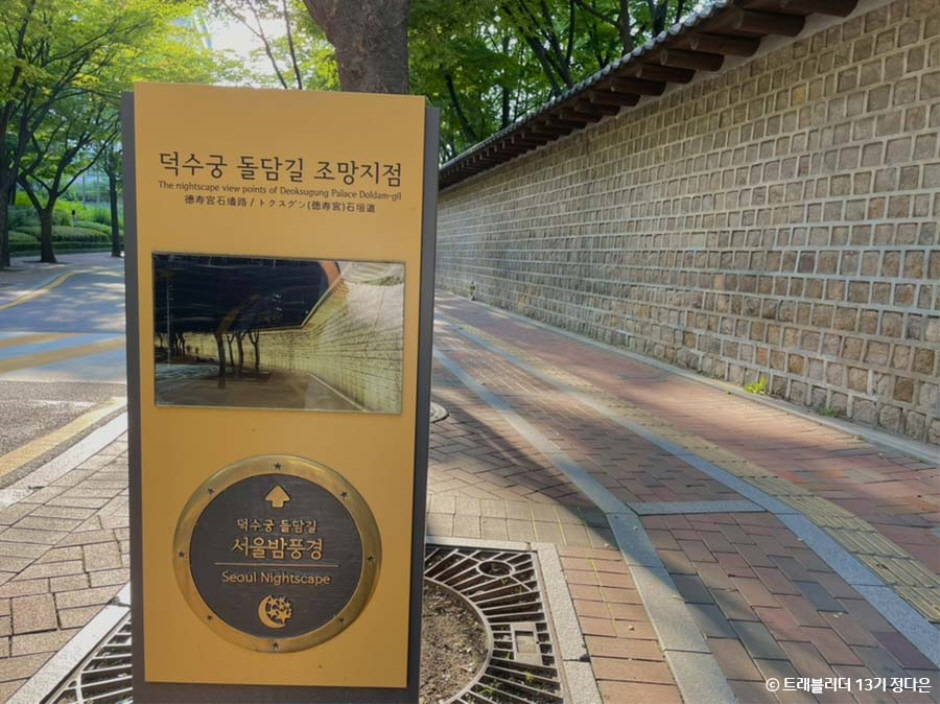
Jeongdong-gil Road (정동길)
12.5Km 2024-06-19
2-1 Jeongdong-gil, Jung-gu, Seoul
Jeongdong-gil Road is one of Seoul's most famous walking paths, stretching from the intersection in front of Jeongdong Church to Saemunan-gil Road. The street holds importance in Korea's modern history, with the surroundings serving as a living museum of this. During the Joseon dynasty, the area developed into a residental space for distant members of the royal family, with a palace and royal tombs in the area. In 1999, the pedestrian walking area was expanded by turning the two-way road into a one-way road. Since then, the road has earned many awards and honors.
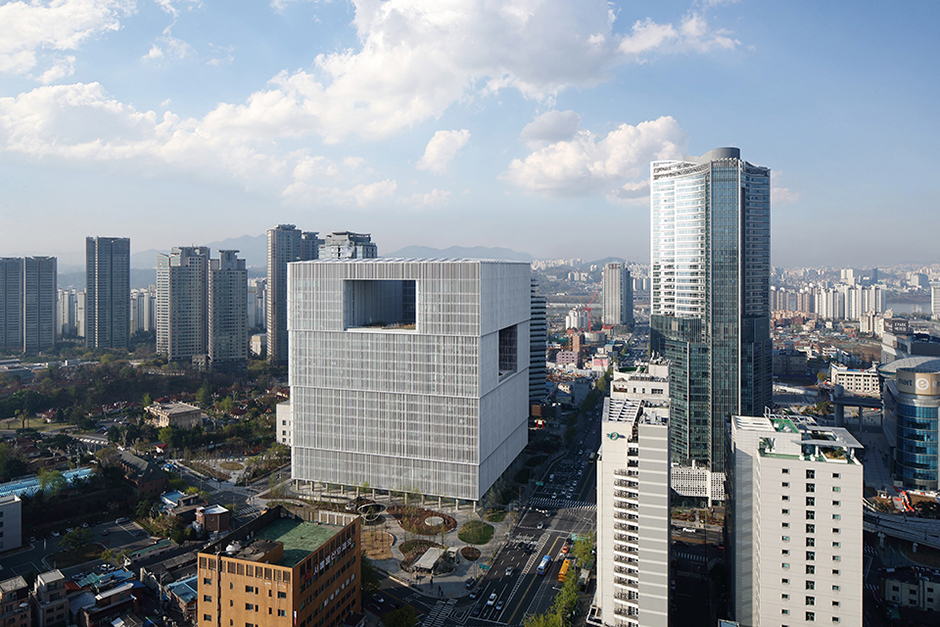
Amorepacific Museum of Art (아모레퍼시픽미술관)
12.5Km 2024-12-31
100 Hangang-daero, Yongsan-gu, Seoul
Amorepacific Museum of Art, located in Yongsan-gu, Seoul, was originally a museum exhibiting artworks collected by the late Seo Seong-hwan, the founder of Amorepacific, but later changed its name to Amorepacific Museum of Art, or APMA, in 2009 and has since been operating as an art exhibition hall. The mission upon its foundation was seeking to be "a space where beauty in the midst of daily lives is discovered" and communicating with the public. In accordance with this objective, the museum collects, researches, and exhibits Korean ancient art and both Korean and international contemporary art while, also, aiding researchers, scholars, and young artists. The underground exhibition hall hosts diverse exhibits encompassing ancient art, contemporary art, and Korean art. The 1st floor of the "Atrium," an enormous space that continues from the 1st to 3rd floors, features the museum lobby, a museum shop, an exhibition space called "APMA Cabinet" and apLAP, which is a library of art exhibition brochures from around the world. The art museum is located on the 1st floor of the new Amorepacific headquarters building, a famous work of architectural beauty of Yongsan designed after white porcelain.
![CheongKwanJang - Gwanghwamun Branch [Tax Refund Shop] (정관장 광화문)](http://tong.visitkorea.or.kr/cms/resource/93/2889693_image2_1.jpg)
CheongKwanJang - Gwanghwamun Branch [Tax Refund Shop] (정관장 광화문)
12.5Km 2024-04-22
20, Sajik-ro 8-gil, Jongno-gu, Seoul
-
The Street in front of Cheongwadae (The Blue House) (청와대 앞길)
12.6Km 2025-08-20
Gungjeong-dong, Jongno-gu, Seoul
+82-2-120
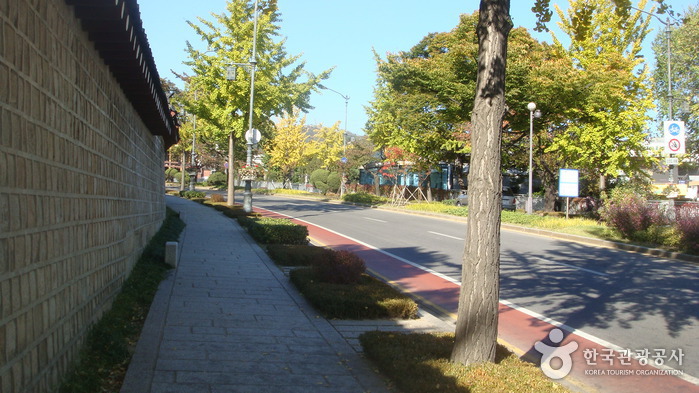
The street in front of Cheongwadae (the Blue House) is open to the public and includes both Hyoja Samgeori (Hyoja three-way intersection) in Hyoja-dong and Palpan Samgeori (Palpan three-way inetersection) in Palpan-dong. When walking along Hyoja-ro Road from Gyeongbokgung Station, sights include a fountain, Mugunghwa Garden, Yeonmugwan Hall, and Daegogak & Yeongbingwan Hall.
Cheongwadae Sarangchae consists of one basement level and two above-ground levels, including Korean Culture Exhibition Hall, Planned Exhibition Hall, a gift shop, and rest area (Korean Food Promotion Hall, Café) on the first floor and Cheongwadae Hall and Haengboknuri Hall on the second floor. Daegogak Hall houses a book donated to former president, Kim Young-sam for expressing the past spirit of Sinmungo (Petitioner's drum from Korean History). Yeonmugwan Hall is a martial art and fitness center for guards. Mugunghwa Dongsan, formed after the ansa (Safe House) was demolished in 1993, includes a well, mock fortress, and rest area. Located behind Mugunghwa Dongsan is Apostolic Nunciature in Korea and Chilgung (Seven Palaces).
At the beginning of the street in front of Cheongwadae, dense trees and beautiful flower gardens decorating both sides of the road make it a nice place for taking a walk. The area from the north gate of Gyeongbokgung Palace, Chunchumun, to the main gate of Gyeongbokgung Palace, Geonchunmun, is Samcheongdong-gil Road. This road is home to many art galleries, including Kukje Gallery, Growrich Gallery, Gallery Hyundai, and Jin Art gallery, in the area of Hyoja-ro.

Kangbuk Samsung Hospital (강북삼성병원)
12.6Km 2025-10-23
29 Saemunan-ro, Jongno-gu, Seoul
Established in 1968, Kangbuk Samsung Hospital has over 50 years of history and is taking a new leap forward with a vision for its centennial year.
Through partnerships with renowned institutions, such as Johns Hopkins Hospital in the United States and the BBDC in Canada, the hospital delivers advanced medical services while leading the public health arena. It is also committed to systematic research and the development of ICT-integrated digital healthcare, which will be the foundation for future medicine. With an excellent infrastructure that includes clinics and specialized centers (e.g., the Diabetes Center, Breast and Thyroid Cancer Center, Digestive Cancer Center, Musculoskeletal Disease Center, and Prostate Center), Kangbuk Samsung Hospital provides top-quality medical services focused on providing patients with satisfactory treatments.
STAY dayoff (스테이 데이 오프)
12.6Km 2024-12-23
6 , Jahamun-ro 1da-gil, Jongno-gu, Seoul
+82-504-0904-2406
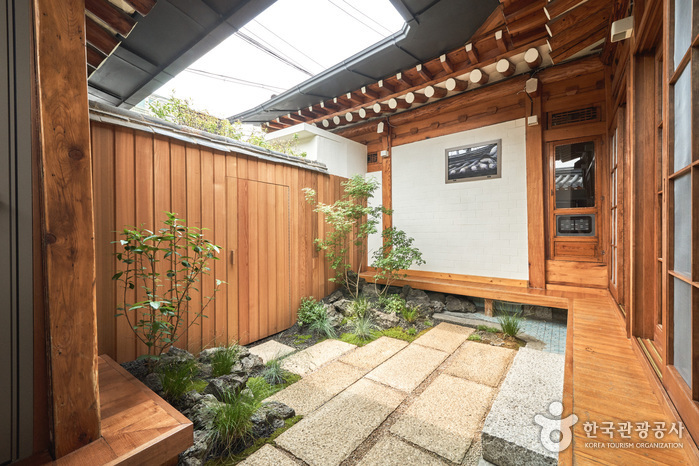
Stay Day Off is a hanok stay just off Jahamun-no - known locally as ‘Food Street’ - in Seochon Village to the west of Gyeongbokgung Palace in Seoul. It’s a 5-minute walk from Gyeongbokgung Station on Subway Line 3, so transport access is good. The main building comprises two bedrooms with queen-size bed, a living room and kitchen, and two bathrooms. The annex building is rather special: it has a bath and sauna behind a window wall with a fine view of the hanok garden. There’s a 10% discount for guests staying more than two nights during the week.
Ichon Hangang Park (이촌한강공원)
12.6Km 2025-10-23
62 Ichon-ro 72-gil, Yongsan-gu, Seoul
+82-2-3780-0551
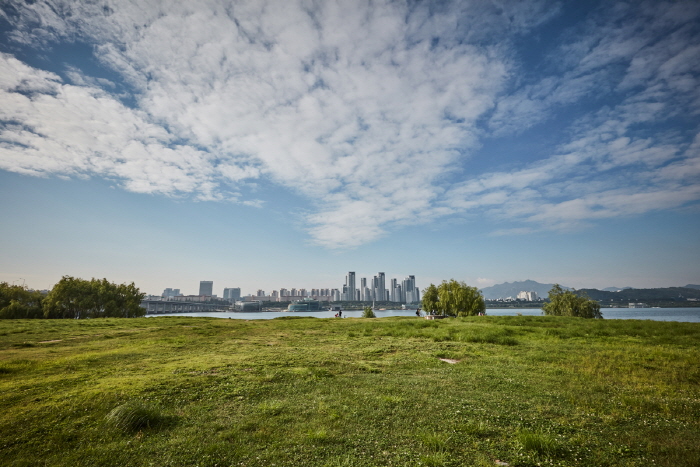
Ichon Hangang Park is built along the Hangang Park in Yongsan. From the park, one can see the Hangang River up close, and one can also find sports facilities like soccer fields, jokgu fields, inline skating rink, water sports facilities, bicycle paths, as well as a nature learning center built around a restored wetland and a lawn. One can follow the Hangangdaegyo Bridge to enter into the Nodeulseom Island, an island in the middle of the river.
◎ Travel information to meet Hallyu’s charm - TV series "Sisyphus: The Myth"
This park was featured in the TV series "Sisyphus: The Myth" as the setting where Seo Hae (played by Park Shin-hye) reflected on bittersweet memories with her father. Its expansive grounds make it an ideal spot for leisure activities such as walking, picnicking, and cultural events.
Seoul Hanok Stay (JNP Stay) (서울한옥스테이(jnpstay))
12.6Km 2024-10-30
7-28 , Jahamun-ro 1na-gil, Jongno-gu, Seoul
+82-10-5720-6800
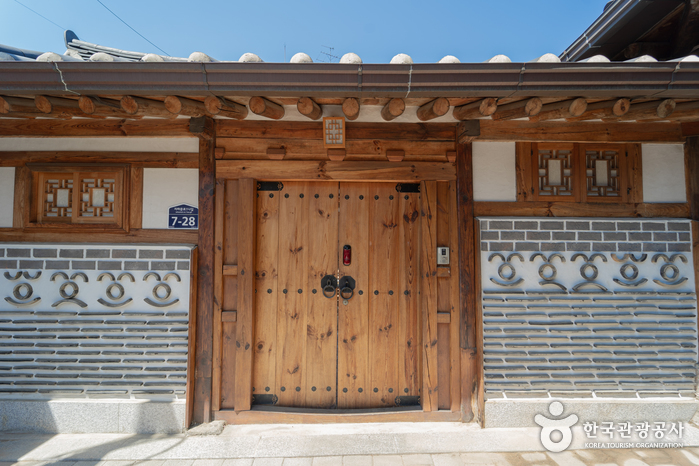
Seoul Hanok Stay (JNP Stay) is a private hanok stay located 3 minutes' walking distance from Gyeongbokgung Station. You can play traditional Korean games such as jejichagi (hacky sack), yut nori (board game), and tuho (arrow-throwing) in the yard, and cooking barbecue adds to the charm of the hanok. From the yard, you can enjoy the sky view, feel the gentle breeze, and observe raindrops falling from the eaves.
 English
 한국어
한국어 日本語
日本語 中文(简体)
 Deutsch
 Français
 Español
 Русский


