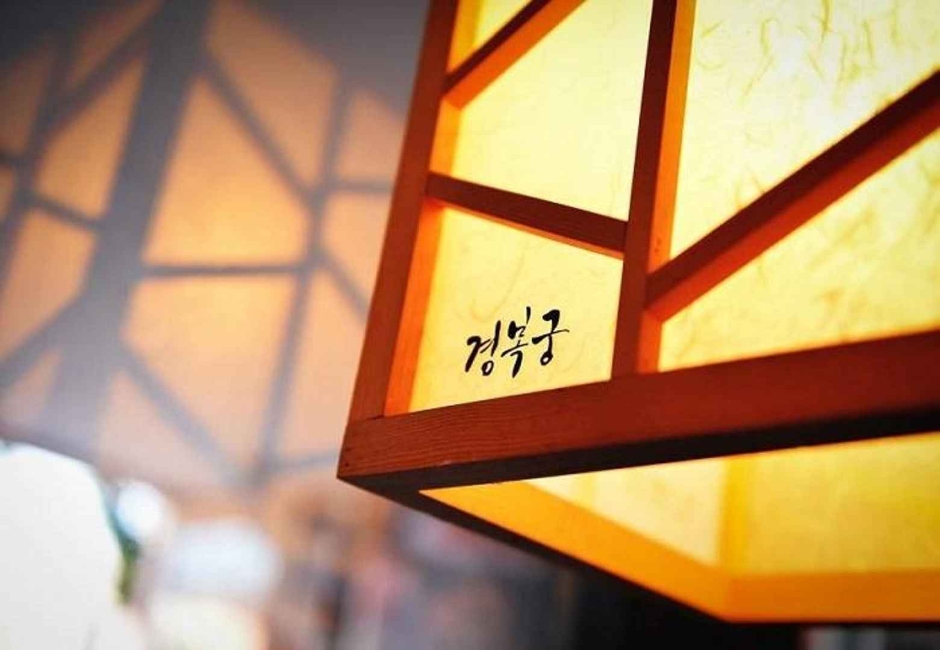
Kyungbokkung - Changdong Branch (경복궁 창동)
13.7Km 2024-07-31
610, Dobong-ro, Dobong-gu, Seoul
+82-2-992-6777
Chefs specializing in Korean dishes use prime meat. This restaurant's signature menu is grilled boneless ribs. This Korean dishes restaurant is located in Dobong-gu, Seoul.

Chung-Ang Uiversity Hospital (중앙대학교병원)
13.7Km 2025-10-23
102 Heukseok-ro, Dongjak-gu, Seoul
Since its foundation in 1968, Chung-Ang University Hospital has been striving to contribute to the health and happiness of humanity by achieving the best in medical treatment, research, and education based on our core values of "professionalism, fairness, change/innovation, communication/harmony, and empathy/care.”
As a leader in severe disease treatment, we work with highly qualified medical staff and specialized professionals, receiving the top rating in all cancer procedures evaluated (colon, stomach, breast, and lung) by the Ministry of Health and Welfare and the Health Insurance Review and Assessment Service, and the top rating in the care appropriateness evaluation for acute stroke, coronary artery bypass, intensive care unit (adults and newborns), and hemodialysis.
In a “rating from visitor reviews” conducted by a major domestic portal site, we ranked first out of 13 major tertiary hospitals in Seoul, maintaining our reputation as the friendliest hospital in Korea trusted by patients.
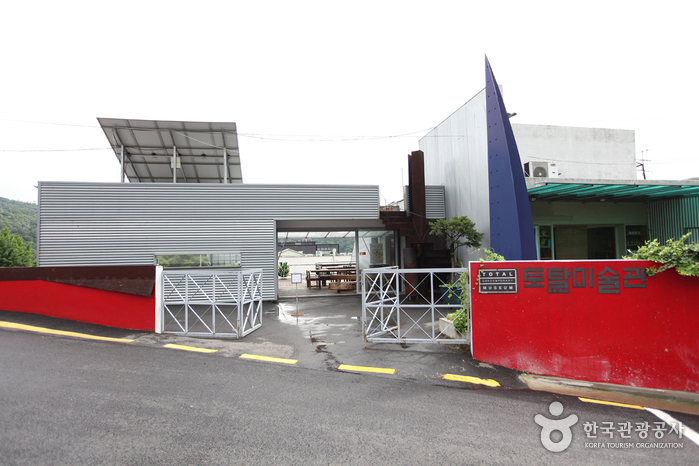
Total Museum (토탈미술관)
13.8Km 2022-07-22
8, Pyeongchang 32-gil, Jongno-gu, Seoul
+82-2-379-7037
The Total Museum is a branch of Jangheung Art Park (formerly “Total Outdoor Museum”) that opened near Bukhansan Mountain in April 1992. It houses facilities such as an art academy, library, art shop, and outdoor performance stage. In addition to exhibitions, the museum holds a variety of art and culture programs like musical concerts, events, lectures, and seminars. In particular, the members-only educational programs and gallery concerts provide a chance to enjoy high-quality cultural events.
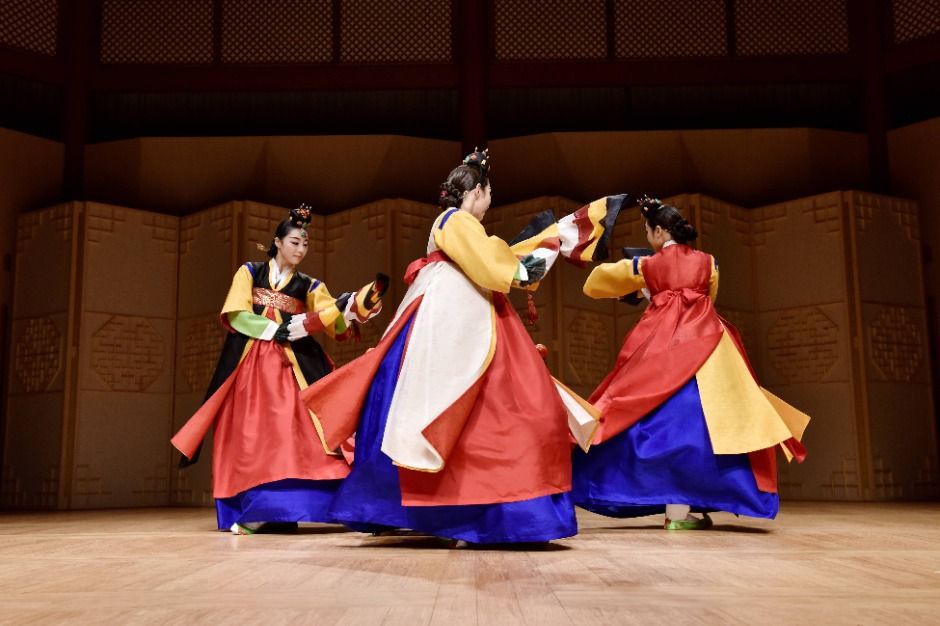
Jamunbak Cultural Festival (자문밖문화축제)
13.8Km 2025-10-23
5 Pyeongchang 31-gil, Jongno-gu, Seoul
+82-2-6365-1388
The Jamunbak Festival is a celebration of the artistic life of Seoulites. At the foot of Bukhansan Mountain, the festival features exhibitions, performances, forums, workshops, and field trips that bring together artists of different generations and citizens of Seoul—who have long led Korea’s artistic culture—to reflect on and propose new directions for their own artistic lives. The festival aims to create a platform where emerging artists experimenting with new aesthetics, mid-career artists who form the backbone of Korean art, collectors, critics, students, and the general public can all engage in dialogue together.
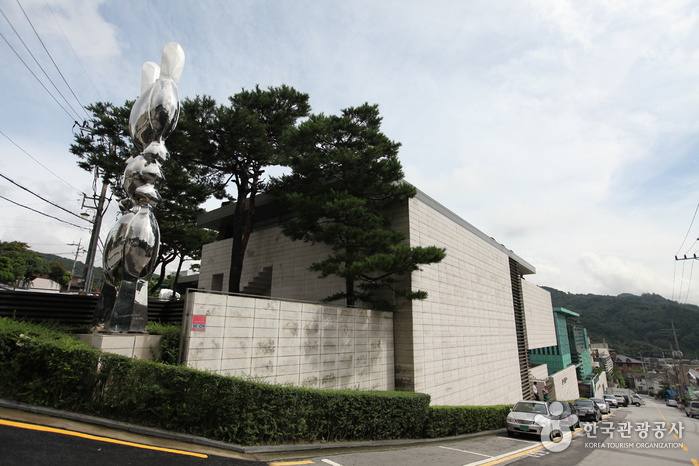
Gana Art Center (가나아트센터)
13.8Km 2024-03-18
28 Pyeongchang 30-gil, Jongno-gu, Seoul
The Gana Art Center located at the foothills of Bukhansan Mountain has been showcasing more than 300 exhibitions since its opening in 1983. Through both national and international exhibitions, the Gana Art Center is a recognized gellery. With numerous fairs and exhibitions, Gana Art Center not only invite internationally known artists, but also promotes other forms of art, such as music, theater, mime, etc. Through their flexibility in promoting all art forms, the visitors will surely be able to find the theme of their interest.
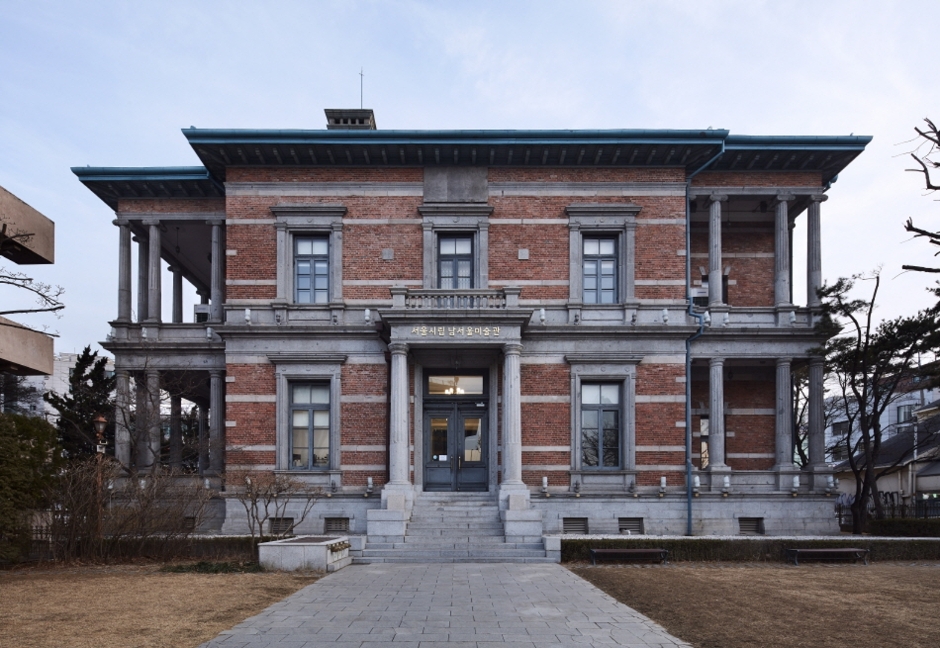
Nam-Seoul Museum of Art (SeMA) (서울시립미술관 남서울생활미술관)
13.8Km 2023-10-17
2076, Nambusunhwan-ro, Gwanak-gu, Seoul
+82-2-598-6246
The Nam-Seoul Museum of Art offers visitors a meaningful opportunity to linger beside the traces of history. The building previously served as the Belgian Consulate during the Korean Empire (1897-1910) and has since been designated as a historic Site. It was first constructed in Hoehyeon-dong in 1905 and was relocated to its current location in Namhyeon-dong in 1983. The museum hosts public programs tailored for audiences from various backgrounds in rooms arranged along both sides of a long corridor in the two-story building.
Dongnimmun Gate (독립문)
13.8Km 2022-12-15
251, Tongil-ro, Seodaemun-gu, Seoul
Dongnimmun stands at the location originally known as Yeongeun, where envoys were once treated. When a Chinese envoy visited, the King would go out through this door to greet. In 1898, to announce the independence from Japan, Dongnimun was constructed with the fund collected by the citizens. The traces of the past still remain on Dongnimmun with two pillars in front of Dongnimmun being the remains of Yeongeunmun.
The Arc de Triomphe in France can be recalled in comparison to Dongnimmun. Dongnimmun was built using granite with a passageway x_height of 14.28 meters. On the top it is written ‘Dongnimmun’ in Korean with the national flag drawn on each side. On the inner-left side there are stone stairs leading to the attic. The national flower Mugunghwa are planted around Dongnimmun. Now it is surrounded by roads and it is eye-catching to view when passing by.
Seodaemun Prison History Museum (서대문형무소역사관)
13.8Km 2024-12-02
251 Tongil-ro, Seodaemun-gu, Seoul
Seodaemun Prison was built under the Japanese administration to imprison independence movement activists. It first opened on October 21, 1908 under the name Gyeongseong Prison. Eventually, so many activists were imprisoned that the building had to be expanded. At that time, the name changed to Seodaemun Prison on September 3, 1912. Eighty years later, the prison was turned into Seodaemun Independence Park on August 15, 1992 to commemorate the Korean patriots who were tortured in prison, giving their lives for freedom. Of the many buildings, only seven were preserved for their historical significance, among which three prison buildings and the execution site were designated as a Historic Site. In 1998, the park underwent another transformation into today's Seodaemun Prison History Hall to educate the public on the importance of Korea's independence and the sacrifices of those who fought to achieve it.
Seodaemun Independence Park (서대문독립공원)
13.9Km 2022-12-15
251, Tongil-ro, Seodaemun-gu, Seoul
+82-2-3140-8305
Seodaemun Independence Park was built on the former Seoul Detention Camp. It was used to imprison thousands of Korean independence activists until the liberation from the Japanese occupation on August 15, 1945, as well as the political prisoners during the political turmoil in the 1960s. When the prison was moved to Uiwang-si, Gyeonggi-do in November 1987, the area was restored and turned into a memorial park in August 15, 1992 to honor the sacrifices of the martyrs. The park preserves seven prison buildings, an execution ground, underground women’s prison, and the March 1st Movement Monument that has been moved from Tapgol Park in Jongno.
One of the most significant monuments of the Seodaemun Independence Park is Dongnimmun Gate (Independence Gate), which has been designated a Historic Site. Nearby is Dongnipgwan (Independence Hall), originally called Mohwagwan, which was used to greet Chinese envoys during the Joseon dynasty. Today, the hall enshrines 2,327 tablets inscribed with the names of Koreans who died for the cause of national independence. Standing right next to Dongnimmun Gate are the remnants of Yeongeunmun Gate, another Historic Site. Other sights inside the park include the Patriotic Martyr Monument, Declaration of Independence Monument, and Statue of Dr. Seo Jae-pil, who was an independence activist and publisher of Korea’s first independent newspaper. The main highlight of the park is the Seodaemun Prison History Hall, a former prison building that was renovated into a history museum.
Jeong’s Family (정스패밀리)
13.9Km 2025-03-15
16 , Hyochangwon-ro 8-gil, Yongsan-gu, Seoul
+82-10-6332-2043
Jeong's Family is a foreigner-only guesthouse in Hanseong Han River Apartments in Yongsan-gu, Seoul. The apartment building is in a quiet residential area and has a fine view over the Han River and the riverside Hangang Park - which is a great place for walking or cycling. The two rooms are furnished with laptop PCs. Guests will recieve a welcome drink when they check-in, and a simple breakfast and dinner are provided upon prior reservation. The guesthouse is close to the airport bus stop, and convenient for public transport to tourist hotspots such as Gangnam, Hongdae, and Myeong-dong. There’s a key deposit system in operation.
 English
 한국어
한국어 日本語
日本語 中文(简体)
 Deutsch
 Français
 Español
 Русский


