Seoul Museum of Craft Art (SeMoCA) (서울공예박물관)
13.9Km 2025-06-19
4 Yulgok-ro 3-gil, Jongno-gu, Seoul
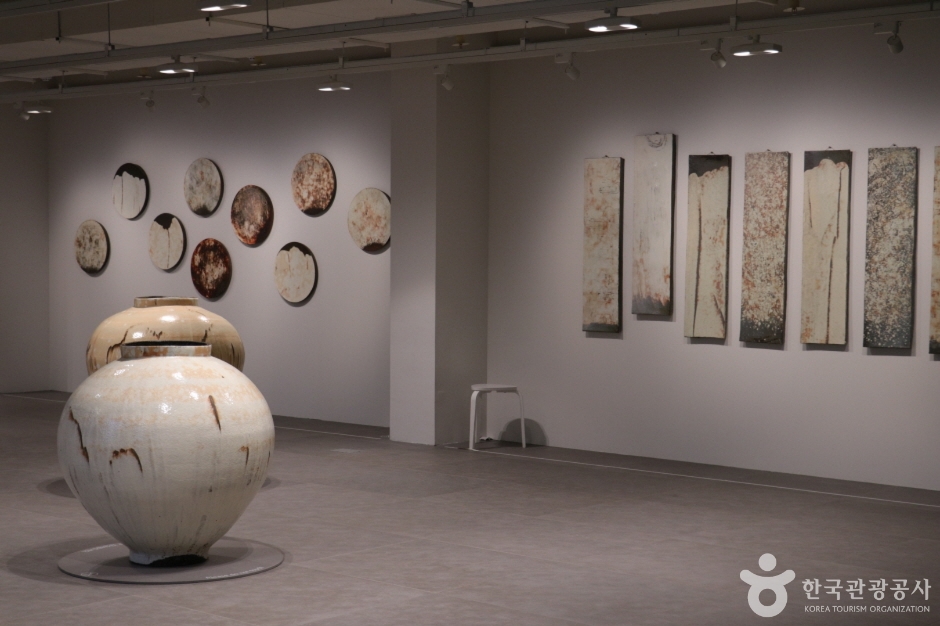
The Seoul Museum of Craft Art (SeMoCA), the first public museum of craft art in Korea, opened its doors in Anguk-dong, Jongno-gu, in July 2021 after renovating five buildings of the former Pungmoon Girls’ High School. SeMoCA studies and shares not only works, but also information, records, people, and environment related to craft art with the goal of becoming a dynamic platform for experiencing the technical, practical, artistic, and cultural values of craft.
SeMoCA holds a collection that comprises various crafts and craft materials covering multiple fields and eras from the traditional to the present. SeMoCA also holds exhibitions that feature the history of craft from traditional to contemporary art as well as local and children’s crafts, along with programs that utilize the museum’s craft installations, craft archives, craft library, and craft resource management system.
The site of the museum has deep historical roots as it is also the Andong Secondary Palace Site, where a detached palace was constructed as a royal residence for King Sejong’s son Prince Yeongeung, and served as a venue for royal celebrations, such as the wedding of King Sunjong. The site is also at the center of Jongno-gu, where Joseon-era master artisans (“gyeonggongjang”) of the royal palace produced and delivered craft works.

Jogyesa Temple (조계사(서울))
13.9Km 2024-10-25
55 Ujeongguk-ro, Jongno-gu, Seoul
As the main temple as well as the district head temple of the Jogye order in Seoul, Jogyesa Temple is the center of Korean Buddhism. The temple was built in the late 14th century during the Goryeo period but was completely destroyed in a fire. It was rebuilt under the name of Gakwangsa Temple in 1910 with the effort of many respectful monks, namely Han Yong-un and Lee Hee-gwang. The temple was given a role as the head temple of Korea’s Buddhism and renamed to Tegosa Temple in 1936. In 1954, a purification drive took place to eliminate Japanese influence and revive traditional Buddhism, which established the present day Jogyesa Temple as a result.
Jogyesa Temple plays an important role in Korean Buddhism as the head temple of the Jogye order. Jogyesa Temple’s Dharma Hall serves as the main venue for several Buddhist events, holding rituals, lectures, ceremonies, and other events all year long. The annual lantern festival in celebration of Buddha's birthday also takes place at this temple.
![Jigum - Jongno Branch [Tax Refund Shop] (JIGUM 종로)](http://tong.visitkorea.or.kr/cms/resource/52/2889052_image2_1.jpg)
Jigum - Jongno Branch [Tax Refund Shop] (JIGUM 종로)
13.9Km 2024-04-18
F1, F2, 21-8, Bukchon-ro, Jongno-gu, Seoul
-
K-Pop Cover Dance Festival World Final (K-POP 커버댄스 페스티벌 월드 파이널)
13.9Km 2025-10-23
110 Sejong-daero, Jung-gu, Seoul
+82-2-2000-9324
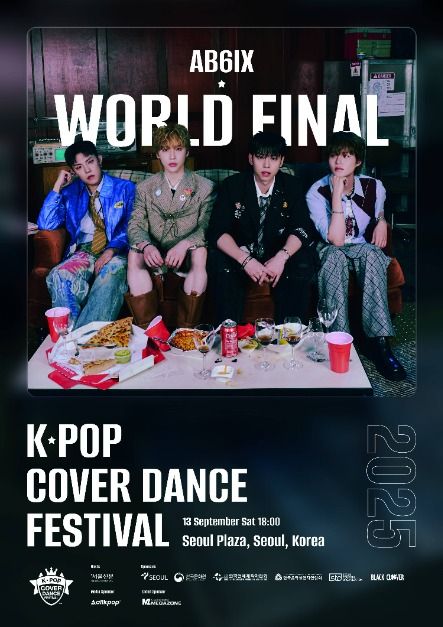
The K-Pop Cover Dance Festival World Final brings together K-pop fans from around the world, offering them a chance to become the main stars on stage. Going beyond just dance, the festival provides a platform where K-pop fans worldwide can share their culture, build a global network, express their passion through dance, and connect the entire world through Korean culture and K-pop.
![Kumkang Optical - Hyundai Pangyo Branch [Tax Refund Shop] (금강안경 현대판교 [사후면세점])](http://tong.visitkorea.or.kr/cms/resource/51/2881651_image2_1.jpg)
Kumkang Optical - Hyundai Pangyo Branch [Tax Refund Shop] (금강안경 현대판교 [사후면세점])
13.9Km 2024-04-19
8F Hyundai Department Store Pangyo Branch, 180, Pangyoyeok-ro, Bundang-gu, Seongnam-si, Gyeonggi-do
-
![Gucci - Hyundai Pangyo Branch [Tax Refund Shop] (구찌 현대 판교점)](http://tong.visitkorea.or.kr/cms/resource/89/2881689_image2_1.jpg)
Gucci - Hyundai Pangyo Branch [Tax Refund Shop] (구찌 현대 판교점)
13.9Km 2024-04-23
1F, 180, Pangyoyeok-ro, Bundang-gu, Seongnam-si, Gyeonggi-do
-
![Olive Young - Jongno 1(il)-ga Branch [Tax Refund Shop] (올리브영 종로1가)](http://tong.visitkorea.or.kr/cms/resource/16/2878216_image2_1.jpg)
Olive Young - Jongno 1(il)-ga Branch [Tax Refund Shop] (올리브영 종로1가)
13.9Km 2024-04-16
19, Jong-ro, Jongno-gu, Seoul
-
Cheonggye Pharmacy - Cheonggyecheon Branch [Tax Refund Shop] (청계약국 청계천)
13.9Km 2024-04-17
14, Cheonggyecheon-ro, Jung-gu, Seoul
-
Mijin (미진)
14.0Km 2024-03-06
19 Jong-ro, Jongno-gu, Seoul
+82-2-732-1954
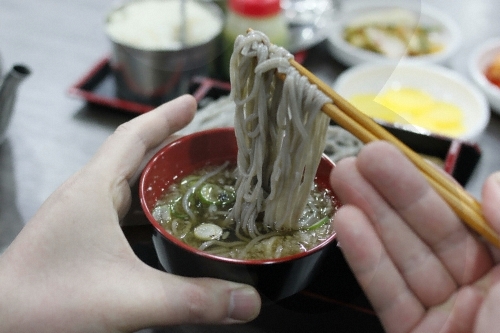
Mijin is a Korean-style cold buckwheat noodle restaurant located near Gwanghwamun, specializing in Korean-style naeng memilguksu (cold buckwheat noodles). They offer a broth that is richer in flavor compared to Japanese soba bonito soy sauce, along with chewier buckwheat noodles. The restaurant produces the broth and noodles in-house and serves them directly to customers. The cold broth and buckwheat noodles condiments can be adjusted according to preference. Another popular menu is the memil jeonbyeong (buckwheat crepe) filled with bean sprouts, bean curd, aged kimchi, and ground pork.
![Inwoohouse [Korea Quality] / 인우하우스 [한국관광 품질인증]](http://tong.visitkorea.or.kr/cms/resource/56/3009456_image2_1.jpg)
Inwoohouse [Korea Quality] / 인우하우스 [한국관광 품질인증]
14.0Km 2023-09-12
1-9 , Gyedong 6-gil, Jongno-gu, Seoul
+82-2-742-1115
Inwoo House is a traditional hanok down an alley in Gye-dong, Jongno, Seoul. There is a swallow's nest under the eaves, and the pride of this house is that the swallow family returns every spring. Each room in the house has a private bathroom. Residents can sample Korean culture by taking part in traditional paper crafts, knot bracelet making, and fan decorating. The location is convenient for restaurants, cafes, and convenience stores, and Gyeongbokgung Palace, Changdeokgung Palace, Insadong, and Samcheong-dong are all within walking distance.
 English
 한국어
한국어 日本語
日本語 中文(简体)
 Deutsch
 Français
 Español
 Русский


